Last updated November 18, 2026




Free written scope consultation - allowances, timeline, and change-order rules on paper before a single trade is scheduled
How to Hire a Construction Contractor in San Jose: A Step-by-Step Guide
The most common complaint filed with the California Contractors State License Board isn’t shoddy work. It’s that the job was started by someone posing as a licensed contractor when they weren’t licensed at all. Over 1,400 California homeowners filed that kind of complaint last year, and many of them were right here in San Jose. You can avoid that outcome entirely by doing one thing before anyone steps onto your property: verify five documents. This guide walks you through exactly what to request, where to look, and what red flags should stop the conversation cold. It’s a checklist you can run in an afternoon, and it’s the difference between a job done right and a nightmare you’ll be untangling for years.
Quick Answer
To hire a construction contractor in San Jose, verify five things before signing anything: an active CSLB license with the correct classification, a current workers’ comp certificate from the insurer, a written contract with change-order and lien-waiver clauses, a line-item bid that names specific materials and brands, and a payment schedule with a down payment under 10%. Run these checks through the California Contractors State License Board and by calling the contractor’s insurer directly. An afternoon of verification protects you for the life of the project.
Styles & brands we work with
- Kitchen remodeling
- Bathroom remodeling
- Home additions & ADU
- Roofing
- Windows & doors
- Driveway & pavers
- Fence
Table of Contents
- How to verify a contractor’s license in San Jose
- Why you need the workers’ comp certificate from the insurer
- The three contract clauses that protect your money
- How to compare bids that aren’t apples-to-apples
- Red flags specific to San Jose contractors
- Why permits matter more than most homeowners realize
- How to structure a payment schedule you can live with
- Common mistakes to avoid
How do you verify a contractor’s license in San Jose?
Verification starts and ends at the California Contractors State License Board, known as the CSLB. Every contractor who works on a job over $500 in California must hold an active license, and every license is searchable, public, and free to check. The lookup takes about three minutes and tells you more about a contractor than any conversation will.
Here’s the exact process:
- Go to the CSLB website and open the “Check a License” tool.
- Search by license number, business name, or the name of the person you’re dealing with.
- Confirm the license status shows “Active” and that the classification matches your job (B for general building, C-39 for roofing, C-36 for plumbing, and so on).
- Read the bond amount listed. A current, active bond is required, and the amount should be visible.
- Scroll for any disciplinary history. Complaints, citations, or suspensions appear here, and you want to read them in full.
- Check the expiration date. A license about to lapse is worth a conversation before you sign.
In our experience around San Jose, the disciplinary record is the part most homeowners skip. It’s also the most revealing. A single resolved complaint isn’t disqualifying, but a pattern of them tells you something. Ask the contractor about anything you find. A straight answer is a good sign. A defensive one isn’t. The license number should be printed on the contract, the bid, and the truck, and if any of those three don’t match, walk away.
Why should you get the workers’ comp certificate from the insurer directly?
A contractor handing you a copy of a workers’ comp certificate proves very little. Certificates can be outdated, altered, or belong to a policy that lapsed months ago. The only way to know the coverage is live is to call the insurance company listed on the certificate and ask them to confirm the policy is current and covers your job address. That call takes five minutes and it’s one of the most important you’ll make during this process.
Here’s why it matters so much. If a crew member is injured on your property and the contractor doesn’t have valid coverage, that worker’s medical bills can come back to you as the property owner. California takes this seriously, and the exposure is real. A contractor who carries legitimate coverage won’t hesitate to give you the insurer’s phone number. One who makes excuses, offers “we’re all family here,” or says workers’ comp isn’t needed for a small crew is telling you everything you need to know.
While you’re on the phone, ask the insurer two things: is the policy active today, and does it list the class codes that match the work being performed. Roofing and general building carry different codes, and a policy that doesn’t cover the trade being done is no protection at all. Our crew members are background-checked and carried under proper coverage, and we expect you to verify it. Anyone legitimate will welcome the question.
What three contract clauses protect you from surprise charges?
The difference between a smooth project and a financial dispute usually comes down to three clauses. If a San Jose contractor’s contract doesn’t include all three in writing, don’t sign it. These aren’t legal technicalities. They’re the practical language that decides who pays when something changes.
- Written change orders. Any change to scope, materials, or schedule must arrive as a signed change order before the work happens. Verbal approvals are where budgets die. An allowance that isn’t on paper is a surprise waiting for a date.
- Lien waivers. Before you make a payment, the contractor should provide a conditional lien waiver confirming that subcontractors and suppliers have been paid for the work completed. Without it, an unpaid supplier can place a mechanics lien on your home even if you paid the contractor in full.
- Payment schedule tied to milestones. Payments should follow completed, inspected work, not calendar dates. Progress payments released against milestones keep the contractor motivated to finish each phase correctly before moving on.
Read the contract for these three before you read anything else. If change orders are described as “billed at contractor’s discretion” or the payment schedule asks for large sums upfront, that’s the document telling you what the job will feel like. It’s also worth reading the allowance section line by line. Allowances for tile, fixtures, or cabinets should name brands and dollar figures, not vague categories. In our experience in San Jose, the surprise invoices homeowners complain about almost always trace back to an allowance that was never pinned down at signing.
How do you compare bids that aren’t apples-to-apples?
Three bids for the same job rarely mean the same work. One contractor quotes a mid-grade roofing shingle, another quotes premium, and a third leaves the shingle brand off entirely. Comparing the totals tells you nothing useful. Comparing the line items tells you everything. There’s one question that forces every bidder to level the field, and it’s this: “Name the exact product and brand you’ll install, line by line, including the model number.”
When you ask that question, watch what happens. A serious contractor will answer it without flinching and put the brand names in writing. James Hardie siding, KraftMaid or Wellborn cabinetry, a specified shingle line with a stated warranty. A bidder who says “we use whatever’s available” or “we’ll work with your budget on materials” hasn’t given you a bid. They’ve given you a number that will move.
A useful comparison looks like this in your notes:
- Write each bidder’s line items side by side, matching scope to scope.
- Flag any line where the brand or model is missing. Ask for it in writing before you compare totals.
- Compare the warranties each bidder offers on labor and materials separately.
- Note who pulled permits in the bid and who didn’t. A bid that excludes permits isn’t a complete bid.
- Check whether disposal, cleanup, and inspection fees are included or billed separately.
Once you’ve done this, the cheapest bid often isn’t the cheapest bid anymore. The comparison becomes about materials and scope, which is where it should have been all along.
What red flags should San Jose homeowners watch for?
Some contractor warnings are universal, but a few are specific to the San Jose market and the way work gets done here. Watch for these three.
Contractors who discourage pulling permits. In San Jose, permits go through the city’s planning and building department, and the process exists for a reason. A contractor who says “you don’t need a permit for that” on a job that clearly requires one is cutting corners you’ll pay for later, usually at resale. The permit inspector works for you, not for the contractor. That’s the point.
Quotes delivered only verbally. A verbal quote isn’t a quote. It’s a starting suggestion. In San Jose’s competitive market, some contractors skip written bids to stay flexible, which means your price stays flexible too. Insist on a written, line-item bid every time.
Down payments over 10% before work starts. California caps advance payments for home improvement contracts at 10% of the contract price or $1,000, whichever is less, before work begins. A contractor asking for 30% or 50% upfront to “secure materials” is asking you to fund their cash flow. That’s not how a healthy contractor operates.
One more San Jose reality worth mentioning: the valley’s hot, dry summers and occasional winter rain put real stress on roofs, hardscapes, and exterior paint. A contractor who’s honest about how the local climate affects material choice and scheduling is showing you they’ve done the work here before.
Why do permits matter more than most homeowners realize?
A permit does three things. It makes the work legal, it triggers an inspection by someone with no financial stake in the outcome, and it protects your home’s resale value. In San Jose, where home values are high and buyers are thorough, an unpermitted addition, roof, or electrical panel will surface during the sale and cost you more to correct than the permit ever would have.
The inspection itself is the real value. An inspector verifies framing, electrical, plumbing, and structural work before it’s covered up. That’s a second set of trained eyes on the parts of the job you’ll never see once the drywall goes up. Our crews pull permits and pass inspections on every eligible job, because the alternative is asking a homeowner to trust the work they can’t inspect. That’s not a reasonable ask.
When you review a bid, look for a line item for permits and inspection fees. It should be there, stated clearly. If it’s missing, ask why. On a kitchen or bathroom remodel, permits cover plumbing, electrical, and often mechanical changes. On an addition or ADU, the permit process is the backbone of the entire project, and you can read more about how that works on our Home Additions & ADU in San Jose page. The permit trail also matters for roofing and exterior work; if you’re evaluating a roof, see our notes on how inspections apply to Barrett & Sons Construction San Jose home services.
How should you structure a payment schedule you can live with?
A fair payment schedule ties money to completed work. The best structure is a modest down payment followed by progress payments released against milestones you both agree to in writing before the job starts. Every release should be accompanied by a lien waiver confirming that the trades who did that phase of work have been paid.
A reasonable schedule for a mid-size San Jose remodel might look like this:
- 10% or $1,000, whichever is less, at signing. This is the California limit for advance payment before work begins.
- A progress payment when demolition and rough-in are complete and inspected.
- A second progress payment when the work reaches a set milestone, such as cabinets set or drywall finished.
- A final payment held until the punch list is complete and the final inspection has passed.
Keep the final payment meaningful. Ten percent is common, and it gives you real leverage to get punch-list items finished. The schedule should also say what happens if the project pauses. Weather delays, supply delays, and changes in scope should all be addressed in writing, and change orders should reference the adjusted payment schedule. A contractor who pushes back on milestone-based payments, or who wants the full balance at substantial completion with no holdback, is asking you to give up your leverage before the job is done. Don’t.
Common mistakes to avoid
- Only checking the license number on the truck. A truck decal proves nothing. Look the license up on the CSLB every time, and confirm the classification matches your job. In San Jose, roofers and general building contractors need different classifications, and the wrong one on your permit is a problem.
- Accepting a copied workers’ comp certificate without calling the insurer. Request a fresh certificate directly from the insurance company. A copy the contractor hands you may be months out of date.
- Signing a contract with no written change-order clause. Verbal changes are how budgets blow up. Every change should arrive on paper before a nail moves.
- Comparing bids without line items. When a bid says “cabinets: $12,000” without a brand or model, you can’t compare it to anything. Ask for product names and model numbers in writing.
- Paying more than 10% before work starts. California law caps advance payment on home improvement contracts. Anyone asking for 30% or half upfront is out of line, and often out of money.
- Skipping the permit to “save time.” In San Jose, unpermitted work comes back at resale and during insurance claims. The permit is a feature, not a formality.
- Not checking disciplinary history on the CSLB. The complaint record is public and takes thirty seconds to review. Skip this step and you’re skipping the single best warning sign available.
See the difference
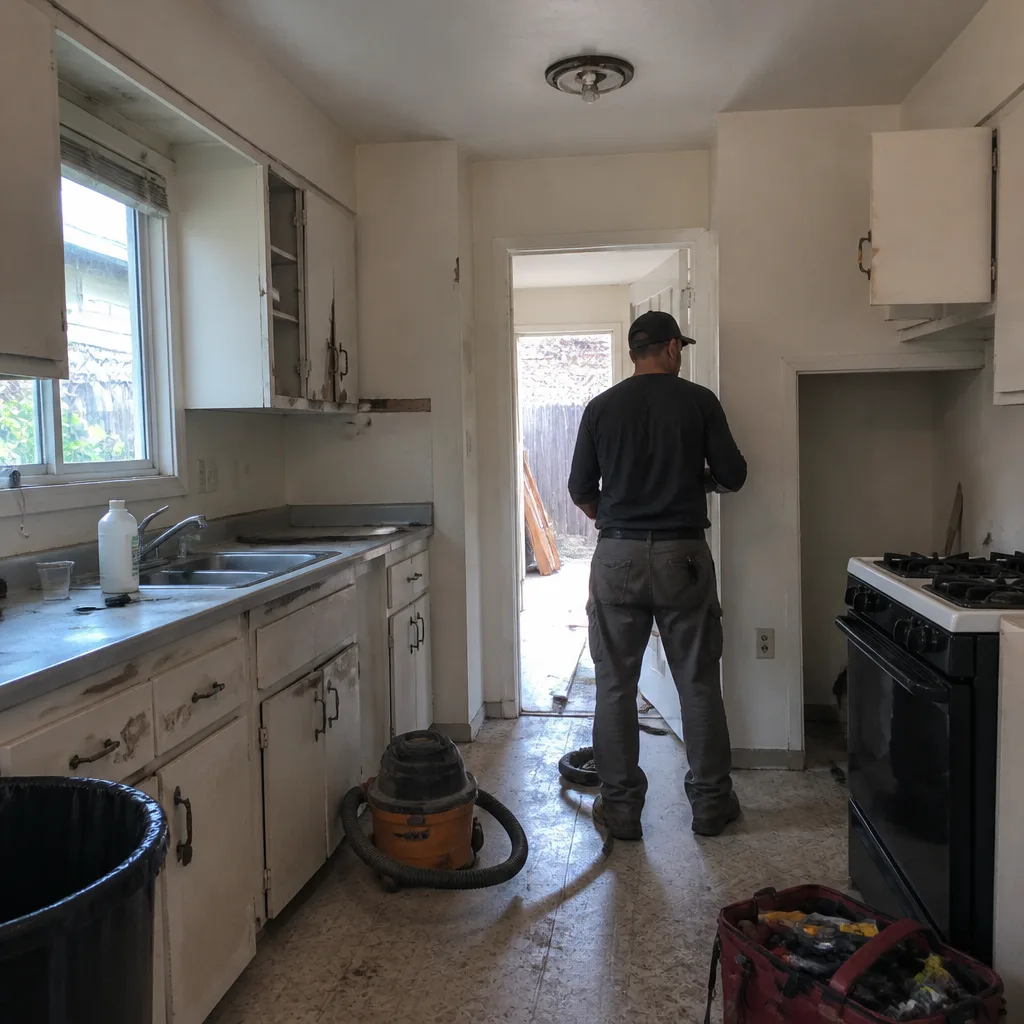 Before
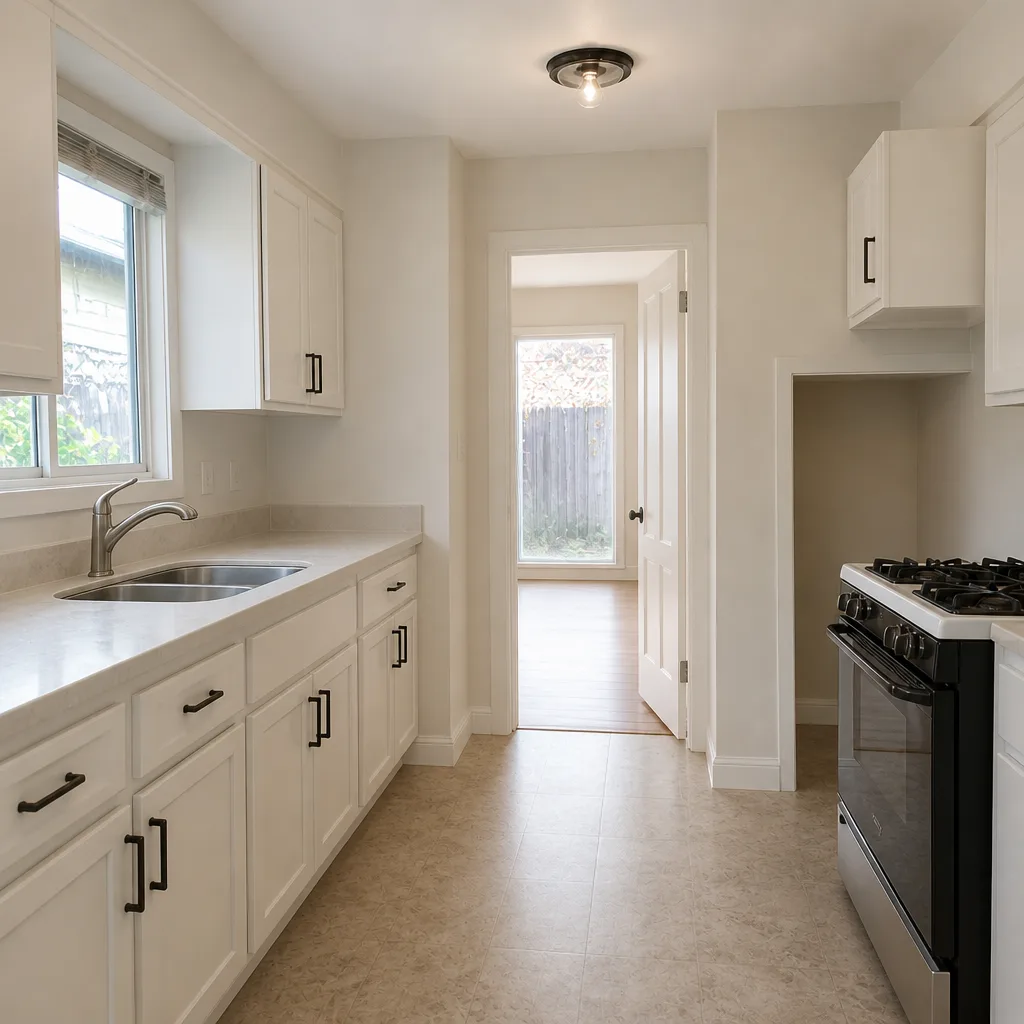 After
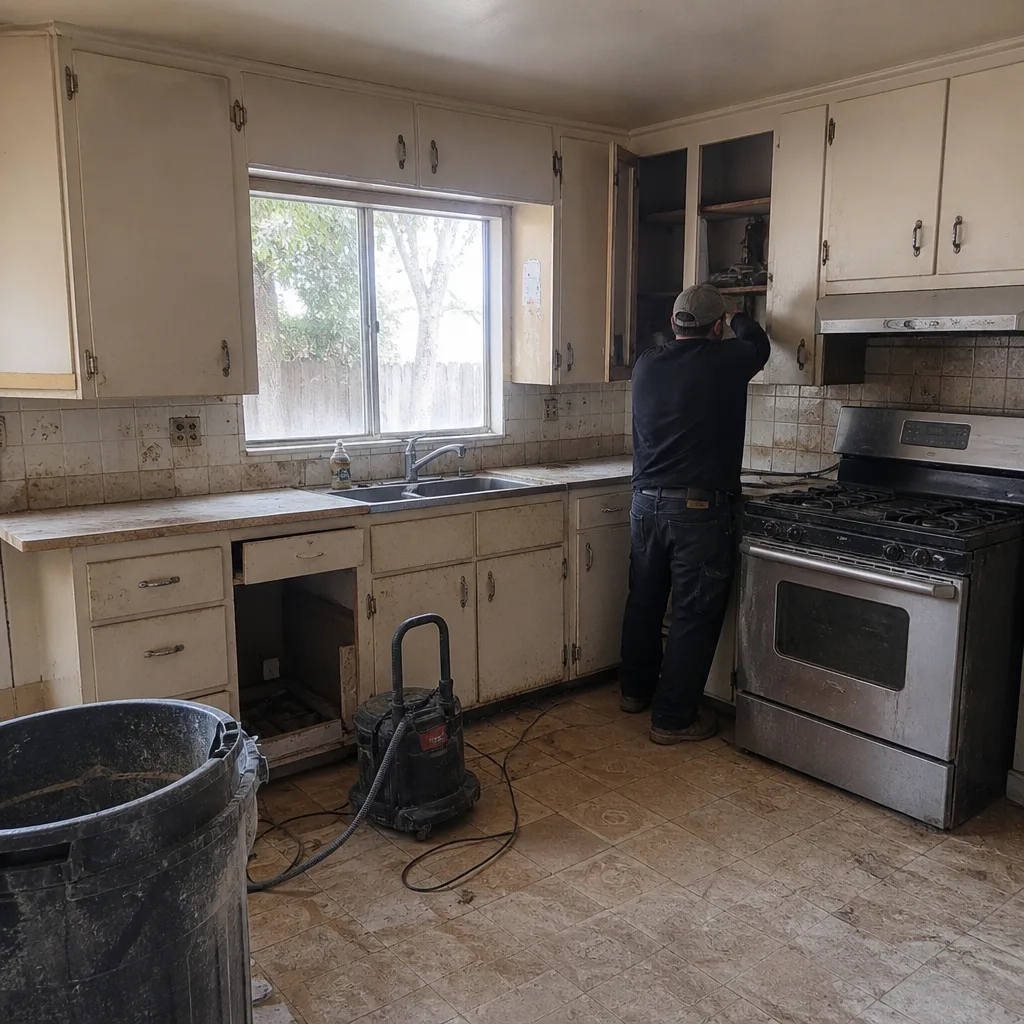 Before
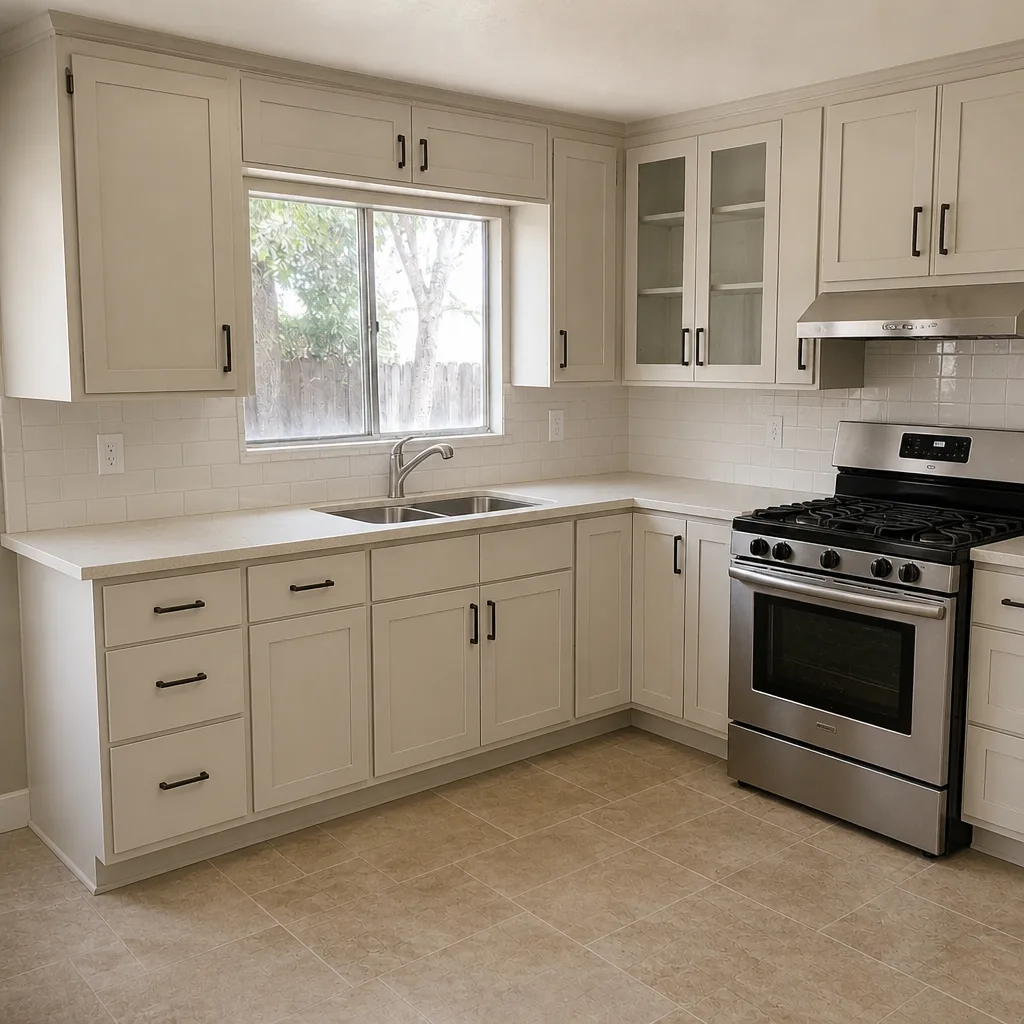 After
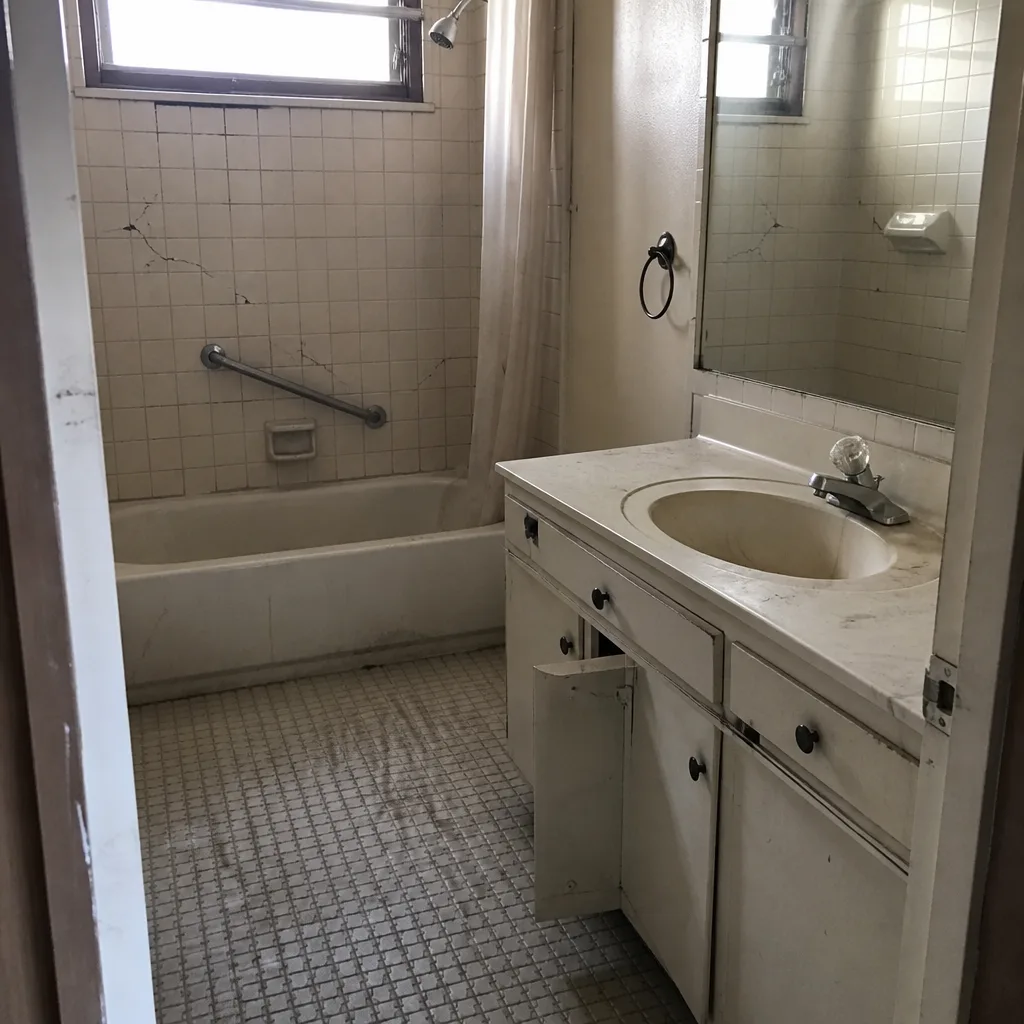 Before
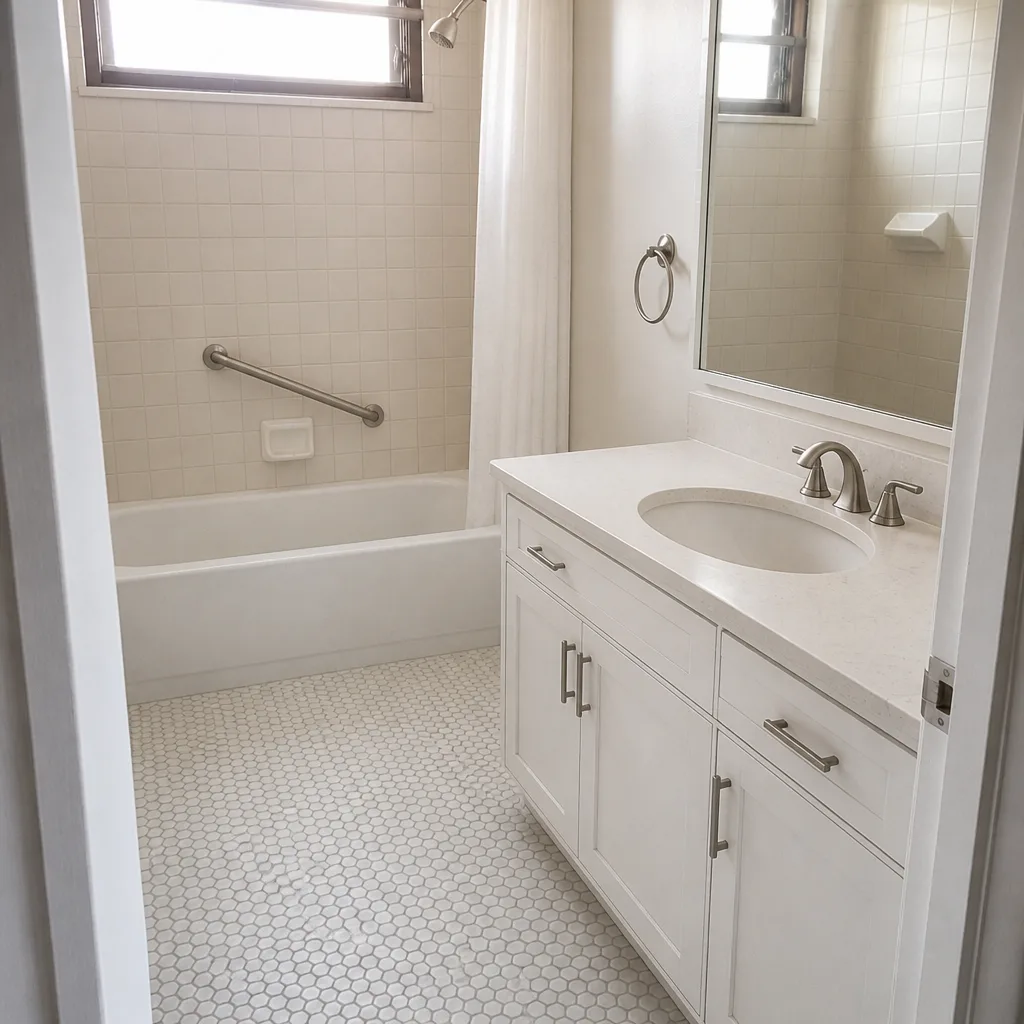 After
When to call a professional
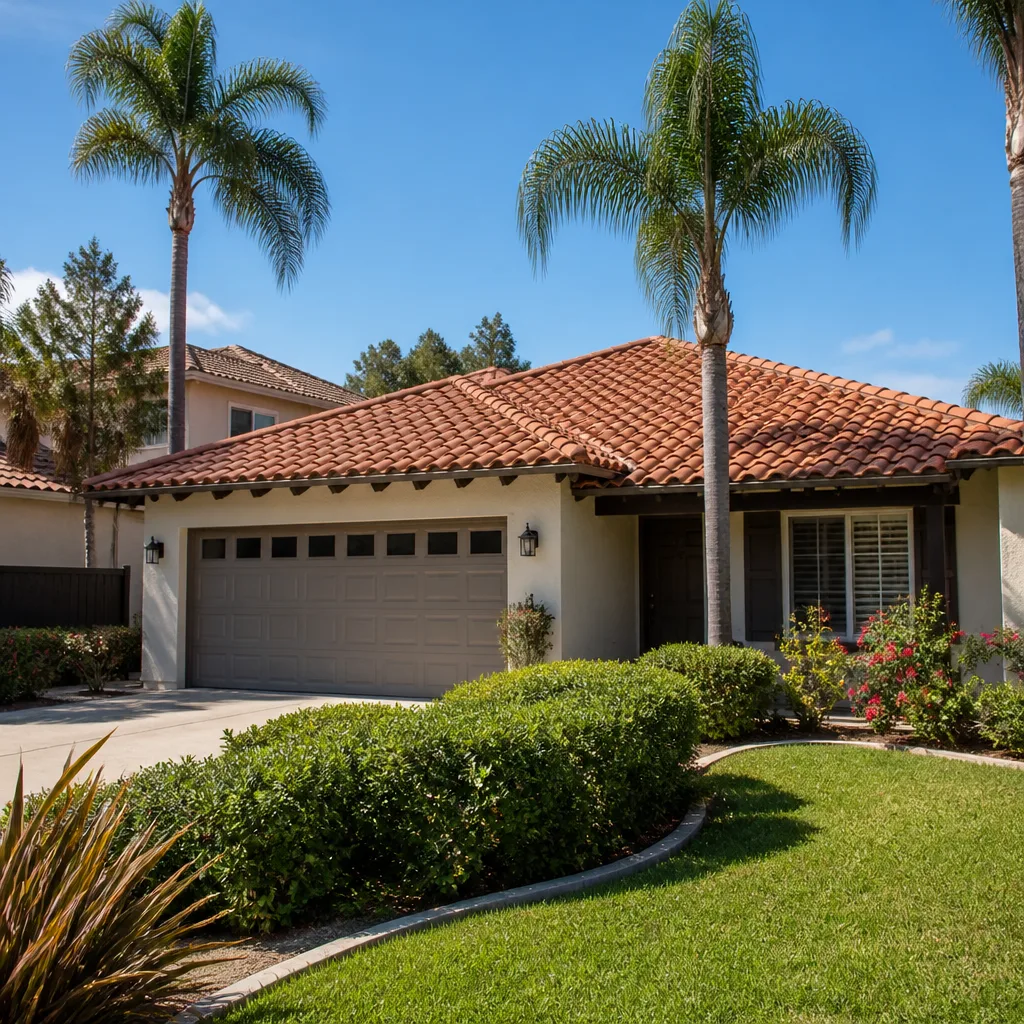
Some jobs are genuinely DIY territory: painting a fence, patching drywall, hanging a door. Others are not. Anything that touches structural framing, electrical panels, gas lines, or the roof deck should be handled by a licensed, insured professional, and that’s not a sales pitch, it’s a safety line. A roof at pitch over 6:12 is a fall hazard no homeowner should take on, and faulty electrical work causes house fires. If your project involves permits, engineering, or work that will sit behind drywall for the next twenty years, that’s the time to call a professional.
Barrett & Sons Construction San Jose offers free estimates in San Jose. Call (844) 320-5918 to walk through your project, whether you’re planning a Driveway & Pavers in San Jose project, a Fence Installation in San Jose, or something larger. We’ll show you our license, our insurance, and a written line-item bid, and you’re welcome to verify every piece of it.
Frequently Asked Questions
Use the California Contractors State License Board’s free online lookup at cslb.ca.gov. Search by license number, business name, or the contractor’s name, then confirm the status shows Active, the classification matches your job type, the bond amount is listed, and there’s no disciplinary history you’d want to ask about. If the license is inactive, expired, or the classification doesn’t fit the work, walk away. Call (844) 320-5918 if you’d like help interpreting what you find.
California law caps advance payment on a home improvement contract at 10% of the total price or $1,000, whichever is less. Anything above that before work begins is a red flag. A payment schedule tied to completed milestones, with a meaningful final holdback, is the structure that protects you. Call (844) 320-5918 for a free estimate with a clear payment schedule spelled out before you commit.
Most remodels that touch plumbing, electrical, mechanical, or structural systems require a permit through the City of San Jose’s planning and building department. Kitchen and bathroom remodels almost always trigger permits, and additions or ADUs certainly do. A contractor who tells you to skip the permit is protecting their schedule, not your home. Call (844) 320-5918 for a free estimate that includes permits in the scope.
A lien waiver is a document confirming a subcontractor or supplier has been paid for the work they completed, which protects your home from a mechanics lien. Before you make any progress payment, ask for conditional lien waivers from every trade working on the job. Without them, an unpaid supplier can place a lien on your property even after you’ve paid the contractor in full. Call (844) 320-5918 for a free estimate that includes lien waiver language in the contract.
You can’t know if a bid is fair until it’s a line-item bid naming specific materials, brands, and model numbers. Once three bids are itemized the same way, you can compare them on scope and materials rather than on total price alone. In our experience, the lowest bid often excludes permits, cleanup, or premium materials, and it becomes the most expensive one by the time it’s done. Call (844) 320-5918 for a free second opinion on any written estimate you’ve already received.
Refer back to the payment schedule you signed before work started. Payments should follow completed milestones, and any request outside that schedule should be supported by a written change order and a lien waiver. If a contractor asks for money outside the contract, don’t pay it until the paperwork exists. Call (844) 320-5918 if you want a free second opinion on what you’re being asked to sign.
The Bottom Line

Hiring a San Jose contractor isn’t about finding the lowest bid. It’s about verifying five things before anyone touches your property: an active CSLB license with the right classification, a live workers’ comp certificate confirmed by the insurer, a contract with written change-order and lien-waiver clauses, a line-item bid naming specific brands and models, and a payment schedule with a down payment under 10%. Every one of those checks takes minutes, and together they close the door on the most common contractor complaint in California. Do the verification once and you’ll spend the next twenty years in a house that was built right. Skip it and you’ll spend those years wishing you hadn’t.
Call (844) 320-5918 to schedule your free estimate. Barrett & Sons Construction San Jose pulls permits on every eligible job, puts every price change in writing before work happens, and offers a Free Second Opinion on Any Written Estimate you’ve already received.
Written by the team at Barrett & Sons Construction San Jose.