Last updated November 18, 2026




Free written scope consultation - allowances, timeline, and change-order rules on paper before a single trade is scheduled
Seasonal Construction Care for San Jose: Year-Round Homeowner’s Guide
San Jose rarely freezes, and that’s exactly the problem. Because we don’t get the hard freeze that forces homeowners in colder climates into a fall scramble, most San Jose homeowners skip the seasonal prep that prevents the most expensive repairs. Concrete that hasn’t been sealed since 2019 takes on the October rains and starts spider-cracking before Thanksgiving. Caulk around a south-facing window bakes through August, then leaks in the first storm. This guide walks you through what to check each season in San Jose, how our dry summers and wet winters actually stress different materials, and the one annual task almost everyone skips that adds years to flatwork.
Styles & brands we work with
- Kitchen remodeling
- Bathroom remodeling
- Home additions & ADU
- Roofing
- Windows & doors
- Driveway & pavers
- Fence
Quick Answer
San Jose’s seasonal care calendar is built around two forces: a long dry summer with intense UV and inland heat, and a wet winter that arrives fast in October and November. The core annual routine is to inspect and seal concrete, pavers, caulk, and drainage in fall before the first rain, watch flat and low-slope surfaces through winter storms, assess post-rain damage in spring, and protect asphalt, composite, and sealers from UV through summer. The single most-skipped task is re-sanding paver joints, which extends driveway and flatwork life by years.
Table of Contents
- Why San Jose’s “Mild” Climate Wears Homes Down Faster
- Fall (September-November): Seal It Before the Rain
- Winter (December-February): El Niño Versus Dry Years
- Spring (March-May): Post-Rain Damage Assessment
- Summer (June-August): UV and Heat on Inland San Jose
- The One Task Most Homeowners Skip: Re-Sanding Paver Joints
- Your Year-Round San Jose Maintenance Checklist
- Common Mistakes to Avoid
- When to Call a Professional
- Frequently Asked Questions
- The Bottom Line
Why San Jose’s “Mild” Climate Wears Homes Down Faster
Here’s the counterintuitive part. Homes in Buffalo and Minneapolis get inspected every fall because everyone knows winter is coming for them. Homes in San Jose don’t, because the weather never feels dramatic enough to warrant it. That false sense of security is what does the damage.
The real stress on San Jose construction comes from two things working against each other. First, an extended dry season. From roughly May through October, most of San Jose sees almost no rain, and the UV index stays high. Asphalt binder oxidizes and turns gray. Sealers break down. Exterior caulk loses elasticity. Wood and composite siding dry out and check. Second, when the rain does arrive, it arrives wet and fast. A single atmospheric river can drop a month’s worth of rain in a couple of days, and the ground has been hard and dry for months, so water runs off instead of soaking in. That runoff finds every unsealed joint, every cracked caulk line, every paver whose sand has washed out.
The neighborhoods where this shows up worst are the ones with the biggest temperature spreads. Evergreen and the Almaden Valley sit a few degrees cooler and see more morning moisture. The Barrett & Sons Construction San Jose home service area also includes the inland heat pockets – Berryessa, North San Jose, and the Cambrian area – where summer afternoons routinely run 15 to 20°F hotter than the coastal side of the county. Those inland homes take the UV hit hardest and the wet-winter hit second.
One more local factor: San Jose sits on expansive clay soils in a lot of neighborhoods, particularly in the flatland areas around Willow Glen and the Rose Garden. That clay swells when wet and shrinks when dry. A driveway slab or patio that isn’t properly sealed and edged gets worked by that movement twice a year, and that’s how hairline cracks turn into lifted panels and settled walkways.
Fall (September-November): Seal It Before the Rain
Fall is the highest-value season for San Jose homeowners, and it’s the one most people skip entirely. Everything you do in September and October protects the house through the wet months; everything you skip gets tested by the rain and fails.
What to inspect before the first rain:
- Concrete flatwork. Walk the driveway and patio and look for hairline cracks, spalling (flaking surface concrete), and any panel that’s dropped or lifted. Seal cracks with a proper concrete sealant before water gets in, freezes overnight in a cold snap, and widens them.
- Pavers. Check the joints. If the sand between pavers has washed out or dropped below the surface, the pavers can shift and rock once rain hits. This is the re-sanding task covered further down.
- Exterior caulk. Pay close attention to south- and west-facing windows and doors. Those get the most sun and the caulk is often already brittle. Probe it with a fingernail – if it’s hard, it’s failed.
- Drainage slopes. Walk the yard and confirm the soil slopes away from the foundation, not toward it. If you’ve added mulch or soil over the years, the grade may now pitch back toward the house. Correct it before the rain.
- Downspouts and gutters. Clear them and confirm they discharge at least a few feet away from the foundation. A downspout dumping water at the base of a wall is a slow foundation problem.
Run this inspection as a numbered walkthrough. Start at the driveway, work around the perimeter of the house, check the patio or deck, then finish with the drainage grade. Take photos so you can compare next spring. If a paver driveway or patio needs re-sanding or a panel needs lifting, our Driveway & Pavers in San Jose service covers that work before the wet season arrives.
Winter (December-February): El Niño Versus Dry Years
Not every San Jose winter looks the same, and what you monitor depends on which one you’re getting. An El Niño year brings repeated atmospheric rivers and saturates the ground. A dry La Niña-style year brings clear skies, cold nights, and almost no moisture, but it still stresses the roof and flat surfaces in different ways.
In a wet El Niño winter, watch for:
- Ponding on flat or low-slope roof sections. Standing water that sits more than 48 hours after the rain stops signals a drainage problem that needs correcting, not just a plug to pull.
- Water sheeting across a patio or driveway instead of running to a drain or the yard – a sign the slope has failed.
- Retaining walls showing wet stains or bulging. A saturated clay slope pushes hard against a wall, and this is when you’ll see problems.
- Gutter overflow at corners and any soffit staining, which tells you water is getting behind the fascia.
In a dry winter, watch for:
- Cold overnight temperature swings and frost on shaded surfaces, which can pop loose sealant.
- Sun exposure on flat roof membrane, which degrades faster when there’s no cloud cover.
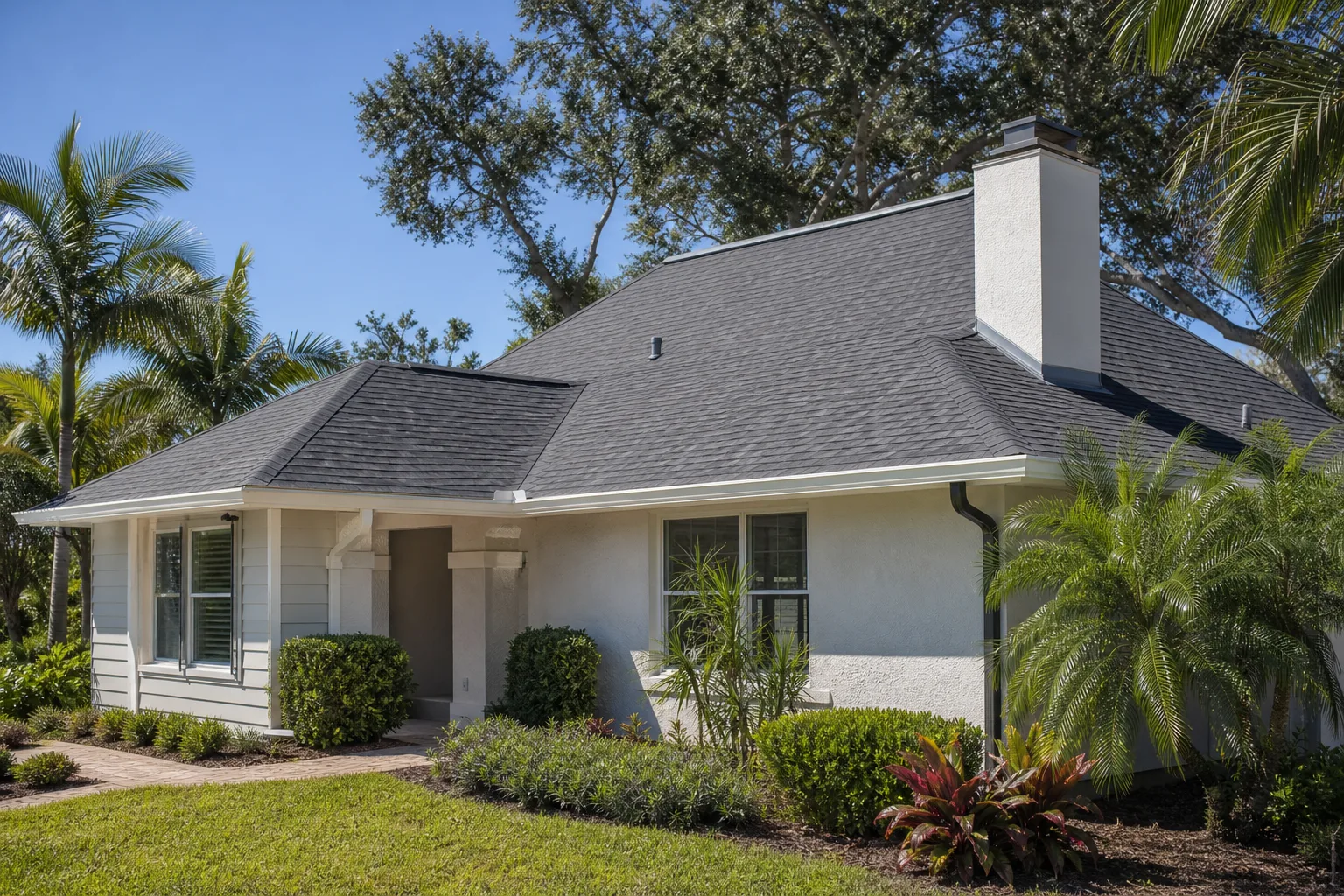
Low-slope and flat roof sections are where San Jose winters do their quiet damage. If you’re seeing recurring leaks at the same spot every season, it’s usually a section of roofing that needs real attention. Our Roofing in San Jose service includes a proper inspection before the next storm season.
Spring (March-May): Post-Rain Damage Assessment
By March, the rain has stopped and the damage – if there was any – has already happened. Spring is when you find it. This is the assessment season, and the goal is to catch a small repair before it becomes a foundation or structural bill.
Use this post-rain checklist:
- Walk every slab. Look for new cracks, settled panels, and lifted sections on the driveway, walkways, and patio. Mark any new cracks with chalk and check them again in two weeks to see if they’re growing.
- Inspect retaining walls. Look for soil stains below the wall cap, leaning sections, or any soil poking through the face. Those are signs the wall took a hit from saturated ground over the winter.
- Check downspout discharge points. The soil where the downspout empties will be visibly eroded or scoured if it’s been running hard. Add splash blocks or extend the discharge if erosion is showing.
- Re-check the caulk you replaced in fall. A caulk line that’s already pulling away in spring is a caulk problem or a water-behind-the-wall problem, and it’s worth finding out which.
- Look under the deck and around the foundation edge. Water stains, rot, or soft wood at the sill plate are spring findings, not summer ones – fix them now.
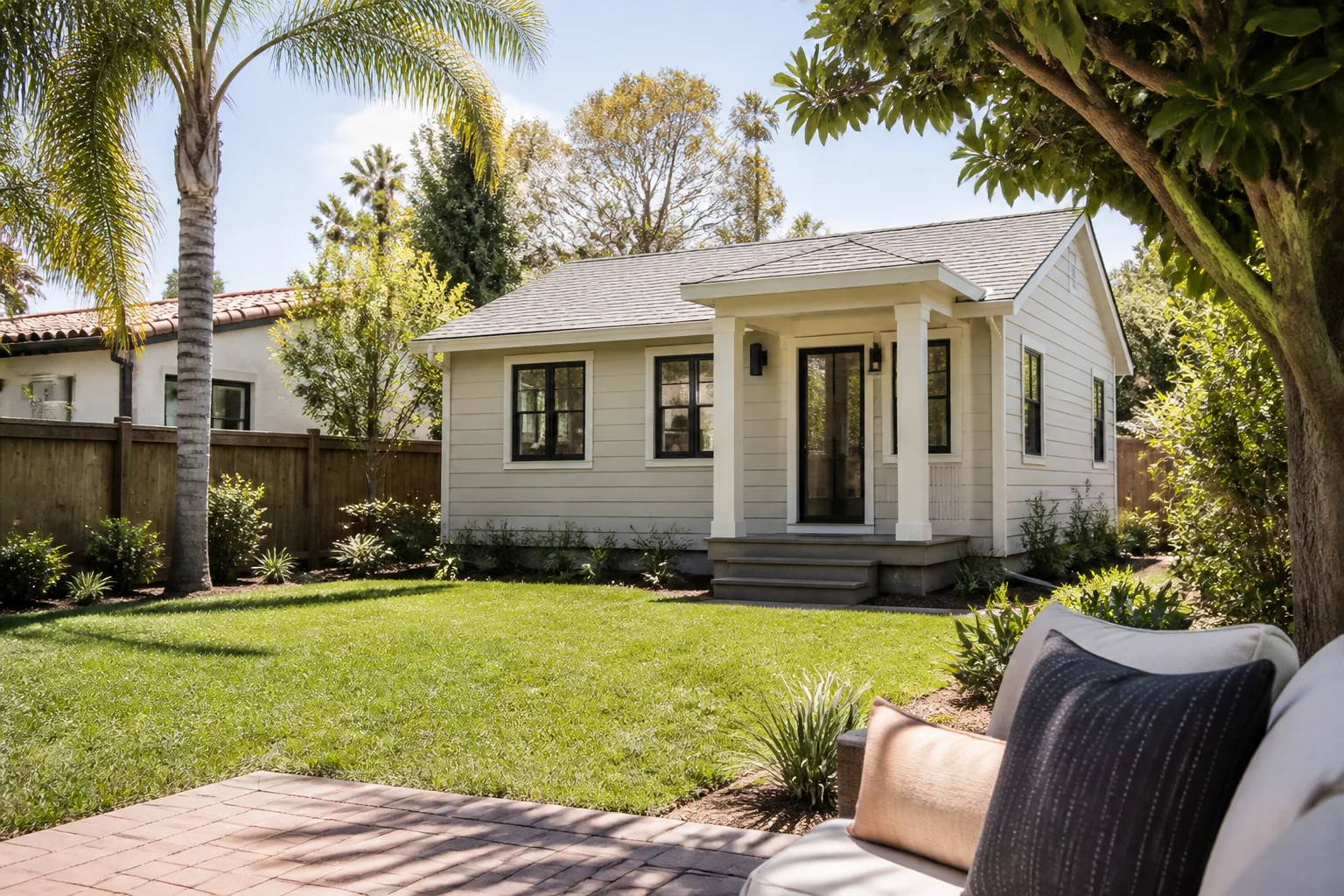
Spring is the season to plan the bigger work, too. If you’re considering an addition or an accessory dwelling unit, spring is when you want to be talking design and permits so construction starts in the dry months. Our Home Additions & ADU in San Jose service handles the permit and inspection side of that work.
Summer (June-August): UV and Heat on Inland San Jose
Summer in San Jose is a different animal depending on which side of the county you’re on. Coastal-side neighborhoods like Santa Teresa and the Almaden Valley see highs in the low 80s. Drive inland to Berryessa or North San Jose in July and you’re in the high 90s. That 20°F spread matters, because UV and heat are the two things that age exterior materials fastest.
On asphalt: UV oxidizes the asphalt binder, turning a new driveway gray within a couple of seasons. In the inland heat pockets, that happens faster. Seal coating on asphalt isn’t cosmetic – it’s a protective layer, and resealing every few years in inland San Jose is cheaper than letting the surface alligator-crack and repave.
On composite decking: Heat causes expansion, and a composite or Trex-style deck installed without proper gapping for expansion can buckle in an inland San Jose summer. Even existing decks show movement at joints in summer, so inspect the boards and the fasteners in June when the heat is on. Composite expands and contracts, and fasteners can back out over the years.
On sealers: Film-forming sealers on concrete and stone can yellow, blister, or flake under UV + heat. If your patio looks milky or you can peel a sealer flake off with a fingernail, it’s time to strip and reseal – and doing it in summer, before fall rains, is the right window.
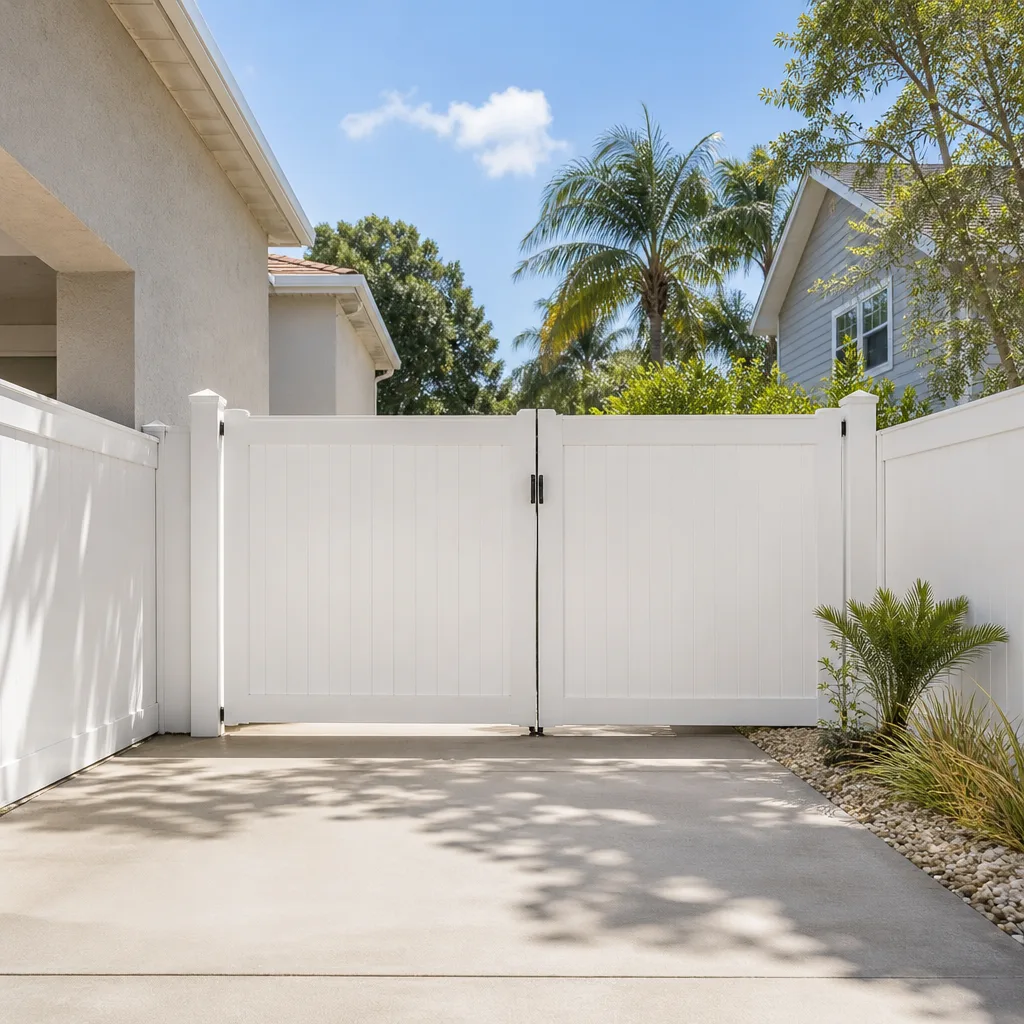
On fencing: Summer sun also takes its toll on fence panels and finishes, particularly on the west-facing side. If your fencing is wood or a vinyl product like Bufftech or ActiveYards, check for fading, cracking, and loose posts now, not after the winter wind. Our Fence Installation in San Jose service covers replacement and repairs.
The One Task Most Homeowners Skip: Re-Sanding Paver Joints
If you do nothing else in this guide, do this. Re-sanding paver joints once a year, in early fall, is the single most effective thing a San Jose homeowner can do to extend the life of a pavers driveway or patio – and it’s the task almost nobody does.
Here’s why it matters. Pavers are held in place by the sand in their joints. The pavers lock against each other laterally through that sand, and the sand also blocks water from reaching the bedding layer beneath. When the sand washes out – which happens every winter with heavy rain and runoff – the pavers lose their interlock. Some rock, some shift, and the whole field starts to move. Water gets under the pavers and starts eroding the base. By the time the pavers look visibly uneven, you have a job on your hands that’s much bigger than re-sanding.
The fix is straightforward and should be part of every San Jose fall. First, sweep the joints clear and pull out any weeds. Then apply a joint-stabilizing sand – polymeric sand has become the standard because it sets up when wet and resists washing out. Spread sand across the surface, broom it into the joints, and compact it. Then mist it to activate, following the product directions. Belgard and Unilock pavers both specify their own joint sand recommendations, so it’s worth checking. If your paver field hasn’t been re-sanded in several years, or if any pavers are rocking, it’s a job worth having a professional handle with proper compaction equipment.
Your Year-Round San Jose Maintenance Checklist
Here’s the full-year routine on one page. Treat each season’s items as a single walkthrough and you’ll stay ahead of the damage.
- September: Walk the driveway and patio. Seal cracks and spalls. Re-sand paver joints.
- October: Inspect exterior caulk at all windows and doors. Probe south- and west-facing lines. Replace failed caulk.
- November: Clear gutters and downspouts. Confirm drainage slopes and grade around the foundation. Take pre-winter photos.
- December-January: Check any flat or low-slope roof for ponding after storms. Watch retaining walls for signs of saturated ground movement.
- February: Inspect downspout discharge erosion points. Check fence posts and gates after the wet season.
- March: Full post-rain assessment – slabs, retaining walls, caulk, deck sills. Mark and monitor any new cracks.
- April-May: Plan any larger projects (pavers, roofing, fences, additions) so they’re scheduled before the dry season fills up.
- June-July: Inspect asphalt and seal if needed. Check composite decks for expansion and backing-out fasteners. Strip and reseal any failing concrete and stone sealers.
- August: Check fences for fading and loose posts. Look at caulk lines again after the summer UV peak.
Common Mistakes to Avoid
- Waiting for a “real winter” to do fall prep. San Jose doesn’t get a dramatic freeze, so most homeowners skip the sealing and caulking that protect the house. The rain doesn’t care that it wasn’t a cold winter – it finds the same cracks.
- Assuming one coat of sealer lasts forever. Concrete and stone sealers in inland San Jose break down faster than people expect because of UV and heat. If your sealant is more than a few years old, assume it needs stripping and resealing.
- Skipping paver re-sanding because “it looks fine.” The pavers look fine until the joint sand has been gone long enough for the base to erode. By then it’s a much bigger repair.
- Letting water pool against the foundation. Erosion at the downspout discharge point and any slight backward slope is a slow foundation problem. Fix the grade, not just the symptom.
- Using the wrong caulk. Cheap caulk fails quickly under San Jose’s UV. Elastomeric or high-quality polyurethane sealants hold up much longer on exterior joints.
- Putting off a retaining wall that’s showing movement. A saturated clay slope pushing on a bulging wall in February doesn’t get better. It gets worse, and the fix gets bigger.
- Ignoring the flat roof in the dry season. A dry winter is the time to address membrane wear, not after a wet winter reveals a leak.
When to Call a Professional
Some seasonal care belongs on your Saturday list. Some of it belongs in the hands of someone who knows what a failing retaining wall or a degrading roof membrane actually looks like underneath. Call a professional when a paver field is rocking or uneven, when any retaining wall leans or bulges, when you see recurring stains on a ceiling or soffit, or when you can’t tell whether a crack is cosmetic or structural. Those are the areas where I’d rather catch it early than bury a bigger bill later.
Crews who’ve seen hundreds of San Jose driveways, patios, and roofs can spot a failing base or a bad slope by eye; our technicians have up to 28 years of experience across pavers, roofing, and exterior work. Barrett & Sons Construction San Jose offers free estimates in San Jose – call (844) 320-5918. If you already have a written estimate from another contractor, we’ll give you a free second opinion on it. Every eligible job comes with permits pulled, a written change order before any price change, and the 90-Day Done Right Promise.
Frequently Asked Questions
Fall prep matters most: sealing concrete cracks, re-sanding paver joints, replacing failed caulk, and confirming drainage slopes before the first rain in October. Those four tasks prevent the most expensive repairs because they’re the ones that keep water out of materials that sit under it all winter. Call (844) 320-5918 for a free estimate on any of them.
Yes. The mild climate is exactly why homes get neglected. An extended dry season with high UV ages asphalt, sealers, caulk, and composite before the wet season arrives, and then a fast, heavy winter puts hard, dry ground and unsealed joints to the test. The damage is less dramatic than a hard freeze but it adds up just as fast.
Once a year, in early fall. Polymeric sand breaks down and washes out under winter rain and summer UV, and once the joint sand is gone, the pavers lose their interlock and start to shift. Annual re-sanding with a joint-stabilizing sand is the single best thing you can do for a paver driveway or patio.
Look at any flat or low-slope sections for ponding that lasts more than a day after rain, check gutters and downspouts for overflow, look at soffits and fascia for staining, and scan ceilings indoors for watermarks. Any recurring leak at the same spot needs an inspection rather than a patch. Call (844) 320-5918 to schedule an estimate.
For concrete and pavers, fall is best, before the rain starts. For asphalt, late summer to early fall works well because it’s warm enough for the product to cure properly and it settles in before the wet season. Sealers used in San Jose need to be matched to the surface and the season.
Washed-out joint sand lets the pavers lose their interlock, and water gets under the pavers and erodes the base. If the base has failed, the pavers need to be lifted, re-bedded, and compacted, not just re-sanded. That’s a job for a professional with proper compaction equipment.
When the work requires a permit, yes – we pull permits and get inspections signed on every eligible job. Small repairs like caulk replacement or paver re-sanding usually don’t require one. Call (844) 320-5918 and we’ll tell you straight whether your job needs a permit.
The Bottom Line
San Jose doesn’t punish you with a freeze, so it punishes you with neglect instead. The fix is a simple, repeatable year-round routine. Inspect and seal in fall, and re-sand your paver joints every year. Monitor flat surfaces and retaining walls through winter storms. Assess post-rain damage in spring. Protect asphalt, composite, and sealers from UV in summer. None of it is dramatic, and all of it is cheaper than the repair it prevents. If any of it looks bigger than a Saturday project, call (844) 320-5918 for a free estimate from Barrett & Sons Construction San Jose. The estimate costs nothing, and the conversation is worth having before the next rain rather than after.
Written by the team at Barrett & Sons Construction San Jose.
See the difference
 Before
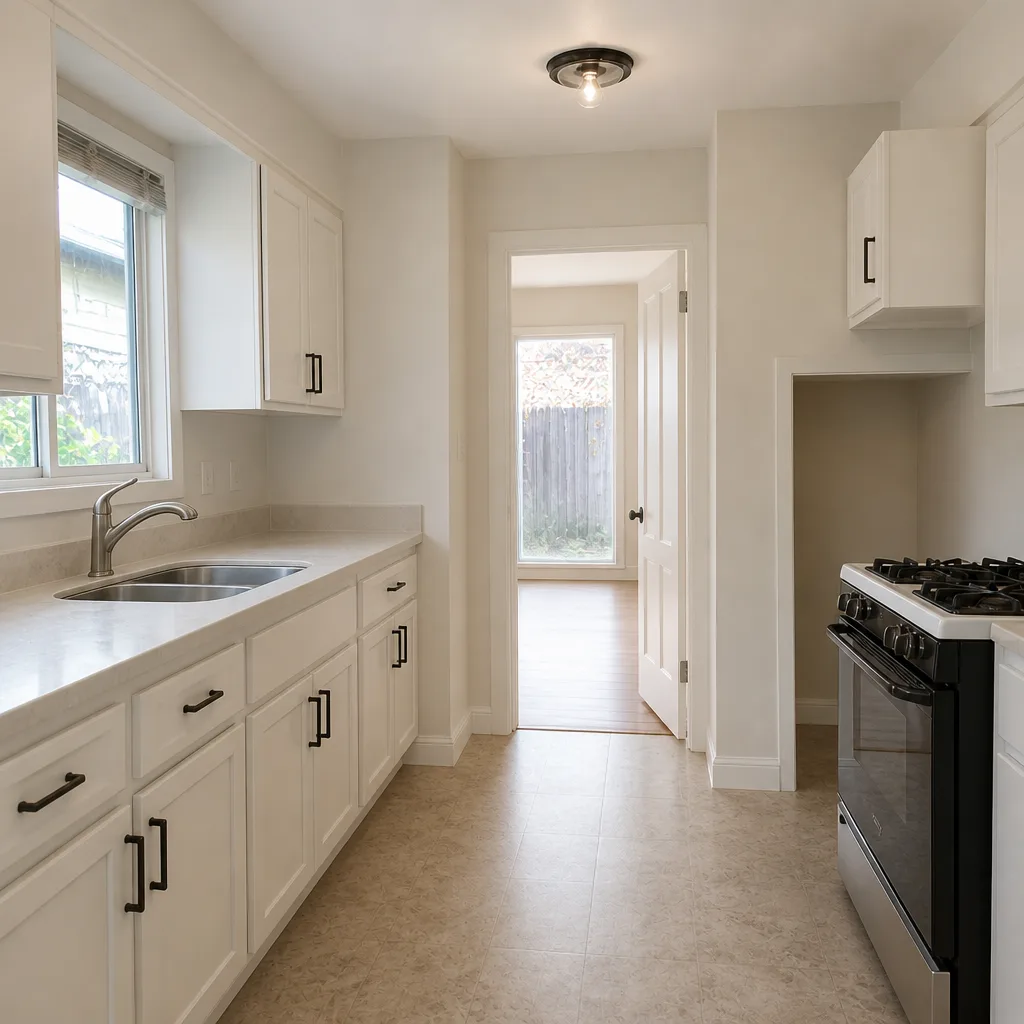 After
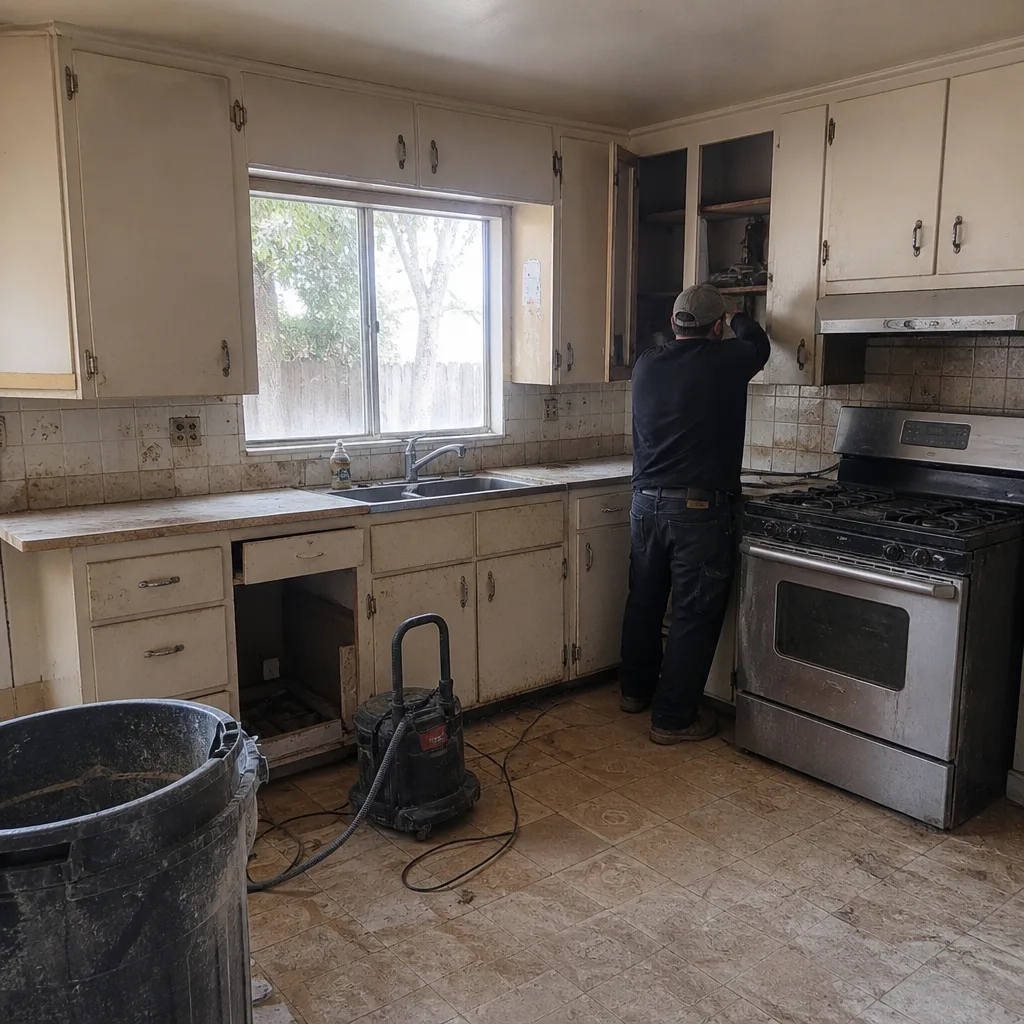 Before
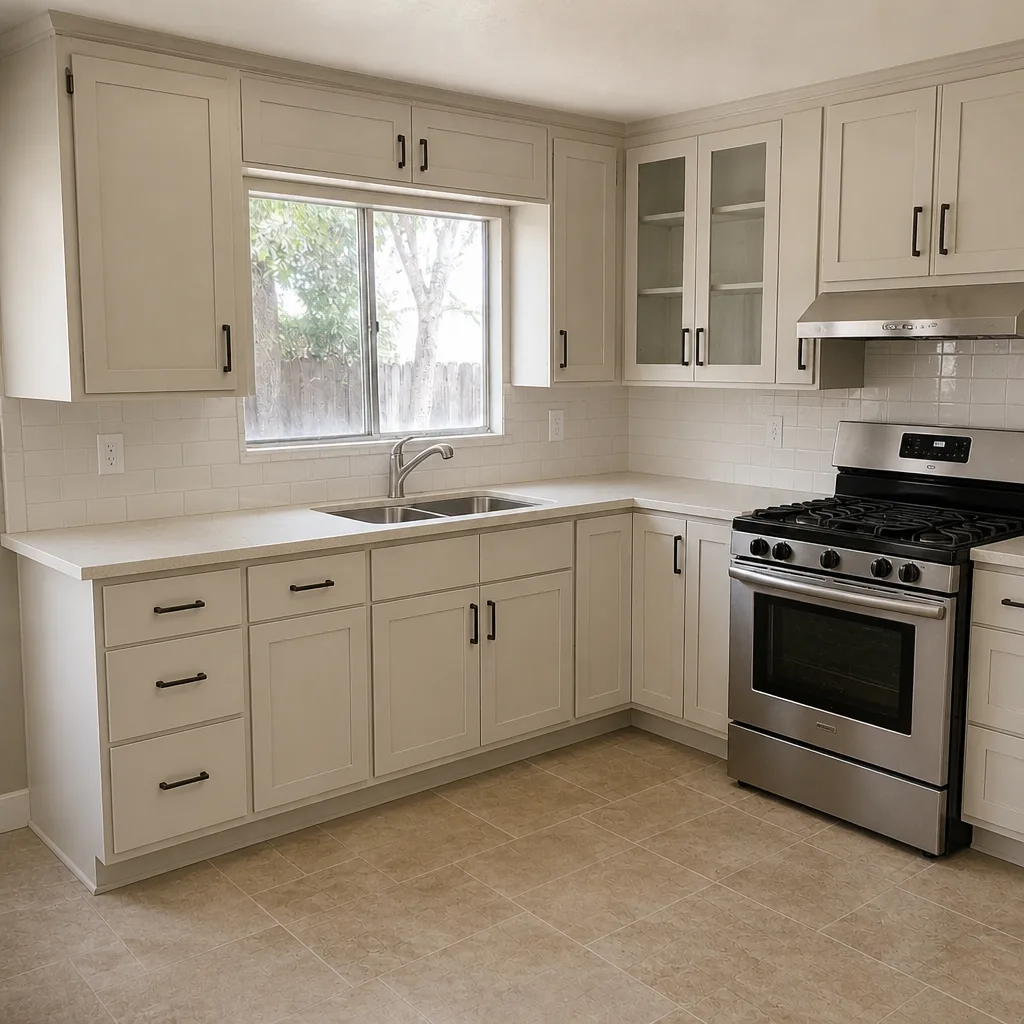 After
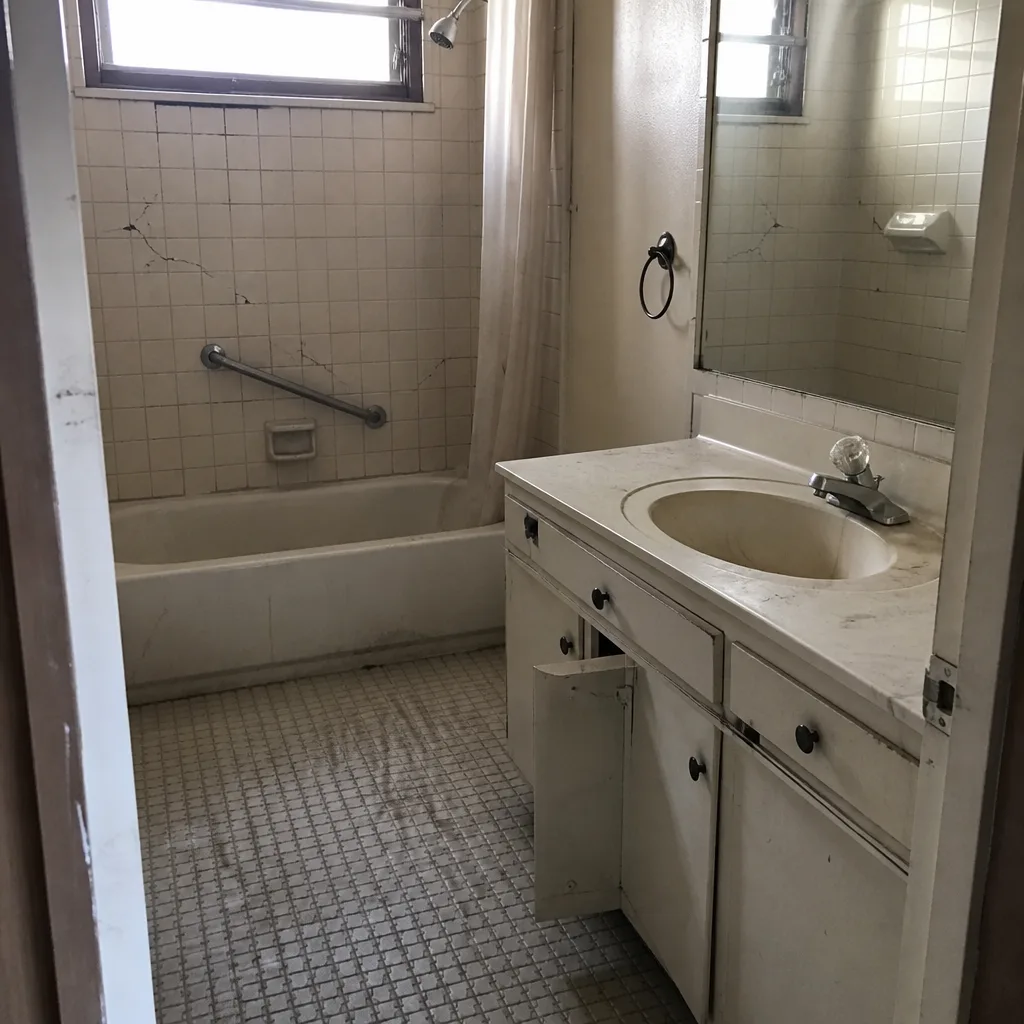 Before
 After