Last updated November 18, 2026
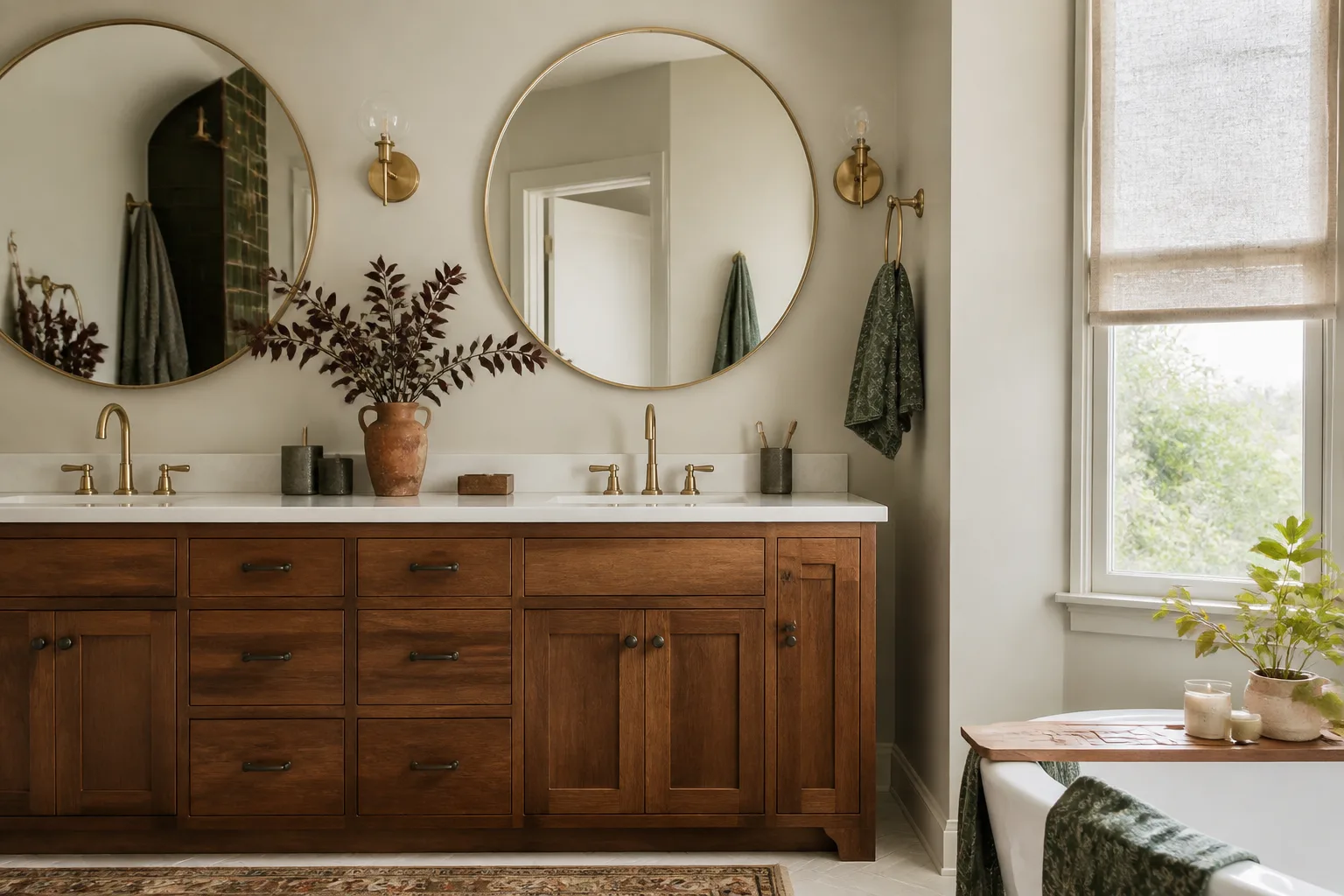
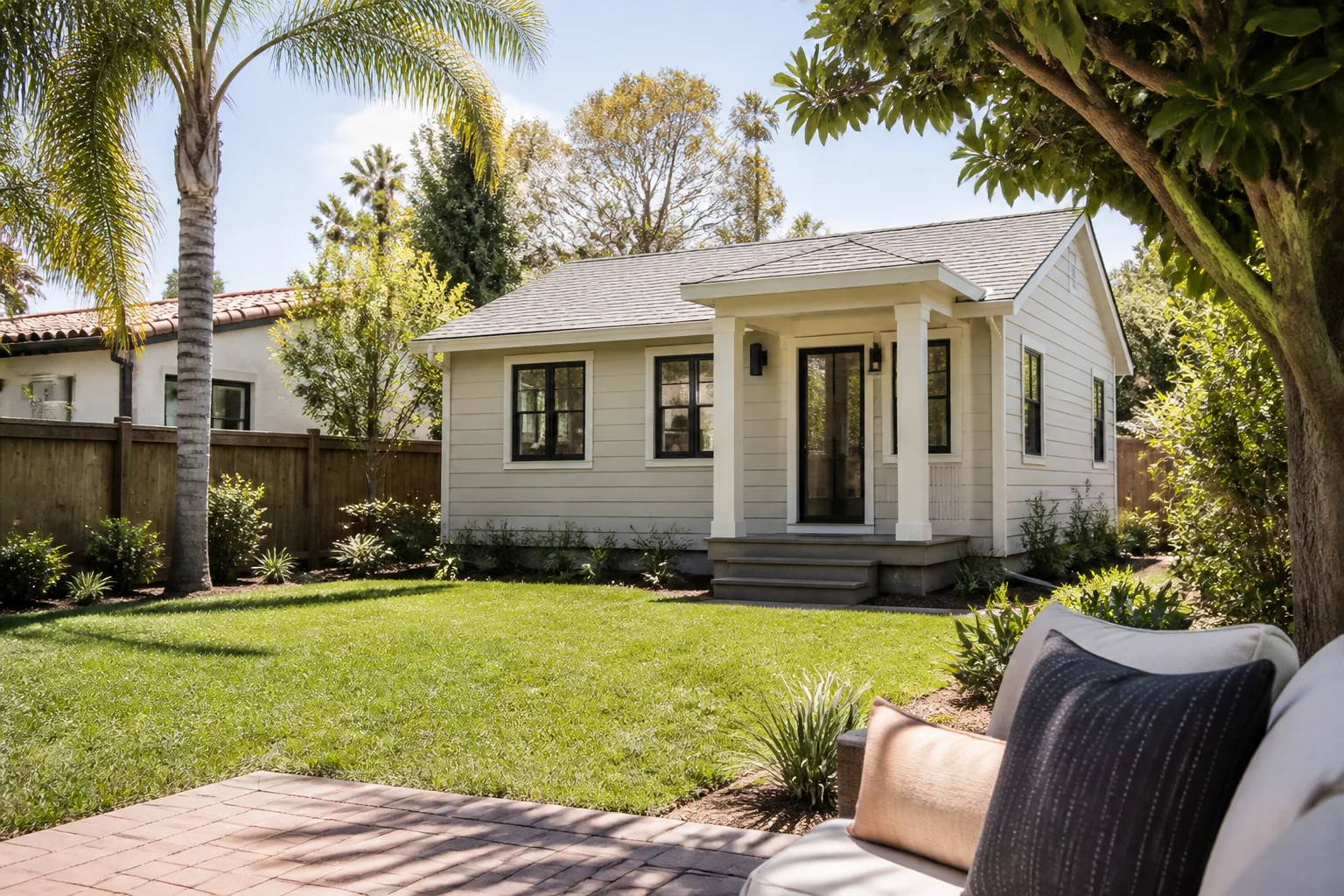
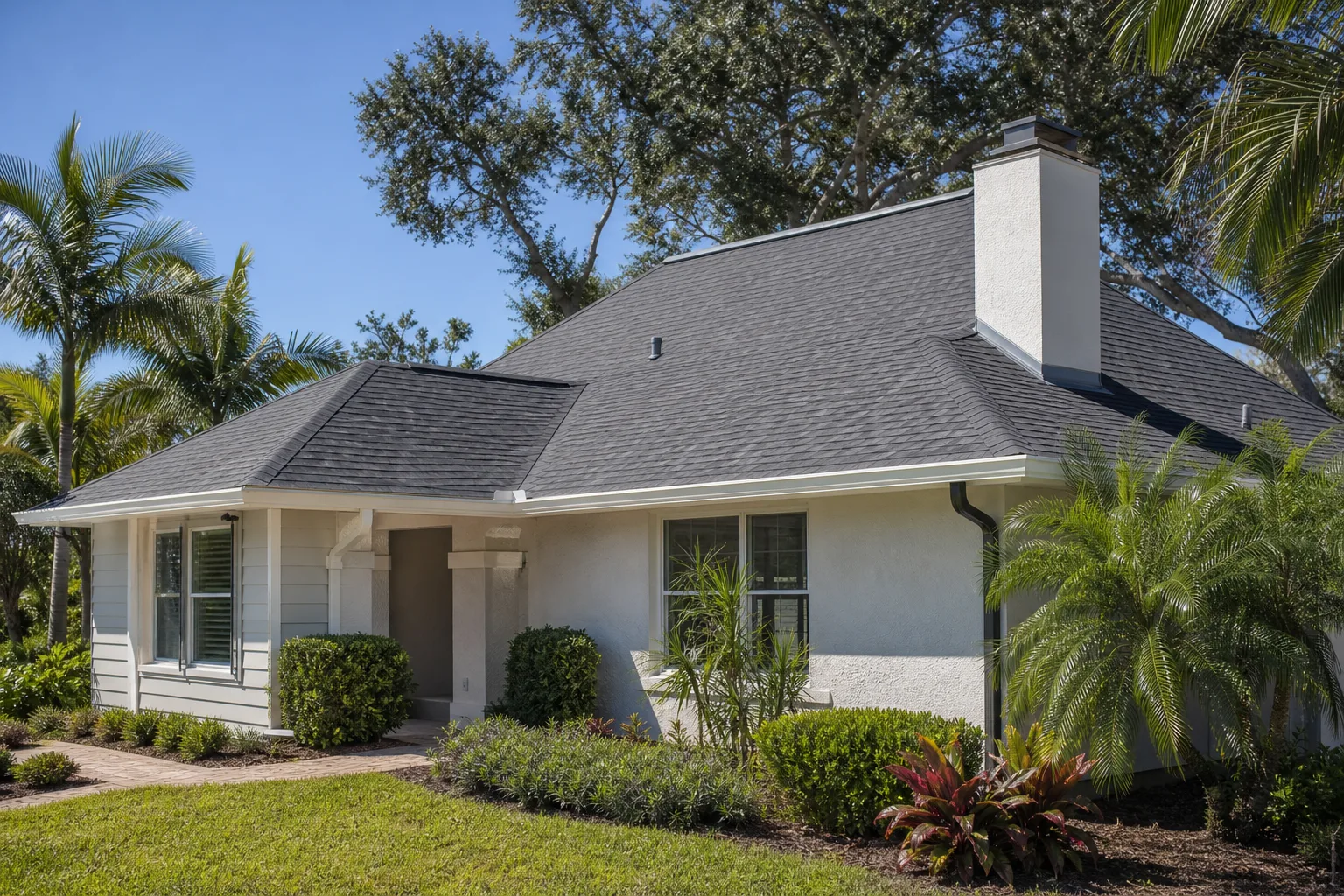
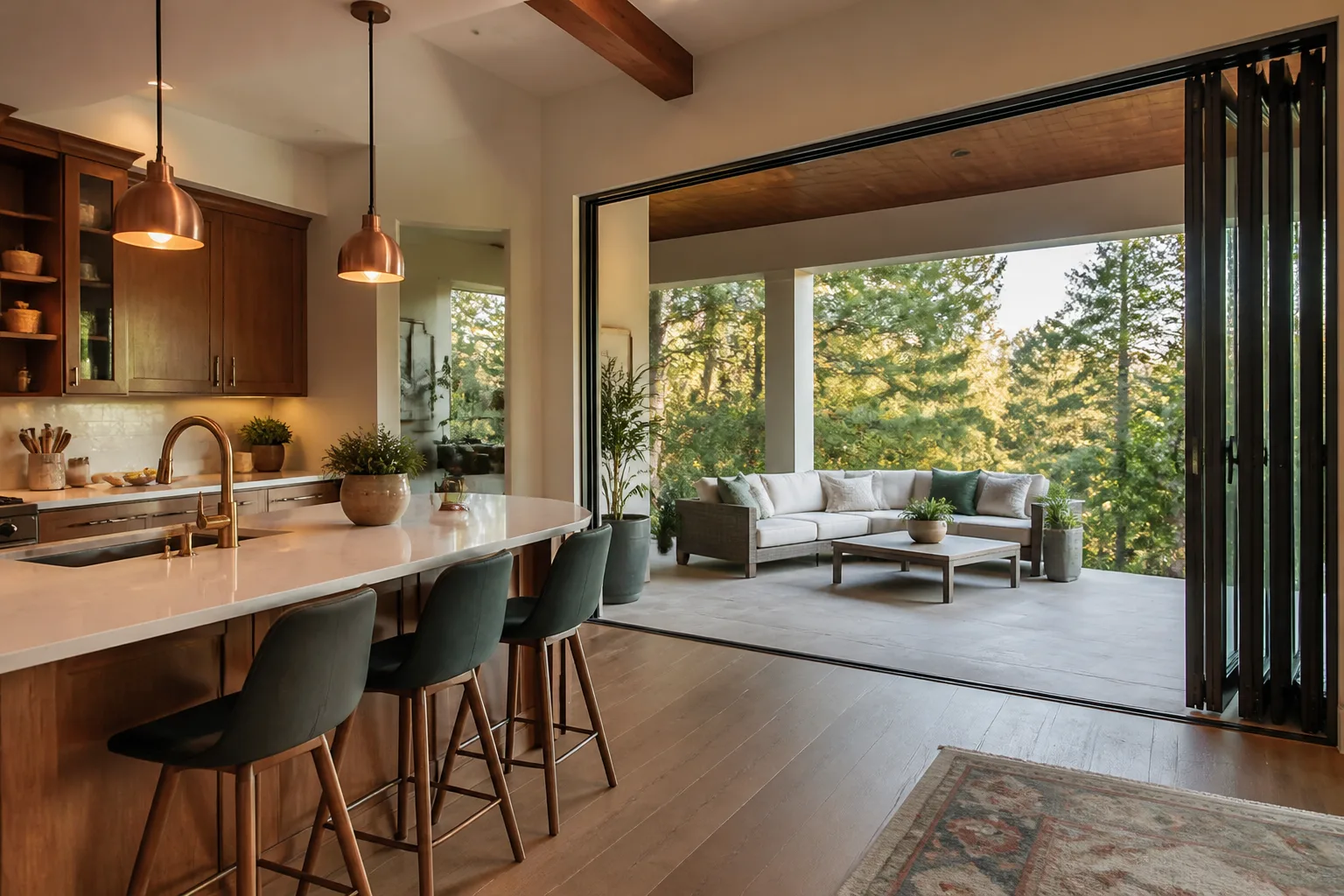
Free written scope consultation - allowances, timeline, and change-order rules on paper before a single trade is scheduled
Choosing the Right Construction Brand: A Buyer’s Guide for San Jose
Two driveways go in the same week on the same block in Willow Glen. Same square footage, same price on the invoice, same three-day install. On Day 1 they look identical. On Day 1,000, one still drains clean and one has a settled corner you trip over every time you back out. The difference wasn’t the crew or the price. It was the base mix under the pavers and the sealer on top, and nobody wrote either one down. That’s what this guide is about: how the brand names on your contract tell you more about a job’s future than any handshake promise ever will. We’ll show you how to read a materials list in San Jose, what to ask, and how to check that what got delivered is what you paid for.
Quick Answer
The right construction brand is the one named in writing on your contract, with the exact product line and a verifiable delivery slip behind it. In San Jose, that means premium brands specified by PSI rating, absorption rate, and warranty – GAF or CertainTeed on roofs, Belgard or Techo-Bloc on hardscapes, KraftMaid and Cambria in kitchens – not the vague phrase “quality materials.” If a contractor can’t name the product and the spec, they haven’t chosen it yet.
Styles & brands we work with
- Kitchen remodeling
- Bathroom remodeling
- Home additions & ADU
- Roofing
- Windows & doors
- Driveway & pavers
- Fence
Table of Contents
- Why Brand Specification Matters More in Hardscape Than Almost Anywhere
- How to Ask a Contractor to Name the Brands They’ll Use
- Paver Brands for San Jose: PSI Rating and Absorption Rate
- Contractor-Grade vs. Premium Sealer: The Year-Three Difference
- The Delivery Slip Check: Verifying Materials Actually Arrived
- Roofing and Window Brands: What the Spec Sheet Reveals
- Reading the Contract: Allowances, Change Orders, and Brand Lines
- San Jose Climate, Soil, and Code: Why Local Brand Choices Differ
Why Brand Specification Matters More in Hardscape Than Almost Anywhere
Inside your house, you can see the work for years. You watch the cabinet doors, the faucet, the tile grout line every morning. Hardscape is different: once the pavers are laid over the base and the joints are swept, roughly 80% of the job is buried. The base aggregate, the compaction, the geotextile fabric, the drainage slope – all of it disappears under the surface you actually walk on.
That’s why brand specification matters so much for a driveway or patio. When the visible part is the only part you can inspect, the invisible part has to be trustworthy by name.
A base mix specified by an engineer (say, a Class II aggregate base at a stated depth and compaction) behaves differently than “whatever the batch plant was running.” The paver itself may be identical. The failure, if there is one, happens underneath. In San Jose, where clay-heavy soils in neighborhoods like Almaden Valley and Cambrian expand and contract with the wet-dry swing, the base isn’t a formality – it’s the whole job.
- Base aggregate: graded, specified, and compacted in lifts – not dumped and raked
- Geotextile fabric: separates base from subgrade soil and limits migration
- Edge restraint: the aluminum or concrete edge that keeps pavers from spreading
- Joint sand: polymeric vs. plain – affects weed growth and stability
- Sealer: the topcoat you never think about until year three
When you hear “we use quality materials,” that’s not a specification. It’s a placeholder. A brand name and a product line – “Driveway & Pavers in San Jose using Techo-Bloc Blu 60 at 8 cm, Class II base at 6 inches compacted” – is a specification. One can be verified at delivery. The other can’t.
How to Ask a Contractor to Name the Brands They’ll Use
This is the single most useful conversation you can have before you sign anything, and it takes about four minutes. The way the contractor answers tells you almost everything about how they run the job.
- Ask for brand names, product lines, and specs – all three. “Which paver brand, which line, and what PSI?” A confident contractor names Belgard or Techo-Bloc, the specific line, the thickness, and the base spec without reaching for a binder.
- Ask where the materials come from. A local supplier in San Jose or the South Bay means fast replacement if a pallet shows up short or damaged. “Our supplier” with no name is a warning sign.
- Ask what happens if the specified product is back-ordered. A good answer includes a written substitution request with a comparable product line – not a quiet swap on install day.
- Ask for the brand on the warranty. Paver manufacturers publish their own warranties (often 10 years to lifetime, depending on line). If the contractor can’t tell you the manufacturer’s warranty terms, they may not be installing that manufacturer’s product.
- Watch for the waffle. “Contractor-grade,” “commercial-grade,” and “premium quality” are phrases, not products. If the answer never lands on a name, the materials haven’t been chosen yet.
In our experience, the vague answer usually means one of two things: the contractor is buying whatever’s cheapest that week, or they haven’t priced the job carefully enough to know yet. Neither is what you want under your driveway. When Barrett & Sons quotes a job in San Jose, the brand and line go on the proposal, and the proposal becomes the contract. If the product changes, you get a written change order before it happens – not a phone call after the pallets are dropped.
Paver Brands for San Jose: PSI Rating and Absorption Rate
Concrete pavers are graded by compressive strength (PSI) and absorption rate (how much water the paver takes in). Both matter in San Jose’s wet-dry climate, where a paver might sit through a soaking January storm and then bake in a dry, sunny July.
- PSI rating: Standard residential concrete pavers run around 7,000-8,000 PSI. Premium lines from Belgard and Techo-Bloc often exceed 8,000 PSI. Driveway applications – cars, trucks, RVs – demand the higher end.
- Absorption rate: The lower, the better. Under 5% absorption limits freeze-thaw and moisture damage. Premium manufacturers publish their absorption numbers; commodity pavers often don’t.
- Thickness: 60 mm is common for patios and walkways; 80 mm is the better choice for driveways and any surface a vehicle rolls onto.
- Color and finish: higher-end lines use through-body pigment or face-mix processes that resist fading and chipping far better than commodity coloring.
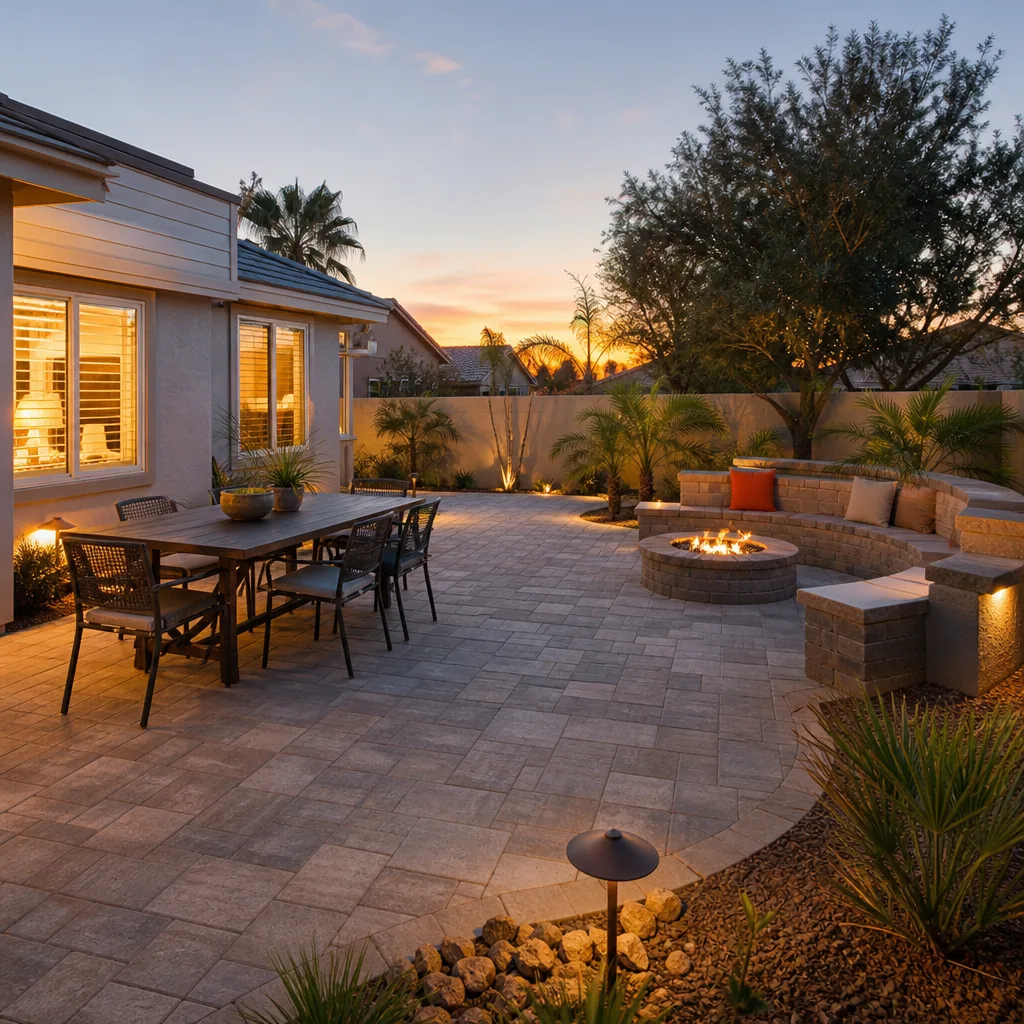
Belgard and Techo-Bloc are the two lines we most often install on San Jose driveways and patios. Both publish their specs. Both back their products with manufacturer warranties. Both are known quantities you can look up before you sign.
If you’re weighing a paver driveway against another surface entirely, it’s worth comparing the underlying brands at the same time. Our guide on Fence Installation in San Jose walks through a similar brand question in a different trade – and the principles carry over.
Contractor-Grade vs. Premium Sealer: The Year-Three Difference
Here’s where the paver brand gets undone by the wrong topcoat. Sealer is the last thing applied to a hardscape job, and it’s the first thing that fails when the contractor cut a corner.
Contractor-grade sealers are cheaper per gallon and faster to apply. They look great on Day 1. By year three, on a San Jose driveway that gets full summer sun and winter rain, they often haze, flake, or disappear unevenly – and the pavers underneath start taking on moisture and staining. Premium sealers cost more, cure harder, and hold their color. They’re the difference between a surface that needs resealing every four to five years and one that gets you closer to a decade.
Two things to ask:
- Which brand and which line? Not “sealer” – the actual product name.
- Solvent-based or water-based? Both have a place. Premium solvent-based sealers generally penetrate deeper on concrete pavers; water-based products dry faster and have lower VOC. Either can be a good choice if it’s a premium line.
The gap shows up around year three, and it shows up in the joints and edges first. If your driveway starts fading at the border within a few years of install, the sealer was the weak link – not the pavers.
The Delivery Slip Check: Verifying Materials Actually Arrived
You don’t need to hover over the crew. You do need one habit: match the delivery slip to your contract.
- Ask to see the slip on delivery day. Every legitimate supplier provides a delivery ticket with product name, quantity, and often the line or SKU. A contractor with nothing to hide will show you.
- Compare the brand name and line. The slip should match your contract exactly – same manufacturer, same product line, same thickness, same color code.
- Count the quantity. Pavers, bundles of shingles, windows – each arrives in a stated quantity. If the slip shows 80% of what the contract called for, that’s a conversation before install starts, not after.
- Photograph the slip. A quick phone photo of each delivery ticket, filed alongside your contract, gives you a paper trail if anything goes sideways later.
- Note the supplier. A named local supplier – not “our guy” – lets you call the vendor directly if there’s a question.
On roofs, the same logic applies at the bundle level. GAF and CertainTeed shingles have distinct color codes and product lines, and the delivery slip will state them. On windows, Andersen and Marvin products arrive with manufacturer labeling on each unit. A contractor who welcomes the delivery check has nothing to worry about. A contractor who bristles at it told you something too.
Roofing and Window Brands: What the Spec Sheet Reveals
Roofing is similar to hardscape in one critical way: the visible product hides a lot of the work. The underlayment, flashing, ice-and-water shield, and ventilation – none of it is something you’ll inspect from the ground once the shingles are down. That’s why the brand on the shingle and the brand on the underlayment both matter.
GAF and CertainTeed are the two shingle brands we most often install on San Jose roofs. Both publish system warranties (some warrant the full roof assembly, not just the shingles) that only apply when the full system – underlayment, starter strip, ridge vent, and shingles – is installed to the manufacturer’s spec. A contractor installing GAF shingles over a commodity underlayment is not giving you the GAF warranty, even if the shingles say GAF.
Windows follow the same rule. Andersen and Marvin publish performance ratings (U-factor, SHGC, air infiltration) for every line they sell. When we quote a window replacement on a San Jose home, the window line and the performance numbers go on the proposal. Homeowners who want to compare can look up the same numbers on the manufacturer’s site in five minutes.
If a window or roof job is part of a larger project – a kitchen bump-out, an ADU, an addition – the brand decisions multiply. Our overview of Home Additions & ADU in San Jose walks through how brand selection and scope interact when multiple trades are involved.
Reading the Contract: Allowances, Change Orders, and Brand Lines
An allowance is a placeholder dollar amount in your contract for something the contractor hasn’t finalized yet – tile, fixtures, countertops. In a well-written contract, every allowance is itemized with a brand tier and a realistic range. In a poorly written contract, the allowance is a number that ends up costing you 30% more when you actually pick something.
The rule we live by: an allowance that isn’t on paper is a surprise waiting for a date. If the contract says “$2,000 for kitchen faucet” with no brand, no allowance range, and no substitution process, you’re going to discover what that means when you’re picking a Kohler versus a Moen versus a Delta at the showroom. (Premium fixtures like Blanco sinks, Kohler faucets, Moen and Delta trim all have distinct price tiers – the brand decision IS the allowance decision.)
What strong contracts include:
- Named brands and product lines for every material decision on the job
- Allowance line items with a defined tier (e.g., “mid-range Moen or Delta faucet, allowance $350”)
- A written change order process – no scope change, substitution, or price adjustment without a signed change order before work happens
- Permit and inspection language – which permits the contractor pulls and which inspections the job requires
- A written workmanship warranty with terms stated in full, not buried in the fine print
Permits matter more than most homeowners realize in San Jose. The Santa Clara County permit system requires permits for structural work, additions, electrical, and much of the roofing and window work done on older homes. A contractor who says permits are optional is telling you their materials aren’t going to be inspected – and the inspector works for you, not for them. That’s why we like the inspector. A signed inspection is a third-party confirmation that what’s behind the drywall or under the shingles was built right.
San Jose Climate, Soil, and Code: Why Local Brand Choices Differ
San Jose sits in a climate that punishes the wrong material choices. Summer sun is strong and long. Winter rain comes in concentrated bursts. Spring and fall bring wide day-night temperature swings. Beneath all of it, much of the city is built on clay-heavy soils that expand with moisture and shrink when dry.
That combination drives the brand choices a local contractor makes:
- Pavers with low absorption and high PSI far outlast commodity products in the wet-dry cycle
- Roofing systems built for sun exposure need correct ventilation and quality underlayment, not just quality shingles
- Windows with good U-factors earn their price in neighborhoods like Evergreen and Almaden Valley where afternoon sun is intense
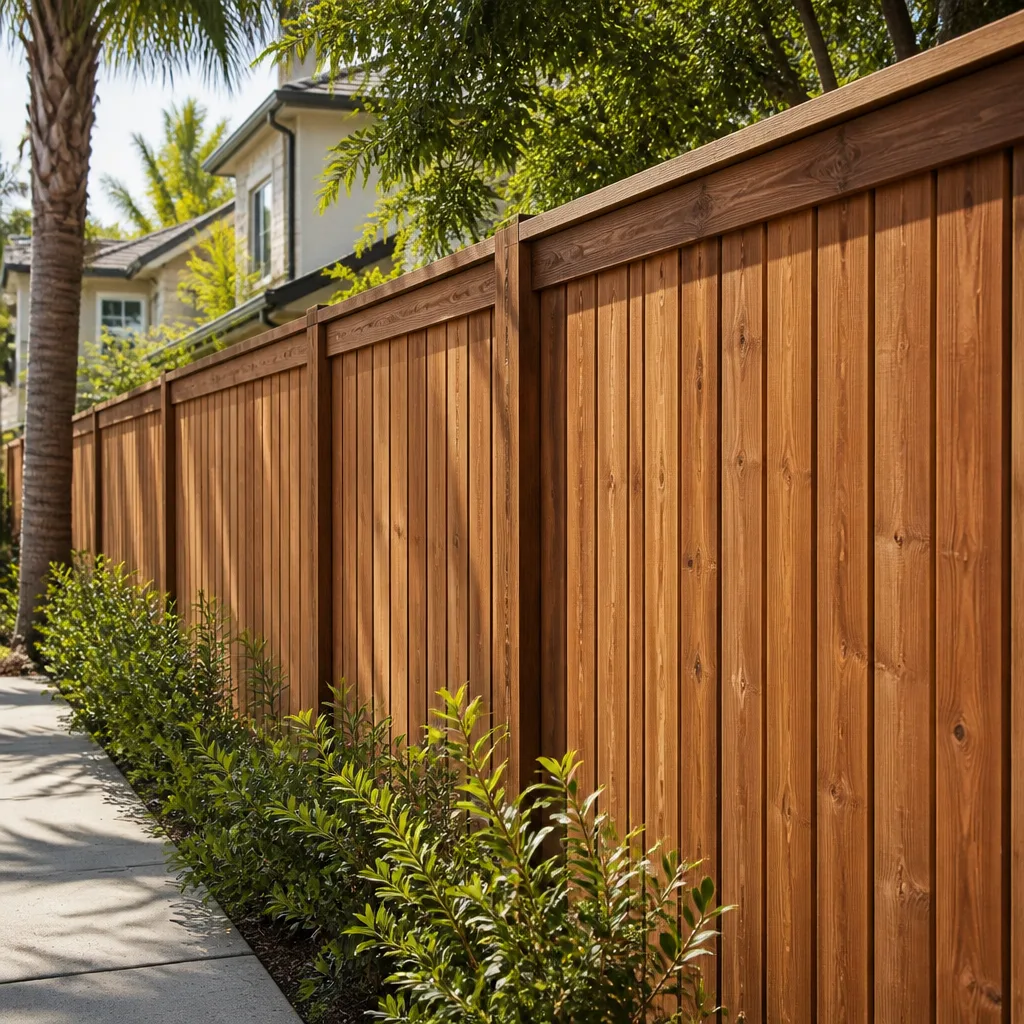
- Fences need pressure-treated or cedar materials matched to clay soils and wind exposure – not just whatever the supplier has on sale
Code matters too. San Jose and Santa Clara County have specifics on drainage, setback, and structural requirements that vary by neighborhood and property. A construction brand worth hiring knows the local code branch by name and pulls permits on every eligible job – because the last contractor most customers used told them permits were optional.
Common Mistakes to Avoid
- Accepting “quality materials” as an answer. It’s not a brand, it’s not a spec, and it can’t be verified at delivery. Ask for the product name and line every time.
- Skipping the delivery slip check. In San Jose, where paver base failures on clay soils are common, verifying what actually showed up is half the job. If the slip doesn’t match the contract, stop and ask before install starts.
- Under-budgeting allowances. A $1,500 kitchen faucet allowance sounds generous until you fall in love with a Kohler line at $2,200. Set realistic allowance ranges with a defined brand tier before you sign.
- Letting scope changes slide. In Almaden Valley and Willow Glen remodel projects, one quiet substitution becomes two, and two become a surprise invoice at the end. Every change should arrive as a written change order before work proceeds.
- Overlooking the sealer and underlayment. The visible product is the shingle or the paver, but the roof assembly and the sealer are what fail first. Specify both.
- Hiring a contractor who skips permits. San Jose and Santa Clara County permit requirements aren’t optional. Skipped permits mean un-inspected work – and a paper trail problem for you at resale.
- Not asking about the manufacturer’s warranty. GAF, CertainTeed, Andersen, Marvin, Belgard, and Techo-Bloc all publish their own warranties. If the contractor can’t walk you through them, they may not be installing those products.
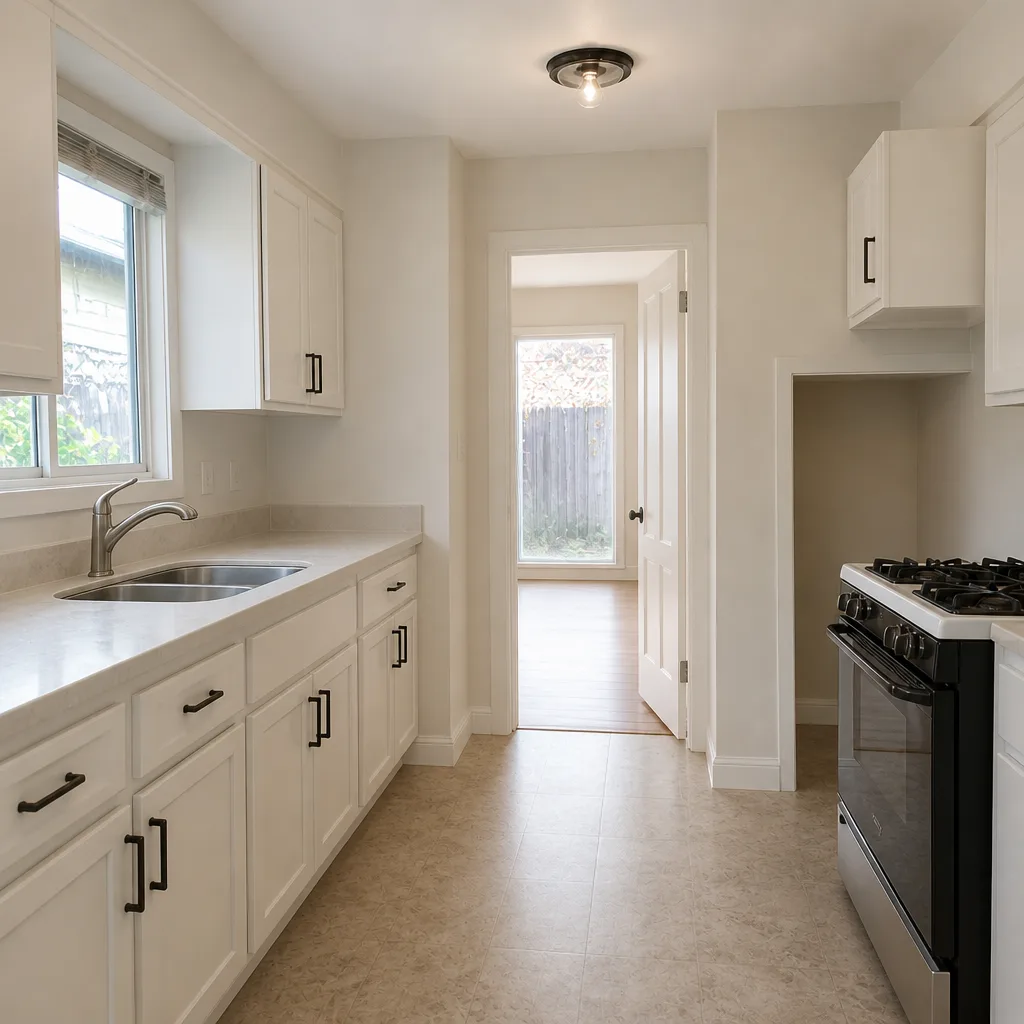
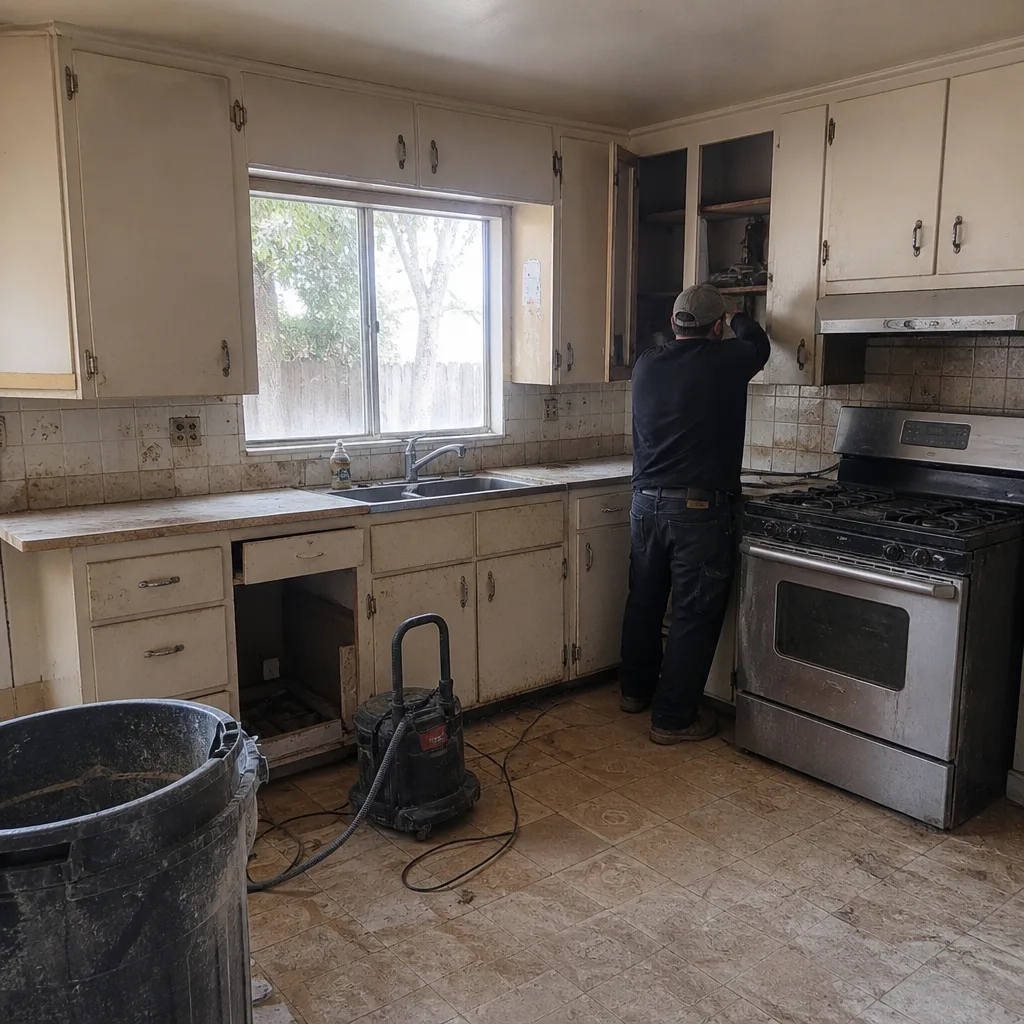
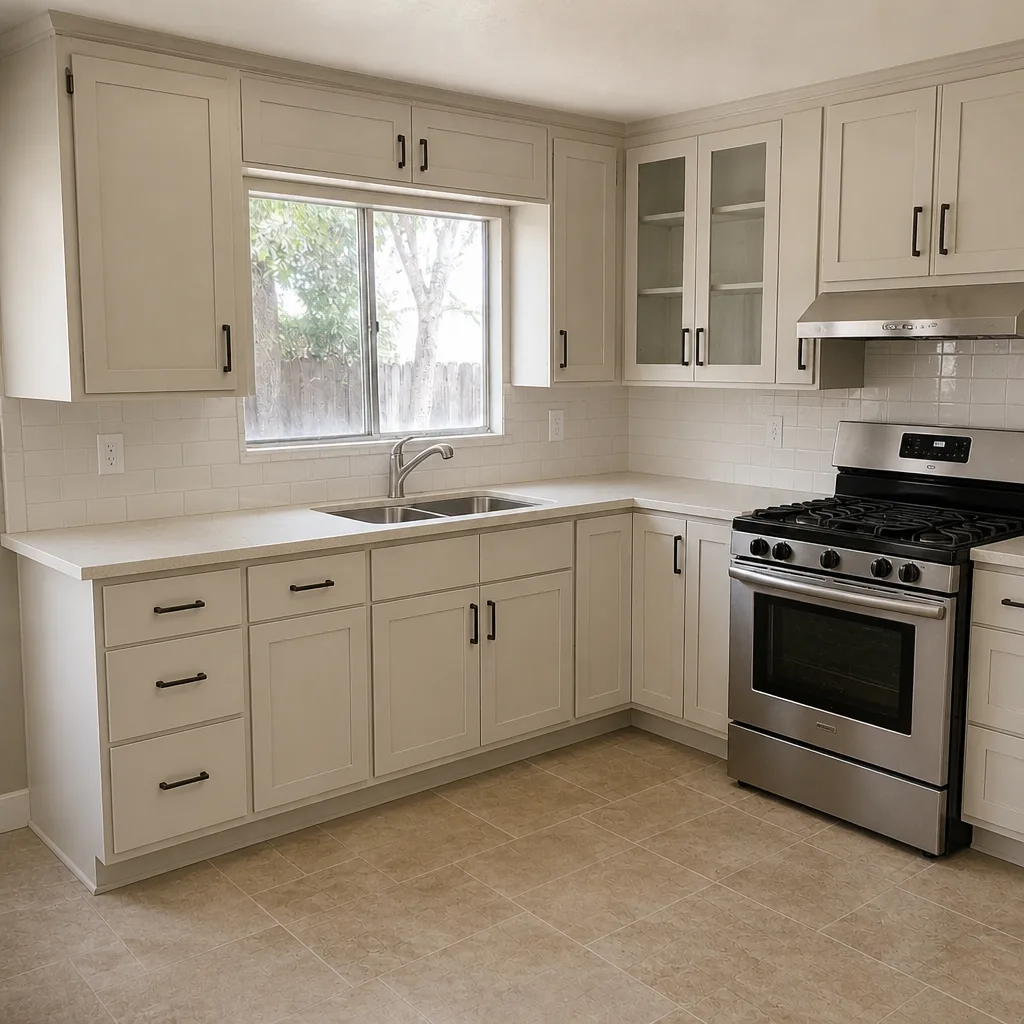
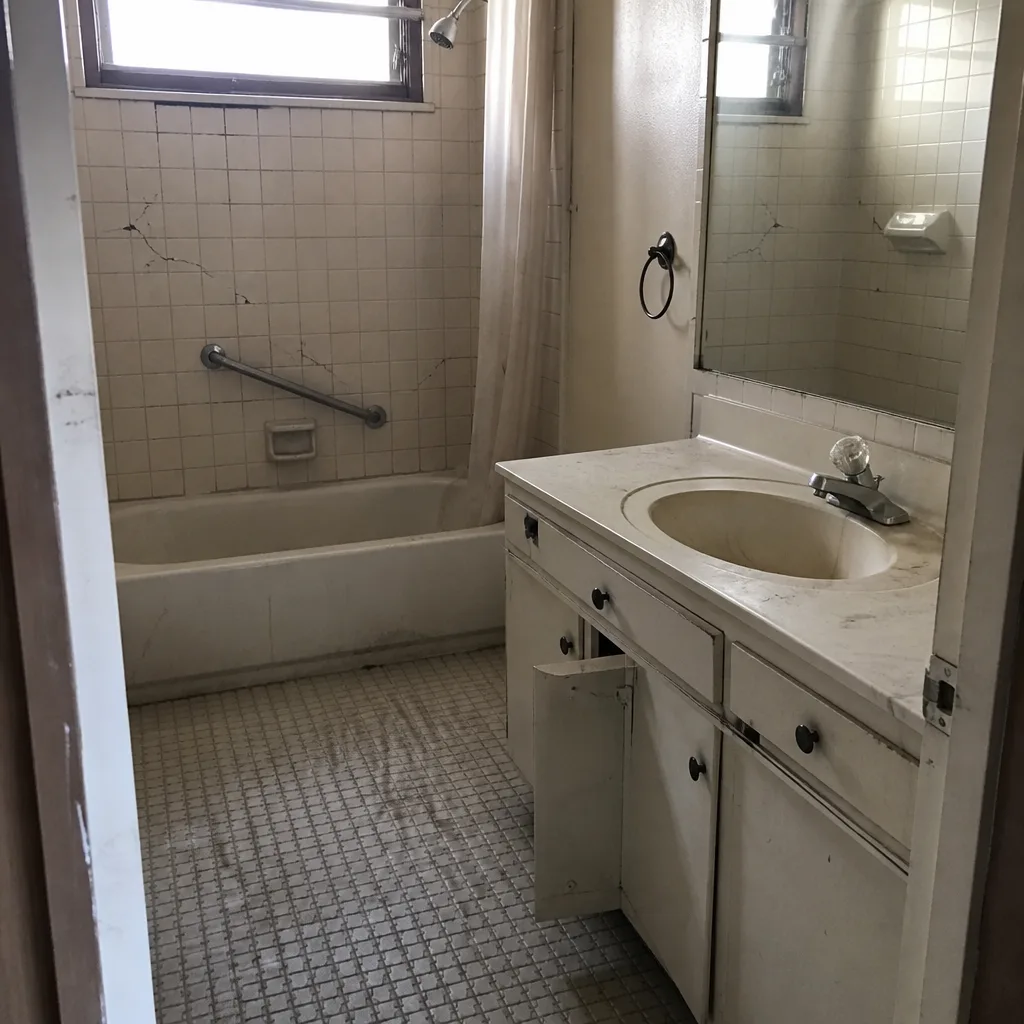
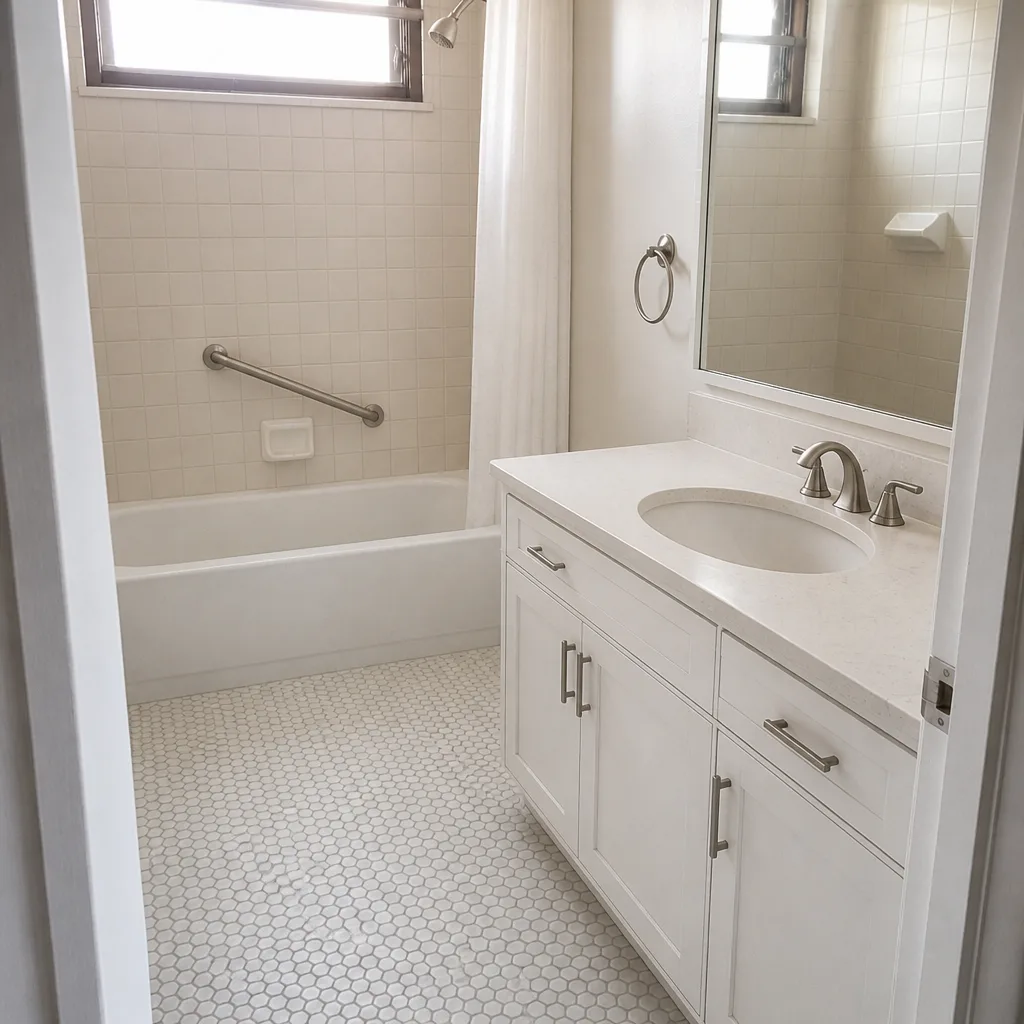
See the difference
 Before
 After
 Before
 After
 Before
 After
When to Call a Professional
Some jobs are a weekend project and some are not. A cracked paver or a single loose shingle might be a quick fix – we’ve been known to handle small repairs with a $40 Off Any Repair Over $200 standing offer. But entire driveways, full roofs, window replacements, and additions are a different category.
Call a professional in San Jose when:
- The base under a hardscape job needs evaluation – everything you’d need to inspect is buried
- The roof is over 15 years old or showing granules in the gutters
- Any window or door replacement is part of a larger structural change
- The job requires a permit or inspection – structural, electrical, plumbing, additions
- You want a second opinion on a quote you already have, so you know the brands and allowances line up
Barrett & Sons Construction San Jose offers free estimates in San Jose – call (844) 320-5918 to schedule yours. Every quote is written, brand-specified, permit-pulled, and backed by our 90-Day Done Right Promise. A live person answers the phone, and we’ll sit down with any written estimate you’ve already got to check it against what a proper brand spec should look like.
Frequently Asked Questions
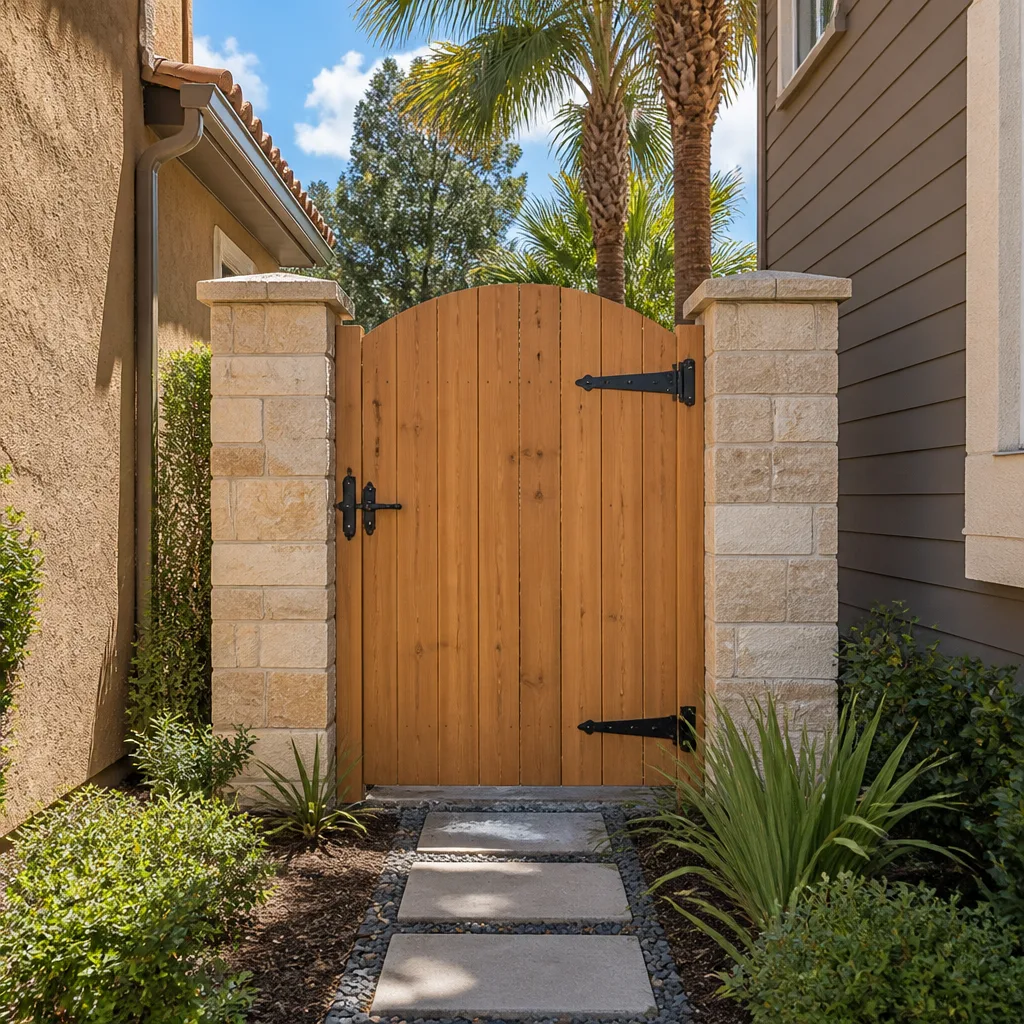
Belgard and Techo-Bloc are the two brands we most often install on San Jose driveways because both publish their PSI and absorption specs and back their products with manufacturer warranties. Look for 80 mm thickness for vehicle traffic and an absorption rate under 5% – both were built with wet-dry climates in mind. Call (844) 320-5918 for a free estimate with the brand and line specified in writing.
Ask to see the delivery slip on delivery day and match it to your contract, then photograph it for your records. Every legitimate supplier provides a ticket with product name, quantity, and often the product line or SKU. If the slip doesn’t match the contract, stop and ask before install starts. A contractor who welcomes the check has nothing to worry about.
Yes – the difference typically shows up around year three, not year one. Premium sealers cost more per gallon but cure harder, hold color longer, and often last four to five years or more before resealing. Contractor-grade sealers look great on install day but often haze, flake, or fade in the joints by year three, especially in San Jose’s sun and wet-dry cycle.
Structural hardscape work, additions, and most roofing and window work on older homes require permits through San Jose or Santa Clara County. Permit requirements vary by scope and property. If a contractor tells you permits are optional, that’s a warning sign – the inspector works for you, not for them. Every eligible job we quote pulls the permit and passes inspection.
Premium kitchens typically specify KraftMaid cabinetry, Cambria quartz, and premium fixtures from brands like Kohler, Moen, Blanco, or Delta. Every one of those is a price tier – the brand decision IS the allowance decision. Ask your contractor to list the brand and product line next to every allowance dollar amount in the contract.
Yes – we offer a Free Second Opinion on Any Written Estimate. We’ll review the brands specified, the allowance ranges, the permit language, and the change order process, and tell you what we’d want to see tightened before you sign. Call (844) 320-5918 to schedule.
The Bottom Line
The brands on your contract are the best predictor you’ll get of how a job holds up in ten years. Not the handshake, not the sales pitch, not the price at the top of the quote – the specific product lines, PSI ratings, absorption rates, allowances, and delivery slips that prove what got installed. In San Jose, where clay soils and wet-dry swings test every hardscape and roof, brand specification is the difference between a job that lasts and one that needs attention in three years. Barrett & Sons Construction San Jose names the brands, pulls the permits, writes the change orders, and stands behind the work with the 90-Day Done Right Promise.
Barrett & Sons Construction San Jose home
Ready to price your next project? Call (844) 320-5918 to schedule a free estimate. We’ll come out, walk the job, name the brands we’ll use, and hand you a written quote you can check line by line. A live person answers the phone around the clock – no voicemail box, no out-of-state call center, no surprise invoice at the end. If you’re in San Jose and already have a written estimate from another contractor, bring it. We’ll give you a free second opinion before you sign anything.
Written by the team at Barrett & Sons Construction San Jose.