Last updated November 18, 2026



Free written scope consultation - allowances, timeline, and change-order rules on paper before a single trade is scheduled
Bathroom Remodeling Warning Signs Every Homeowner Should Know
Here’s the counterintuitive part: the contractor who can’t start for three months is often safer than the one who can start Tuesday. A packed schedule is a credential. Instant availability in a hot market is a question worth asking. In our experience across San Jose, the bathroom remodels that go sideways almost never collapse in a single dramatic moment. They erode slowly – through paperwork gaps, missing permits, and small scheduling slips that pile up until you’re staring at a half-finished bathroom and a phone that’s stopped ringing. This guide walks you through the warning signs that show up before a single tile is set, the mid-project red flags people miss, and exactly what to do if you’re already in it.
Quick Answer
The biggest bathroom remodeling warning signs are paperwork problems and scheduling red flags that appear before demolition: verbal-only pricing, vague or missing permit language, bids that lump labor and materials into one number, and payment schedules that front-load cash before work milestones. If you see these early, you can walk away clean. If you’re mid-project, documented written change orders, signed inspection records, and a contractor who answers his own phone are your best protection. In San Jose, where older Willow Glen and Rose Garden homes often hide galvanized plumbing and out-of-date venting, the stakes on getting this right are higher than in newer construction.
Styles & brands we work with
- Kitchen remodeling
- Bathroom remodeling
- Home additions & ADU
- Roofing
- Windows & doors
- Driveway & pavers
- Fence
Table of Contents
- Pre-Contract Red Flags: What to Catch Before You Sign
- The Anatomy of a Bid That Will Bite You Later
- Contract Language That Signals Trouble
- Mid-Project Warning Signs Homeowners Routinely Miss
- Why “We’ll Pull Permits If the Inspector Asks” Is a Dealbreaker
- What to Do If You’re Already Mid-Project and Warning Signs Appear
- How a 90-Day Workmanship Warranty Compares to “We Stand Behind Our Work”
- Questions That Separate a Pro From a Problem
Pre-Contract Red Flags: What to Catch Before You Sign
The cheapest, safest moment to catch a bad contractor is before you sign anything. That’s why we tell San Jose homeowners to treat the bidding phase as an interview, not a price comparison. A low number from a contractor who can’t explain how they arrived at it isn’t a bargain – it’s an unopened bill.
Here’s what to watch for in the first conversation:
- Verbal-only pricing. If the number you’re quoted on the phone or over coffee isn’t the number that shows up in writing, that’s the pattern that repeats all the way through the job. In San Jose, we regularly see homeowners burned by a “ballpark” figure that grows by 30 percent during the first week.
- “We’ll pull permits if the inspector asks.” Permits aren’t optional and inspectors don’t wait to be asked. This phrase means the contractor is hoping nobody looks.
- Bids that don’t itemize labor separately from materials. A legitimate bathroom bid breaks out demolition, rough plumbing, electrical, drywall, tile, fixtures, and finish labor – each as its own line.
- No published license, address, or physical business identity. If you can’t verify who you’re hiring, don’t hire them.
- Instant availability in a busy market. A reputable bathroom contractor in San Jose is usually booked six to twelve weeks out. Tuesday starts are a warning sign, not a perk.
When a contractor hands you a written, itemized quote with allowances clearly labeled and a payment schedule tied to milestones, you’re dealing with someone who has done this many times and expects you to hold them to it.
The Anatomy of a Bid That Will Bite You Later
A bid is a document, not a conversation. The problem is that most homeowners have never seen a good one, so they don’t know what to compare a bad one against. Here’s how we break down what a real bathroom remodel bid should look like in the San Jose market:
- Scope by trade. Framing, plumbing rough-in, electrical, drywall, waterproofing, tile, cabinetry, countertops, fixtures, and paint each get their own line item.
- Labor and materials separated. You should be able to see what you’re paying for install versus what you’re paying for product.
- Allowances with a ceiling. Tile, fixtures, and lighting often get an “allowance” – a placeholder dollar amount. A real allowance has a defined ceiling and a written change order process for anything above it. “We’ll figure it out” isn’t an allowance.
- Permit line. There should be a specific amount for permits and inspections, not “included.”
- Payment schedule. Progress payments should land against milestones you can see and verify – demo complete, rough-in inspected, tile set, final walk-through.
- Exclusions in writing. Every bid should say what it does NOT include. That’s not a weakness in the bid; it’s a sign of experience.
A bid without these elements isn’t a bargain – it’s a placeholder for the change orders that will arrive later. In San Jose, where older homes routinely surface surprises in the walls (galvanized supply lines, undersized venting, unpermitted past remodels), the last thing you want is a bid that had no place to record what would happen if things got complicated. If you’re weighing a bathroom renovation against other improvements, our page on Home Additions & ADU in San Jose shows how we scope and permit larger projects the same way.
Contract Language That Signals Trouble
The contract is where a good contractor shows you exactly how they’ll behave. The language you want to see is boring, specific, and written down. The language that should make you walk is vague in that specific way that leaves all the choices on the contractor’s side.
Watch for these contract phrases:
- Open-ended allowances. “Tile allowance: $1,500” is fine. “Tile allowance: TBD” is a blank check.
- No written change order clause. Every price change should arrive in writing, signed by both parties, before the work that triggers it happens. An allowance that isn’t on paper is a surprise waiting for a date.
- Front-loaded payment schedules. If you’re paying 50 percent at signing and 40 percent halfway, the contractor is using your money to fund the job. Progress payments should track progress, not cash-flow convenience.
- Arbitration clauses buried in fine print. Some are legitimate; some are designed to keep you from ever documenting a complaint.
- “Time and materials with no cap.” This is fine for small repairs. For a full bathroom, it means the final bill is a wish.
- No defined completion timeline. A contract with no dates is a contract with no accountability.
At Barrett & Sons, every scope, every allowance, and every price change arrives as a written change order before work happens. No surprise invoices at the end. That’s not a marketing line – it’s the difference between a contract that protects the homeowner and one that protects the contractor.
Mid-Project Warning Signs Homeowners Routinely Miss
Most of the damage happens after the contract is signed, when the homeowner is relieved to have picked someone and stops paying close attention. Don’t. The middle of a bathroom remodel is when the real signals come out, and they’re quieter than you’d expect.
- Subcontractors who don’t know what the general contractor promised. Ask the tile setter what the waterproofing spec is. If they blink, someone along the chain dropped the scope. On a properly managed job, every crew member knows the written plan.
- Materials arriving without packaging or documentation. Tile shipped loose in the back of a pickup, fixtures with no boxes, waterproofing membrane with no brand markings. If you can’t look up the product, you can’t trust the warranty.
- Inspections that keep getting “rescheduled.” The permit inspector works for you, not for the contractor. If inspection dates keep slipping, ask why – and call the city if the answer is vague.
- No daily or weekly progress communication. Silence is not professionalism. It’s a signal that nobody is managing the schedule.
- Demo done, walls open, and the sub disappears for a week. Bathroom remodels run tight – a week of lost time early cascades into a month of delay.
- The number you’re asked to approve keeps drifting without a change order. “We need a little more for this” without paper is the start of the invoice you don’t want.
In San Jose, we regularly see spring-scheduled bathrooms stall in April and May because contractors double-booked to catch up from winter. If your job started on time and got quiet in week three, ask for the current schedule in writing.
Why “We’ll Pull Permits If the Inspector Asks” Is a Dealbreaker
Permits are the paper trail that protects you when you sell, when you insure, and when something goes wrong three years later. A contractor who treats them as optional is telling you exactly how they handle every other part of the job.
Here’s what a legitimately permitted bathroom remodel in San Jose looks like:
- Permit pulled before demo. The city has a record of the work and a scope on file.
- Rough-in inspection after plumbing and electrical are exposed. This is where code violations get caught – before they’re buried in drywall.
- Waterproofing inspection if required by scope. Showers and wet areas are where the most expensive failures live.
- Final inspection signed off at completion. The signed card goes in your file.
- All correspondence documented. Emails, inspection dates, corrections – all written down.
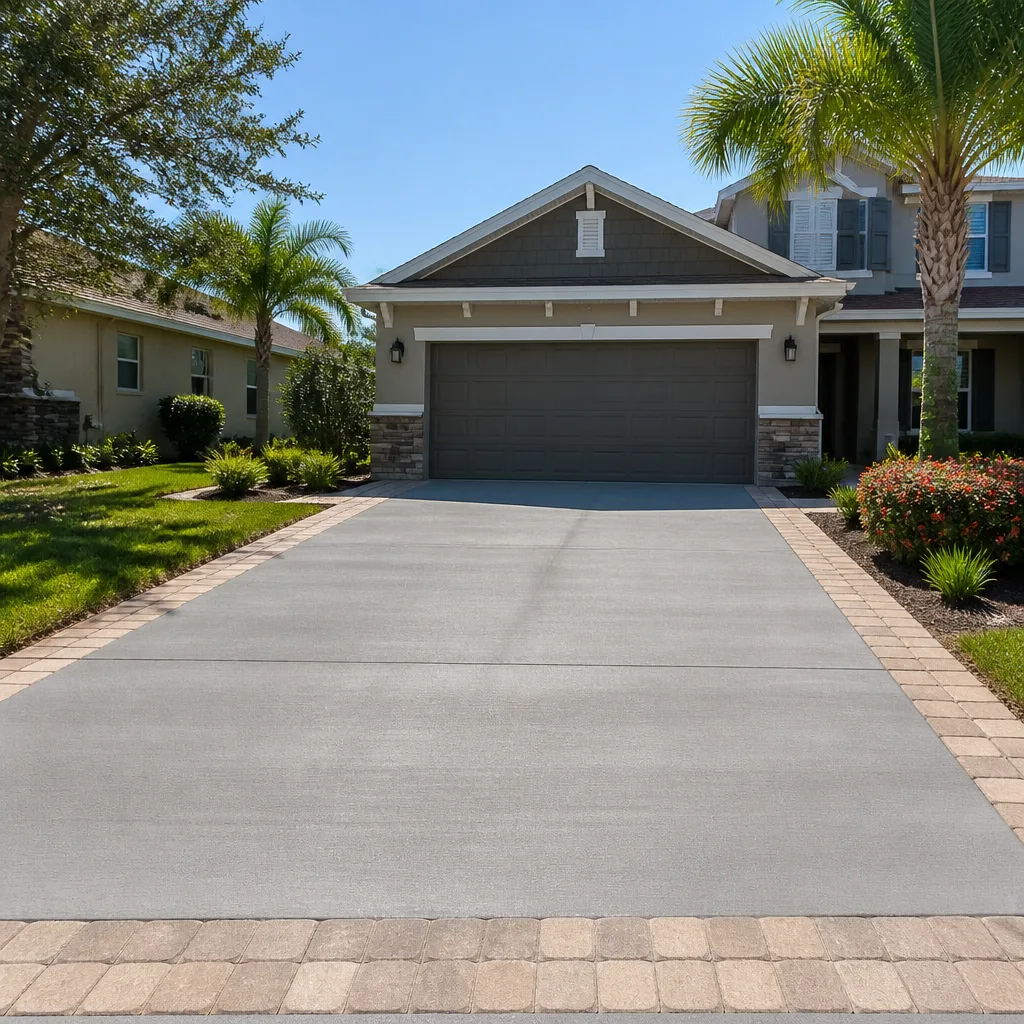
We’ve seen homeowners in San Jose discover at resale that a bathroom remodel from ten years ago was never permitted, and the whole job had to be re-opened for inspection. That’s a $15,000 conversation nobody wants. Every eligible job we take includes permits pulled and inspections signed because the last contractor most people used told them permits were optional. Look at the work we do across trades – Driveway & Pavers in San Jose and Fence Installation in San Jose – and it’s the same standard every time. Pull the permit, pass the inspection, hand the homeowner the paper.
What to Do If You’re Already Mid-Project and Warning Signs Appear
If you’re reading this with a half-demoed bathroom in the next room, don’t panic and don’t fire anyone in anger. Slow down, document, and escalate in writing. Here’s the step-by-step:
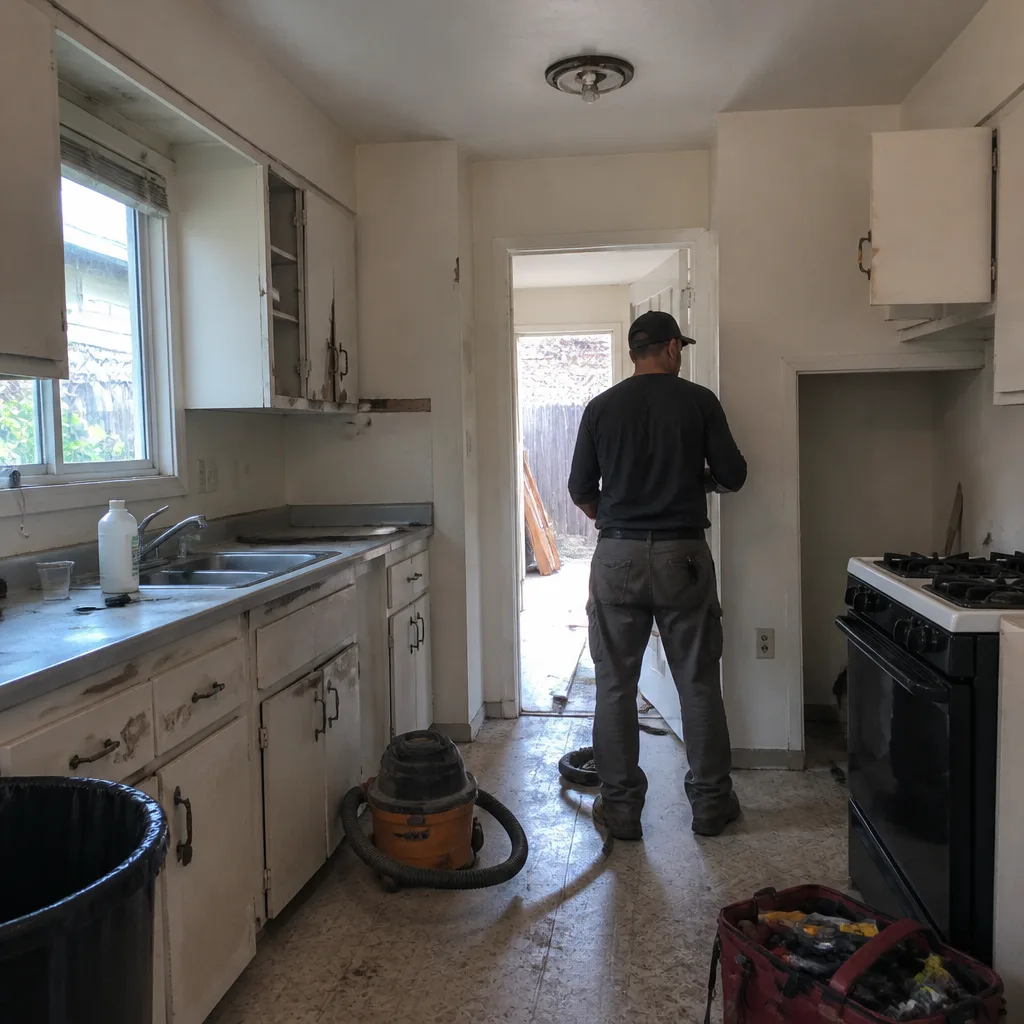
- Photograph everything. Every wall, every open cavity, every material delivery, every inspection tag. Timestamps matter.
- Pull the permit record. Call San Jose’s building department and confirm permit status, inspection dates, and any open corrections. Get it in an email if you can.
- Write a factual summary of the job state. What’s done, what’s outstanding, what’s been promised versus delivered. No emotion – just dates, dollar amounts, and scope items. Send it to the contractor by email.
- Ask for a written recovery plan. Any professional will respond with dates, names, and specific corrective actions. A con artist will go quiet.
- Get a second opinion before you escalate formally. A free second opinion on the current scope gives you a benchmark for what’s actually wrong and what it will cost to fix.
- Document the money. Every payment, every receipt, every change order. If you have to file a complaint with the Contractors State License Board, this is what they’ll ask for.
The worst mistake we see is homeowners paying another milestone payment to “keep things moving” before the work has caught up. Once money is out the door without a corresponding milestone, your leverage drops fast.
How a 90-Day Workmanship Warranty Compares to “We Stand Behind Our Work”
“We stand behind our work” means nothing on its own. It’s a feeling, not a document. The difference between a real warranty and a vague promise comes down to four questions: What’s covered? For how long? Who do I call? And what actually happens if they don’t respond?
Our 90-Day Done Right Promise is written on every contract – not buried in fine print. It says what’s covered (labor and workmanship), for how long (90 days from completion), who to call (us, directly), and what happens if something is wrong (we come back and make it right, one call). That’s a promise a homeowner can hold in their hand.
When you’re interviewing any contractor, ask them:
- Show me the workmanship warranty in writing before I sign.
- How many days from completion? 30? 90? A year?
- Does it cover labor, materials, or both?
- Who specifically do I call, and what’s the response window?
- Is it transferable if I sell the home?
A contractor who can’t answer these on the spot hasn’t thought about what happens after the check clears. That’s the wrong person to hand your bathroom to. San Jose has plenty of contractors who will happily promise anything; the difference is who writes it down. It’s the same principle we apply when we install fencing using brands like Jerith or Bufftech – quality you can look up, backed by a name you can call.
Questions That Separate a Pro From a Problem
Before you sign, ask these questions and listen to how they’re answered. The pro will have specifics. The problem will have stories.
- “Who’s on-site most days?” You want a name, not “our team.” At Barrett & Sons, Tom Barrett and his sons are on-site most days – this isn’t a franchise dispatching strangers.
- “How will you handle a surprise once the walls are open?” The answer should involve written change orders, not a phone call that starts with “so we found something.”
- “Which inspections are required, and who pulls the permits?” Correct answer: “we do, before demo.”
- “What brands are in the bid?” KraftMaid and Cambria in kitchens, GAF and CertainTeed on roofs, Andersen and Marvin on windows, Belgard and Techo-Bloc on hardscapes – premium brands you can look up. Bathroom fixtures and tile should be similarly named.
- “What does your warranty look like in writing?” If it’s not in the contract, it doesn’t exist.
Common Mistakes to Avoid
- Choosing the fastest bid. In San Jose, a bathroom contractor who can start Tuesday is usually available because the last job walked out. A packed schedule is a credential.
- Accepting a verbal price. If it isn’t on paper, it isn’t a price – it’s a starting point for negotiation you’ll lose.
- Skipping the permit. Saving $400 on permits today costs you five figures at resale in San Jose when the buyer’s inspector finds unpermitted work.
- Paying the full balance at demo. Money should track progress, not predate it.
- Ignoring the subcontractor test. If the tile setter can’t tell you what waterproofing was specified, the general contractor dropped the scope.
- Not asking for the warranty in writing. “We stand behind our work” is a feeling. A written 90-day guarantee is a document.
- Letting a scheduling slip go without a written recovery plan. The first week of silence is the sign. The second week is the pattern.
See the difference
 Before
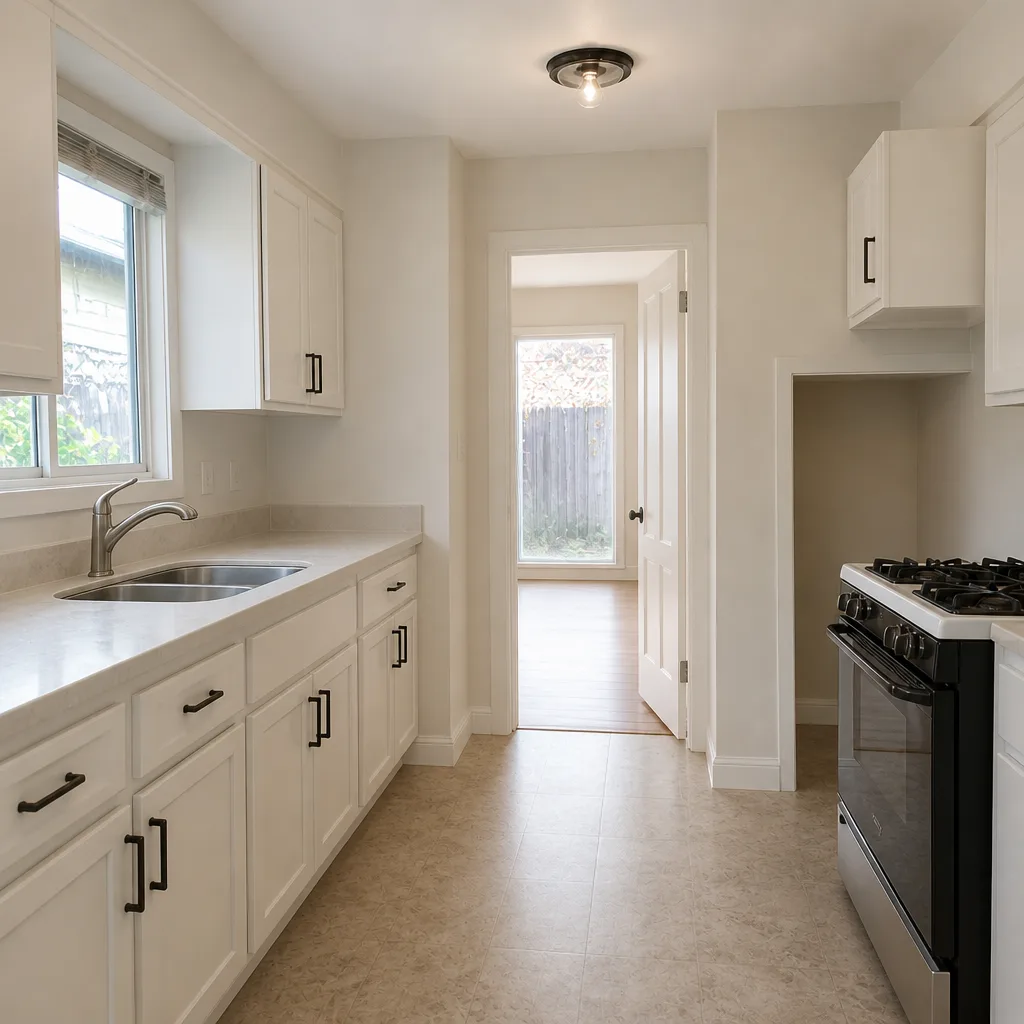 After
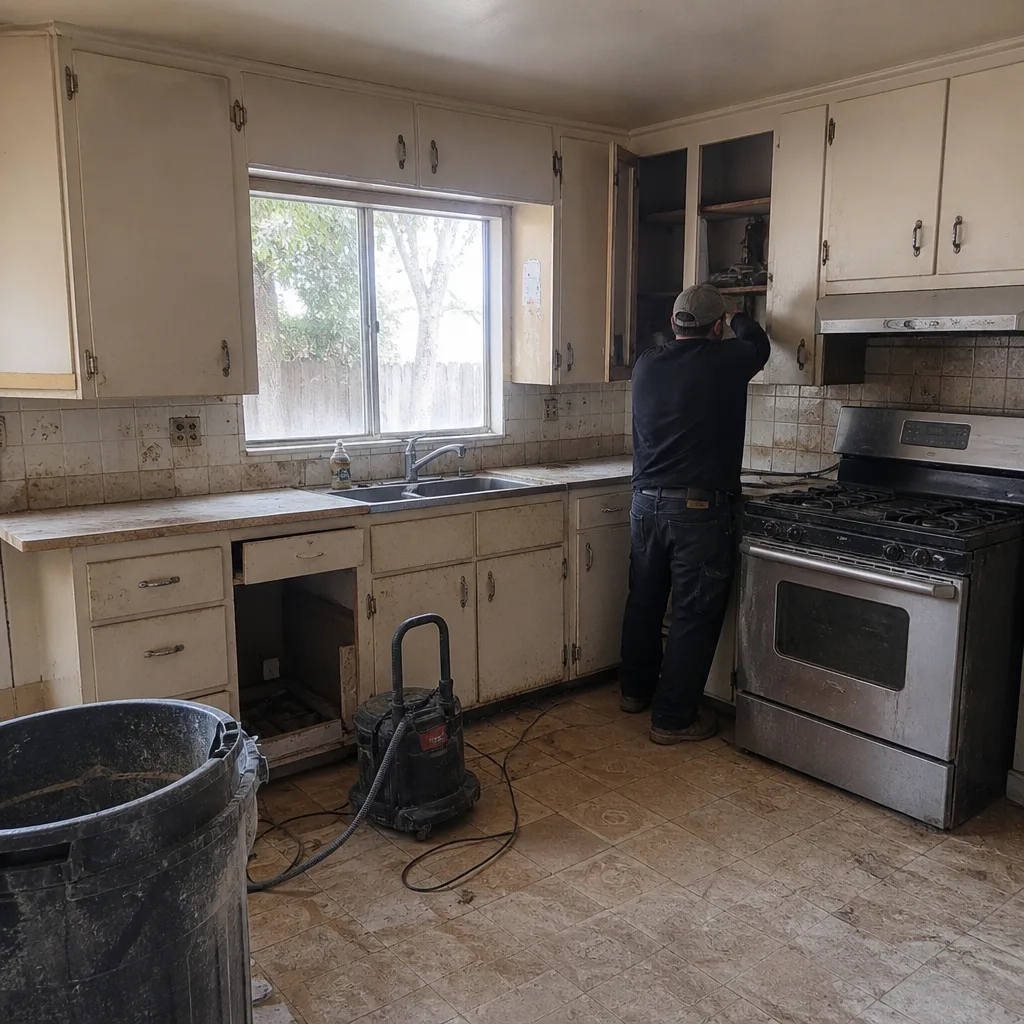 Before
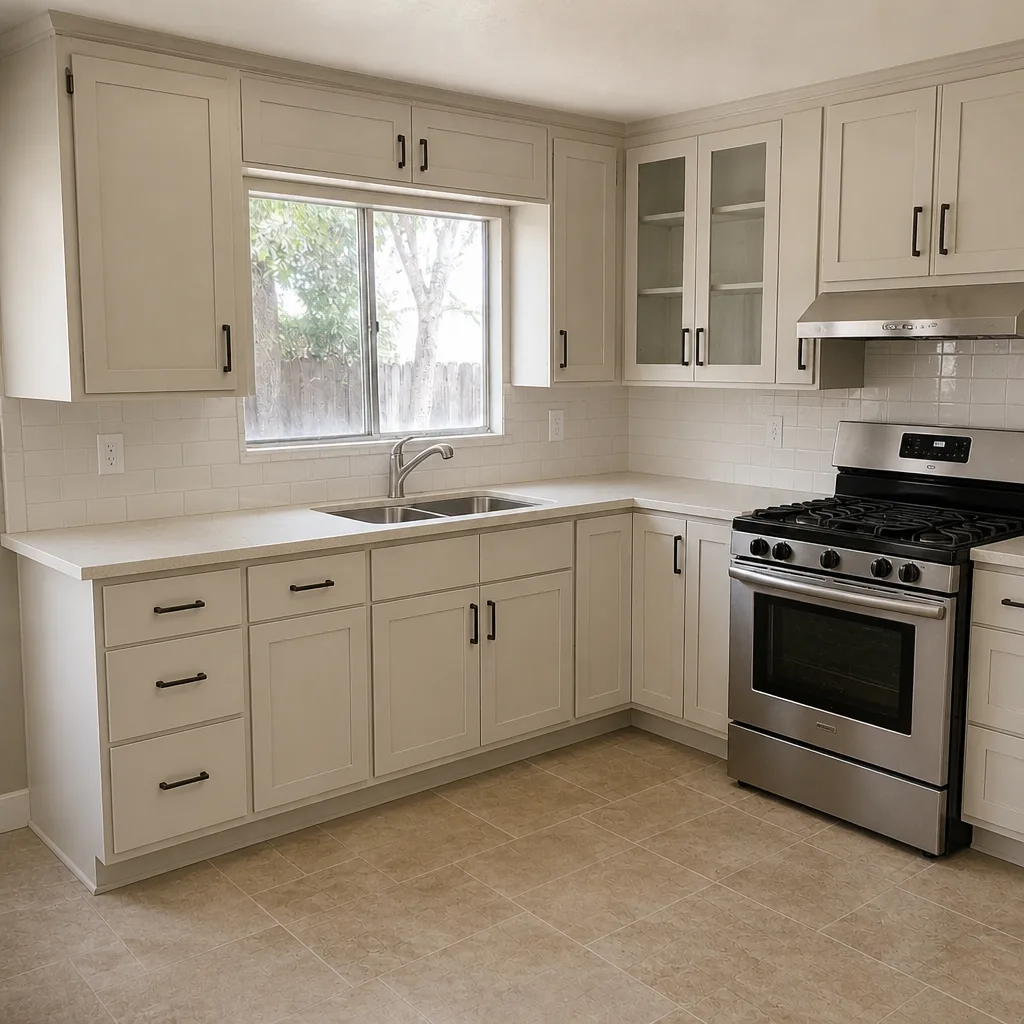 After
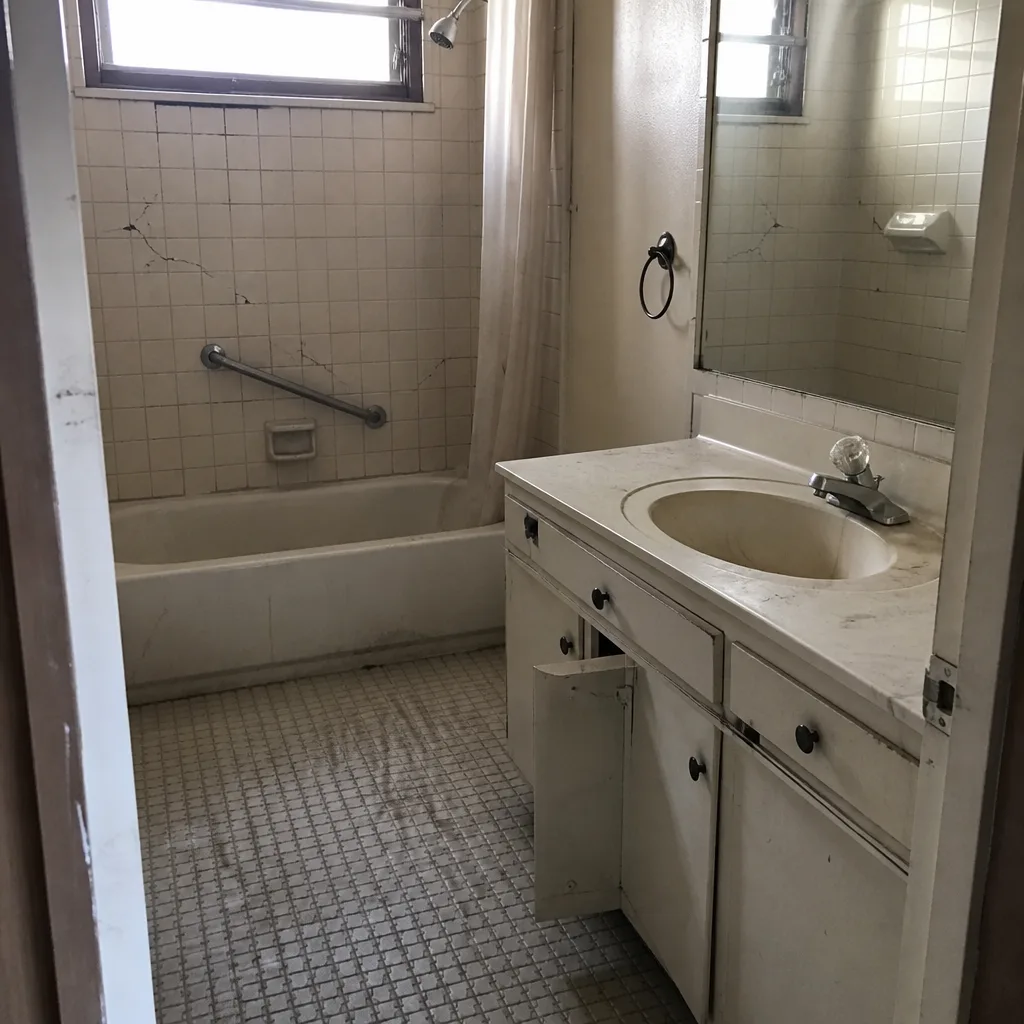 Before
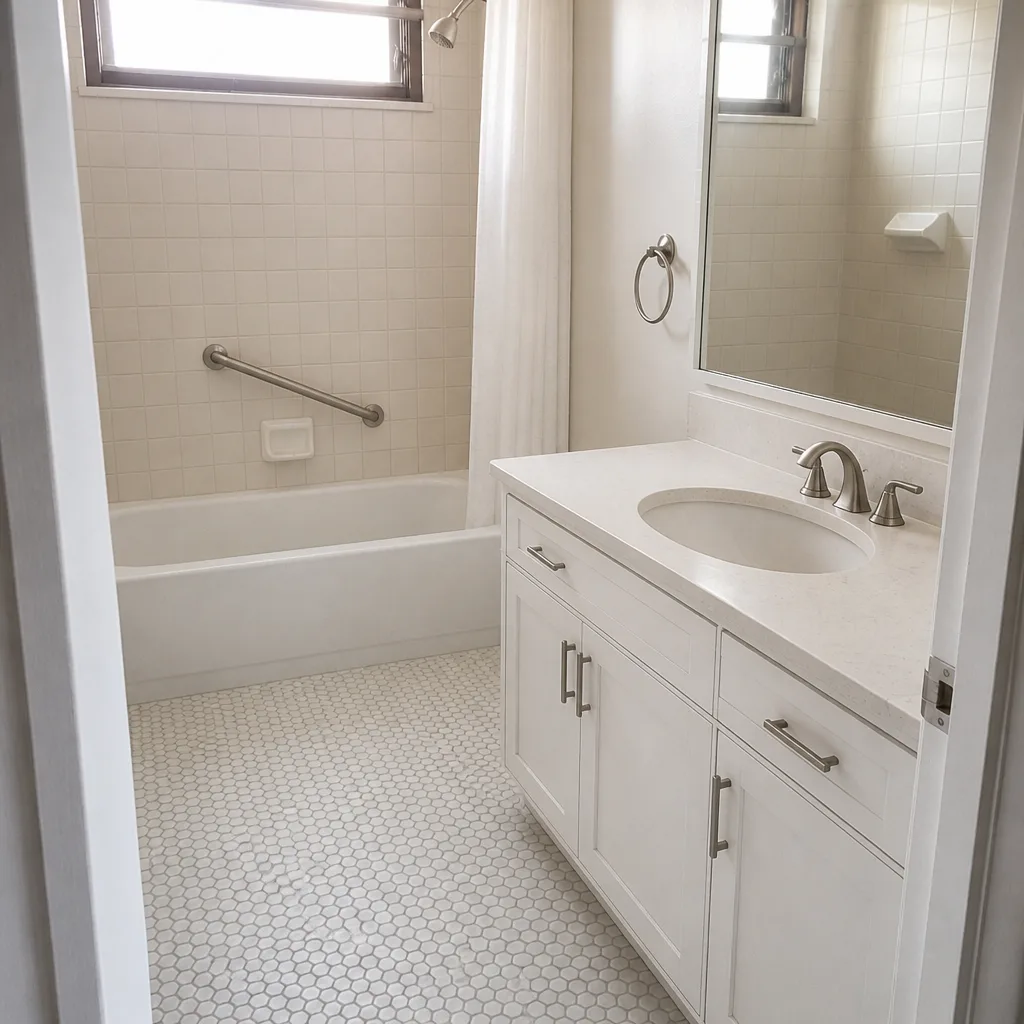 After
When to Call a Professional
Some of what we’ve covered is inspection – you can do it during bidding. Other parts should trigger a call. If your contractor has gone quiet for more than a week, if inspection dates keep slipping, if the price has drifted without a change order, or if you’re staring at a half-demoed bathroom and don’t know what’s behind the walls, get a second set of eyes on it before you pay another milestone. In San Jose, older homes hide galvanized plumbing, undersized venting, and previous unpermitted remodels – all of which need a trained contractor to assess correctly. Barrett & Sons Construction San Jose offers free estimates in San Jose – call (844) 320-5918. No trip charge inside the county, and a free second opinion on any written estimate, including one you’ve already signed with someone else. Start with our Barrett & Sons Construction San Jose home page to see how we work.
Frequently Asked Questions
Verbal-only pricing. A contractor who quotes a number over the phone or in person without a written, itemized bid is telling you exactly how the rest of the job will go. In our experience, the moment verbal pricing shows up, change orders follow – and they arrive the same way. Call (844) 320-5918 for a written estimate with itemized line items, and every change order in writing before work starts. Free second opinion on any existing bid.
Usually, yes. In the San Jose market, a legitimate bathroom contractor is typically booked weeks out because good work is in demand. Instant availability in a busy season is worth questioning – it often means the contractor is filling a gap from a lost job. That’s not automatically disqualifying, but it deserves a direct question and a specific answer. Call us to compare schedules and scopes honestly.
No – not legally, not safely. Bathroom remodels that move plumbing, electrical, or ventilation require permits in San Jose, and inspections protect you at resale, at insurance renewal, and when something leaks. “We’ll pull permits if the inspector asks” is a phrase that should end the conversation. Permits pulled and inspections signed are part of every eligible job we take.
A 90-day workmanship warranty is a written commitment: it names what’s covered, for how long, who to call, and what happens if something’s wrong. “We stand behind our work” is a verbal promise with no terms. The difference matters the first time you need to use it. Our 90-Day Done Right Promise is written on every contract – one call brings Tom back to make it right.
Call the city and ask. San Jose’s building department will confirm permit status by address, and the permit record shows inspection dates and any open corrections. If the permit isn’t in the system, it wasn’t pulled – no matter what the contractor says. Get the record in an email before work starts.
Document first, escalate second. Photograph the job state, pull the permit record, write a factual summary, and send it to the contractor by email asking for a written recovery plan. Then get a second opinion before paying another milestone. Call (844) 320-5918 for a free second opinion on any written estimate, mid-project or before.
The Bottom Line
Bathroom remodel warning signs don’t usually look dramatic – they look like a number on the phone, a permit question, a payment schedule, a quiet week three. Catch them early and you walk away clean; miss them and you’re halfway to a half-finished bathroom. The best protection is paperwork: written scope, written allowances, written change orders, permits pulled and inspections signed, and a warranty you can hold in your hand. Here at Barrett & Sons Construction San Jose, we’re 29 years into this work, owner-operated from day one, and our name is on the truck. Ask anyone on your street – or look up the license number yourself. Call (844) 320-5918 for a free estimate.
Written by the team at Barrett & Sons Construction San Jose.