Last updated November 18, 2026






Free written scope consultation - allowances, timeline, and change-order rules on paper before a single trade is scheduled
Windows & Doors Maintenance Schedule: What to Do and When
The weep holes on your sliding door tracks do more water management work than your gutters. They’re also the thing most homeowners have never once looked at since the day they moved in. Every spring we get called to a San Jose home where water pooled inside a slider frame for months without anyone noticing, and the fix cost more than a decade of maintenance would have. Here’s the thing people miss: windows and doors don’t share one maintenance schedule. A vinyl slider and an aluminum-clad casement and a wood double-hung need different care at different times, and treating them the same is how good units get ruined. This guide lays out a material-by-material schedule, the San Jose seasonal rhythm, and the tasks nobody tells you about.
Quick Answer
Check caulk and seals every October before San Jose’s rainy season and lubricate hardware every September after the heat, but base the rest of your schedule on frame material: vinyl needs little more than cleaning and weep-hole clearing, aluminum-clad needs touch-up paint and gasket checks, wood needs annual finish inspection, and fiberglass mostly needs hardware care. Clear weep holes and drainage channels on sliding doors and casement windows at least twice a year. Replace weatherstripping and rollers on a realistic 5-to-10-year cycle rather than waiting for failure.
Styles & brands we work with
- Kitchen remodeling
- Bathroom remodeling
- Home additions & ADU
- Roofing
- Windows & doors
- Driveway & pavers
- Fence
Table of Contents
- Why One Schedule Doesn’t Fit Every Window
- Material-by-Material Maintenance Matrix
- The San Jose Seasonal Calendar: October and September Matter Most
- Weep Holes and Drainage Channels: The Task Everyone Skips
- Hardware Maintenance by Component and Realistic Replacement Intervals
- Building a Photo Log That Protects Your Warranty and Your Sale
- A Simple Monthly Walkthrough You Can Do in Ten Minutes
- What Window and Door Maintenance Costs in San Jose
Why One Schedule Doesn’t Fit Every Window
Most maintenance advice you’ll read treats every window as if it came off the same line. It didn’t. A Marvin wood-clad unit and a $180 vinyl slider from a big-box store have almost nothing in common beyond glass and a frame, and the products that keep one healthy can actively destroy the other. Walk down any street in the Willow Glen or Rose Garden neighborhoods and you’ll usually find three or four frame materials on a single house, often installed in different decades.
The maintenance drift happens in two directions. Some homeowners over-maintain: they scrub aluminum frames with abrasive cleaner, they caulk over wet wood, they hose out sliding door tracks and push grit straight into the drainage channels. Others neglect the right things entirely. They’ll polish a hinge but never once check the sill seal, which is where the actual water intrusion starts.
In our experience working on San Jose homes, the maintenance that matters most depends on three variables: what the frame is made of, whether the unit is operable (window vs. fixed) or a slider, and how much sun and weather that particular elevation gets. A west-facing wood door on an uncovered porch takes a beating. The same door under a deep overhang on the shaded north side can go years with almost nothing. This guide is organized around those three variables so you can build a schedule that actually fits your house, rather than one copied off a manufacturer’s generic care sheet.
Material-by-Material Maintenance Matrix
Here’s what each frame material actually needs, and what will damage it. Read the “avoid” column carefully – using the wrong product on the wrong frame is one of the fastest ways to void a warranty or start a rot problem.
- Vinyl (PVC): Needs cleaning with mild soap and water, weep-hole clearing, and weatherstripping checks. Avoid solvent-based cleaners, acetone, and abrasive pads – they dull the surface and can cause micro-cracking over years of sun exposure. Vinyl doesn’t need painting or sealing, but it does need hardware upkeep, because the frame will outlast the rollers by a decade or more.
- Aluminum-clad (wood core with aluminum exterior): The aluminum exterior needs periodic touch-up paint at scratched edges to prevent oxidation – especially on the sun-facing side. Check the factory gaskets and sealant joints at the frame perimeter annually. Avoid power washing right at seams and avoid caulk that isn’t rated for metal. The wood interior side needs finish inspection just like any wood window.
- Wood (interior and exterior): The exterior finish – paint or stain – is the whole ballgame. Inspect every year in late summer for flaking, cracking, or bare spots, and touch up before the rainy season. Avoid caulking over wet or soft wood; you’ll trap moisture and accelerate rot. Avoid silicone caulk on wood joints that may need to move with seasonal expansion – a paintable, flexible sealant performs better.
- Fiberglass: Low maintenance, but not zero. Clean with mild detergent, inspect the weatherstripping seal around the sash, and keep hardware lubricated. Avoid aggressive solvents and avoid leaving standing water in the sill or track, which can stain and eventually stain through. Fiberglass won’t rot, but the seals and gaskets around it still degrade.
Regardless of material, the hardware and seals need attention on their own clock. That’s why the matrix above is only half the picture – see the Barrett & Sons Construction San Jose home for how a full window and door evaluation fits into a broader home maintenance plan.
The San Jose Seasonal Calendar: October and September Matter Most
San Jose’s climate creates a specific failure pattern that most national maintenance guides don’t account for. Two seasonal windows do more for your windows and doors than everything else combined: late September and October.
Here’s why. San Jose gets almost all of its rain between November and March, and the dry season stretches from roughly April through October with very little moisture. That long dry stretch is a gift and a trap. It’s a gift because seals, caulk, and weatherstripping last longer when they’re not constantly wet. It’s a trap because failing seals don’t announce themselves. A caulk joint that’s been slowly pulling away from the frame for two summers looks fine in September. The first real rain of the season finds the gap, and water starts working its way behind the siding or into the sill before you’ve noticed anything. By the time you see a stain on the drywall, the damage has been happening for weeks.
So the two dates that matter most are:
- September: post-heat hardware lubrication. After a summer of thermal expansion and contraction, give hinges, locks, and sliding rollers a lubricant service before the cooler weather sets in. This is also the ideal time to test every lock, including multipoint locking systems on patio doors.
- October: pre-rainy-season caulk and seal inspection. Walk every exterior window and door, check the caulk joint at the frame perimeter, test every operable sash, and clear every weep hole and drainage channel. This is the single highest-value hour you’ll spend on your windows all year.
Two other seasonal tasks belong on the calendar: a spring cleaning of tracks and weep holes (March or April, as the rains taper off) and a mid-summer exterior finish inspection for wood and aluminum-clad units, done before the worst heat. If you’re planning a larger project in the meantime, our page on Home Additions & ADU in San Jose covers how window and door maintenance fits into a bigger build or addition.
Weep Holes and Drainage Channels: The Task Everyone Skips
Weep holes are the small slots or holes at the bottom of window and door frames that let trapped water escape. Every sliding door track and most casement windows have them. They’re sized to let water out and nothing else – and when they’re blocked, they stop working. Water sits in the frame. It finds the path of least resistance: under the track, into the sill, behind the interior trim, or down into the wall cavity.
Blocked weep holes are the most common cause of unexplained water stains near sliding doors in San Jose homes, and they’re almost always the last thing anyone thinks to check. Debris, pollen, dust, and grit from the track all find their way into them. The fix is simple if caught early and expensive if caught late.
Here’s the drill, twice a year – ideally in October before the rains and again in spring:
- Slide the door or sash open and sweep or vacuum out the track first. Push all loose grit toward yourself with a soft brush rather than toward the drain.
- Locate the weep holes along the outside bottom edge of the frame and the drainage slots in the track itself.
- Flush with a small amount of water from a squeeze bottle and watch the outside to confirm it flows out.
- If flow is weak, clear the hole with a piece of flexible wire or a pipe cleaner – gently. Never use a screwdriver or an awl, which can crack the frame or enlarge the hole.
- Confirm the door still locks and slides freely after you finish.
If your slider is old, made of wood, or you can see visible softness or staining at the sill, don’t flush anything – call a professional. You may be looking at rotted sill material, and water pressure can make it worse.
Hardware Maintenance by Component and Realistic Replacement Intervals
“Inspect annually” is not advice. Every hardware component on a window or door has an actual lifespan and a replacement interval you can plan for. Here’s what we tell homeowners in San Jose:
- Sliding door rollers: Lubricate every six months. Replace at 8-12 years, or sooner on a heavy door used daily. A roller that’s starting to drag is usually a roller that’s about to fail.
- Hinges (casement and awning windows, swing doors): Lubricate annually with a light oil or spray lubricant. Replace when they start to sag or squeak after re-lubrication – typically 10-15 years.
- Multipoint locks (patio doors, tilt-turn units): Lubricate annually and test the full point engagement of the lock handle each fall. Multipoint hardware is expensive to replace; a $5 can of lubricant and five minutes a year extends its life considerably.
- Weatherstripping (all operable units): Inspect every year. Replace every 5-10 years – sooner on doors that get daily traffic or full sun exposure. Weatherstripping degrades silently, and it’s one of the biggest drivers of energy loss and water intrusion.
- Window cranks and operators: Lubricate every year or two. Replace at 8-15 years depending on use. If a crank feels stiff, don’t force it.
One hard rule: never replace hinges, rollers, or lock mechanisms with hardware that doesn’t match the manufacturer’s original spec. A mismatched roller can crack a heavy sliding door, and an aftermarket multipoint lock can fail to fully engage. If you’re unsure of the original spec, a professional can identify it, particularly for premium units from Andersen or Marvin. If a door frame is beyond saving, a full replacement may make financial sense. Our team at Driveway & Pavers in San Jose is a different trade but the same crew standard – permits pulled, work in writing, and the guarantee on every job.
Building a Photo Log That Protects Your Warranty and Your Sale
A maintenance record is one of the most underrated things a homeowner can keep. Most manufacturers require documented maintenance to honor a warranty claim on a seal, finish, or hardware failure. Insurance adjusters respond differently when you can show that a leak area was inspected on schedule. And future buyers ask questions about window and door condition during a home inspection – a photo record with dates answers them cleanly.
Building one takes about an hour, and you only do it once. Here’s the method:
- Number every window and door – a small pencil mark on the jamb or a sticky label works fine. Keep a simple index on a single sheet of paper.
- Take a photo of each unit from inside and outside on a bright day. Include the full frame edge and the sill.
- Open every operable window and door and photograph the hardware, the track, the weep holes, and the weatherstripping.
- Photograph any existing damage or wear separately, with a brief note about what you see and the date.
- Save all photos into a folder labeled by year, with a one-page written log of anything you repaired, replaced, or had serviced.
- Update once a year in September or October, before the rainy season. A fresh set of close-ups on the caulk joints and sill areas is the goal.
The photo log also changes how you buy a home. If you’re looking at a property, ask the seller for their window and door record. If they don’t have one, that’s useful information. For homeowners in nearby neighborhoods, Fence Installation in San Jose is another exterior element worth documenting the same way, since a well-kept record helps with both resale and warranty questions.
A Simple Monthly Walkthrough You Can Do in Ten Minutes
The annual and seasonal tasks get the attention, but a monthly ten-minute walkthrough catches small issues while they’re still cheap. Here’s what to do on the same day each month – pick a date and stick to it:
- Open and close every operable window and door once. Note anything that sticks, drags, scrapes, or feels different from last month.
- Test every lock and latch. If a multipoint handle doesn’t feel solid, note it.
- Look at every caulk line you can see from inside the house – around door frames and at window trim. Any fresh crack or gap needs attention before the next rain.
- Look at the sill and track on every sliding door for standing water or grit buildup.
- Check weatherstripping at the bottom and sides of exterior doors by feel – if you can feel air movement on a windy day, or see daylight, it needs replacing.
- Note anything in your log. One line max per unit is enough.
That’s it. Ten minutes a month catches almost everything that would otherwise become a professional visit.
What Window and Door Maintenance Costs in San Jose
Reactive repairs and maintenance service cost different things, and the gap is bigger than most homeowners expect. Here’s the rough range in the San Jose market:
- Routine caulk and seal refresh on one unit: $75-$150 per window or door, depending on access and whether exterior trim needs attention.
- Weatherstripping replacement (per door): $80-$180 installed.
- Sliding door roller replacement: $150-$300 per door, including new rollers and re-alignment.
- Multipoint lock service or repair: $100-$250, with hardware cost added if a component needs replacing.
- Sill or frame repair from water intrusion: $250-$800 per unit, more if rot has spread into the wall or trim.
- Full window or door replacement (if repair no longer makes sense): $600-$2,500+ per opening depending on size, brand, and material.
The math is straightforward: a decade of consistent maintenance costs less than one sill repair. For San Jose homeowners, we quote the work in writing before anything starts, the same standard we apply to larger projects like a home addition or a fence replacement. If you want an exact figure for your home, call (844) 320-5918 for a free estimate. Barrett & Sons offers a Free Second Opinion on Any Written Estimate and $40 Off Any Repair Over $200, plus a permanent 10% Senior & Veteran discount.
Common Mistakes to Avoid
- Using solvent-based cleaners on vinyl frames. They strip the surface finish and cause it to chalk and crack over a few summers. Mild soap and water is all vinyl needs.
- Caulking over wet or soft wood. San Jose’s dry season hides how much moisture a window frame is holding. If the wood is soft, walk away from the caulk gun and call someone.
- Power washing near window seams. High-pressure water pushes straight past gaskets and into the wall assembly. A garden hose is safer and does just as much good.
- Waiting for a visible leak to check sealed joints. By the time water shows up inside, the failure has usually been growing for weeks or months. Check in October, not after the first storm.
- Replacing only one roller when both are worn. Mismatched roller wear causes the door to hang crooked and increases stress on the frame. Replace in pairs.
- Skipping the photo log because it feels like extra work. It takes about an hour to build and saves hours of back-and-forth if a warranty or insurance question comes up later.
- Assuming all maintenance can wait until spring. In San Jose, the critical tasks are September and October. Spring work is mostly cleanup.
See the difference
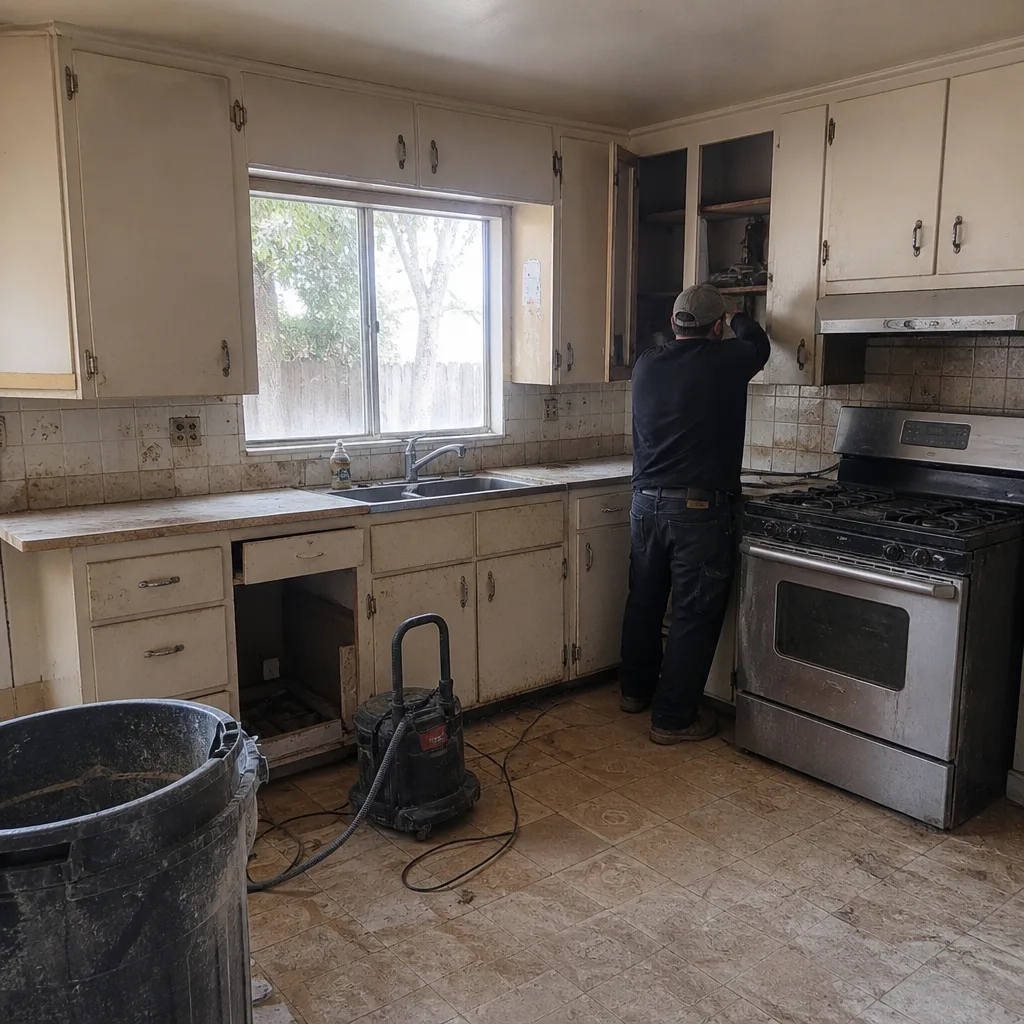
 Before
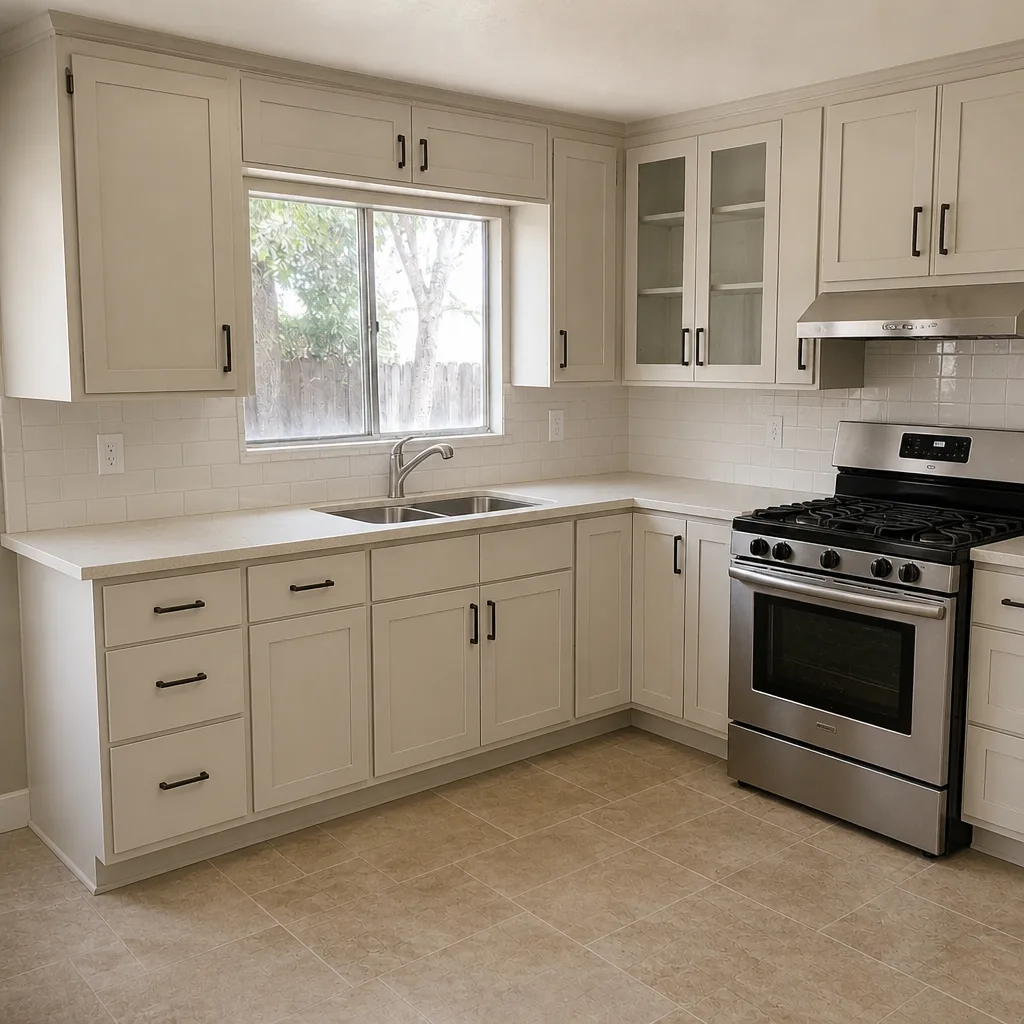
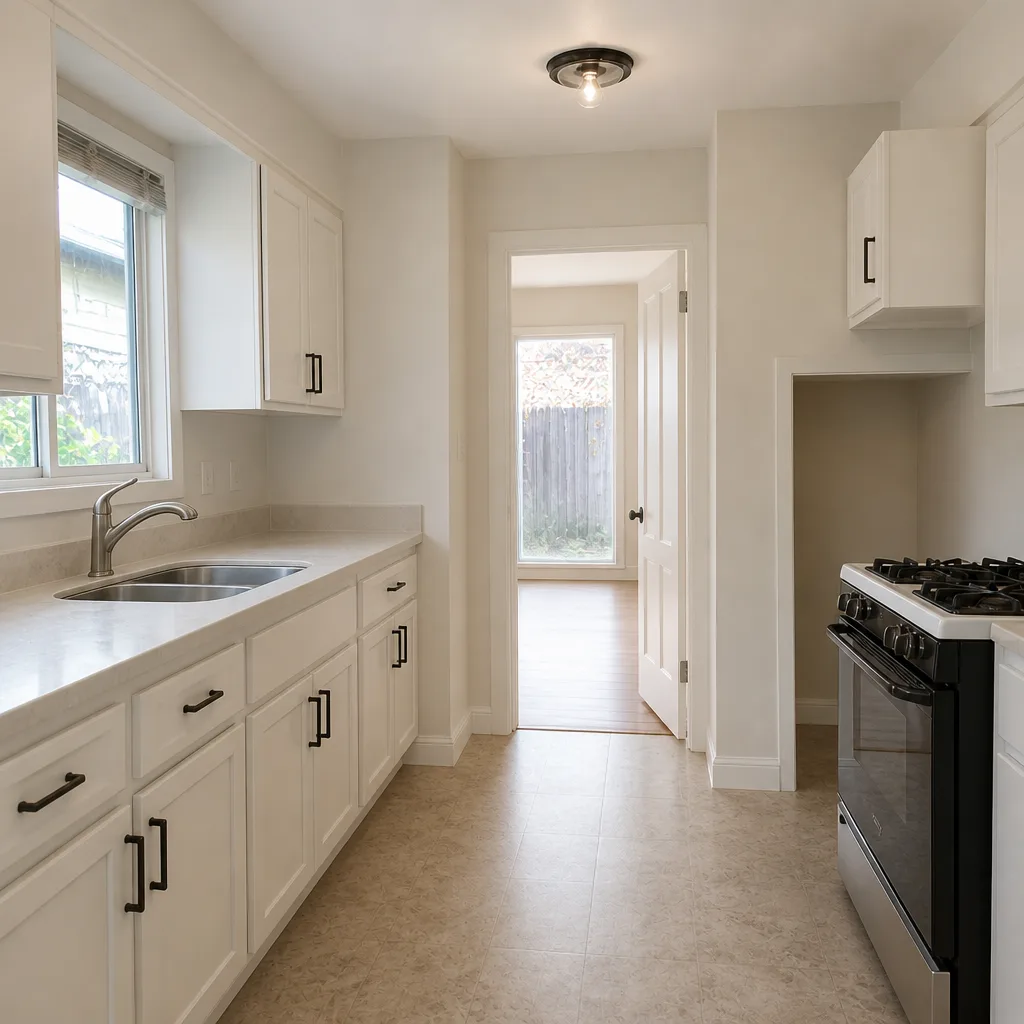 After
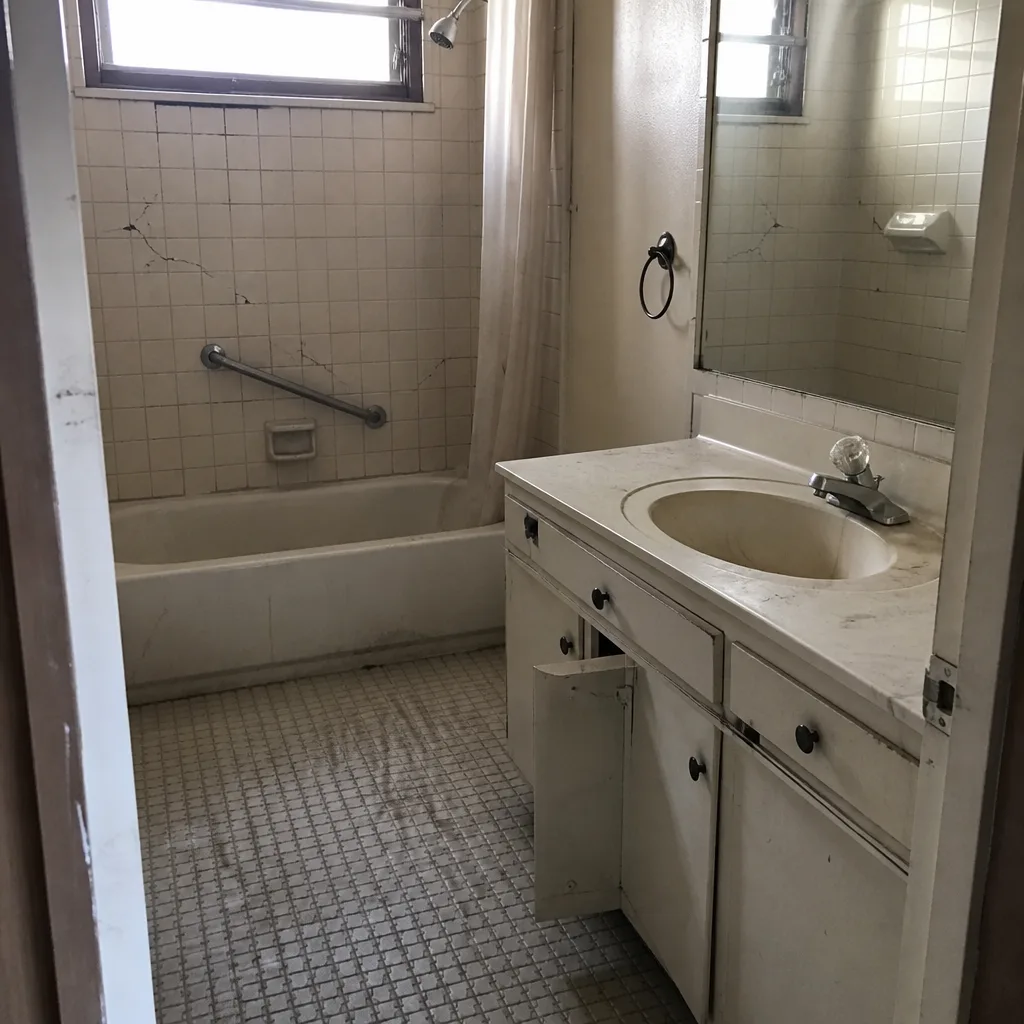
 Before
 After
 Before
 After
When to Call a Professional
Some maintenance tasks are genuinely do-it-yourself. Others aren’t, and the categories are clear. Call a professional if you find: soft or spongy wood anywhere on the frame, sill, or trim; water staining inside the house or behind the interior trim; a door that no longer latches or fits the frame evenly; a multipoint lock that fails to engage on multiple points; a sliding door that drags heavily after roller lubrication; a window that won’t close fully or seal air-tight; or any signs of rot, insect damage, or separation between the frame and the wall. These are the cases where the wrong fix can make the problem bigger. Barrett & Sons Construction San Jose offers free estimates in San Jose – call (844) 320-5918. Every job includes permits pulled where required, a written change order before any price change, and our 90-Day Done Right Promise in writing on the contract.
Frequently Asked Questions

Check every exterior caulk joint once a year, in October, before the rainy season starts. San Jose’s dry season is forgiving on caulk, which means failures stay invisible until the first real rain finds them. An annual October inspection catches small gaps before they leak.
Water that can’t drain out of the frame stays in the frame. It works its way behind the sliding door track, into the sill, and eventually into the wall cavity. In San Jose homes, we most often find it as staining or soft sill material, months after the actual failure started. Clear them twice a year and this problem mostly disappears.
You need to lubricate it. Hinges, rollers, cranks, and multipoint locks have moving parts that wear faster without lubricant, and the wear is expensive to reverse once it starts. A light oil or spray lubricant once a year – September, ideally – is all it takes.
Plan on 5-10 years, with doors in heavy daily use or full sun aging faster. San Jose’s long dry season actually shortens the lifespan because the material bakes rather than stays flexible. Replace when you can feel air movement around a closed door or see daylight through the gap.
It can be, particularly on the specific tasks where the failure is invisible – checking sealant joints, inspecting for early rot at the sill, evaluating multipoint locks and weatherstripping condition. A ten-minute monthly walkthrough catches most things, but a once-a-year professional look catches the failures that aren’t visible from inside. Call (844) 320-5918 for a free estimate – estimates are free and there’s no trip charge inside Santa Clara County.
That’s a common outcome for older wood units that haven’t been maintained in a decade or more. Replacement costs run $600-$2,500+ per opening in the San Jose market, depending on size and material. We install Andersen and Marvin windows and quote every project in writing before work begins, with change orders for anything that changes along the way.
The Bottom Line
Maintenance isn’t one schedule – it’s a schedule per material, per component, per exposure. Vinyl needs cleaning and weeping clearance. Aluminum-clad needs touch-up paint and gasket checks. Wood needs finish inspection before every rainy season. Fiberglass mostly needs hardware attention. The two dates that matter most for San Jose homes are September for hardware and October for seals. Clear weep holes twice a year. Keep a photo log. And if you find soft wood, an uneven door, or water staining inside, stop and call instead of caulking over it. When you need that professional look, we’re here – (844) 320-5918, and Barrett & Sons picks up the phone day or night.
Written by the team at Barrett & Sons Construction San Jose.