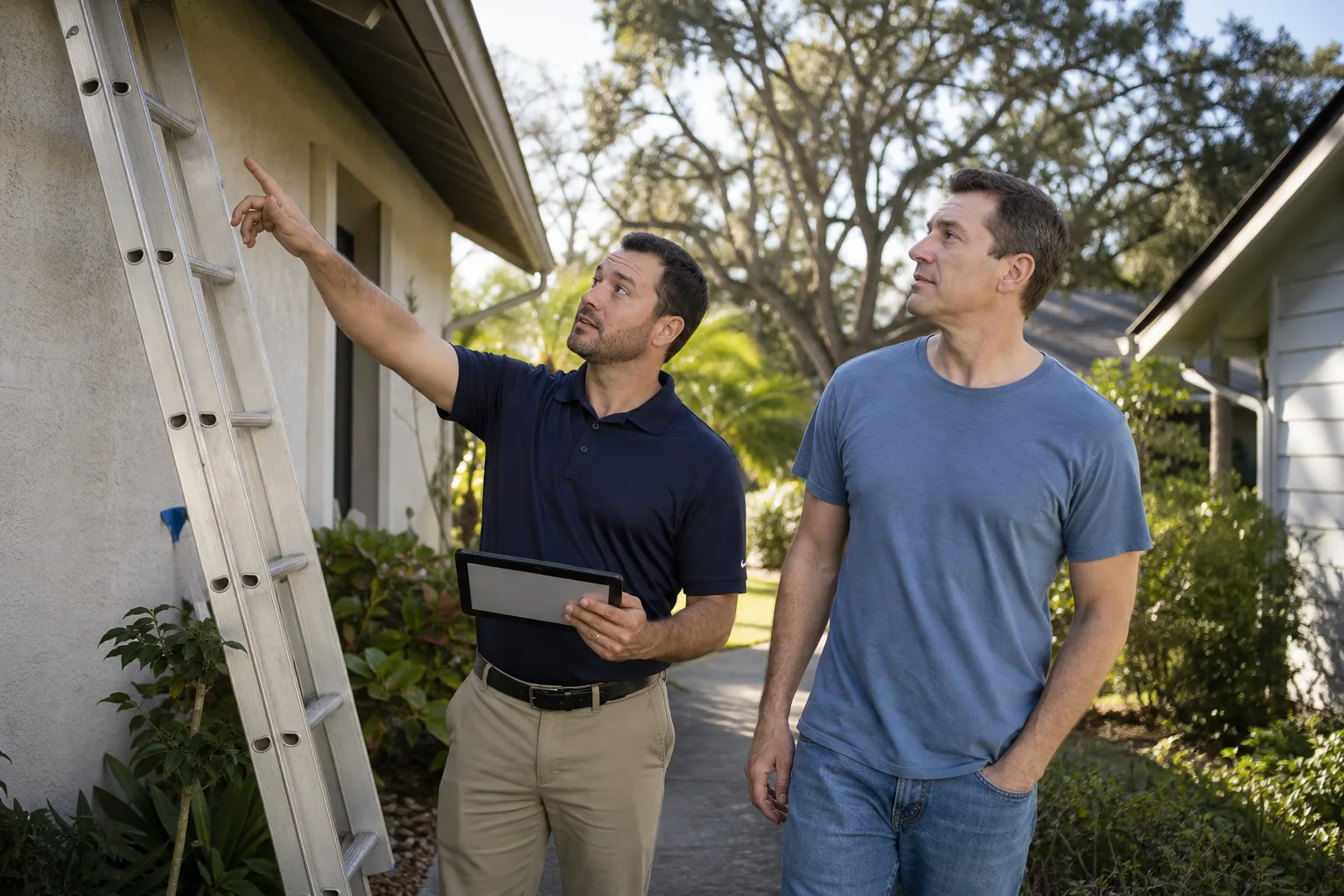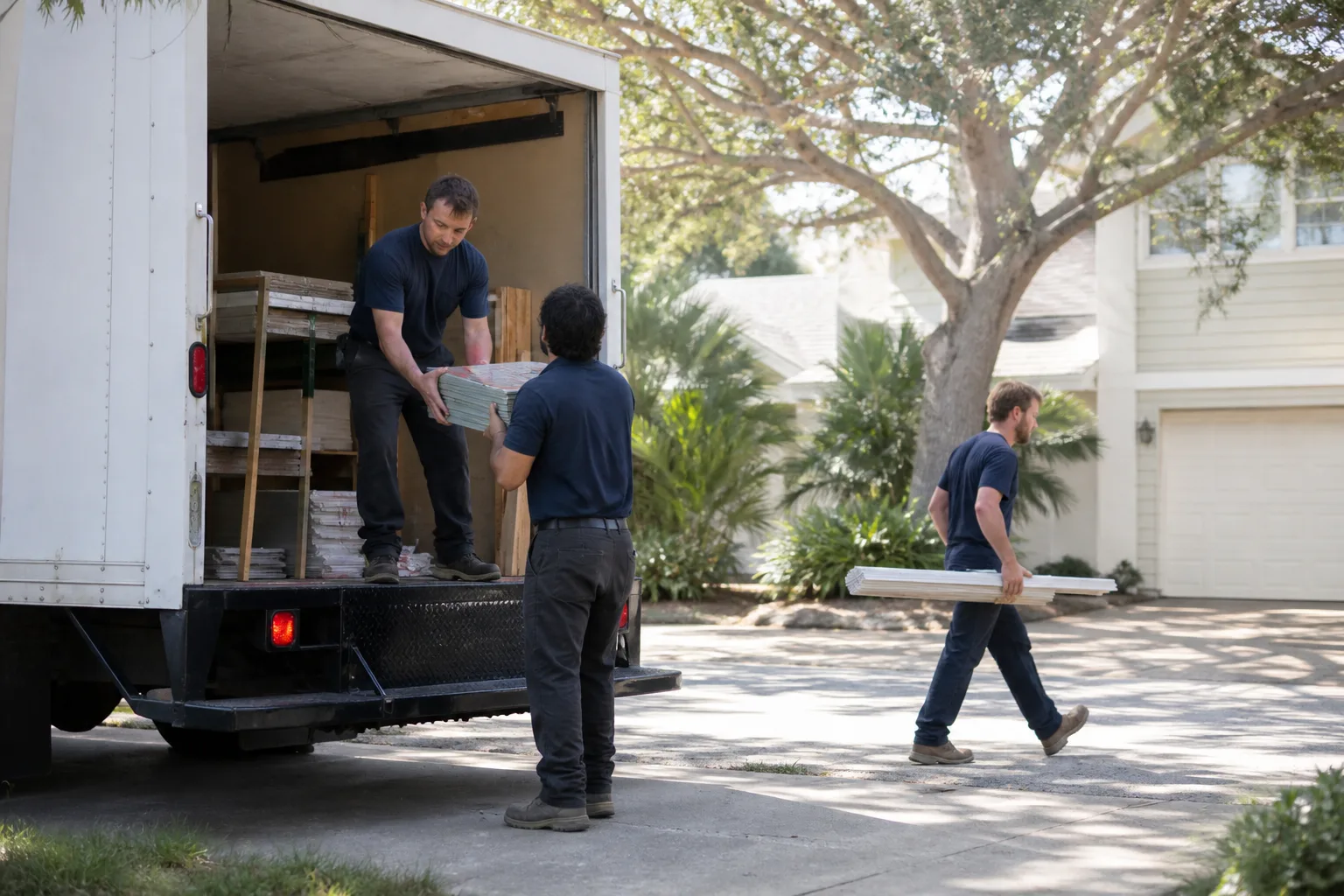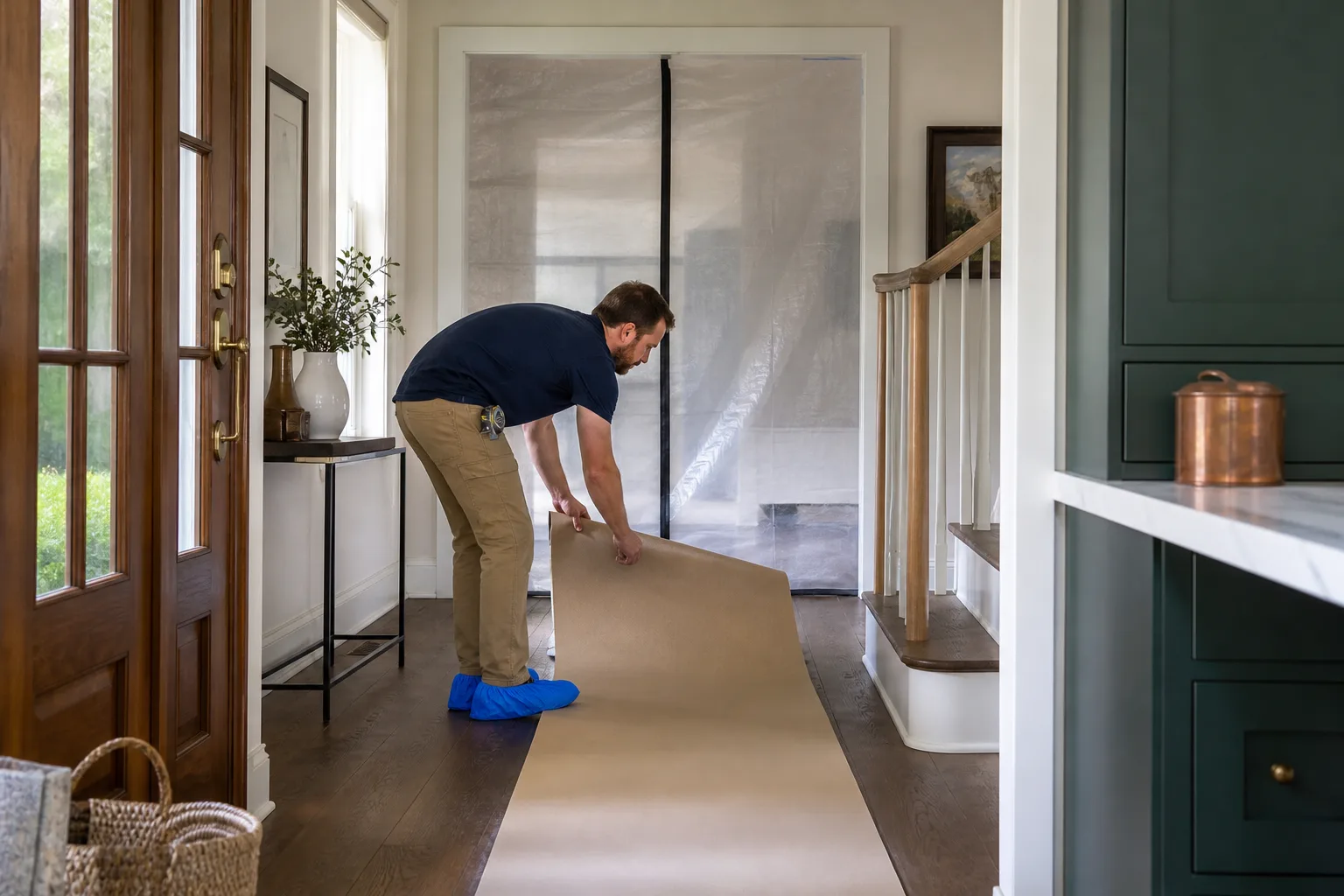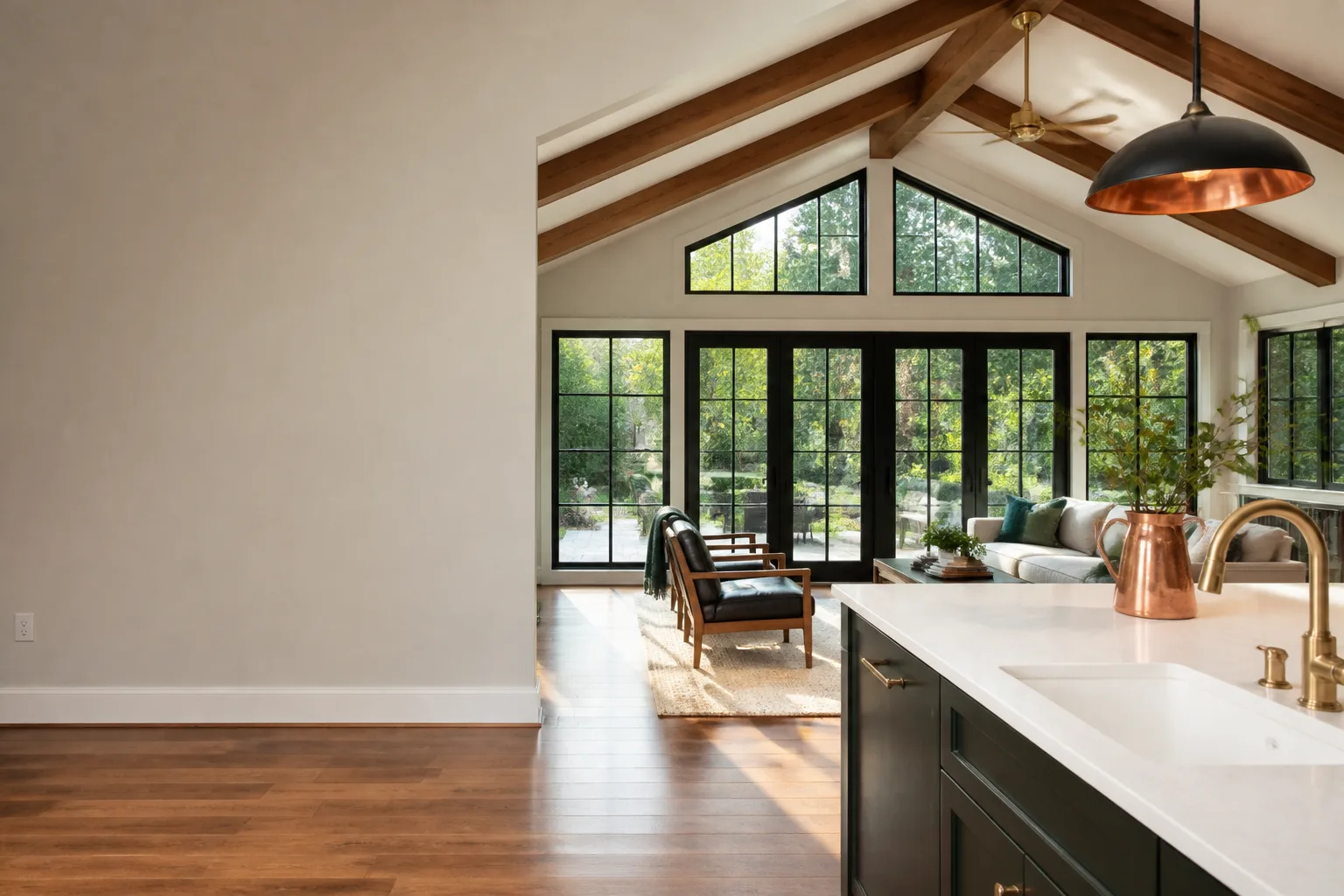

Free written scope consultation - allowances, timeline, and change-order rules on paper before a single trade is scheduled
Styles & brands we work with
- Kitchen remodeling
- Bathroom remodeling
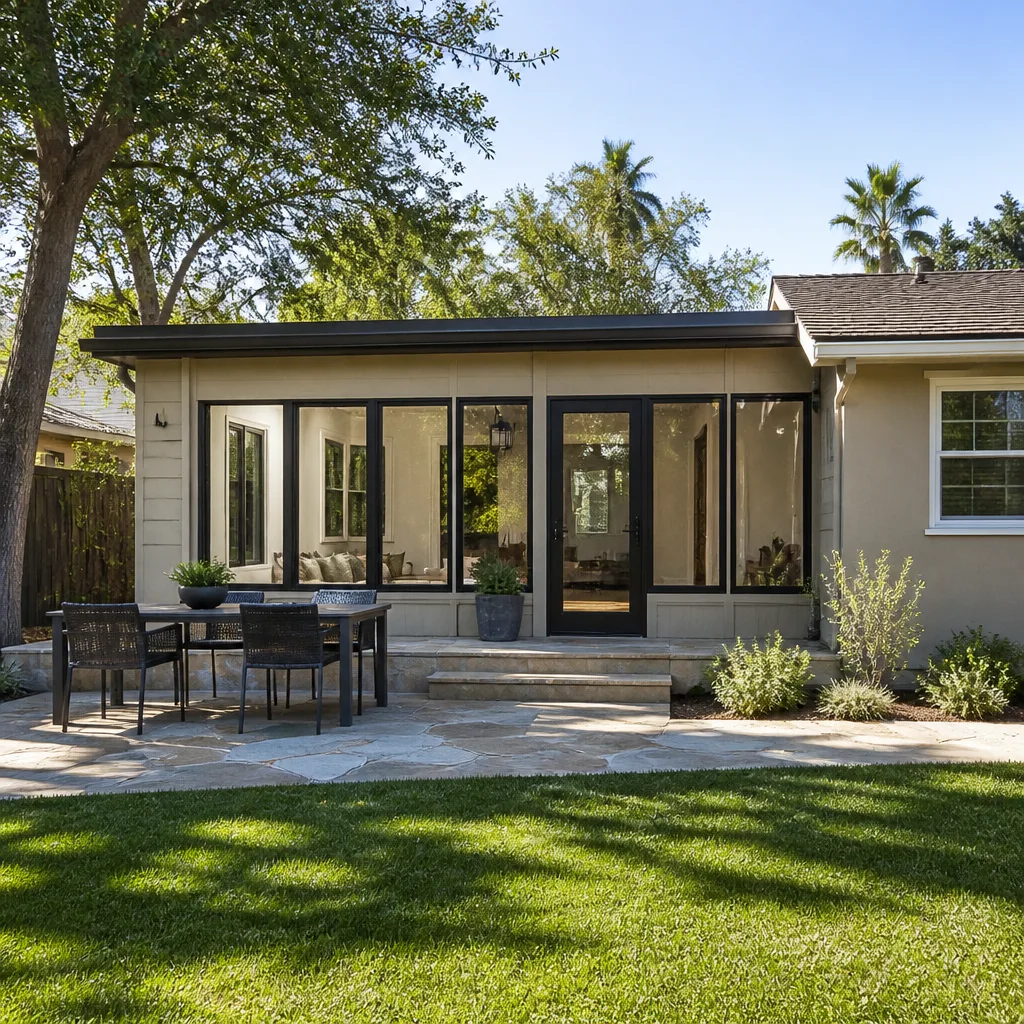
- Home additions & ADU
- Roofing
- Windows & doors
- Driveway & pavers
- Fence
See the difference
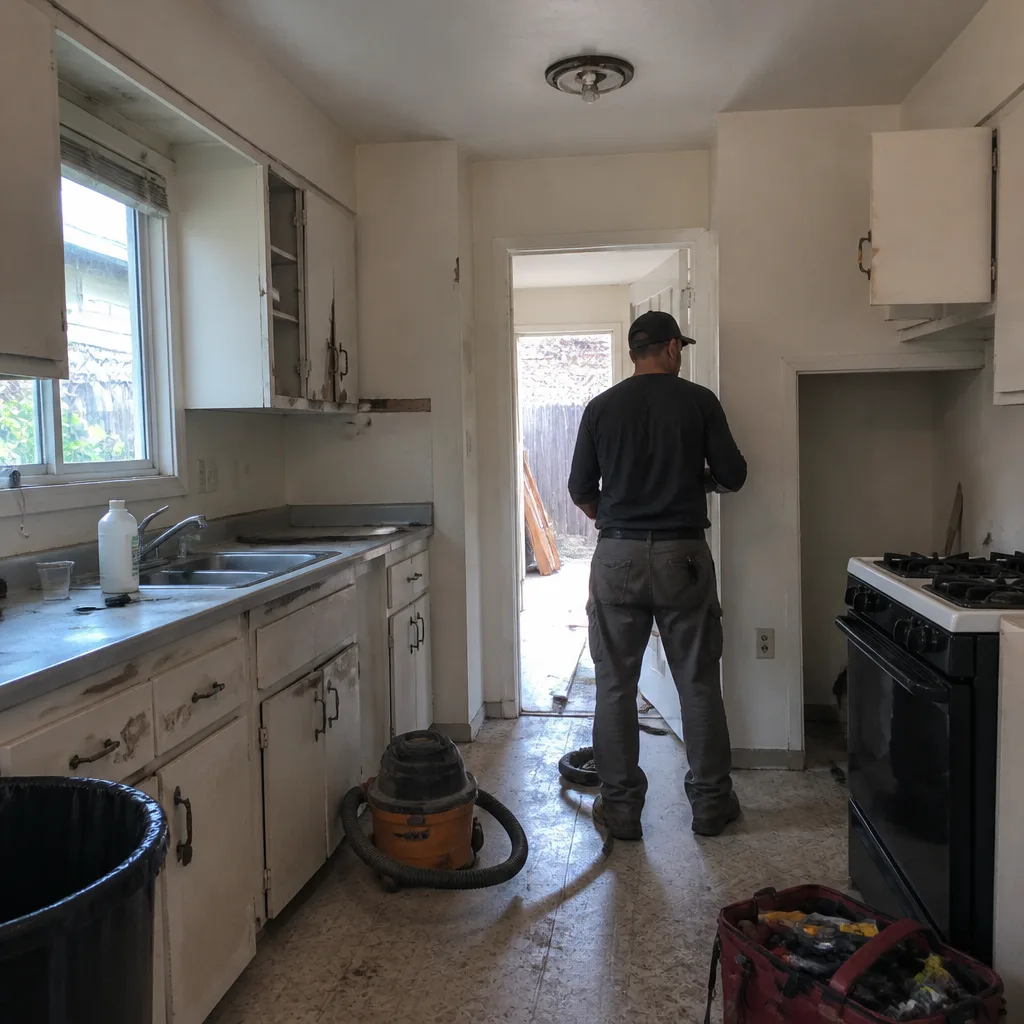 Before
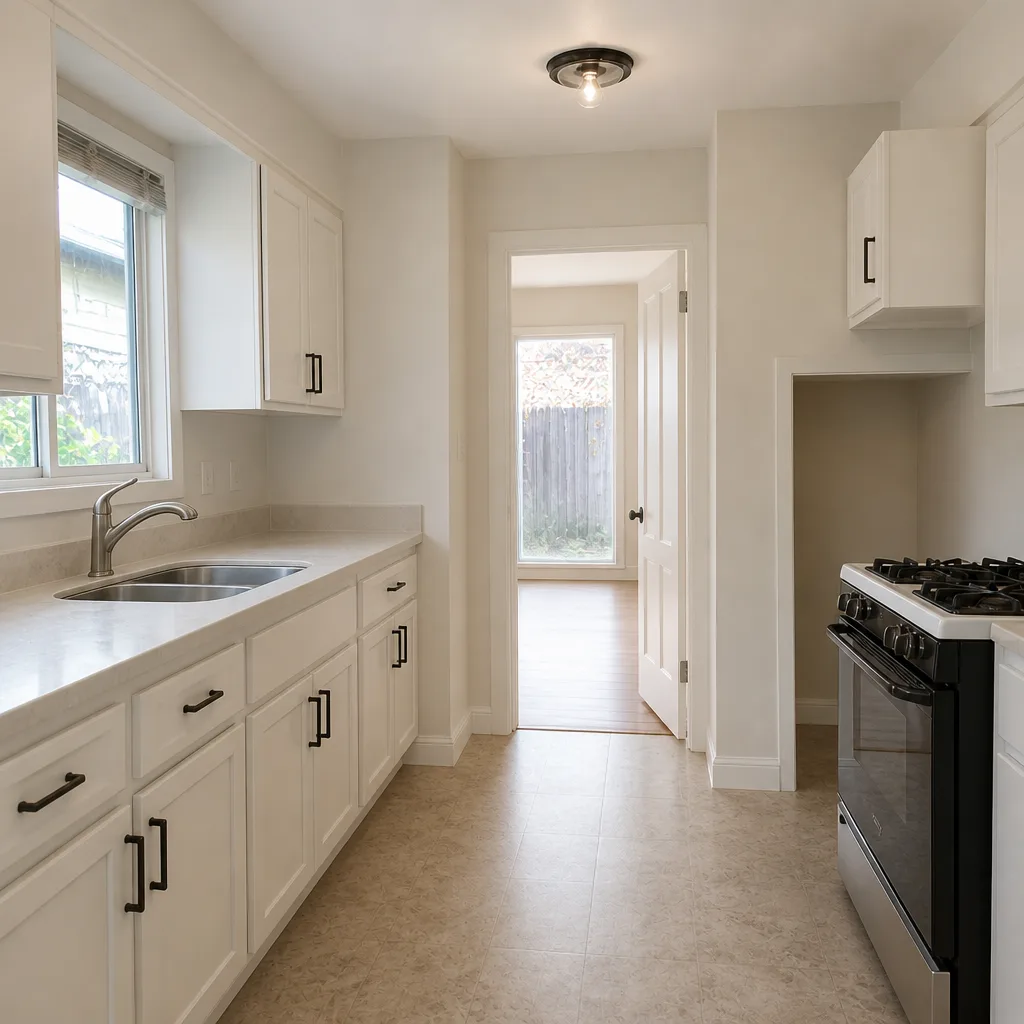 After
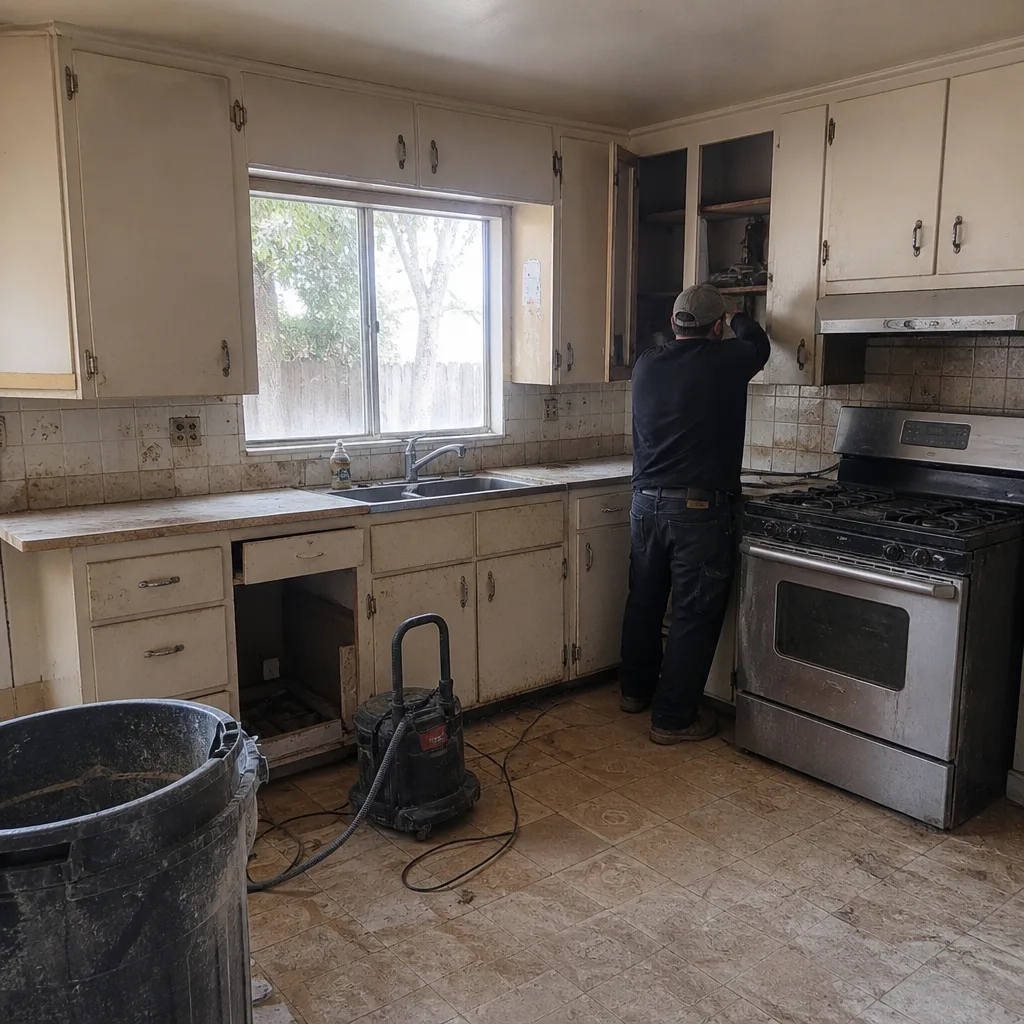 Before
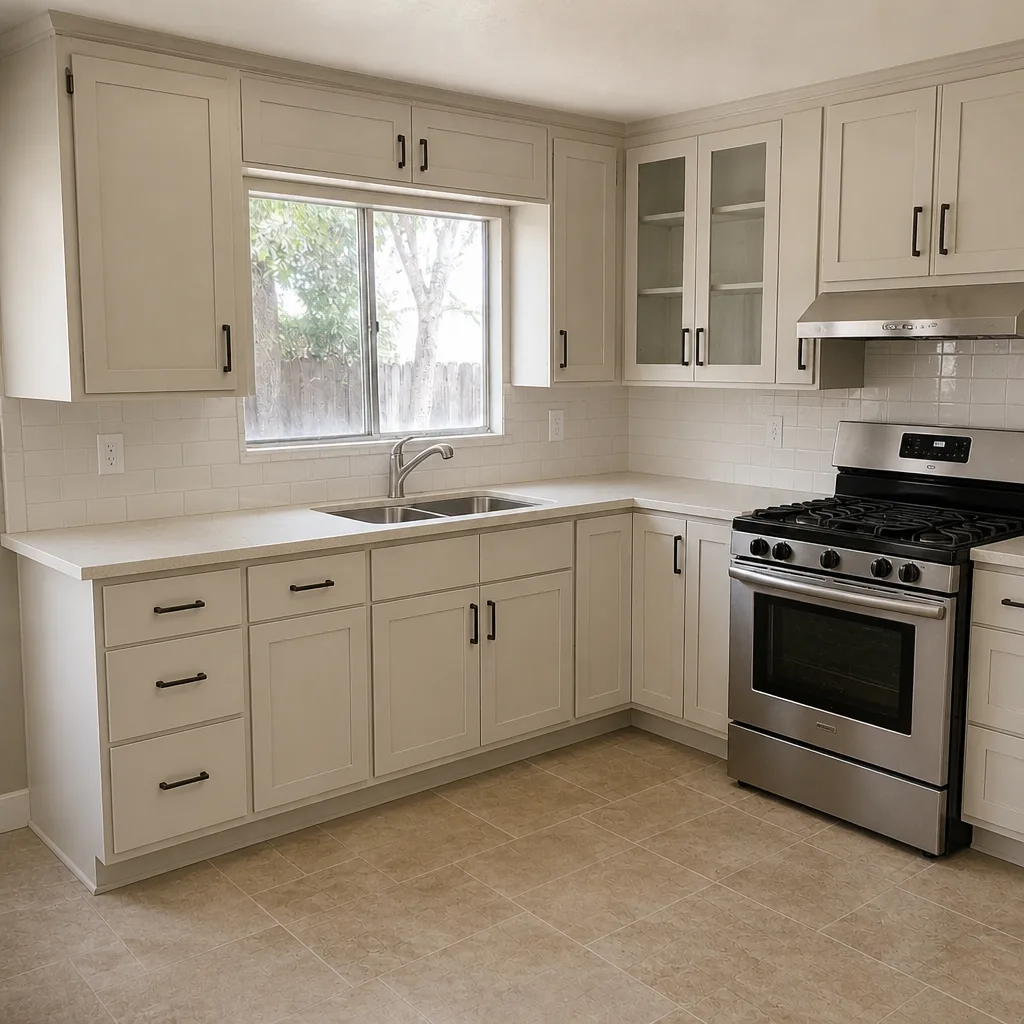 After
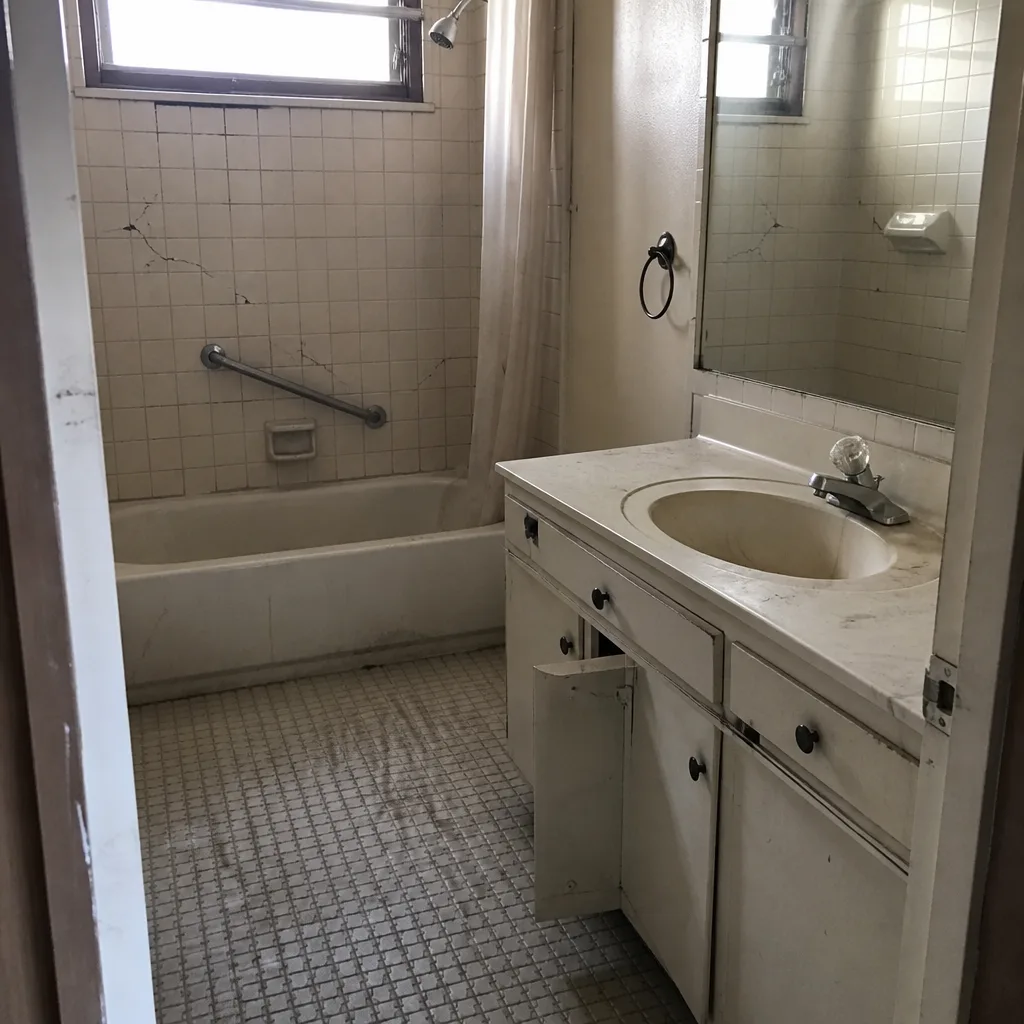 Before
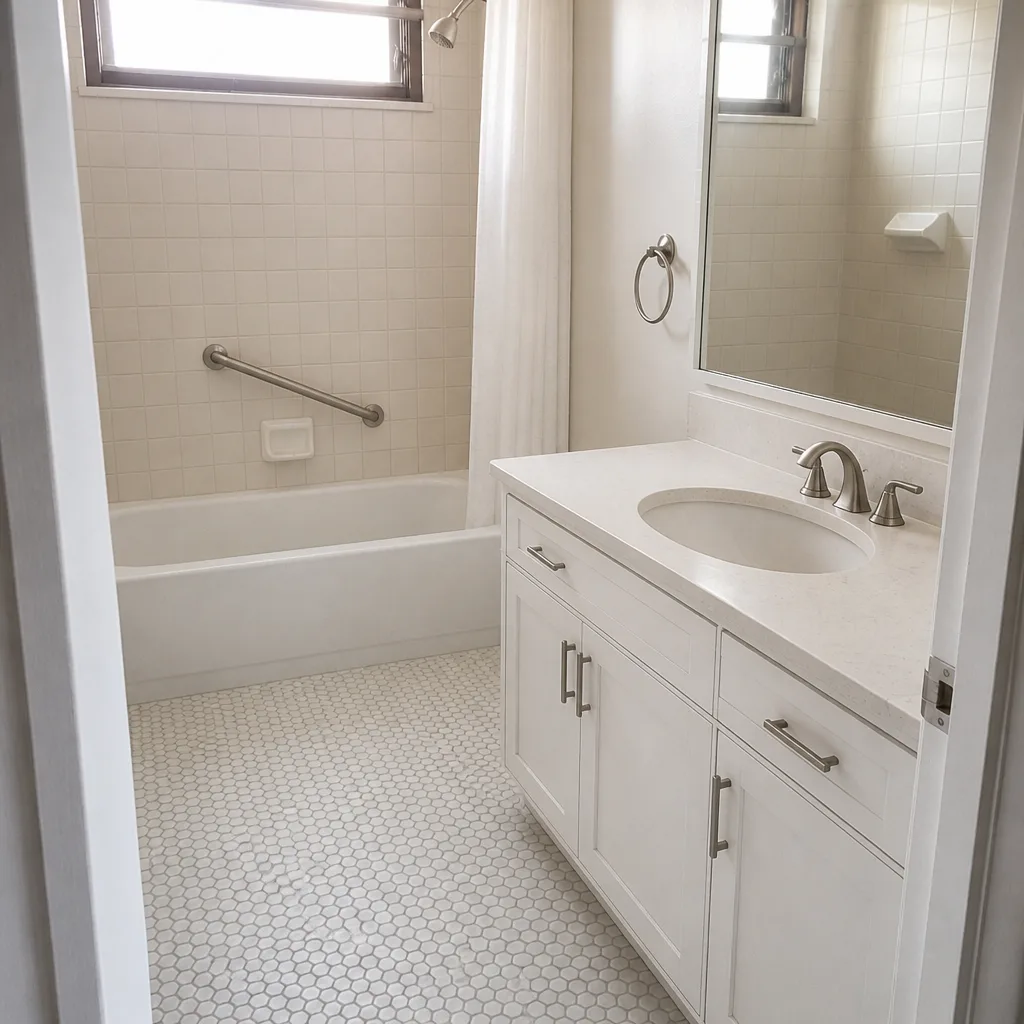 After
What Does a General Contractor Do? A San Jose Answer
A general contractor plans your project, pulls the permits, hires and sequences the trades, manages the budget and schedule, and makes sure the finished work passes inspection and matches what you signed. In San Jose, that job has a second half most people don’t hear about: steering your project through the city’s permit counter, Title 24 energy rules, neighborhood-compatibility review, and an inspection queue that can add weeks when it’s handled badly. Call (844) 320-5918 if you’d rather have someone walk the process with you.
Key Takeaways
- A GC is the person who carries the paperwork, the legal responsibility, and the sequencing of every trade on your job.
- In San Jose, “pulling permits” is a multi-step process: plan submission, Title 24 energy compliance, structural calculations, and inspection scheduling.
- Written change orders are a core GC service, not an add-on – every scope change gets documented before work happens.
- The job isn’t finished when the crew leaves. It’s finished when you’ve confirmed everything works and a call brings someone back to fix what doesn’t.
Why San Jose Makes the Job Bigger Than Trade Coordination
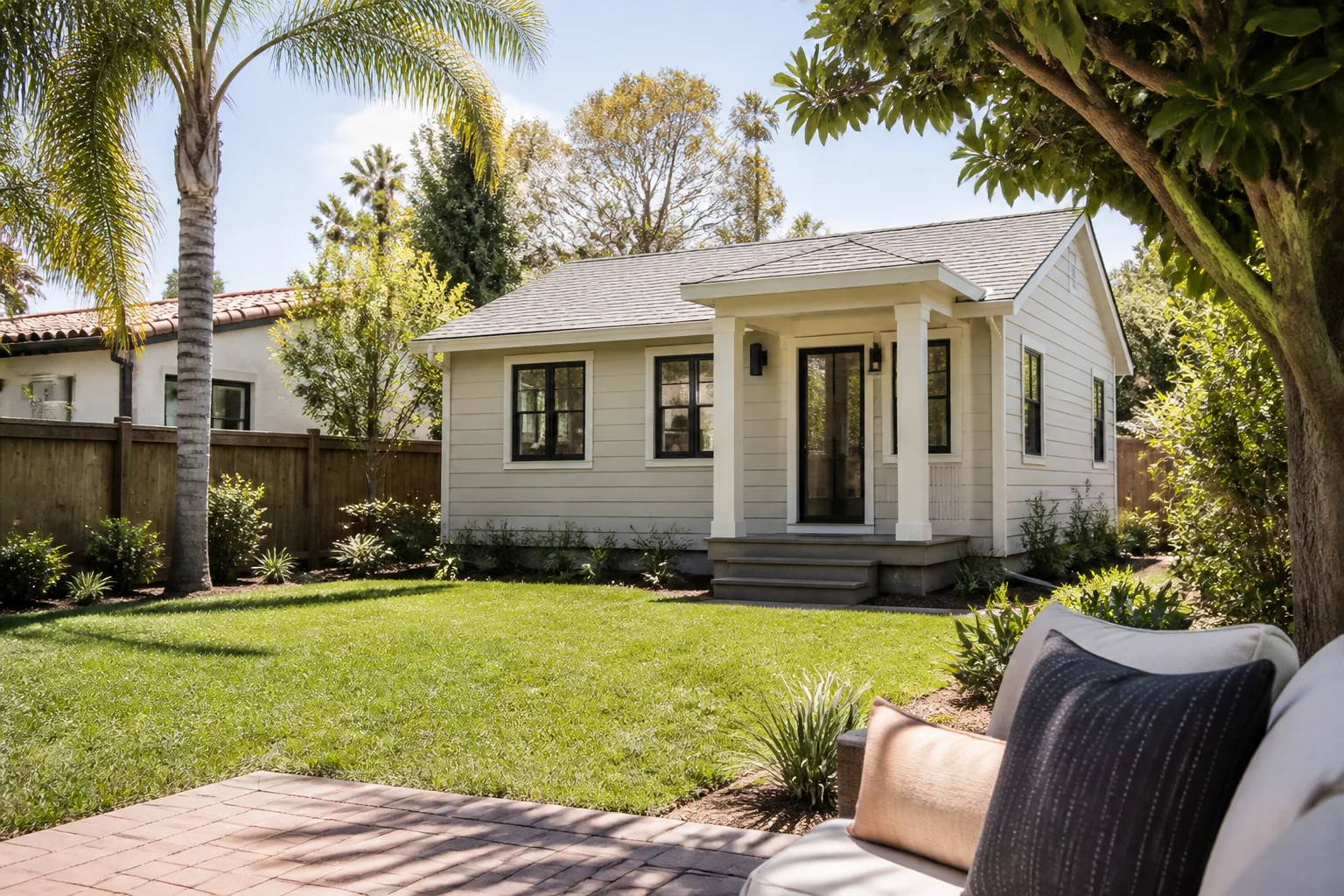
In most U.S. markets, a GC coordinates trades and pulls permits. In San Jose, where nearly every project touches ADU rules, SB 9 lot-split questions, or neighborhood design review, a GC who doesn’t know the city’s approval process isn’t saving you money. They’re just moving faster toward a stop-work order.
San Jose construction is dominated by infill and ADU work inside a mostly built-out city. The 2020s state ADU law changes, combined with San Jose’s own pre-approved ADU plans and SB 9 lot-split rules, turned a suburb of single-family homes into a dense patchwork of backyard units and lot splits. Contractors here are constantly threading new structures into existing lots under tight zoning review.
That’s why the neighbors in Willow Glen and Cambrian so often fight two-story additions and backyard units over privacy and setback views. A San Jose contractor’s real skill is navigating the city’s neighborhood-compatibility and design-review process, not just building. If your GC has never sat through that review, you’re paying them to learn on your project.
What “Pulling Permits” Actually Involves in San Jose
The phrase makes it sound like a single form. It isn’t. Here’s what the work really looks like on a San Jose job:
- Plan submission: drawings submitted to the city, with the scope clearly matching what will be built. A plan that undersells the work triggers a revision cycle later.
- Title 24 energy compliance: California’s energy code requires documentation on additions, ADUs, and many remodels – including the all-electric construction direction the city has been pushing.
- Structural calculations: anything touching framing, foundations, or load gets engineered documentation before the city will approve it.
- Inspection scheduling: foundation, framing, rough-in, and final inspections happen in sequence. Miss a scheduling window or fail an inspection on a technicality and the queue can add weeks to your timeline.
Pulled and inspected correctly, the permit process protects you – the inspector works for you, not for us, and that’s exactly why we insist on it. Every eligible job at Barrett & Sons Construction San Jose goes through permits and signed inspections. Every price change lands as a written change order before a single nail moves. An allowance that isn’t on paper is a surprise waiting for a date.
For planning purposes, here are the ranges San Jose homeowners are typically working with on the projects that prompt these questions:
| Project | Typical San Jose Range |
|---|---|
| Home addition | $53,100-$153,400 |
| ADU construction | $106,200-$259,600 |
| Garage conversion | $35,400-$94,400 |
| Full kitchen remodel | $16,520-$53,100 |
| Full bathroom remodel | $10,620-$33,040 |
| Roof replacement | $9,440-$23,600 |
Those numbers move based on what’s found behind the drywall and what the city requires. They don’t move based on what someone quoted you on the phone before seeing the site.
Who’s Actually Managing Your Electrician and Plumber?
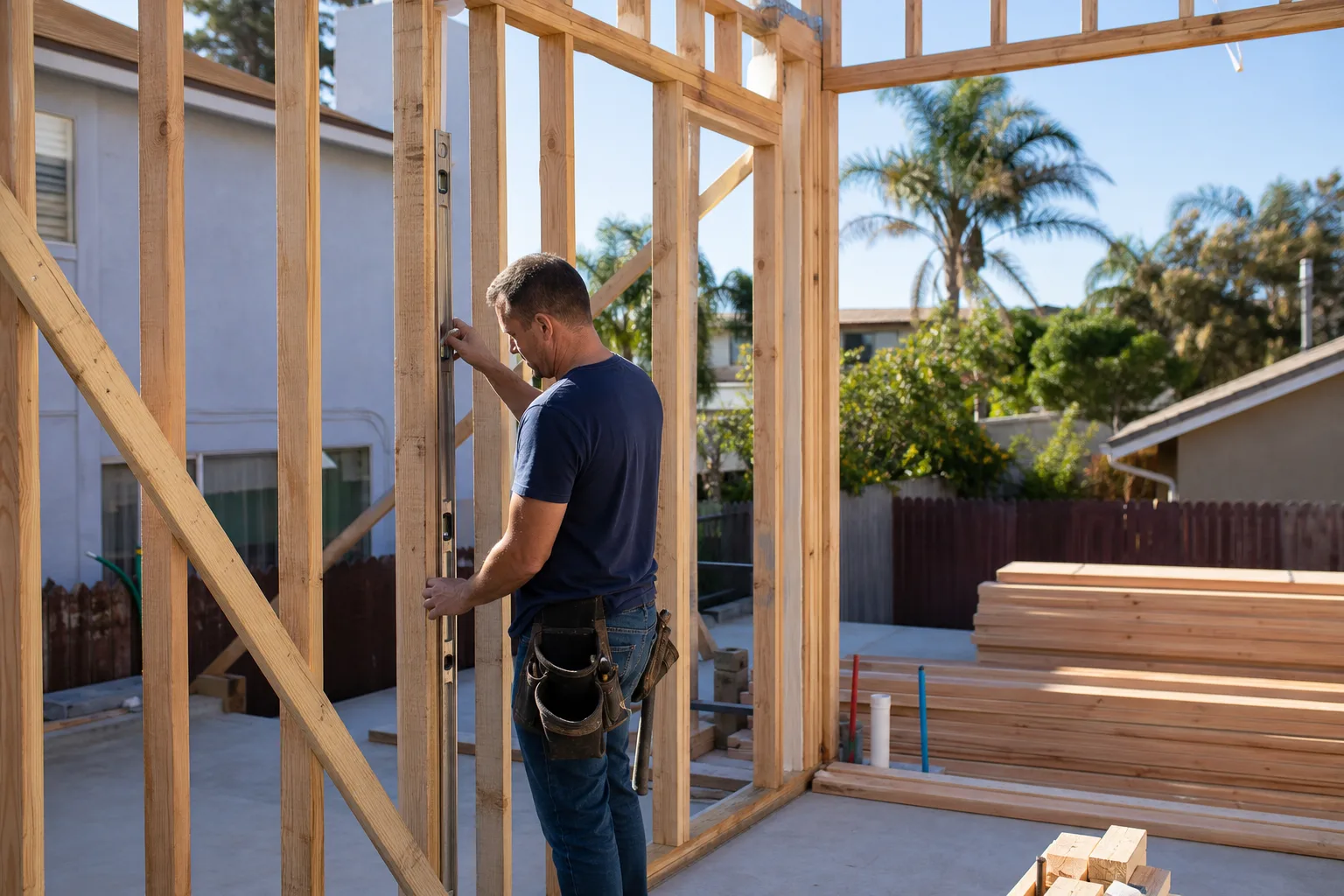
On many jobs, the answer is a project manager hired a few months ago by a company you’ll never meet. That’s the gap owner-operated construction closes. At Barrett & Sons, the crews are run by the owner’s sons. The people coordinating your electrician, your plumber, and your framer are the same people who signed your contract.
That matters when the unexpected shows up. And in San Jose it shows up: 1950s-70s ranch tract homes in Willow Glen, Cambrian, and Blossom Valley routinely hide aging stucco-and-wood-frame conditions once you open a wall, and older pre-war bungalows near downtown can surprise even experienced crews. When there’s a decision to make, it gets made by someone with a stake in the outcome – not relayed up a chain.
Our technicians have up to 28 years of experience, and the crew members carry the Barrett & Sons name and go through background checks before they set foot on your property. When you’re choosing finishes, we work in named brands you can look up – Kohler and Moen fixtures in bathrooms, for example – because materials you can research are materials you can trust.
Written Change Orders: Project Management, Not Paperwork
Most homeowners think of change orders as bureaucratic noise. They’re not. Documenting every scope change before it happens is the difference between a project that ends on the number you discussed and one that ends with a surprise invoice. It’s one of the core things a GC does: keep the scope, the allowances, and the price aligned at every step.
If your existing estimate has line items described as “TBD” or allowances with no cap, ask about it before you sign. That’s not a bargain, it’s a gap. We put every allowance in writing and issue a written change order every time scope shifts. No one has to argue at the end because nothing at the end is a surprise.
What Happens After the Crew Leaves
The last phase of a GC’s job is often the one nobody explains. A job isn’t done when the crew pulls out of the driveway. It’s done when the homeowner has confirmed the work performs as promised, and when a call brings someone back to fix anything that doesn’t.
That’s what the 90-Day Done Right Promise covers. It’s written into every contract: if something isn’t right in the first 90 days, one call brings us back to make it right. Not a claims process, not a callback queue. One call. That promise is part of what a GC does, not a marketing line bolted onto the end of the job.
Common San Jose Scenarios We Get Asked About
An ADU going in behind an existing ranch home. This combines San Jose’s pre-approved plan options with site-specific zoning review, utility tie-ins, and inspection sequencing. Getting the review right up front is usually the difference between a smooth build and a months-long revision cycle.
A second-story addition in Willow Glen or Cambrian. Neighbors frequently object on privacy and setback grounds, and the neighborhood-compatibility review is where those objections get resolved. A GC who has navigated that review knows what to document and how to present the plan.
Aging stucco-and-frame home with hidden repairs. A kitchen or bathroom opened up in a 1950s tract home often reveals framing or drainage issues that require a change order before work continues. Grading on expansive clay soils comes up too, since San Jose’s dry-summer climate makes drainage critical around additions and hardscape.
If you’re weighing a bigger project, you can see how these jobs fit together on our home page, where the full range of kitchen, bath, roofing, windows, and addition work is laid out.
FAQs
Not always – but you do need someone who knows when a permit is required and who carries the liability when trades overlap. A single-trade job like a bathroom vanity install often doesn’t need a GC, while anything touching structure, electrical, plumbing, or an ADU almost always does. When in doubt, call (844) 320-5918 and we’ll tell you honestly which category your project falls into.
GC costs in San Jose typically run 10% to 20% of the total project cost, and the most useful number is the total project range rather than the fee alone. A full kitchen remodel runs $16,520-$53,100, a full bathroom remodel $10,620-$33,040, and an ADU $106,200-$259,600. For an exact quote on your scope, call (844) 320-5918 – estimates are free.
Yes – a licensed contractor can submit plans, handle Title 24 documentation, schedule inspections, and manage the city process on your behalf, and you generally don’t need to be present for it. You should still ask for proof that permits were pulled and inspections were signed before work begins. Call (844) 320-5918 to ask how we handle permits on your project.
A general contractor manages multi-trade projects, pulls permits, and carries the liability for the whole scope, while a handyman is limited to smaller repair or maintenance jobs. Once a project touches permits, structural work, or more than one trade, you need a licensed GC. Call (844) 320-5918 for a free assessment if you’re not sure which side of that line your job falls on.
If you’d rather have it looked at, Barrett & Sons Construction San Jose offers a no-pressure assessment in San Jose – call (844) 320-5918. We’ll walk your project through the city process with scope, allowances, and change orders in writing before anything starts.
Written by the team at Barrett & Sons Construction San Jose, serving San Jose, CA.