Last updated November 18, 2026
Free written scope consultation - allowances, timeline, and change-order rules on paper before a single trade is scheduled
How Long Does Windows & Doors Take? Timelines and What to Expect
The windows get installed in a day. Getting the right windows to the job site in San Jose takes four to eight weeks, and that clock starts the day you finalize your selections, not the day you sign a contract. Most homeowners plan around the installation and forget about everything that comes before it, then spend week six wondering why the crew hasn’t shown up. This guide breaks a window and door project into its real phases, gives honest durations for each in San Jose, and shows you how to ask for a timeline with milestones you can actually hold someone to.
Quick Answer
A typical window replacement in San Jose running six to ten weeks from signed contract to final inspection. The install itself usually takes one to two days for a whole house, but four to eight weeks of that total is fabrication and shipping lead time on the units, and one to three weeks can go to permitting depending on whether your job qualifies for over-the-counter approval. Custom-sized units for older homes with non-standard openings add another two to four weeks.
Styles & brands we work with
- Kitchen remodeling
- Bathroom remodeling
- Home additions & ADU
- Roofing
- Windows & doors
- Driveway & pavers
- Fence
Table of Contents
- The Six Phases of a Window and Door Project
- Phase 1: Selection and Measurement
- Phase 2: Permit Application and the San Jose Variable
- Phase 3: Fabrication and Lead Time
- Why Custom Sizes Add Two to Four Weeks
- Phase 5: Installation Day and Beyond
- How Sequencing Affects Interior Finish Work
- Questions That Get You a Real Timeline
The Six Phases of a Window and Door Project
Break the project down and the math gets clearer. Here’s how a whole-house replacement actually unfolds in San Jose, with realistic ranges for each phase. Some run in parallel, but the front-loaded phases almost never do.
- Selection and measurement: 3 to 10 days. You choose product, glass package, and finish; the crew does field measurements. Custom measuring against an existing rough opening takes longer when the house is old.
- Permit application: 5 days to 3 weeks. Simple like-for-like replacements can move through over-the-counter review. New openings or structural changes go to plan check and sit longer.
- Fabrication and shipping: 4 to 8 weeks for standard sizes, 6 to 12 weeks for custom. This is the long pole.
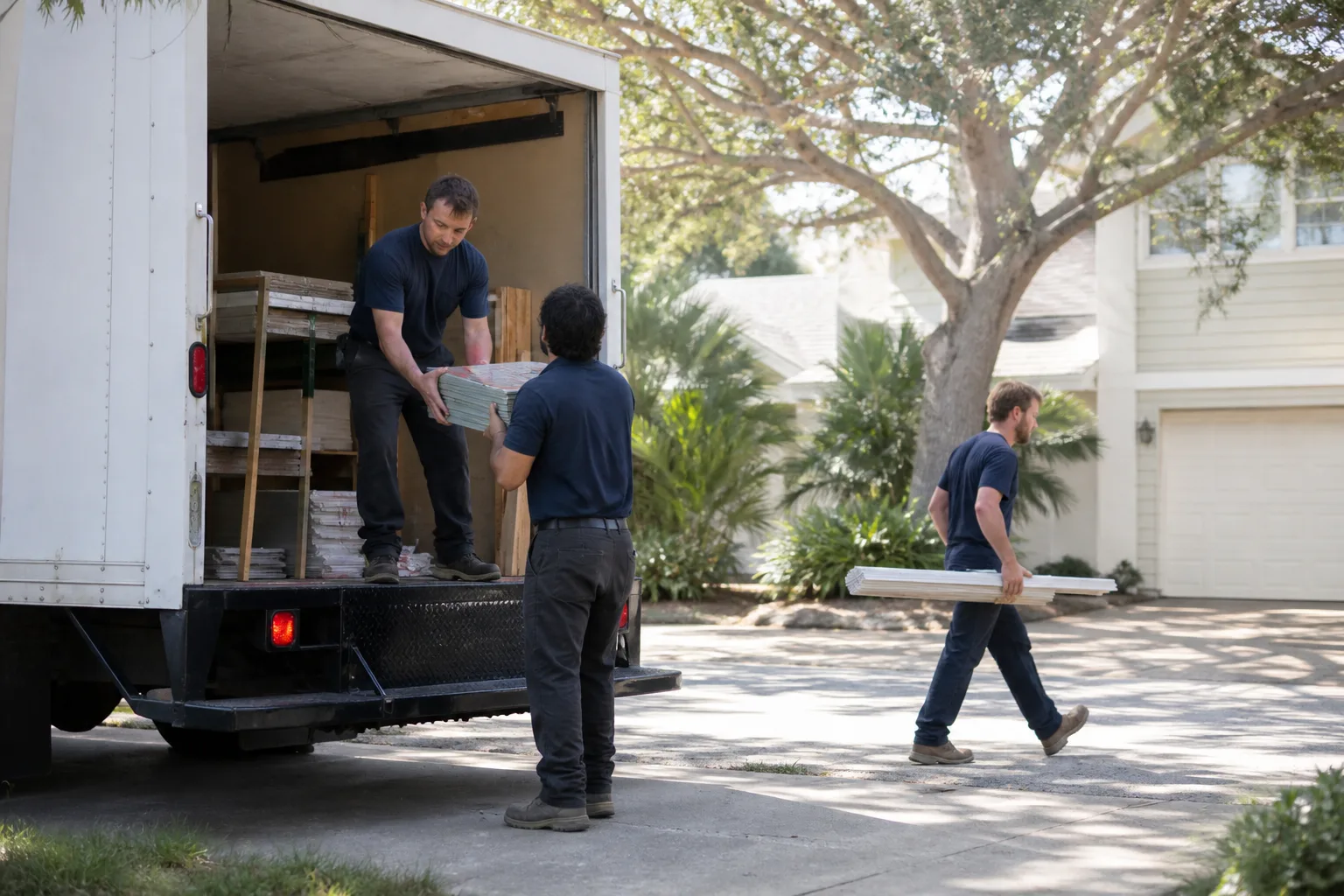
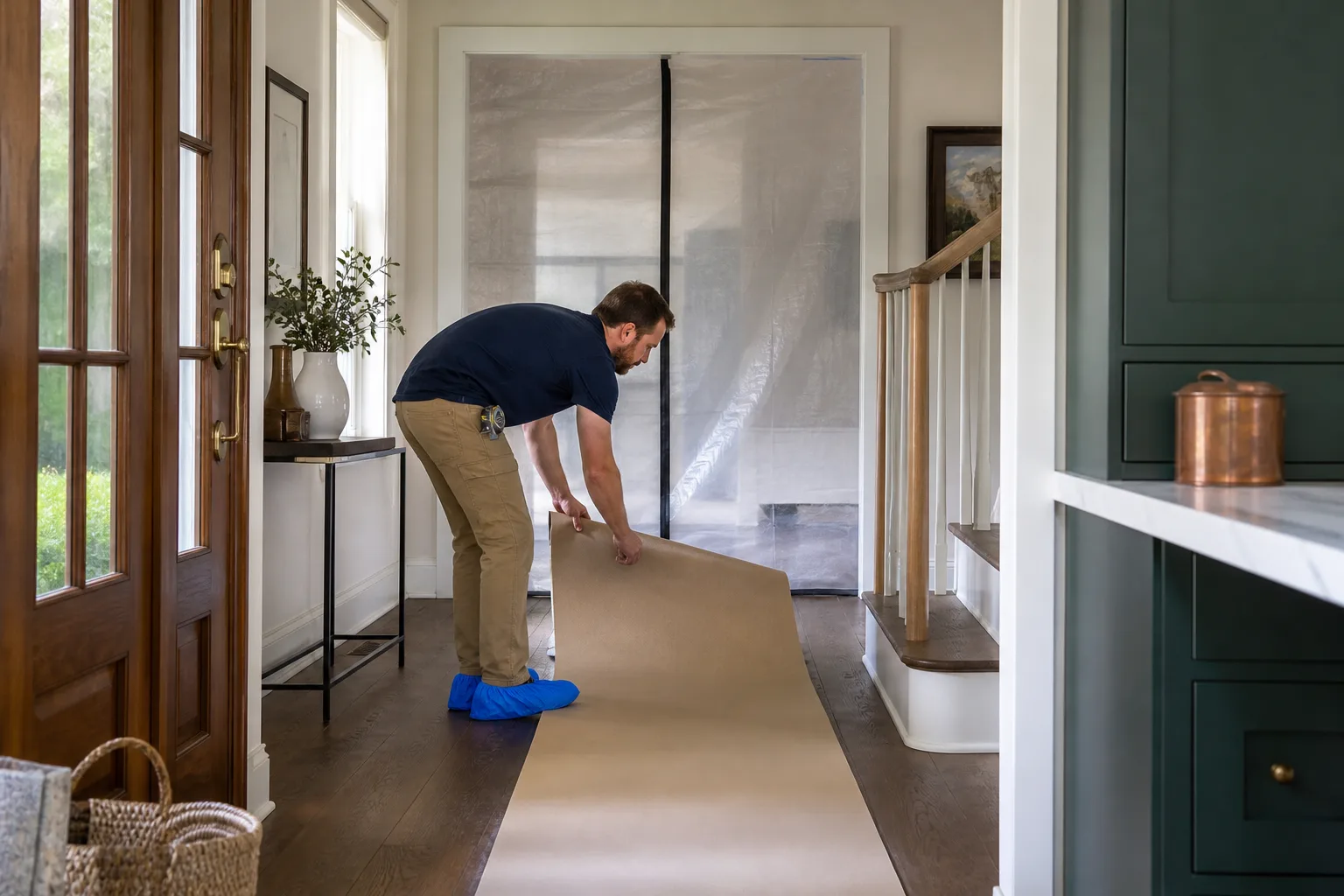
- Pre-installation prep: 1 to 2 days. Site protection, staging materials, verifying the units match the order before anything comes off the wall.
- Installation: 1 to 2 days for most homes. A 20-window house with a two-person crew runs a full day, sometimes two if there’s stucco or trim work.
- Final inspection and punch list: 2 to 10 days. The city schedules the inspection, and then you close out punch items before final payment.
Add it up and you’re looking at six to ten weeks from contract to final sign-off for a standard San Jose replacement. The number that surprises people isn’t the install. It’s the fabrication block sitting in the middle.
Phase 1: Selection and Measurement
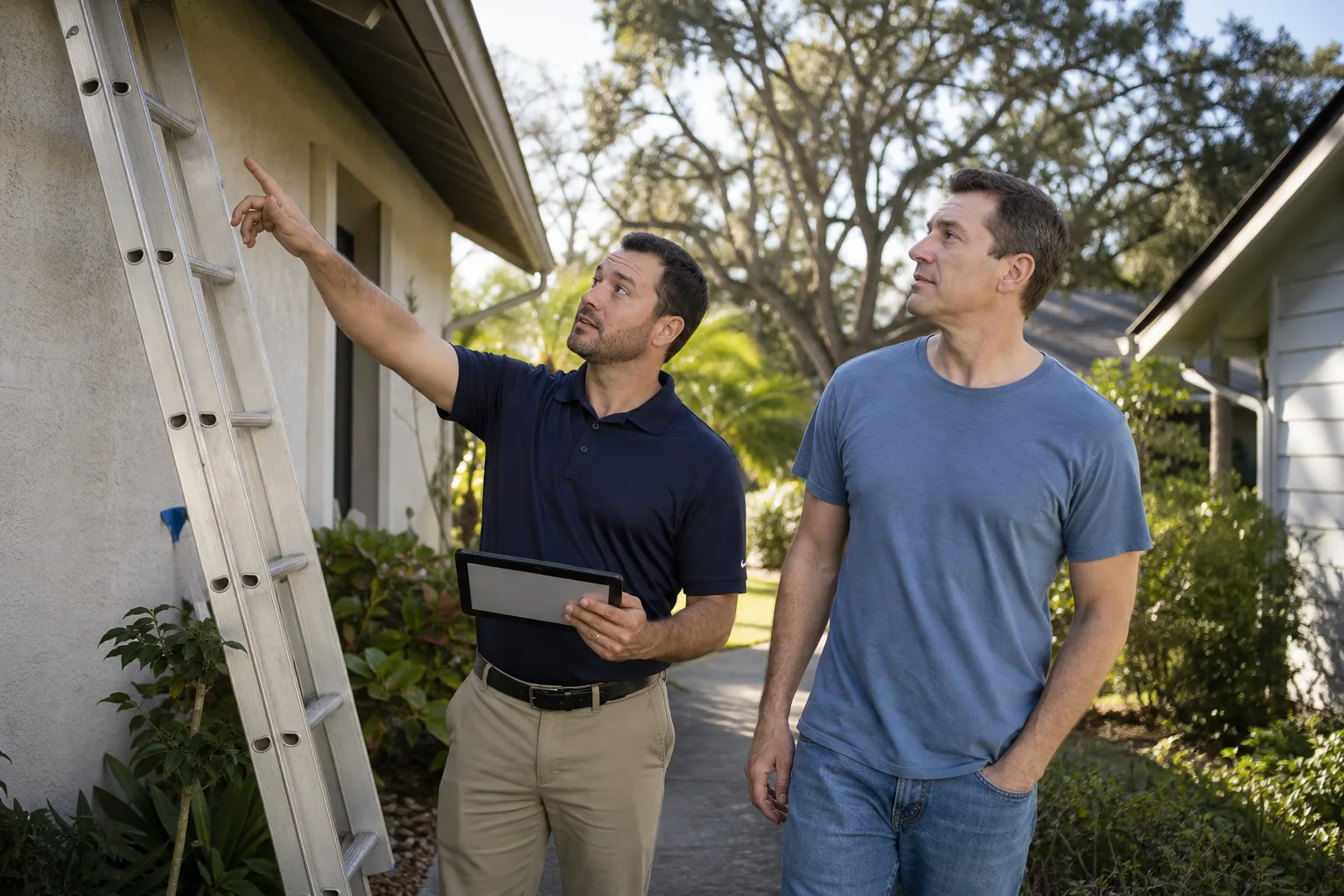
The selection phase is where most delays are born, because it depends on decisions only you can make. Choosing a product line, glass package, grille pattern, and finish can take a single afternoon or a month of second-guessing. We’ve watched plenty of homeowners spend three weeks deciding between two grille styles, then get annoyed that the timeline slipped. Those three weeks were the timeline.
Field measurement is the other half. On a house built before 1980, particularly in neighborhoods like Willow Glen, Rose Garden, and the older stretches of Naglee Park, rough openings rarely match a stock size. The crew needs to document exactly what’s in the wall before anyone can price or order. That measurement happens one of two ways:
- Onsite measurement by the installer: most accurate for older homes, adds a day or two to the front end, avoids the “the unit doesn’t fit” catastrophe.
- Contractor-supplied dimensions from your plans or a prior report: fine if you have accurate measurements already, riskier if the house has been modified over the decades.
Barrett & Sons installs Andersen and Marvin windows across San Jose, and both lines offer stock and custom configurations. Knowing which side of that line you’re on before you sign anything is the single biggest timeline variable. Ask the question in the first conversation, not the third.
Phase 2: Permit Application and the San Jose Variable
San Jose handles window permits two ways, and which track you get on changes your schedule by weeks.
Over-the-counter (OTC) permits apply to like-for-like replacements where the opening size, location, and structural support don’t change. Same size, same location, new unit. The city reviews these at the counter, and the permit is often issued the same day or within a few business days. If your project is straightforward window swaps, this is the track you want.
Plan check applies when you’re adding a new opening, enlarging an existing one, changing the structural framing around a window, or converting a window to a door. Plan review in San Jose can take one to three weeks on a simple job and longer if the plans come back with corrections. Corrections mean resubmittal, and resubmittal means another review cycle.
Here’s the part homeowners don’t hear often enough: the permit inspector works for you, not for us. That’s why we like the process. A signed-off inspection tells you the work was done to code by someone who wasn’t the person who installed it. Skipping the permit to “save time” trades a two-week review for a problem you’ll discover when you sell the house. Insist on the permit. Then ask who’s pulling it.
For a broader view of how permitting interacts with larger structural work, our page on Home Additions & ADU in San Jose walks through the plan-check side in more detail.
Phase 3: Fabrication and Lead Time
Once the order goes in, you’re waiting on a factory. Standard-size units in common configurations typically ship in four to six weeks. Uncommon configurations, specialty glass, or a door with a sidelight assembly push toward six to eight. Custom sizes land at six to twelve.
Three things can add a week or two on top:
- Glass upgrades: low-E coatings and laminated glass are standard on most premium lines now, but unusual combinations still add a week.
- Finish and color options: a factory-applied finish in a special color runs longer than white.
- Order confirmation delays: if the manufacturer has a question about the dimensions or finishes, the clock stops until it’s answered. A good contractor catches these before submission. A rushed one doesn’t.
What you can control during this block: nothing on the windows, and everything on the interior. Schedule your painting and trim work for the week after the install, not before. Schedule your interior shading consultation for the same window. Assuming the units arrive “any day now” and stacking interior finish work next to installation is how a clean two-day install turns into a two-week mess.
For the exterior side of the house, our Driveway & Pavers in San Jose page covers what a paver project timeline looks like so you don’t accidentally book two disruptive jobs in the same month.
Why Custom Sizes Add Two to Four Weeks
Custom-sized windows are the norm in older San Jose homes. Structures built from roughly 1920 through 1975 in neighborhoods like Willow Glen, the Alameda, and parts of Berryessa commonly have rough openings that don’t match any current stock dimension. Manufacturers build to their own standard rough-opening table, and a pre-1980 house has its own ideas about what a standard is.
Here’s how to know upfront which category your project falls into:
- Ask for a rough-opening measurement before contract signing. Not an estimate from photos, not “it looks standard.” Actual measurements from the installer.
- Compare the measurements against the manufacturer’s stock table. If the opening is within an inch of a stock size, and the trim and casing coverage will hide the gap, you can often use stock.
- Check the wall depth and framing. Deep plaster walls and brick-veneer details often require a deeper jamb than stock, which pushes you into custom even when the opening dimensions matched.
- Ask for a written statement of which side of the line you’re on. “Standard” or “custom with a 24-day adder” needs to be in writing, because it’s the difference between a six-week project and a ten-week project.
If the answer is custom, plan on the longer timeline. Fighting it doesn’t help. The right size unit that fits the house is worth two extra weeks; the wrong unit that requires a stucco patch and a trim rebuild is worth far more.
Phase 5: Installation Day and Beyond
Install day is short. For a whole-house replacement, expect a crew of two to three on site for one to two days. The work moves faster than most people expect, which is why the days that follow get under-planned.
What comes after the crew leaves:
- Inspection scheduling: the city inspector is on the city’s calendar, not the contractor’s. Plan on two to ten days depending on the season and your permit type.
- Exterior touch-up: stucco, siding, or trim patching around the new frames takes a day of its own, ideally after installation and before final inspection.
- Interior trim and casing: one to two days, scheduled after the units are in and curing.
- Paint: a day or two for the room, logistically easy to stack in the week after installation.
- Punch list: the walk-through where you and the crew agree on what’s left. Small items get written down and resolved before final payment.
Doors deserve their own note. A standard exterior door installs in half a day. A sliding patio door or a French door assembly that changes the opening takes longer, sometimes two days, and always carries plan-check implications in San Jose if the header is being modified.
Across all of it, the 90-Day Done Right Promise on our contracts means that if anything comes up after the walk-through, one call brings a crew back. That’s on paper, not in a brochure.
How Sequencing Affects Interior Finish Work
This is where a well-planned project and a badly-planned one diverge even when the windows arrive on the same day.
The rule is simple: everything that requires the wall to be open happens before the wall gets closed. Everything that depends on a finished surface happens after. Most of the schedule chaos comes from getting those two groups out of order.
Here’s a sequence that works in San Jose:
- Finalize selections and order windows. This starts the lead-time clock.
- Pull the permit and schedule inspection. Permit at the front, inspection at the back.
- Remove old interior shades and any wall-mounted trim you’re replacing. Boo-birds love a newly installed window with a 40-year-old curtain bracket in the way.
- Installation day. Units go in, framing gets sealed.
- Exterior stucco or trim patching. Weather-dependent, so don’t waste a dry week.
- Interior trim, casing, and sill. Now that the units are set and stable.
- Paint. After trim, before shades.
- Interior shading install. After paint is dry and cured for a few days.
- Final inspection and punch list.
Stacking trim before installation, or painting before the units are set, is how a homeowner ends up repainting the room where three windows just went in. Plan the interior work around the arrival window, not around the contract date. If you’re also considering exterior privacy fencing, our page on Fence Installation in San Jose follows a similar schedule logic and can run in parallel.
Questions That Get You a Real Timeline
A single “we’ll be done in six weeks” is not a timeline. It’s a wish. Here’s how to get one you can actually hold someone to.
- “When does the lead time clock start?” The honest answer is the day selections are finalized and the deposit is in, not the day you first called. Ask for the specific date the manufacturer confirms the order.
- “Which permit track are we on?” Over-the-counter or plan check, and if plan check, what’s the current turnaround and how many review cycles should we budget?
- “Are my units stock or custom, and which is it on the order form?” If the answer is “probably stock,” wait for the measurement and get it in writing.
- “What are the milestone dates?” Ask for dated checkpoints: order submitted, permit issued, units shipped, install scheduled, inspection scheduled. A real timeline has dates, not phase names.
- “What happens if the units arrive late?” A good answer names a plan. A weak answer blames the manufacturer.
- “When do I schedule painting and trim?” The right answer is “after install, before shades.” If the contractor can’t answer this, they aren’t planning the whole project.
Barrett & Sons publishes its name, address, and license number for a reason. Look it up before you sign anything. The contractor who wants you to ask those six questions is the one you want. The one who brushes them off isn’t.
Common Mistakes to Avoid
- Treating the lead time as the whole project. Fabrication is four to eight weeks, but selection, permitting, inspection, and interior finish work add another two to four. Budget the whole thing, not just the middle.
- Ordering windows before measuring the openings. Especially in older San Jose homes, “standard” is a guess until someone puts a tape on it. A wrong order costs more than a right one by a factor of ten.
- Skipping the permit to save two weeks. The permit inspector works for you. A signed-off inspection is your evidence the work meets code when you sell.
- Booking painters and trim carpenters before install. Stacked schedules turn a clean install into a dusty, half-finished room when something slips by three days.
- Accepting a “completion date” with no milestones. A single date is fine until anything changes; a milestone list stays visible throughout.
- Choosing a glass package and grille style after ordering. Any change after the factory confirms the order resets the lead time.
- Skipping the second opinion. A free second opinion on a written estimate costs you a phone call and often catches a missing permit or an underpriced custom adder.
See the difference
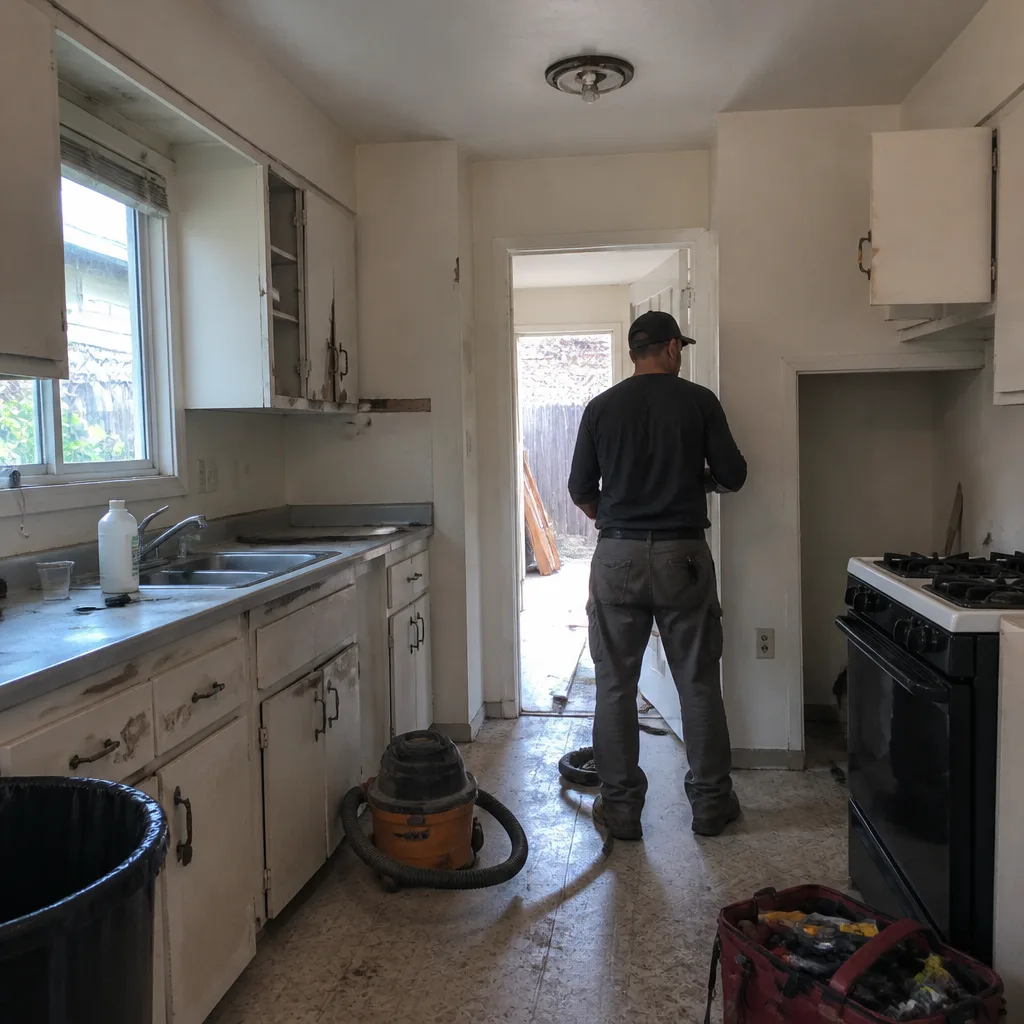 Before
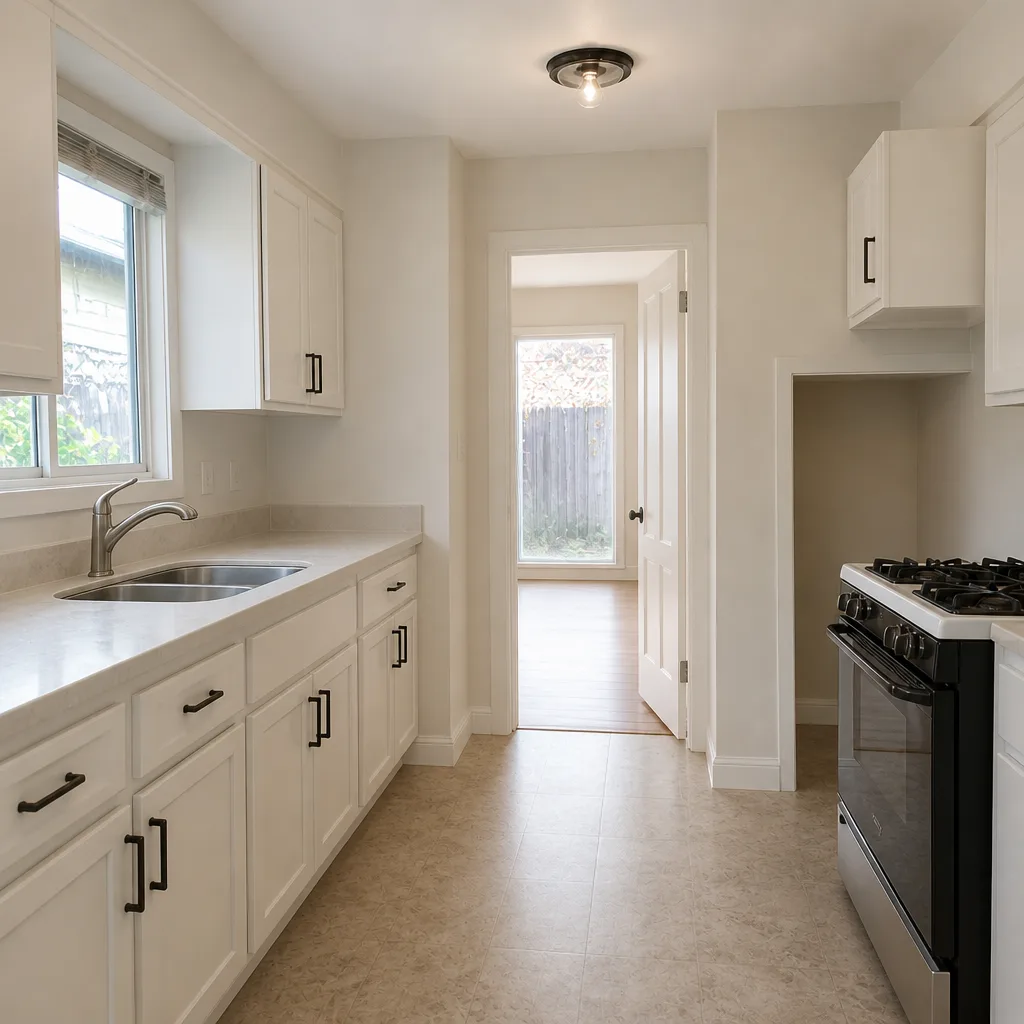 After
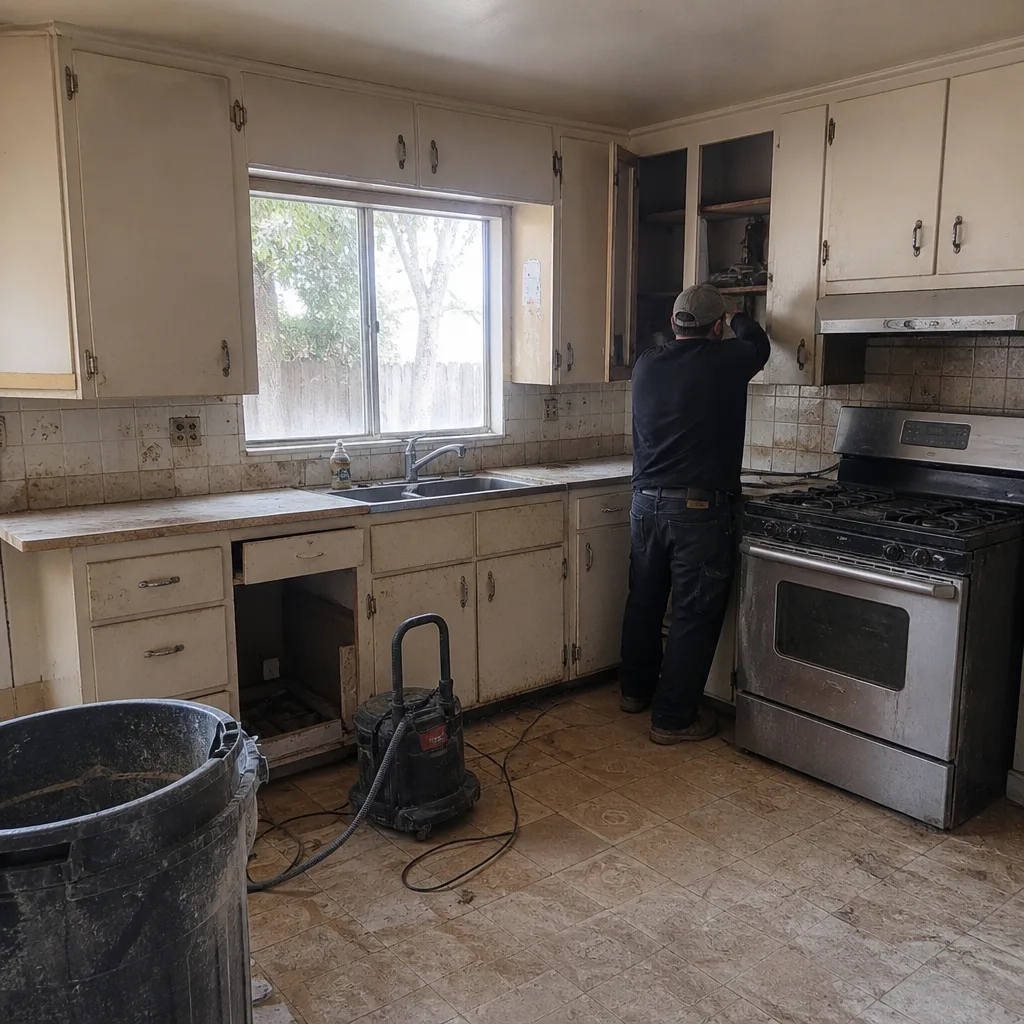 Before
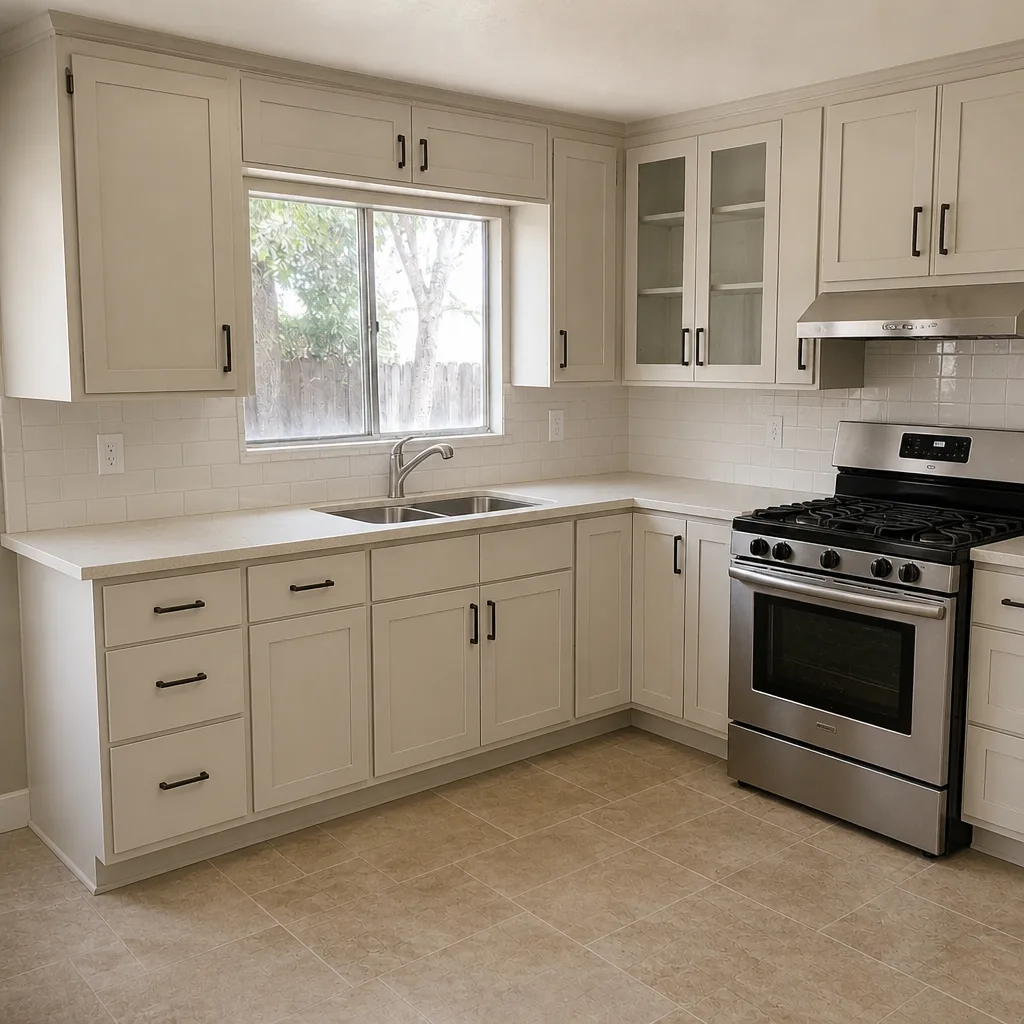 After
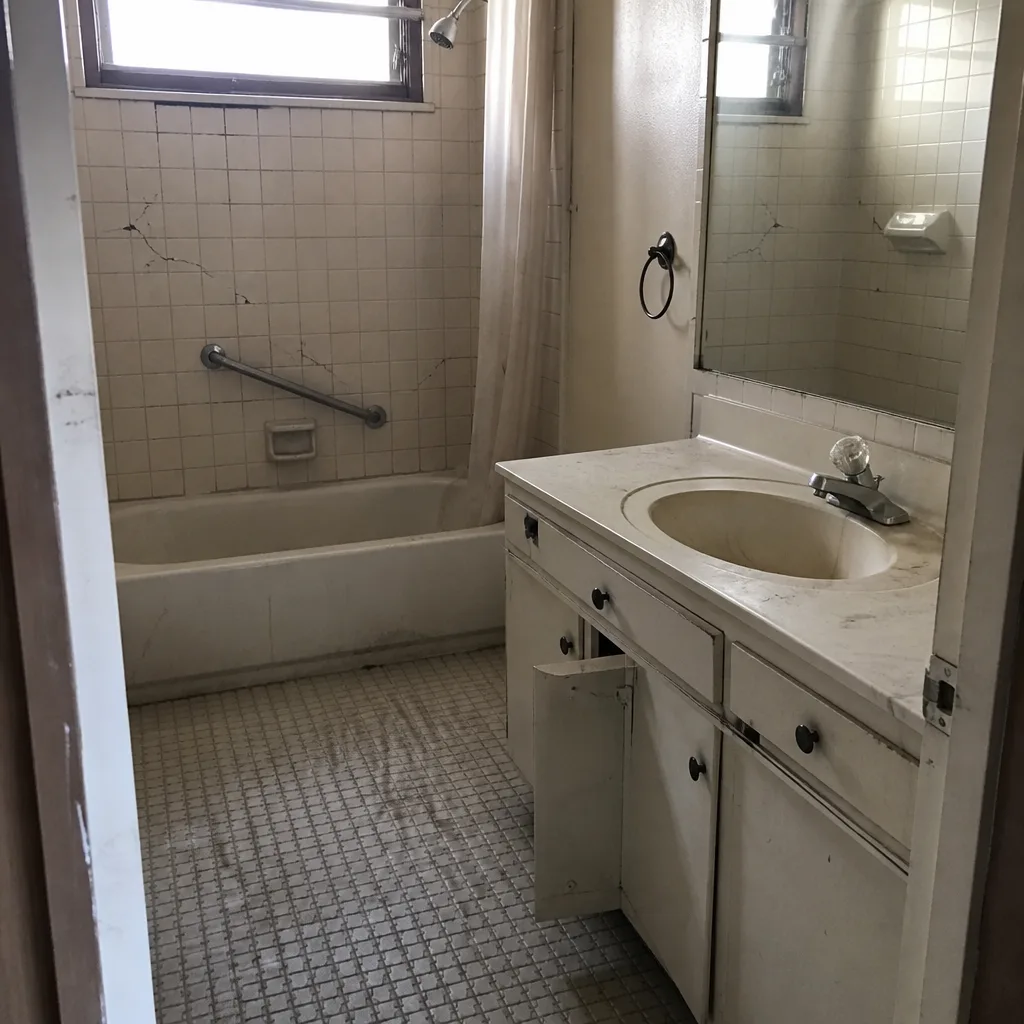 Before
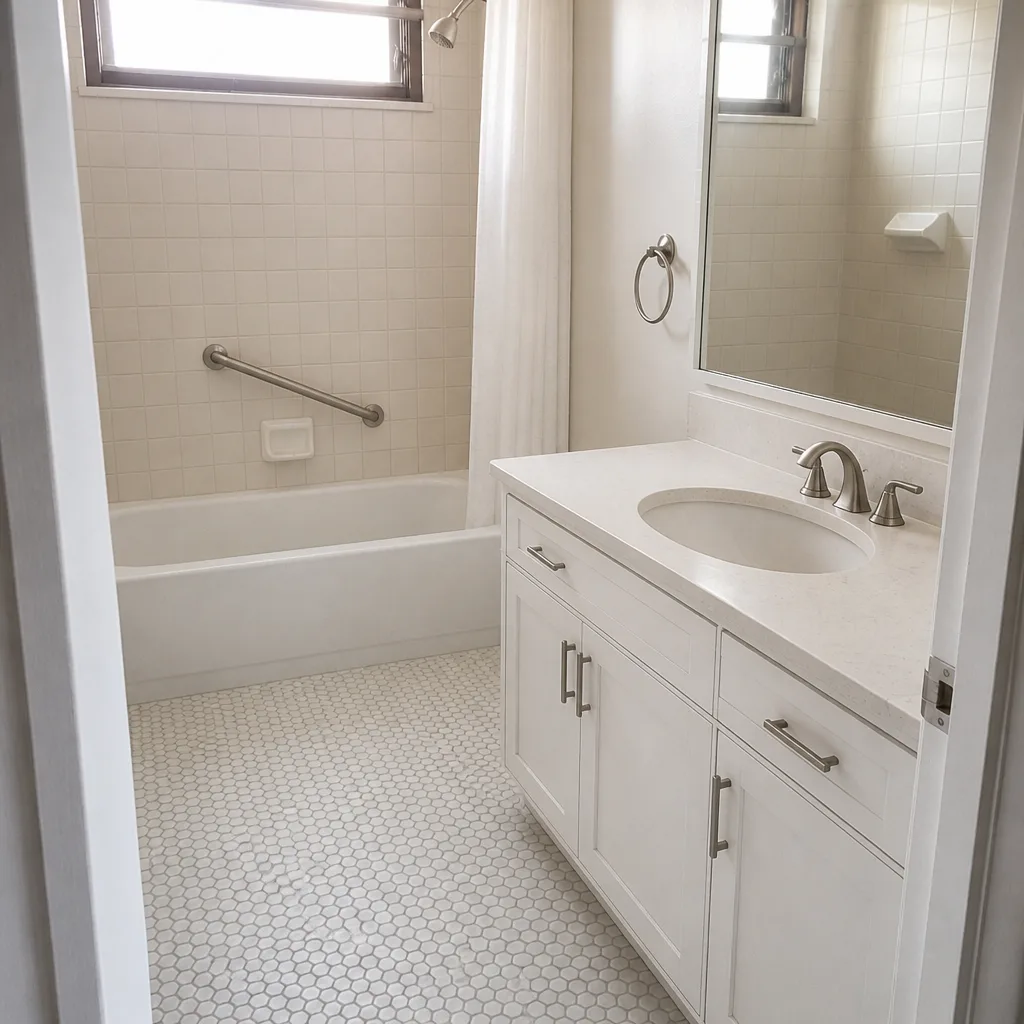 After
When to Call a Professional
Call us when the window count is more than a couple, when the house is old enough that you don’t trust a stock dimension, when the door is being enlarged or replaced with a different configuration, or when the last contractor’s timeline seemed to change every time you called. Also call when you’re being asked to sign a contract without a written scope, written allowances, and written change orders, because that combination is how surprise invoices start. Barrett & Sons Construction San Jose offers free estimates in San Jose. Call (844) 320-5918 to schedule yours. Every price change arrives as a written change order before work happens, every eligible job includes permits pulled and inspections signed, and every completed job is backed by the 90-Day Done Right Promise.
Frequently Asked Questions
Plan on six to ten weeks from signed contract to final inspection for a standard replacement in San Jose. The physical installation takes one to two days, the fabrication and shipping lead time runs four to eight weeks, the permit adds five days to three weeks, and inspection and close-out add another two to ten days. Custom sizes push the total toward eight to twelve weeks. Call (844) 320-5918 for a timeline built around your specific address.
Yes, a whole-house replacement on a straightforward San Jose house is usually a one-day job with a crew of two to three. Two days is common if there’s stucco patching, trim rebuilding, or door assemblies to install. The one-to-two-day install is the part that goes fast; the rest of the project is what stretches it to weeks.
Like-for-like replacements often move through over-the-counter review in five business days or less. New openings, enlarged openings, or structural changes go to plan check, which can run one to three weeks and includes a resubmittal cycle if the plans come back with corrections. Ask which track your project is on before signing, and ask who’s pulling the permit.
Yes, custom sizes add two to four weeks over stock. In older San Jose neighborhoods like Willow Glen and Rose Garden, most pre-1980 homes have rough openings that don’t match a current stock dimension, which pushes the order to custom. Ask for a rough-opening measurement and a written statement of stock-versus-custom before you sign, because it’s the difference between a six-week and a ten-week total.
Finalize selections in the first week, choose stock sizes if the measurements allow, submit the permit at the front of the schedule so it clears before the units arrive, and pre-book the interior painters and trim carpenters for the week after install. None of those compresses fabrication. They just stop the other phases from adding weeks on top of it. Call (844) 320-5918 for a free estimate and we’ll walk through the fastest realistic path for your house.
It shouldn’t, and any change that does come up gets a written change order before the work proceeds. That’s the standard on every Barrett & Sons job. If a rough opening measures differently than expected, or a plan-check correction comes back, you’ll see the change on paper with the cost and schedule impact before anyone picks up a tool.
The Bottom Line
Window and door projects are fast to install and slow to start. Expect six to ten weeks in San Jose for a standard replacement, and eight to twelve for custom sizes on older homes. The critical dates to ask for are the order confirmation date, the permit issuance date, the shipping date, and the inspection date. That stack of milestones is what separates a real timeline from a completion date that drifts by a few days every time you call. If you want a written plan with those dates for your house, call (844) 320-5918 and schedule a free estimate. You’ll get a written scope, a written allowance for anything undetermined, and a written change-order process for anything that moves. Learn more about Barrett & Sons Construction San Jose home.
Written by the team at Barrett & Sons Construction San Jose.