Last updated November 18, 2026
Free written scope consultation - allowances, timeline, and change-order rules on paper before a single trade is scheduled
The Complete Driveway & Pavers Guide for San Jose Homeowners
Most paver guides are written for a generic American suburb. San Jose sits on some of the most reactive clay soil in California, and if your installer doesn’t account for that in the base depth, you’ll be watching your new driveway heave before the warranty runs out. This guide treats San Jose’s geology and permit rules as the starting point, not an afterthought. You’ll learn why base depth matters more here than in Phoenix or Portland, how Santa Clara County governs impervious surfaces and stormwater, how concrete, brick, and interlocking pavers actually hold up under Bay Area temperature swings, how to vet a paver crew, and what realistic San Jose costs look like in today’s labor market.
Quick Answer
Driveway pavers in San Jose typically cost $18 to $32 per square foot installed in the current Bay Area labor market, and the single biggest variable is base depth: expansive clay in the flatlands and shifting fill in the hills demand a deeper compacted aggregate base than national installation specs recommend. Santa Clara County also requires attention to impervious surface coverage and stormwater compliance once hardscape area grows. Get the base and the permit right, and the pavers last decades; skip either, and you’ll be repairing heaves and ponding within three years.
Styles & brands we work with
- Kitchen remodeling
- Bathroom remodeling
- Home additions & ADU
- Roofing
- Windows & doors
- Driveway & pavers
- Fence
Table of Contents
- Quick Answer
- Why San Jose’s Soil Changes Everything
- Santa Clara County Permits and Stormwater Rules
- Concrete vs. Brick vs. Interlocking Pavers in the Bay Area
- What a Proper Base Looks Like Under a San Jose Driveway
- How to Vet a Paver Contractor in San Jose
- What Driveway Pavers Cost in San Jose
- Maintenance That Actually Matters Here
Why San Jose’s Soil Changes Everything
San Jose straddles two very different soil worlds, and your neighborhood tells you which one you’re in. The flatlands – Willow Glen, Cambrian, parts of Almaden Valley and the Santa Clara border – sit on expansive clay that swells when wet and shrinks when dry. The hills – Almaden, Evergreen, the foothills east of the valley – sit on shifting fill and hillside soils that move differently. That movement is seasonal, and it’s relentless.
What this means for a driveway is simple: the ground underneath is not a constant. An expansive clay subgrade can move two to four inches across a wet winter and a dry summer. Concrete poured flat over that movement cracks at control joints and, worse, heaves at the edges. Pavers on a shallow base will do the same – the joints open, the surface goes uneven, and water starts pooling where it shouldn’t.
National installation specs were written for stable, well-draining subgrades. In our experience, the specs that work in Arizona or Oregon are frequently underbuilt for Willow Glen and Cambrian clay. The fix is not exotic – deeper aggregate base, proper compaction, and correct drainage – but it costs more, and an installer quoting national averages isn’t including it. In Cambrian, we regularly see spring failures where a shallow base met a wet winter and the driveway heaved within two seasons.
Ask any contractor you interview one question before you talk price: how deep will the aggregate base be under my driveway, and why? If the answer doesn’t reference your soil conditions, keep interviewing.
Santa Clara County Permits and Stormwater Rules
A driveway is a structure. It changes how water moves across your lot, and in Santa Clara County that means it can trigger permitting and stormwater review. The exact thresholds depend on your parcel, your zoning, and how much impervious surface you’re adding, so treat this as directional and confirm the details with the city or county before you break ground.
Here’s what typically matters for a San Jose driveway project:
- Impervious surface limits. Many parcels cap the total hardscape coverage – driveway, patio, walkways, roof footprint all count. Expanding a driveway can push you over the limit, and that triggers a review you didn’t plan for.
- Stormwater compliance. New hardscape can fall under stormwater requirements that govern runoff direction, drainage, and sometimes treatment. A gravel or permeable border, a dry well, or a slope adjustment can satisfy them.
- Grading and drainage. Changes to grade or drainage that affect neighboring properties or the public right-of-way may need separate review.
- Right-of-way work. If your driveway meets the street through a curb or apron, that’s often regulated by the city of San Jose.
The permit inspector works for you, not for your contractor – that’s why a good builder likes the inspection. It confirms the work was done right before you ever see a crack.
A written scope should state plainly who pulls the permits and who pays for them. If a contractor tells you permits are optional, that’s your signal to walk. Every eligible job we take on includes permits pulled and inspections signed.
Concrete vs. Brick vs. Interlocking Pavers in the Bay Area
The Bay Area gives pavers a moderate climate with a few specific stresses: warm dry summers, cool wet winters, and occasional frost at higher elevations in the hills above San Jose. Material choice should reflect that, not a generic national average.
Concrete
Poured concrete is the cheapest drive-on surface per square foot. It’s also the most prone to cracking under soil movement. In expansive clay, cracks are not a matter of if. Fiber reinforcement and well-placed control joints help, and a concrete driveway can last decades, but once it cracks and heaves, the fix is usually a tear-out and repour. Patches rarely match.
Brick
Clay brick pavers handle the Bay Area climate well and develop a character over time that concrete never will. A properly set brick driveway can last 40-plus years with occasional re-sanding. The tradeoffs are cost and the labor intensity of installation – brick is heavier and typically slower to lay, so the per-square-foot bid runs higher than interlocking concrete pavers. It’s also sensitive to base depth, the same as everything else here.
Interlocking Concrete Pavers
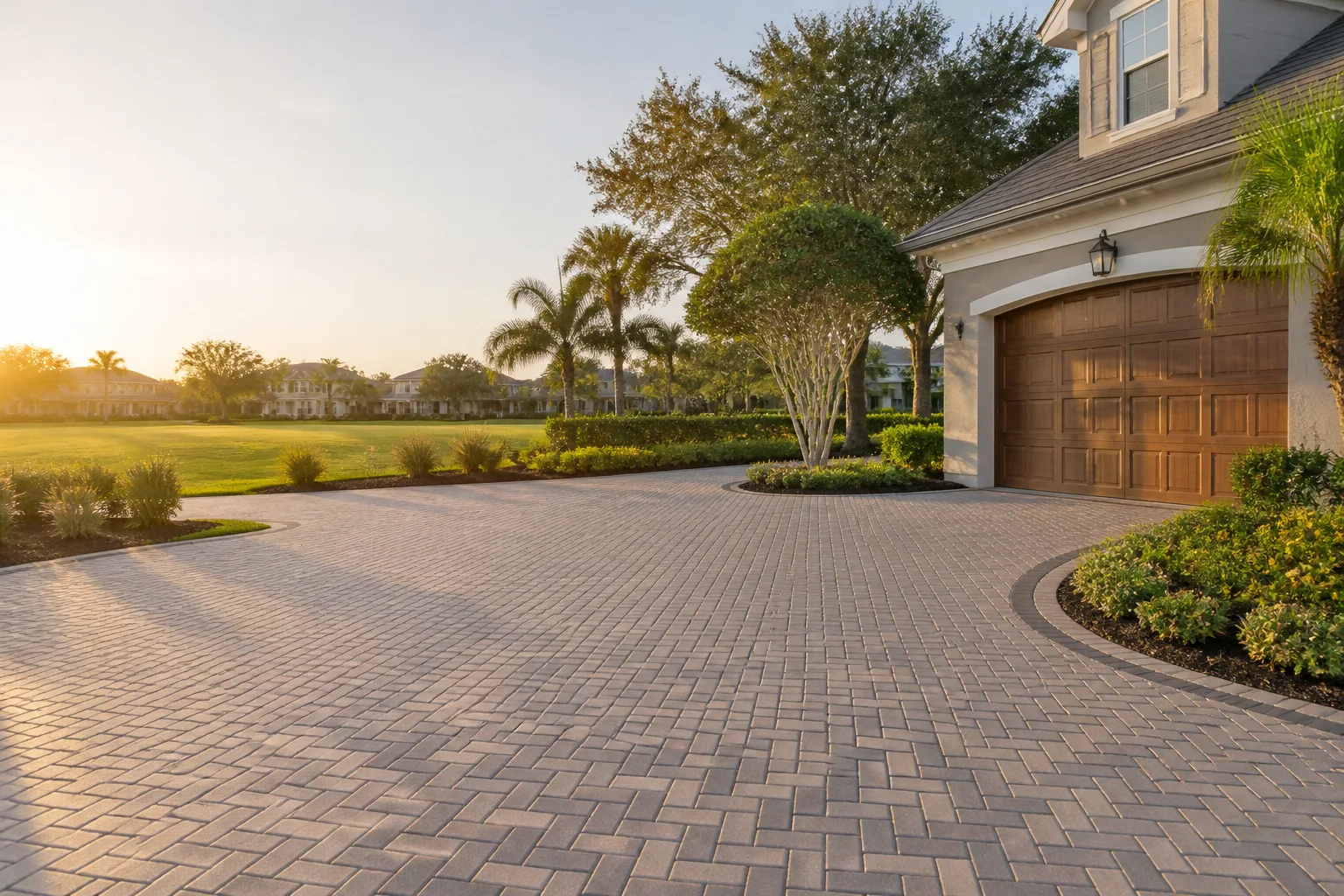
Interlocking pavers are the practical sweet spot for most San Jose homeowners. They flex with minor soil movement instead of cracking, individual units can be lifted and reset if the base beneath them ever fails, and the joint sand keeps them locked together. Premium lines like Belgard and Techo-Bloc offer a range of colors and textures that read well against stucco and tile roofs. The key is a proper base – pavers are only as good as what’s under them.
For most driveways in Cambrian and Willow Glen, we recommend interlocking pavers over a properly compacted base. In hillside areas with steep grade, the base and drainage plan matter even more than the surface material.
What a Proper Base Looks Like Under a San Jose Driveway
This is where driveways live or die. The base is not the glamorous part of the project, but it’s the part that determines whether you’re enjoying a flat driveway in year ten or calling someone back to fix a heave. Here’s the sequence we follow on San Jose jobs:
- Excavate and assess. Remove the existing surface and soil to a depth that accounts for your subgrade type. The deeper the clay, the deeper the aggregate.
- Compact the subgrade. Compact the native soil so the subgrade surface is stable before anything goes on top.
- Add and compact aggregate base. Lay the aggregate in lifts and compact each lift with a plate compactor or roller. For expansive clay in the flatlands, this typically means a base depth that exceeds what national specs advise. Skip a lift and the base never sets solid.
- Set the drainage and grade. Establish the slope and any underdrain or edge drainage so water moves off the driveway and away from the house or foundation. In the flatlands and hillside lots alike, poor drainage is what turns a small problem into a larger one.
- Compact and level the bedding sand.
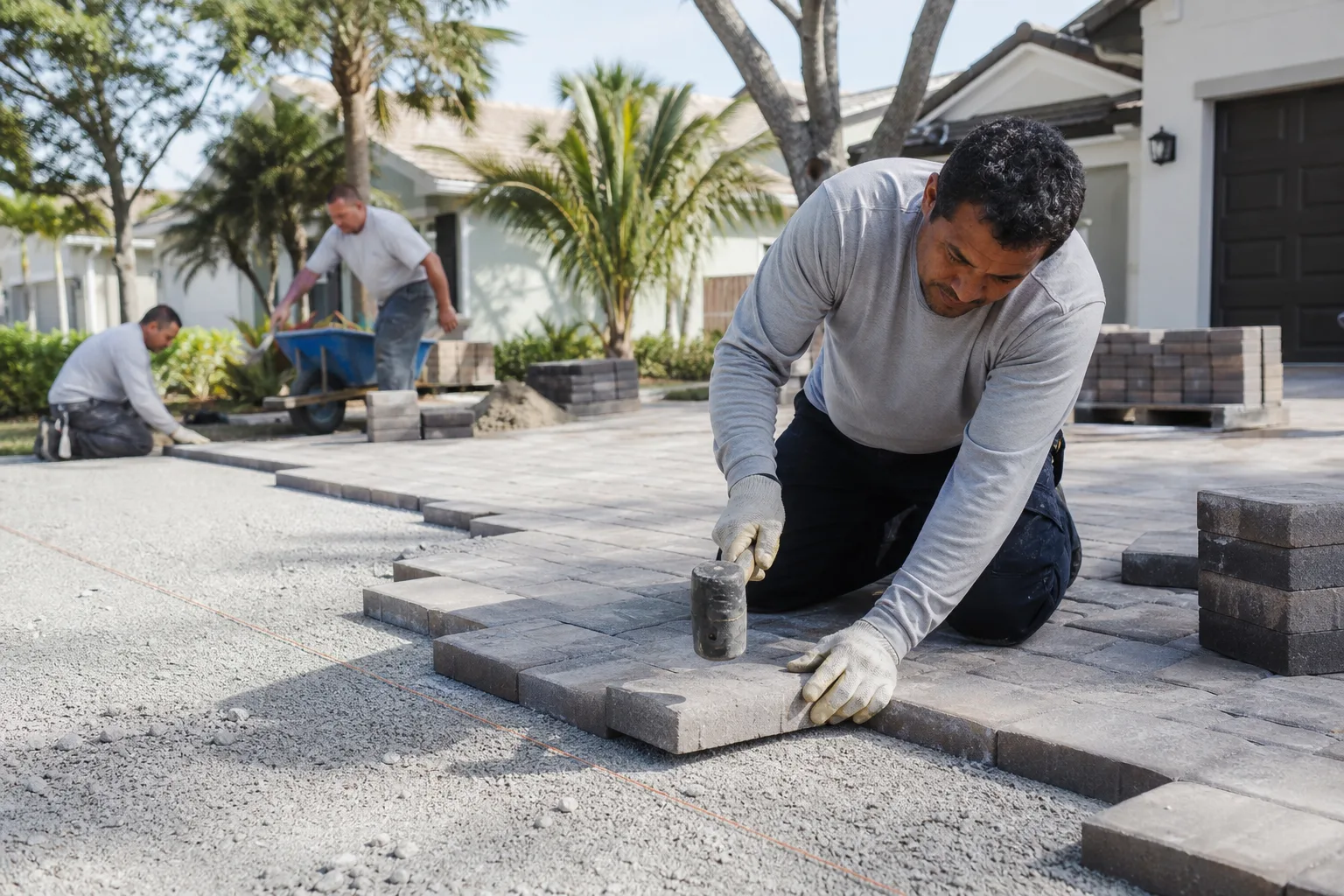
- Lay the pavers. Set the pavers to the specified pattern and cut edge units to fit.
- Install edge restraints. Concrete or plastic edging keeps the pavers from spreading under load.
- Sweep joint sand and compact. Sweep the joint sand into the gaps and run the compactor over the finished surface.
Every step is written into the scope before work starts. An allowance that isn’t on paper is a surprise waiting for a date.
How to Vet a Paver Contractor in San Jose
The paver industry has more than its share of fly-by-night operators, and getting this wrong is expensive. Here’s a short checklist that will save you a lot of misery:
- Verify the license. Look up the contractor on the Contractors State License Board (CSLB) website. Check that the license is active and in the right classification. Ask anyone on your street, or look up the license number yourself before you sign anything.
- Confirm permits are pulled. Ask which permits apply to your job and who pulls them. A contractor who skips permits is telling you something about how they run the rest of the job.
- Demand a written scope. Every material, every allowance, every step should be on paper before work begins. Price changes arrive as a written change order before the work proceeds, not as a line item on a final invoice.
- Ask for the warranty in writing. A real warranty is specific, written, and signed.
- Check references and reviews. Ask for recent San Jose jobs you can look at.
- Read the contract. Understand what’s covered and what’s excluded. Ask about site cleanup and drainage.
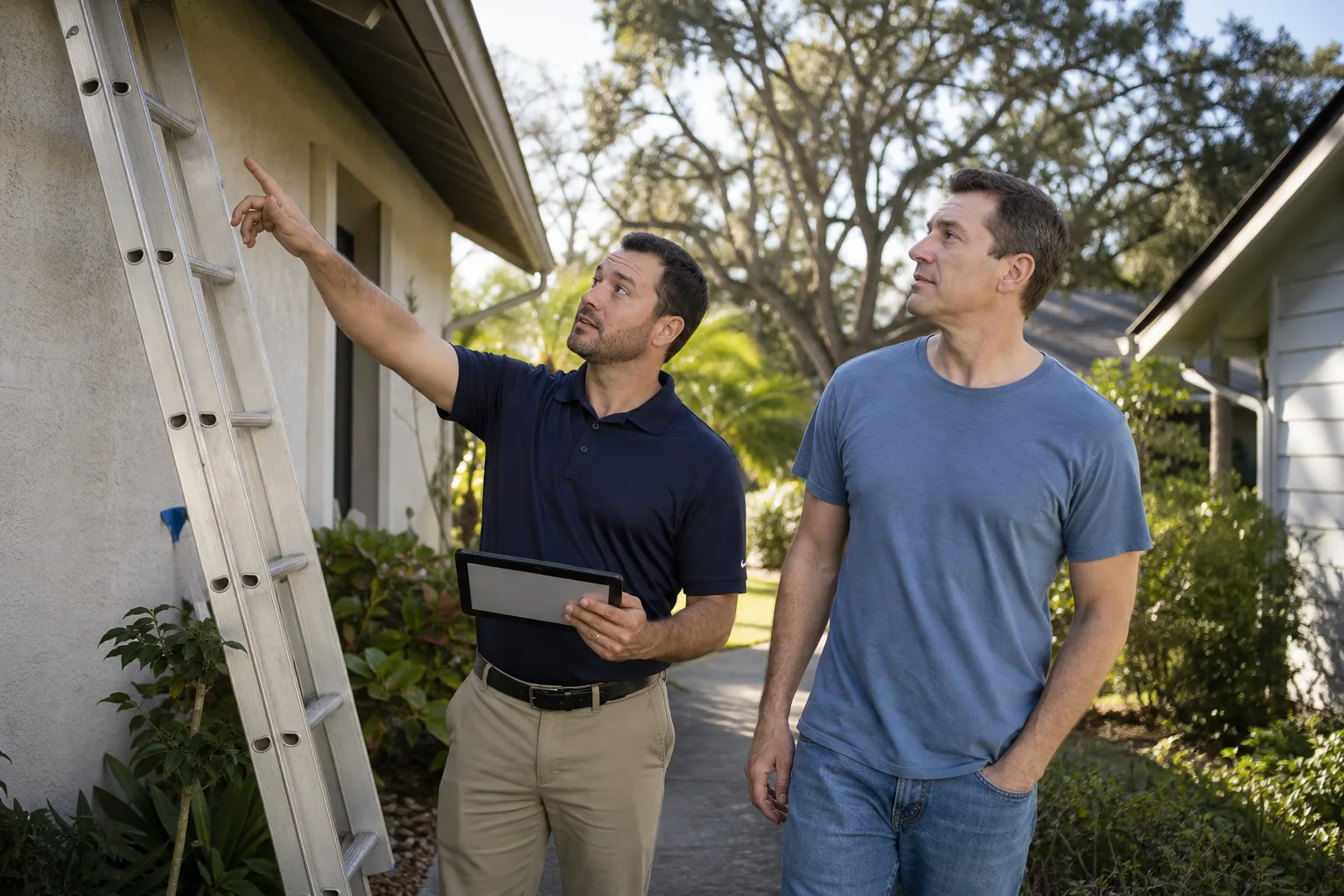
Barrett & Sons Construction publishes a name, an address, and a license number. Calls are answered by a live person. Crew members are background-checked and carry the Barrett & Sons name. Every completed job is backed by the written 90-Day Done Right Promise – if something’s not right, a single call brings the crew back.
What Driveway Pavers Cost in San Jose
National averages for driveway pavers run $8 to $12 per square foot lower than what Bay Area bids actually come in at, because national averages don’t include Bay Area labor, San Jose permit costs, or the deeper base that local soil requires. Here’s what a realistic San Jose range looks like for the current market:
- Concrete driveway: roughly $10 to $18 per square foot, depending on thickness, reinforcement, and finish.
- Interlocking concrete pavers: roughly $18 to $32 per square foot installed, including base, sand, edge restraint, and joint sand.
- Clay brick pavers: roughly $22 to $40 per square foot installed, depending on brick type and pattern.
- Base and drainage upgrades: additional cost, worth every dollar in a reactive-soil area.
- Permit fees: vary by parcel and scope; confirm before work begins.
- Removal of existing surface: additional; depends on material and access.
A typical two-car driveway in San Jose runs somewhere in the low five figures once you account for base, materials, and permits. Bid panels should price out at the same scope so you can compare them fairly; a bid that’s dramatically lower usually means a shorter base or no permits. Look for a written, line-item quote. Barrett & Sons publishes no-hassle upfront pricing, written change orders for every scope shift, and a permanent 10% senior and veteran discount.
Maintenance That Actually Matters Here
Pavers are low-maintenance, not no-maintenance. A few habits will make the difference between a driveway that lasts 25 years and one that starts to wobble at year six:
- Re-sand joints every two to three years. Joint sand locks the pavers together and keeps weeds out. Sand washes away with rain and use.
- Keep the drainage clear. Sweep or clear drains, gutters, and swales of debris in the fall before the wet season. Standing water is the enemy.
- Inspect for movement after winter. A paver that’s rocking or a joint that’s opening is the earliest signal that something below moved. Early catch is cheap.
- Avoid pressure-washing on high settings. Aggressive pressure washing strips joint sand and can loosen pavers. Sweep or wash gently.
- Spot-fix weeds early. They follow missing joint sand. Refill with the appropriate sand.
- Seal if you want the color locked in. Optional. Sealer helps with stains and color fade, but certain sealers can trap water if not applied to a dry, properly drained surface.
If you ever see a paver lift, set it back and check the base depth. That’s the single biggest indicator of whether the installation was done right.
Common Mistakes to Avoid
- Skipping the deeper base. National specs underestimate what San Jose’s expansive clay needs. In the flatlands and Willow Glen specifically, a shallow base will heave. The fix is always more expensive than doing it right the first time.
- Ignoring the impervious surface cap. Expanding the driveway without checking your parcel’s hardscape coverage can push you over the limit and land you in a permitting headache. Check before you demo.
- Not pulling permits. A contractor who says permits are optional is skipping them on other jobs too. Permits protect you and your resale.
- Cheapest bid that skips drainage. A driveway with nowhere for water to go will show you why it was cheap within one wet winter.
- Verbal change orders. If a scope change isn’t on paper before the work happens, you’re paying for it on the final invoice – often at a surprise number.
- Wrong material for the climate. Concrete in hillside areas with steep grade and drainage issues is the wrong call. Match the material to the soil and slope.
- Not asking who’s coming back. If something fails at year two, you want a name you can call and a written warranty. A warranty is only real if a live person answers the phone.
When to Call a Professional
Some driveway work you can handle. Most of it you shouldn’t. Call a professional when you’re seeing:
- Heaves, cracking, or pavers that are visibly moving.
- Ponding water or drainage that’s changed direction since installation.
- A driveway that’s reached end of life and you’re considering relaying or replacing.
- A job that’s bigger than a small repair and touches grade, drainage, or the right-of-way.
- Any concern about permits, stormwater compliance, or impervious surface coverage.
Barrett & Sons Construction offers free estimates in San Jose. Real budgets are best built from a written, line-item quote after someone has seen your grade and your soil. A free second opinion on any written estimate is also available – a useful sanity check before you commit. Call (844) 320-5918 to schedule a visit.
See the difference
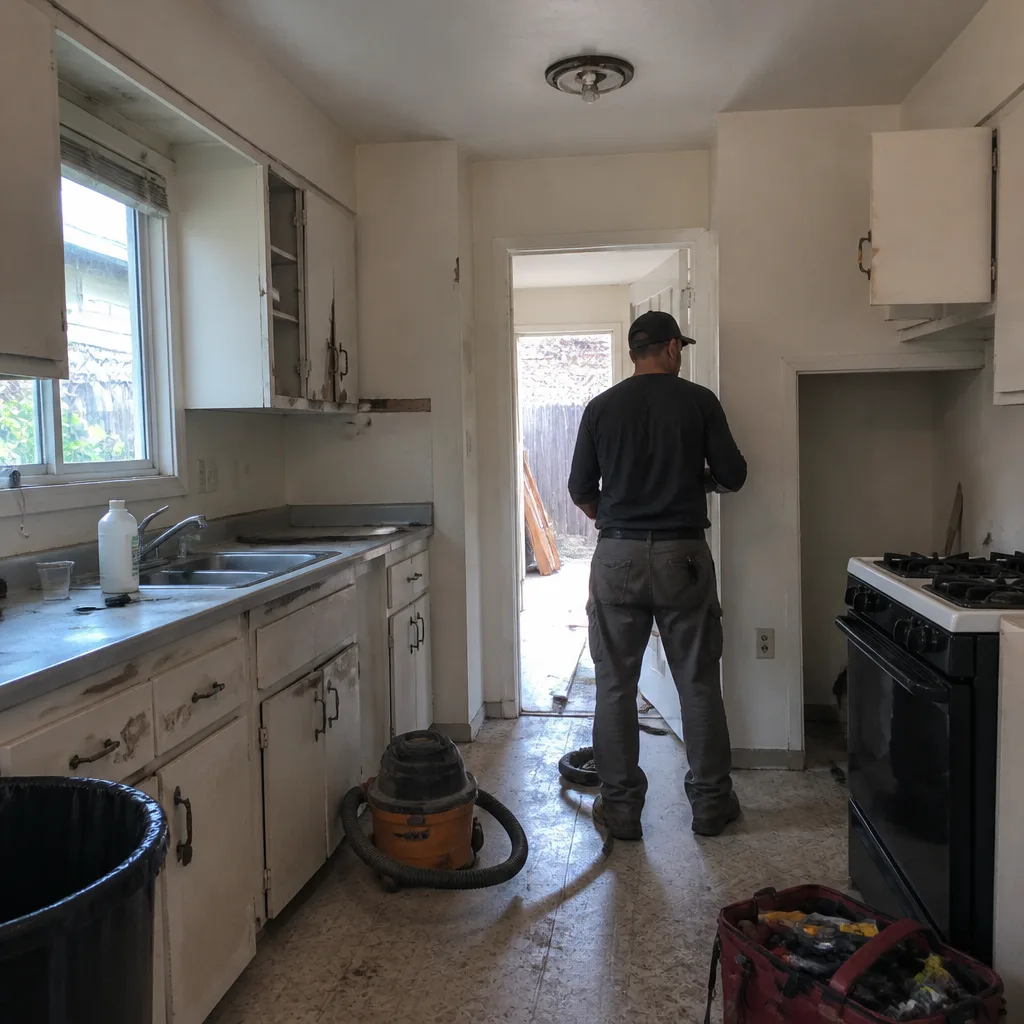 Before
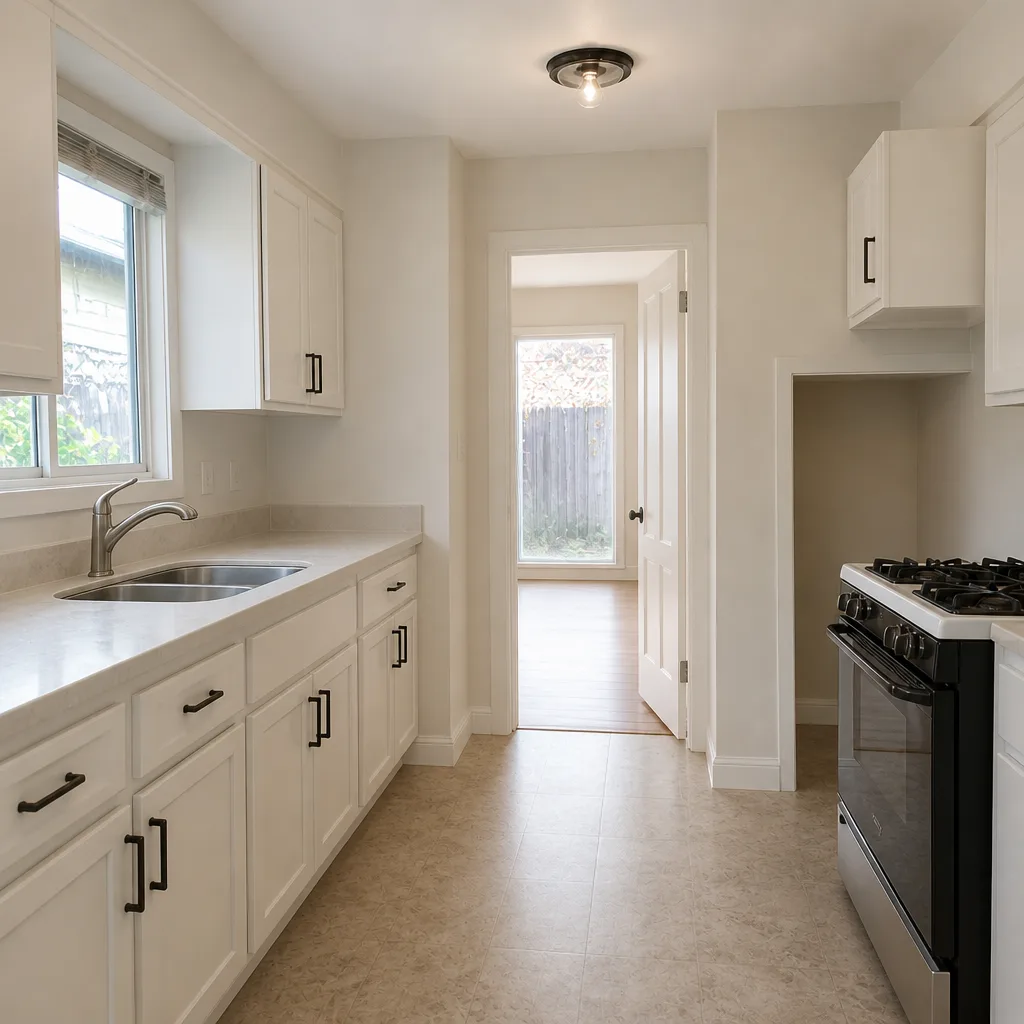 After
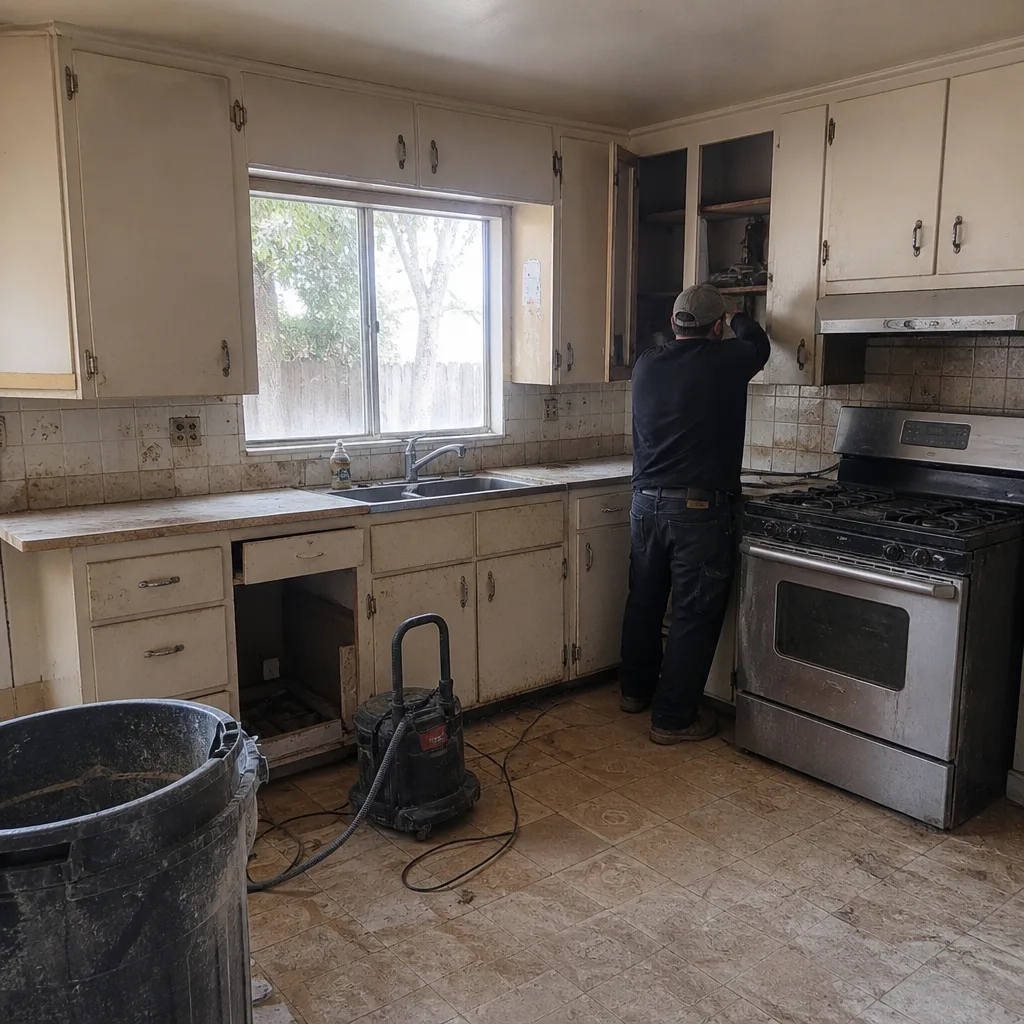 Before
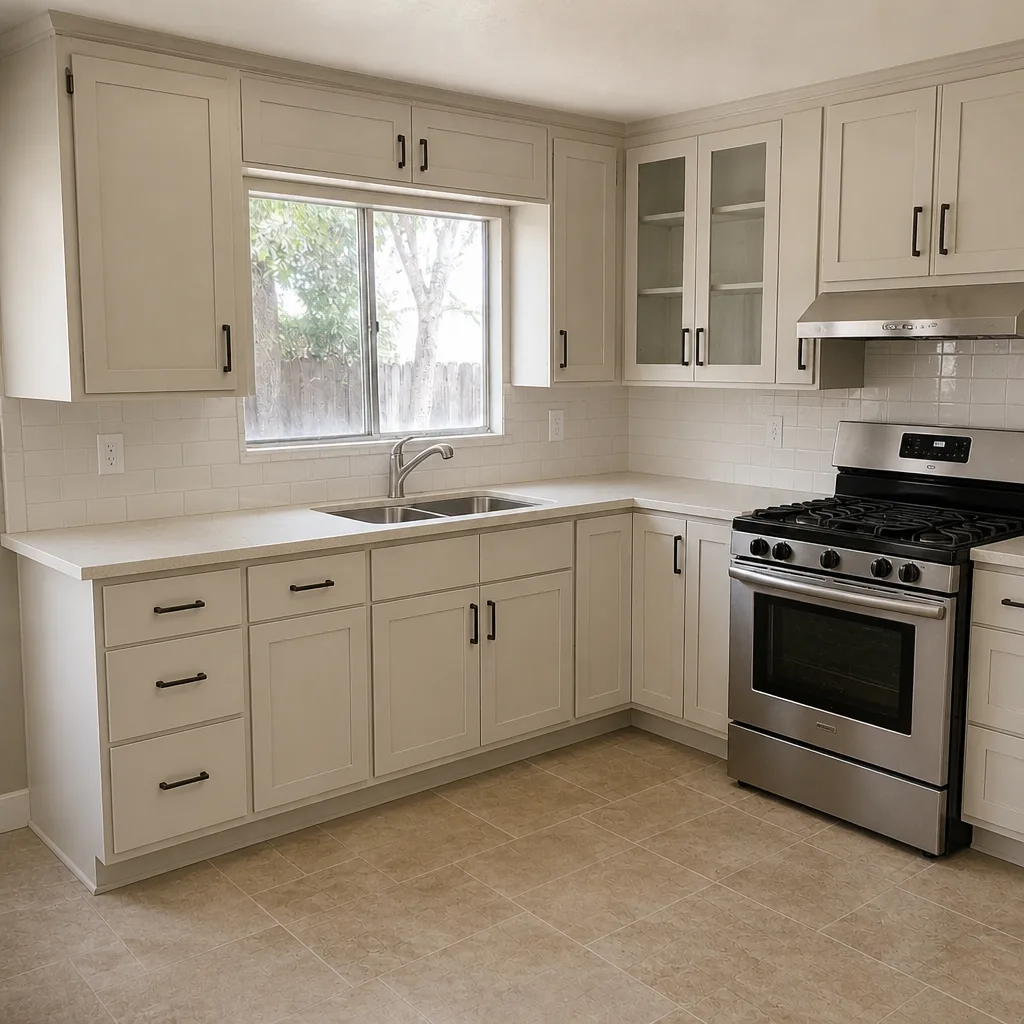 After
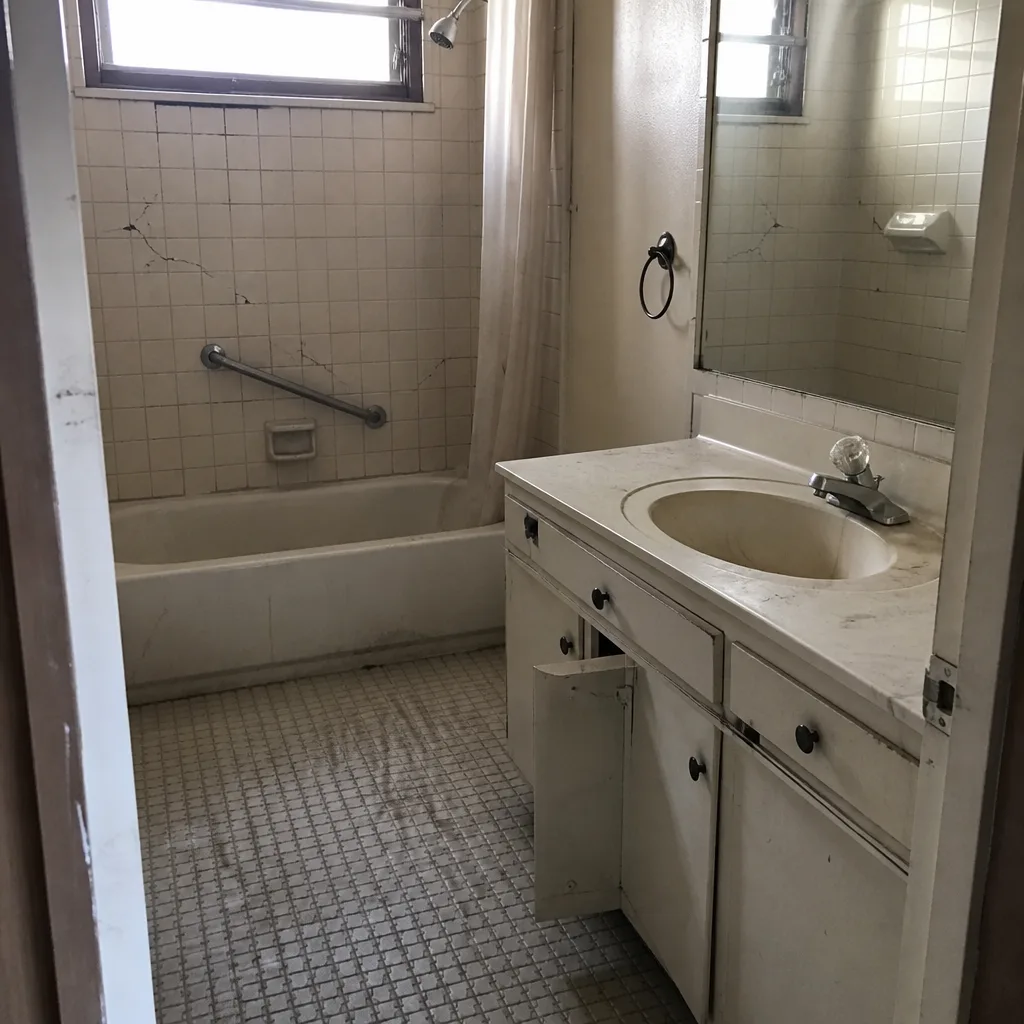 Before
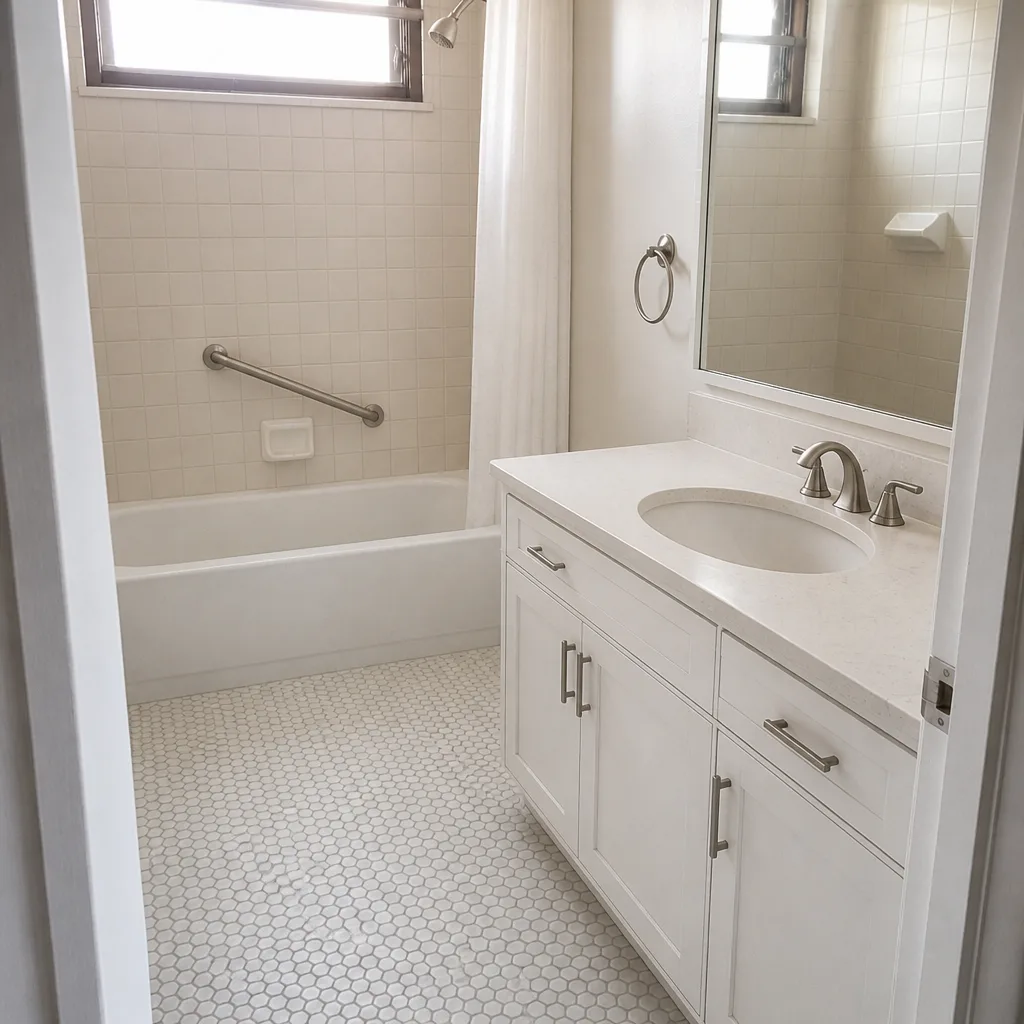 After
Frequently Asked Questions
Interlocking concrete pavers in San Jose typically run $18 to $32 per square foot installed, and clay brick runs $22 to $40. That’s higher than national averages because Bay Area labor is higher and San Jose’s clay soil demands a deeper base than generic specs. A two-car driveway usually lands in the low five figures once base, materials, and permits are included. Call (844) 320-5918 for an exact quote on your driveway – estimates are free.
Often yes, because a new or expanded driveway changes impervious surface coverage and how water moves across your lot. Santa Clara County and the city of San Jose each have rules that can apply, and the exact trigger depends on your parcel and scope. The safe move is to ask before you break ground, and to hire a contractor who pulls permits on every eligible job. Call (844) 320-5918 if you’d like to talk through your project.
Deeper than most national specs recommend, especially in flatland neighborhoods like Willow Glen and Cambrian where expansive clay dominates. The right depth depends on your subgrade, how much vehicle load you expect, and your drainage plan. Ask any contractor you interview to explain the base depth they’ll use and why – and hold them to it in writing. Call (844) 320-5918 to schedule a site visit and we’ll talk through soil conditions specific to your property.
Interlocking pavers generally outperform concrete in San Jose’s reactive soil because they flex with minor movement instead of cracking. Concrete costs less up front and can hold up for decades with proper reinforcement, but it’s more prone to cracking and heaving. Clay brick is a premium, long-lived option. The right choice depends on your soil, slope, and budget, and the best way to decide is a written bid on each option. Call (844) 320-5918 for a free estimate.
The contractor should pull them, and the cost should be itemized in the written scope so you know what you’re paying for. Permits protect you: the inspector works for you, not the contractor, and inspections confirm the work was done right before there’s a problem. If a bidder tells you permits are optional, choose a different bidder. Call (844) 320-5918 if you’d like a second opinion on any written estimate – it’s free.
A properly installed interlocking paver driveway in San Jose can last 25 to 40 years with routine joint re-sanding and drainage upkeep. Clay brick is often in the 40-plus-year range. Concrete can last similarly when it’s reinforced, on a good base, and doesn’t heave. The single biggest factor in all three cases is base depth and drainage – get those right and the surface follows. Call (844) 320-5918 to talk through your driveway’s soil and grade.
What to Do Next
If you’re planning a driveway project in San Jose, start with the things you can’t see: soil type, base depth, and the permit situation. Most homeowners focus on the pavers because the base is invisible; the base is what determines whether the visible part lasts. Get a written, line-item scope before you sign, insist on permits, and insist on a written change-order process. Barrett & Sons Construction crew members have up to 28 years of experience, permits are pulled and inspections signed on every eligible job, and every completed job is backed by the written 90-Day Done Right Promise. The published standing offers are a $40 discount on any repair over $200, a free second opinion on any written estimate, no trip charge inside the county, and a permanent 10% senior and veteran discount. Explore our construction services for San Jose homeowners or our Driveway & Pavers in San Jose page to see what we do.
The Bottom Line
Driveways in San Jose are not a national average. The clay under Willow Glen and Cambrian, the shifting fill under the hills, and the Santa Clara County permit rules all push up the cost of doing it right and the cost of doing it wrong. Deeper base, proper drainage, permits pulled, written changes, and a warranty a live person stands behind – that’s the whole game. If a bid comes in substantially below the San Jose market rate, ask which of those five things it’s missing. For the other trades we handle, see Fence Installation in San Jose and our Home Additions & ADU work in San Jose.
Contact
Barrett & Sons Construction San Jose schedules free estimates in San Jose and the surrounding Santa Clara County communities, and a live person answers the phone around the clock. Call (844) 320-5918 for a free estimate on your driveway or paver project. A written, line-item quote is the fastest way to know what your driveway actually costs, and we’re happy to give you a free second opinion on any written estimate you’ve already received.
Written by the team at Barrett & Sons Construction San Jose.