Last updated November 18, 2026



Free written scope consultation - allowances, timeline, and change-order rules on paper before a single trade is scheduled
The Complete Guide to Construction in San Jose
Santa Clara County averages around 94 days to issue a residential building permit. Most contractors quote your project without ever mentioning that clock, and you end up paying for it – in rent while you wait, in storage fees, in a schedule that slips a full season. We’ve watched homeowners in San Jose get blindsided by timelines they were never told about. This guide breaks down the parts of building here that actually decide whether a project goes well: San Jose’s expansive clay soils, the real permit calendar, HOA reviews that outlast city hall, and how to read a contractor’s license before you sign. You’ll learn the order of operations that keeps a job on track from the first phone call to final inspection.
Quick Answer
Construction in San Jose succeeds or fails mostly at the planning stage, not the build stage. Budget 4 to 14 weeks for permits depending on scope, expect foundation costs to run higher than inland quotes because of expansive clay soils, and check your contractor’s CSLB license before anything else. Getting these three things right up front saves more money than any bid comparison will.
Styles & brands we work with
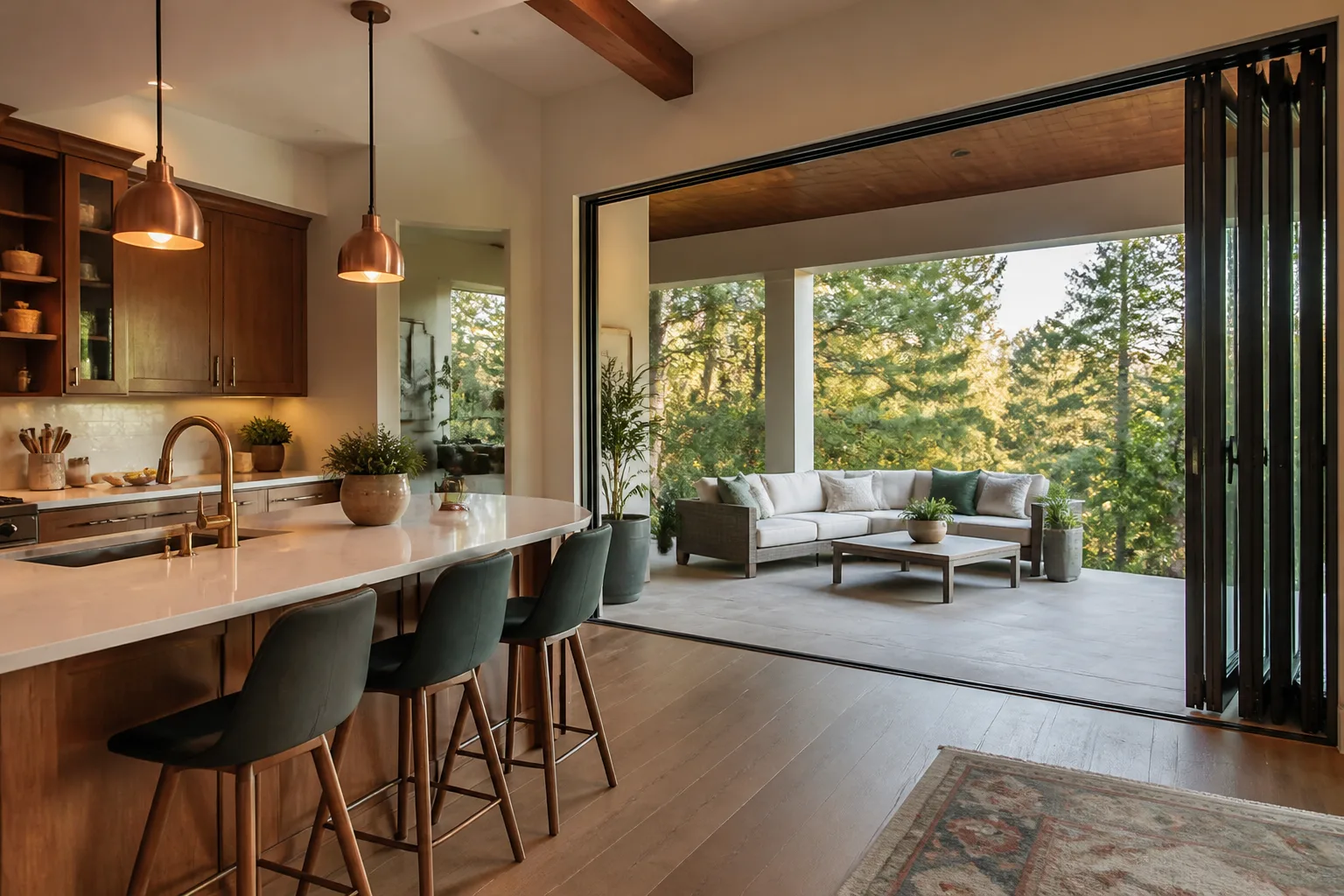
- Kitchen remodeling
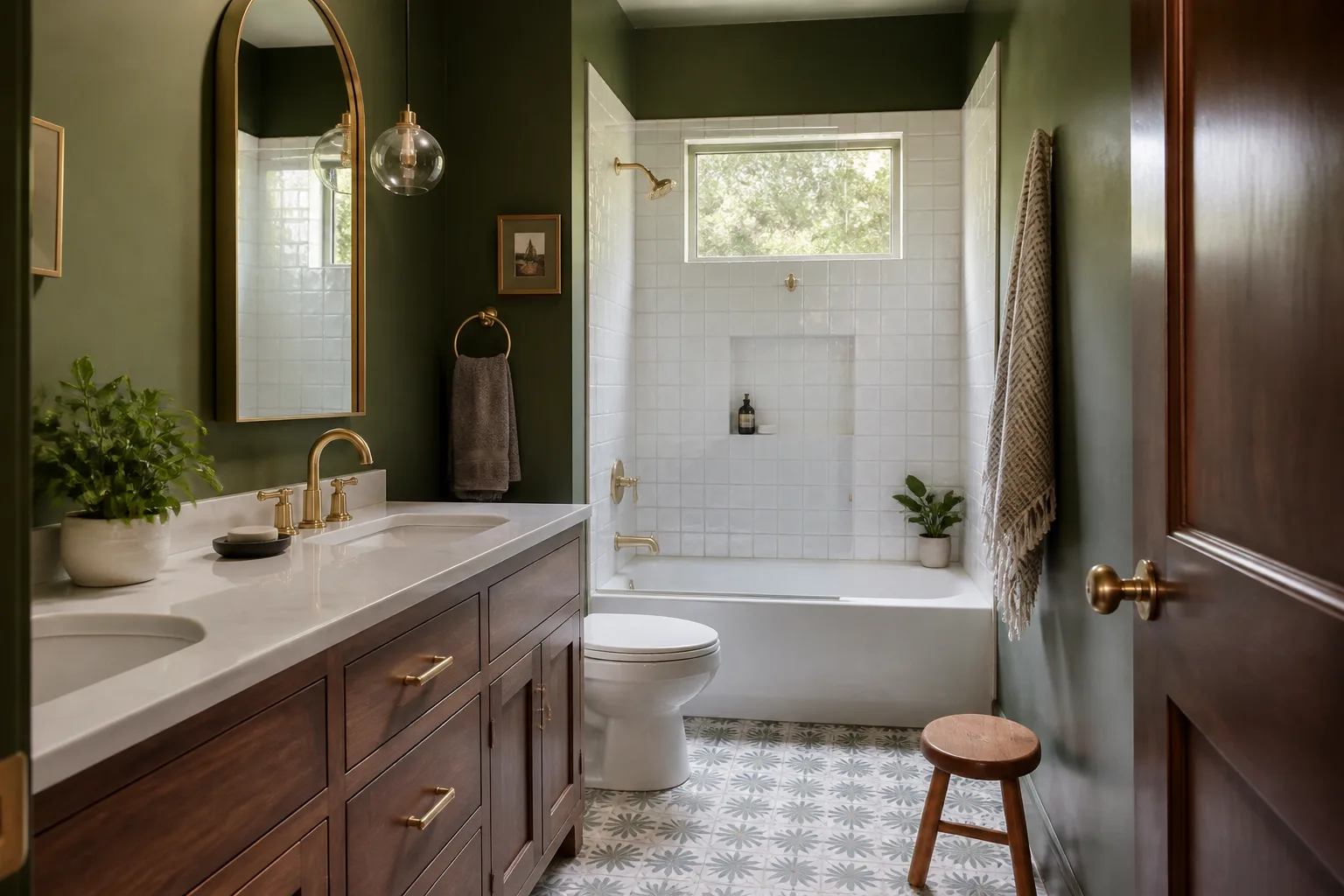
- Bathroom remodeling
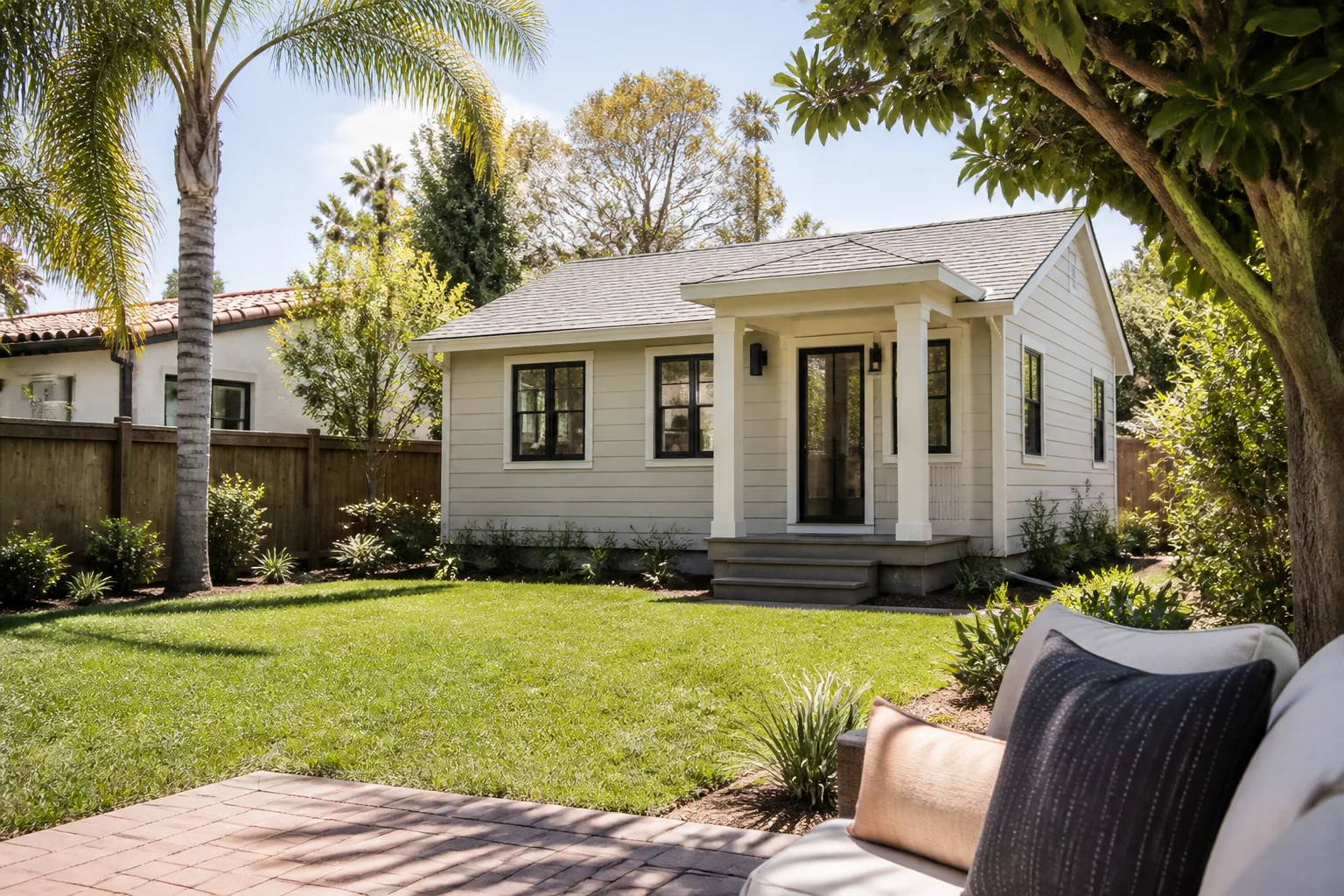
- Home additions & ADU
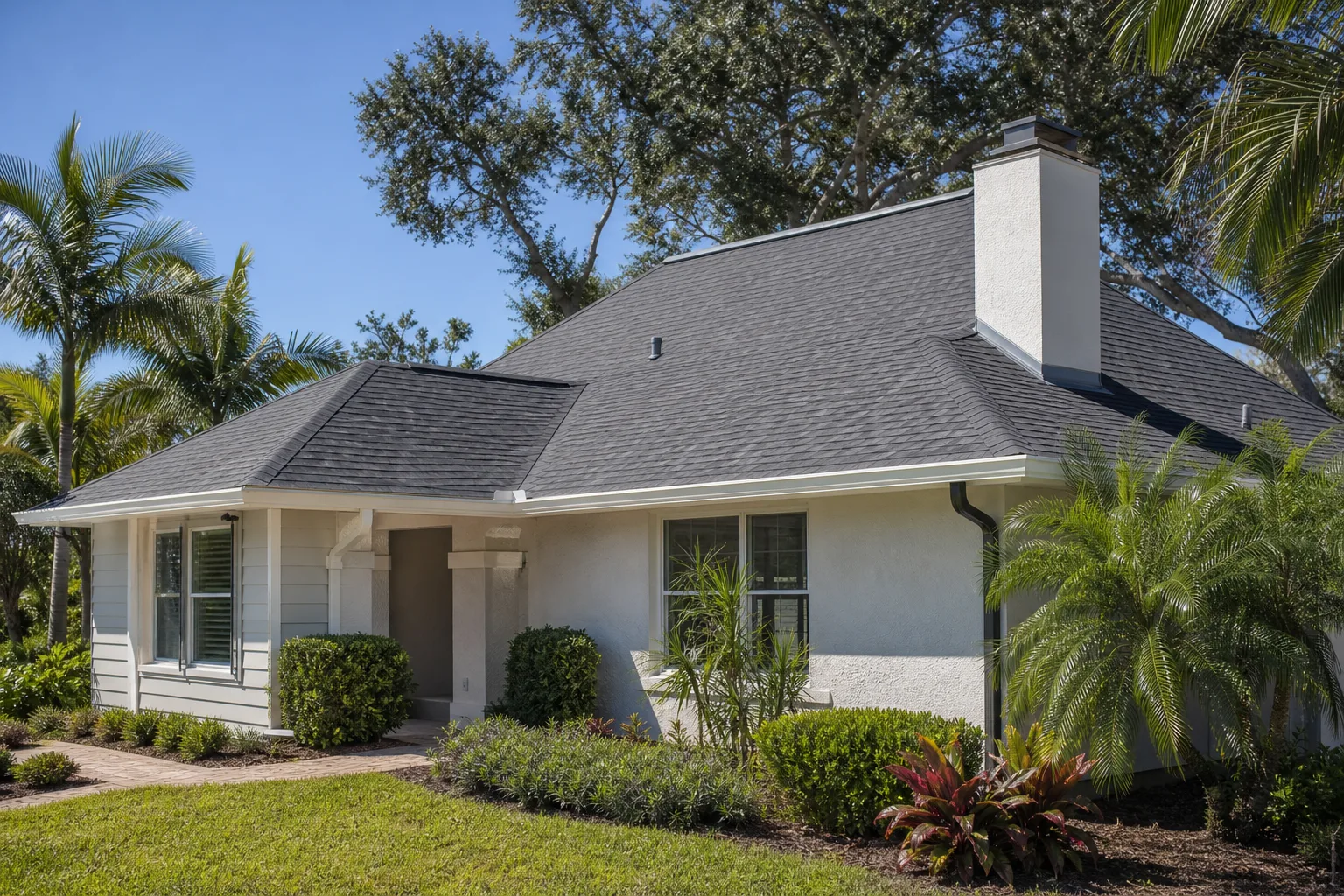
- Roofing
- Windows & doors
- Driveway & pavers
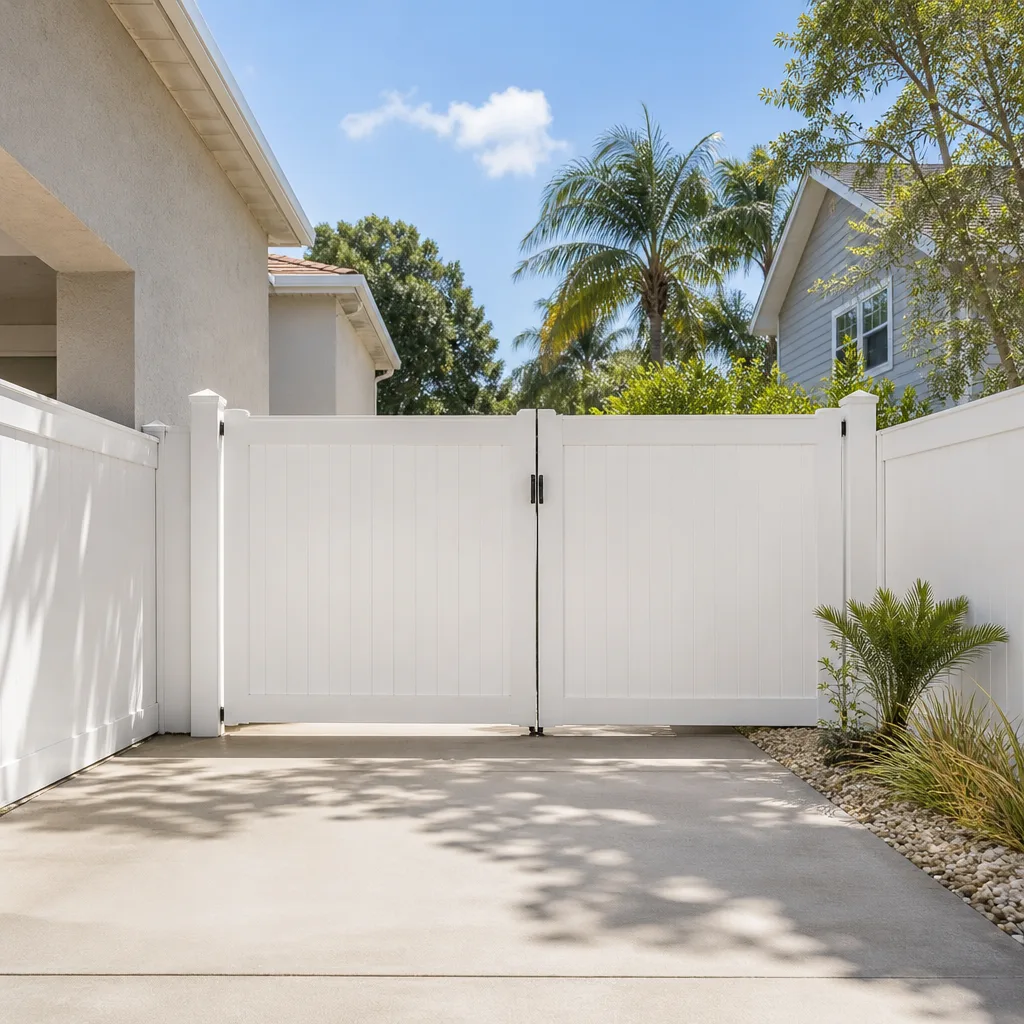
- Fence
Table of Contents
- Why San Jose’s Clay Soils Change Your Foundation Budget
- The Real San Jose Permit Timeline by Project Type
- When HOA Review Takes Longer Than the City
- How to Read a Contractor’s License on the CSLB Site
- The Order of Operations: Before Demo, Before Framing, Before Final
- Reading a Bid: What Should and Shouldn’t Be There
- Neighborhood Realities Across San Jose
- Common Mistakes to Avoid
Why San Jose’s Clay Soils Change Your Foundation Budget
Much of San Jose sits on expansive clay – soil that swells when it soaks up winter rain and shrinks through the dry summer. That movement is slow and mostly invisible until it isn’t. It shows up as hairline cracks in drywall, sticking doors, and slabs that heave unevenly. For a new addition or an ADU, it changes how deep footings go and how much steel goes into them. For a slab replacement, it decides whether a standard pour is enough or whether you need a post-tension design.
What we see in bids that come in too low is a foundation line that assumes stable, well-drained ground. That assumption doesn’t hold in San Jose flatlands near the creeks, and it doesn’t hold on the slopes toward the east foothills. A contractor who’s built here knows to ask about drainage, soil reports, and whether a geotechnical test is warranted.
- Expansive clay means deeper footings or a reinforced slab, adding real dollars to a foundation line item.
- Drainage corrections – grading, french drains, downspout extensions – are often necessary before a foundation can be trusted.
- Slope work in Almaden Valley and the east hills can require retaining solutions that aren’t on a cookie-cutter bid.
- Old homes near downtown sometimes have pier-and-beam foundations that need a different repair path than a slab home.
If a bid doesn’t mention soil conditions at all, ask why. A reputable San Jose contractor will talk about ground movement openly, because pretending it away is how foundation cracks become your problem a year later. We’d rather build the cost into the scope in writing than surprise you with it mid-pour.
The Real San Jose Permit Timeline by Project Type
The San Jose Development Services Department is not slow on purpose, but it is busy. Residential permit timelines vary widely by scope, and the numbers below reflect what we’ve seen for typical jobs through 2025 and into 2026. Treat them as planning ranges, not promises – the queue moves.
- Fence replacement: Often no permit needed for a like-for-like fence under standard height. Check first; some situations still require one.
- Driveway and pavers: Usually 1 to 3 weeks if a permit is required at all, though right-of-way work can take longer.
- Roof replacement: Typically 2 to 4 weeks, often with an over-the-counter path for straightforward re-roofs.
- Window replacement: 2 to 4 weeks; like-for-like swaps move faster than changes to openings.
- Kitchen or bathroom remodel: 4 to 8 weeks, longer if structural or plumbing relocations are involved.
- Home addition or ADU: 8 to 16 weeks, and higher for anything with hillside or grading complications.
Plan reviews can come back with corrections, and each correction cycle adds time. A complete submittal on the first pass is the single biggest lever you have. Our team pulls permits and signs off on inspections on every eligible job, and we build review time into the schedule from day one instead of discovering it halfway through framing. The permit inspector works for you, not for us – that’s why we like the process done right.
When HOA Review Takes Longer Than the City
Here’s the part most guides skip: in neighborhoods like Almaden Valley and Evergreen, the HOA architectural review can eat more calendar time than the city permit office. Architectural committees often meet monthly or quarterly, and they want drawings, material samples, color boards, and sometimes a neighbor notification process before they’ll even open your file.
We’ve seen a straightforward addition sit for weeks waiting on a committee meeting with no bearing on whether the city would approve it. The two tracks run in parallel only if you start them together. If you submit to the city first and start the HOA review second, you’ve doubled your wait without gaining anything.
What the review usually covers:
- Setbacks and lot coverage beyond city minimums
- Exterior materials, colors, and roof profiles
- Fence height, style, and visible-from-street materials
- Landscaping and driveway finish
Our advice is simple: call your HOA before you call a contractor. Find out the submittal requirements and the meeting calendar. Bring that list to your first estimate meeting. The materials you pick matter here too – a fence from Barrette or Master Halco may have specs the committee already recognizes, which can smooth the approval. If you’re planning a new fence, our fence installation in San Jose page covers the material and review questions that come up most.
How to Read a Contractor’s License on the CSLB Site
Before you sign anything, look up your contractor on the California State Licensing Board website. It’s free, it takes two minutes, and it tells you more than any brochure will. This is the check that separates a real operator from a smooth talker.
- Look up the license number. Confirm it’s active and in the right classification for your work.
- Check the expiration date. An expired license isn’t a small detail.
- Read the complaint history. Past discipline is public record.
- Confirm workers’ compensation and bond status. These protect you if something goes wrong on your property.
- Cross-check the name and address. They should match who’s quoting you and where they say they’re from.
A contractor who publishes his name, address, and license number expects you to look it up. We’d rather you did. Ask anyone on your street – or look up the license number yourself. The same principle applies when you’re sizing up a driveway job or a big addition; see our driveway and pavers in San Jose page and home additions and ADU in San Jose page for what to verify on each.
The Order of Operations: Before Demo, Before Framing, Before Final
Projects that go sideways usually skip a step. Here’s the sequence that keeps a San Jose build on track. It’s not glamorous, but it’s what separates a smooth job from a stressful one.
Before demo:
- Permits issued and posted on site.
- Scope, allowances, and change-order process signed.
- HOA approval in hand, if it applies.
- Site protection and a dumpster plan set.
- Utility disconnects or relocations confirmed.
Before framing:
- Demolition inspected and signed off.
- Foundation and any structural repairs inspected.
- Rough plumbing, electrical, and HVAC laid out and inspected.
- Framing plan confirmed against the approved drawings.
Before final inspection:
- All trade inspections passed and documented.
- Punch list walked and closed.
- Final cleaning and documentation delivered.
- Warranty terms handed over in writing.
Skipping the pre-framing inspections is the most expensive shortcut there is. A wall gets closed up with a plumbing problem inside it, and now you’re opening it back up. Every step in writing, every inspection signed – that’s how a job stays predictable. Start with our Barrett & Sons Construction San Jose home page if you want to see how we structure a project from the first call.
Reading a Bid: What Should and Shouldn’t Be There
A bid is only useful if it tells you what’s included and what isn’t. The line that sinks homeowners most often is the allowance – a placeholder number for materials that gets adjusted later. An allowance that isn’t on paper is a surprise waiting for a date. Make sure every one is spelled out before you sign.
A good bid has these pieces:
- Line-item scope by trade, not one lump sum.
- Named materials with brands and models – KraftMaid cabinets, Cambria counters, GAF or CertainTeed roofing, Andersen or Marvin windows – so nothing is vague.
- Allowance amounts written out, with a note on how overages get handled.
- Permit and inspection responsibility stated explicitly.
- A written change-order process – no verbal adjustments, no invoice surprises.
- Warranty terms described in full.
What shouldn’t be there: a total with no breakdown, “materials TBD,” or a handshake promise on permits. If someone tells you permits are optional, walk away. The last contractor most customers used told them that, and it’s a red flag every time.
Neighborhood Realities Across San Jose
San Jose is not one market. The project that makes sense in one ZIP code doesn’t in another, and a guide that treats the city as a single place is missing the point.
- Willow Glen: Older homes with mature trees and tighter lots. Roof and drainage issues show up often, and tree-root conflicts with fences and driveways are common.
- Almaden Valley: Hillside grading and HOA reviews drive the schedule. Retaining walls and slope-stable foundations are the frequent conversation.
- Evergreen: Larger lots and active HOAs. Additions and ADUs are common, and architectural review is a real gate.
- Cambrian and Blossom Valley: Solid mid-century housing stock where kitchen and bath remodels are the bread and butter, with occasional foundation work on the flatter clay ground.
- Downtown and the Rose Garden: Historic character, older systems, and tighter permitting on exterior changes. Windows need care to match the home.
In Natomas-style clay flats and creek-adjacent ground across San Jose, we regularly see foundation movement after wet winters. That’s a drainage conversation before it’s a foundation conversation. Knowing the neighborhood before you quote saves everyone a headache.
Common Mistakes to Avoid
- Signing before checking the CSLB. Two minutes on the state site tells you more than a glossy proposal. Skipping it is how people end up with an unlicensed crew on a major remodel.
- Ignoring the soil report on a foundation job. San Jose’s expansive clay rewards anyone who plans for it and punishes anyone who doesn’t.
- Starting the city permit before the HOA review. Run both tracks at the same time in Almaden Valley or Evergreen, or you’ll wait twice.
- Accepting verbal change orders. If it isn’t in writing before the work happens, it’s a surprise invoice with your name on it.
- Choosing the cheapest bid with no line items. The low number is often just a smaller scope, and the gap shows up later.
- Skipping inspections to save a week. The permit inspector is the one person on the job who works for you. Let them do their job.
- Assuming permits are optional. They’re required for most structural work, and skipping them can complicate a future sale.
See the difference
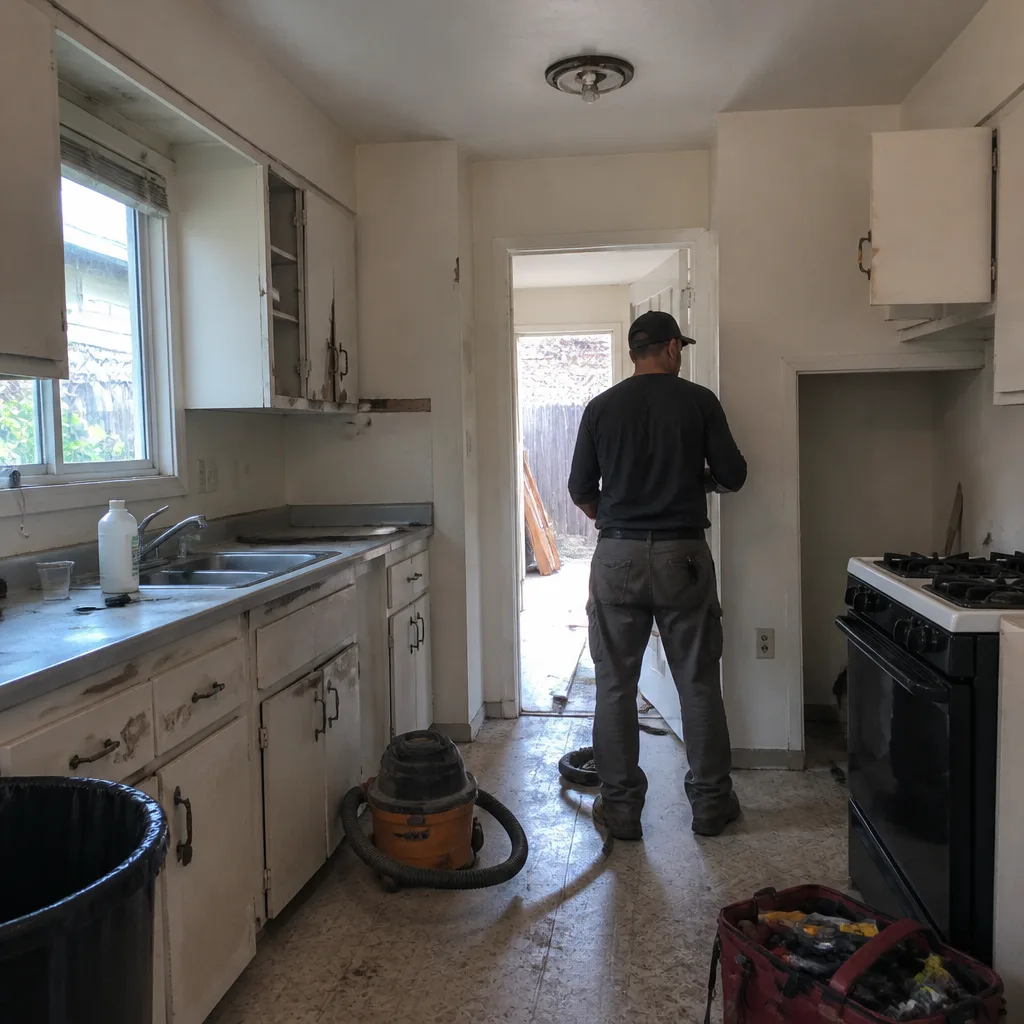 Before
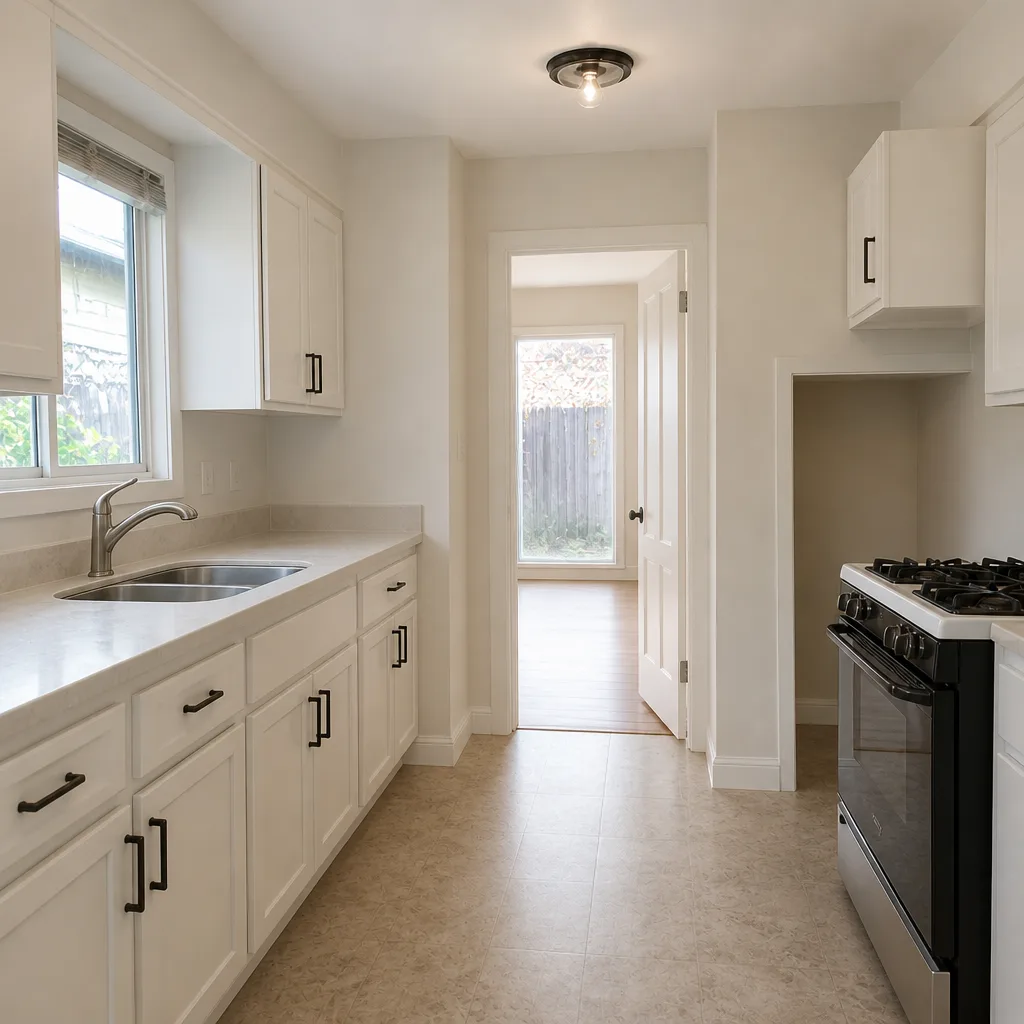 After
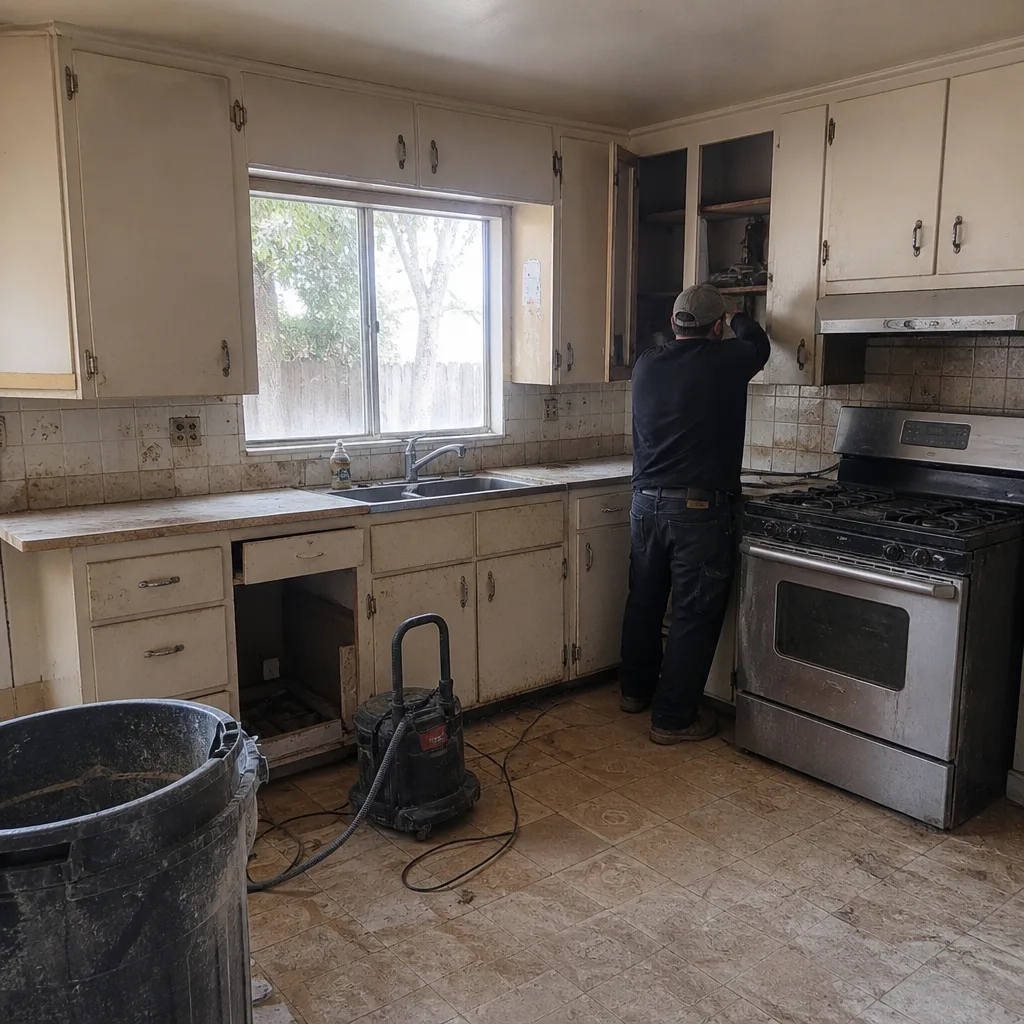 Before
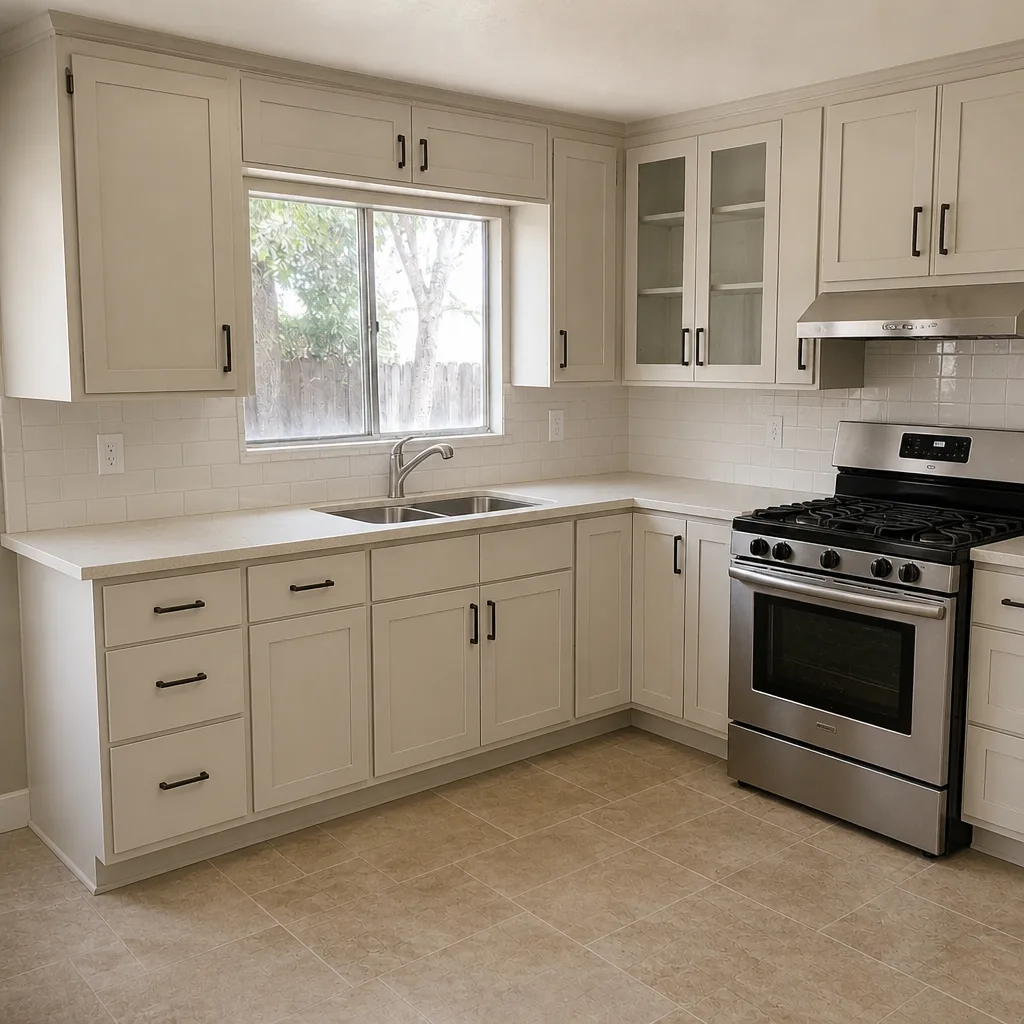 After
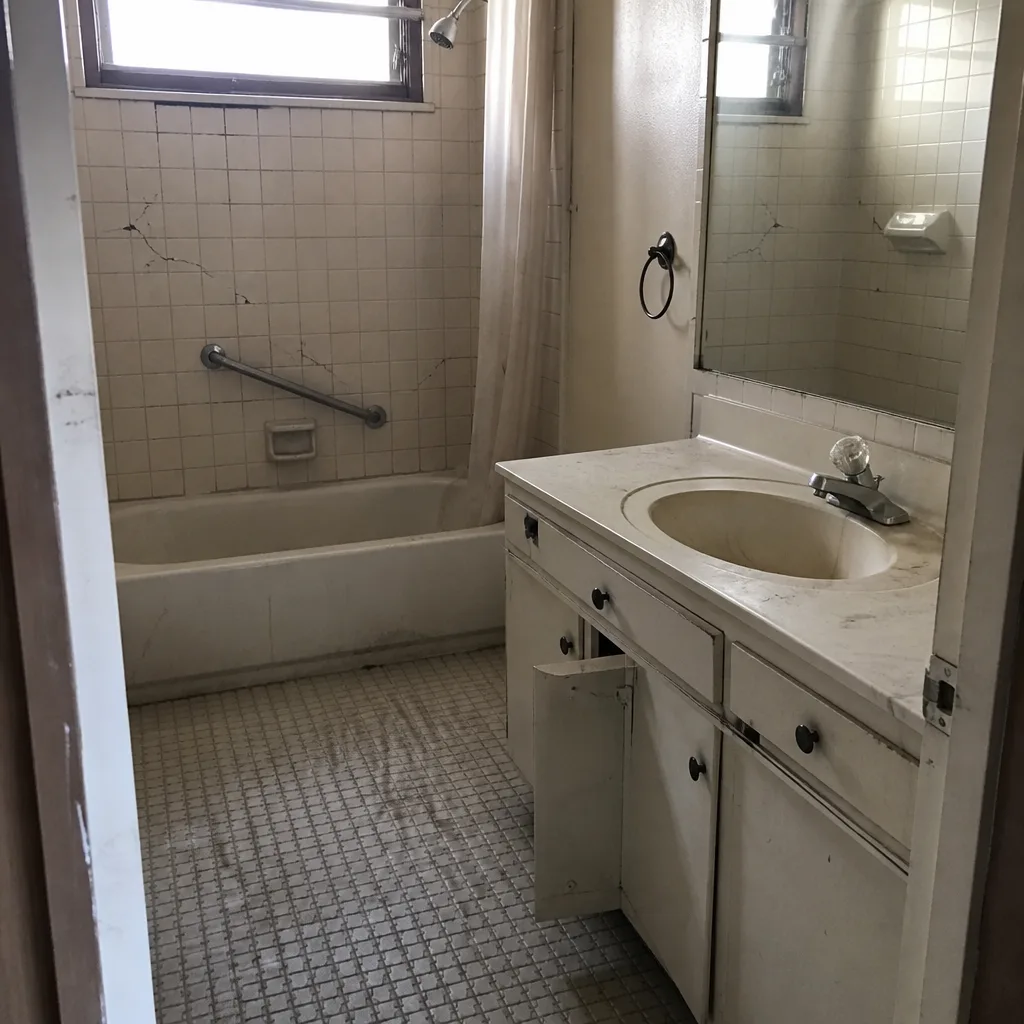 Before
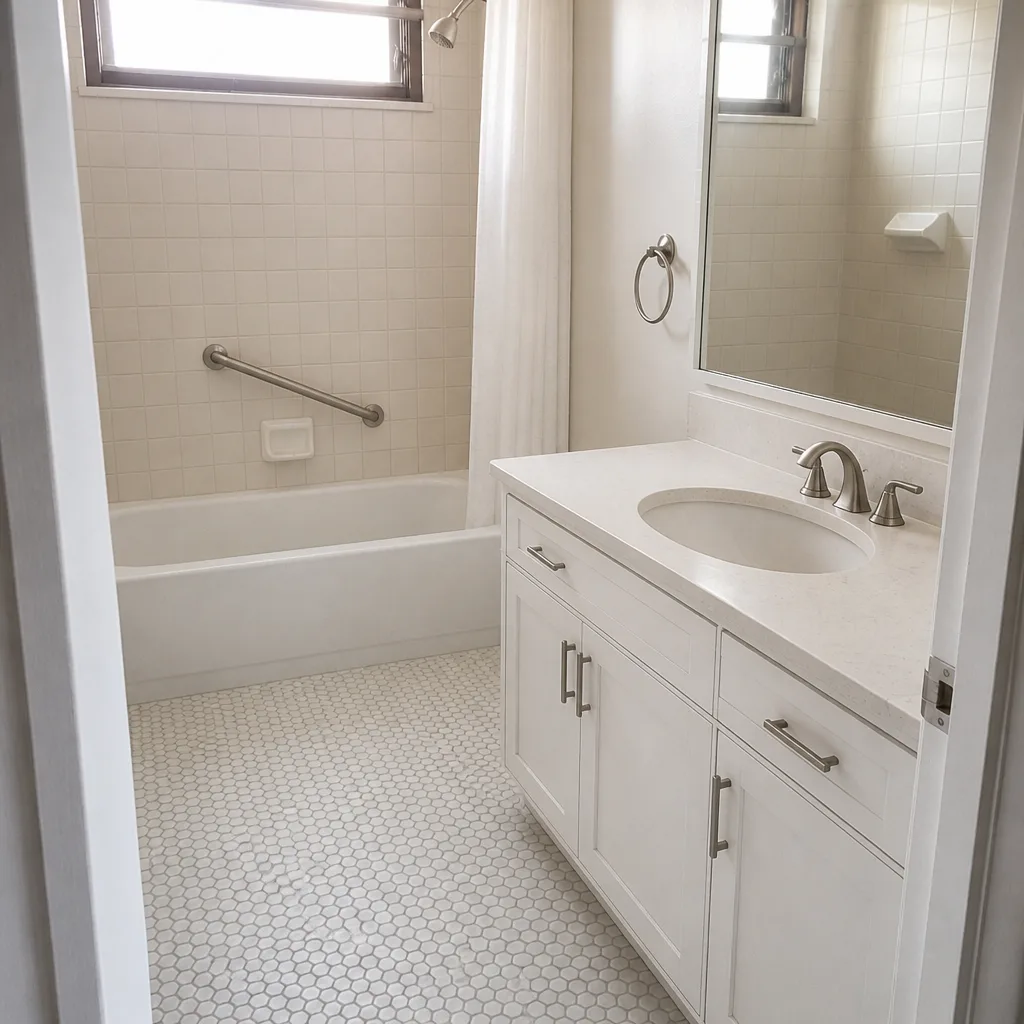 After
When to Call a Professional
Some projects are fine as weekend work. Others need a licensed contractor before you touch anything. Call a professional for anything structural, any foundation work, electrical panel changes, gas line work, roof replacement, and any addition or ADU. Those carry real safety and code consequences. A foundation mistake under San Jose clay is expensive to fix, and a missed inspection can hold up a sale years later. Our team at Barrett & Sons Construction San Jose offers free estimates in San Jose – call (844) 320-5918. A live person answers the phone 24 hours a day, and we’ll walk through your project and give you a written scope before you commit to anything.
Frequently Asked Questions
Most residential permits take 4 to 16 weeks depending on scope, with additions and ADUs on the long end. Straightforward re-roofs and window swaps move faster, often 2 to 4 weeks. Plan reviews and correction cycles add time, so a complete submittal on the first pass matters most. Call (844) 320-5918 for an exact quote on your project – estimates are free.
Much of San Jose sits on expansive clay that swells and shrinks with the seasons, so footings and slabs are often built deeper and stronger than on more stable ground. That adds real cost to the foundation line. A bid that doesn’t account for soil conditions is a bid you’ll pay for later.
A like-for-like fence under standard height often needs no permit, but some situations still require one, and any right-of-way driveway work usually does. Check before you build. Our fence installation in San Jose page covers the typical requirements, and we’re glad to check yours.
In Almaden Valley and Evergreen, yes – often. Architectural committees meet monthly or quarterly and want drawings, samples, and sometimes neighbor notification before they’ll open a file. Start both tracks at the same time and you’ll save weeks.
Look up the license number on the California State Licensing Board website. Confirm it’s active, in the right classification, unexpired, and check the complaint history. Cross-check the name and address against who’s quoting you. It takes two minutes and it’s the most important check you’ll make.
Not if the scope and allowances are written down. Any change in scope or price should arrive as a written change order before the work happens. Our team has built every job that way for years, and our 90-Day Done Right Promise is on every contract in writing.
The Bottom Line
Construction in San Jose goes well when you plan for the city’s realities: expansive clay soils that raise foundation costs, a permit calendar that runs 4 to 16 weeks on most projects, and HOA reviews that can outlast the city. Check the CSLB license before you sign, read every allowance on the bid, and insist on written change orders. Those three habits prevent most of the trouble homeowners run into. Every eligible job deserves permits pulled and inspections signed. If you’re planning a project, call (844) 320-5918 for a free estimate and a written scope you can take your time with. Ask to see our process, check the license, and compare – that’s what we’d want if it were our house.
Written by the team at Barrett & Sons Construction San Jose.