Last updated November 18, 2026
Free written scope consultation - allowances, timeline, and change-order rules on paper before a single trade is scheduled
The Complete Fence Installation Guide for San Jose Homeowners
San Jose homeowners lose thousands of dollars every year building fences in the wrong location, the wrong height, or without the right permits. None of those mistakes are hard to avoid, but they all require knowing the rules before the first post goes in the ground. Here’s the part that surprises people most: the fence itself is rarely the expensive part. Moving a fence two feet onto a neighbor’s lot, or tearing out a six-foot privacy wall because your HOA limits front-yard fences to four feet, is where the money disappears. This guide covers the three rulebooks you have to satisfy in San Jose – city code, your HOA’s CC&Rs, and your property survey – plus how to find your actual property line, which materials actually hold up in Bay Area weather, and what a contractor should hand you in writing before any digging starts.
Quick Answer
Fence installation in San Jose requires three separate approvals that homeowners often treat as one: a city building permit (or an exemption for low fences), HOA architectural approval if you live in a planned community, and verification of your property line before setting posts. San Jose’s zoning code generally caps front-yard fences at 3 feet and side or rear-yard fences at 6 feet, but corner lots, easements, and sight-line rules can change both numbers. Getting all three right before the first post goes in costs very little; getting one wrong can mean rebuilding at your own expense.
Styles & brands we work with
- Kitchen remodeling
- Bathroom remodeling
- Home additions & ADU
- Roofing
- Windows & doors
- Driveway & pavers
- Fence
Table of Contents
- San Jose Fence Height Rules by Zone
- Corner Lots and the Sight-Line Rules That Surprise Homeowners
- How to Find Your Actual Property Line Before You Build
- The HOA Approval Process and What to Get in Writing
- Wood, Vinyl, Aluminum, and Composite for Bay Area Conditions
- What a Legitimate Fence Contractor Provides in Writing
- Common Mistakes to Avoid
- When to Call a Professional
San Jose Fence Height Rules by Zone
San Jose measures fence height differently depending on which part of your lot you’re fencing, and the number that applies to your rear yard may not apply to your front. These are the general limits under the city’s zoning code, and you should confirm them against the current code and your specific zoning district before you order materials.
- Front yard: Fences and hedges generally max out around 3 feet within the required front-yard setback. This exists so sight lines stay open for pedestrians, drivers, and emergency vehicles.
- Side yard street-facing (corner lots): Similar low limits apply along the street side of a corner lot, often 3 feet in the required setback, with taller fencing allowed further back.
- Rear and interior side yards: Typically up to 6 feet without special approval. Anything above 6 feet usually requires a permit, and some zones treat a 6-foot fence as a structure that must meet setback rules.
- Retaining walls: A fence sitting on top of a retaining wall needs the wall height and fence height considered separately. This comes up constantly on sloped lots in the east foothills.
We’ve seen this trip people up most often in neighborhoods like Willow Glen and Rose Garden, where older homes sit close to the street and the front setback is shallow. A homeowner orders 120 linear feet of six-foot redwood, the crew builds it, and a neighbor complaint brings a code enforcement officer out to measure it against a 3-foot limit. That’s a full rebuild. If you want to avoid a phone call we’d rather you never have to make, measure against the code, not against what the house across the street has. Old fences are sometimes grandfathered; new ones don’t inherit that. For a closer look at how we handle the installation side, see our Fence Installation in San Jose page.
Corner Lots and the Sight-Line Rules That Surprise Homeowners
If your home sits on a corner, your fence is subject to sight-line rules that interior lots never deal with. The point of those rules is visibility at the intersection: a driver pulling up to a stop sign needs to see a child on a bike, not the back side of a six-foot fence. San Jose enforces this through a sight triangle at the corner, and within that triangle your fence height is limited regardless of what the rest of your yard allows.
The practical version:
- Identify the sight triangle. It’s typically measured out from the corner along both street frontages. Any fence within it is height-restricted, often to 3 feet.
- Check your easements. Utility easements near the corner or running along the side of your lot may bar permanent structures entirely. Fencing over a sewer or drainage easement is allowed in some cases, but if the city ever needs access, you may be the one taking it down.
- Watch the grade. On a lot that slopes toward the corner, the measurement is often taken from the higher finished grade, which effectively shortens your allowable fence height.
- Talk to the neighbor before you dig. On corner lots, the fence you want and the sight line your neighbor relies on can conflict. A short conversation now beats a complaint later.
We’ve run into this repeatedly in the newer communities on the south and east edges of San Jose, where the lots are graded and the corner sight lines are enforced carefully. If your property is on a corner, treat the sight-line rule as a hard stop, not a suggestion.
How to Find Your Actual Property Line Before You Build
The single most common fence disaster is building on a line that turns out to be wrong. A fence two feet over the line is a trespass, and your neighbor has every right to ask you to remove it at your cost. Before any post goes in, you need to know where your line actually sits, and there are three levels of verification.
- Pull the recorded plat. The county assessor’s parcel map and your recorded subdivision plat show the legal dimensions of your lot. This is a good starting point and free, but it describes the paper lot, not necessarily where the physical line sits today.
- Find the corner pins. Survey markers set at the corners of your lot, usually a metal stake or pipe, are the physical sign of the legal line. If you can locate them and they’re intact, they’re a strong indicator. But pins get moved, buried, or knocked out over decades, so finding one doesn’t guarantee it’s correct.
- Get a licensed surveyor when it’s not clear. If pins are missing, if neighbors dispute the line, if you’re building a fence that will stand near the boundary for decades, or if you’re on a lot that was split or combined, a licensed land surveyor is the right call. A survey costs a fraction of what moving a finished fence costs, and it produces a stamped document you can hand to any future owner.
One local note: San Jose has many older neighborhoods with additions, subdivisions, and lot-line adjustments made over the decades, so the paper record and the ground don’t always match. In areas like Almaden Valley and Cambrian, we’ve seen side-yard fence lines that were off by close to a foot for years, quietly tolerated until someone sold. If you’re replacing an existing fence, find out whether the old one was ever correct – “the last one was here” is not proof of anything.
The HOA Approval Process and What to Get in Writing
San Jose has a large number of homes inside HOAs, and the HOA’s architectural review committee is a fourth set of rules that sits on top of city code. A fence that’s perfectly legal under city zoning can still be rejected by your HOA for its material, color, or style. Get the approval in writing before the first post is set, because “the board said it was fine” over the phone won’t hold up if a new board disagrees later.
What to request in writing from your HOA:
- A copy of the current architectural rules covering fence height, permitted materials, and approved colors. Rules change and older homeowners may quote old ones.
- Written approval of the specific design – photos or drawings plus the exact material and finish color, so there’s no argument later about what was approved.
- The name and date of the approving committee member. This is your evidence that approval happened.
- Any requirement to match your neighbor’s fence, including which side faces out and who pays for the shared section.
In San Jose’s master-planned communities, common restrictions we see include a ban on chain-link in front yards, a required consistent finish color visible from the street, wood-look or vinyl only for the street-facing side, and a limit on which fence sections count as “shared.” Some communities require a specific fence style so the whole street matches. Getting this in writing before you order materials saves you from a rejection after the fact. It’s the same principle as the rest of our work: scope in writing, allowances in writing, change orders in writing.
Wood, Vinyl, Aluminum, and Composite for Bay Area Conditions
San Jose’s climate varies more than people expect. The west hills near Saratoga and Los Gatos see more moisture and morning fog on the coastal side, while the valley floor from downtown San Jose out toward Evergreen runs hotter and drier in summer. That difference affects which fence material performs for you.
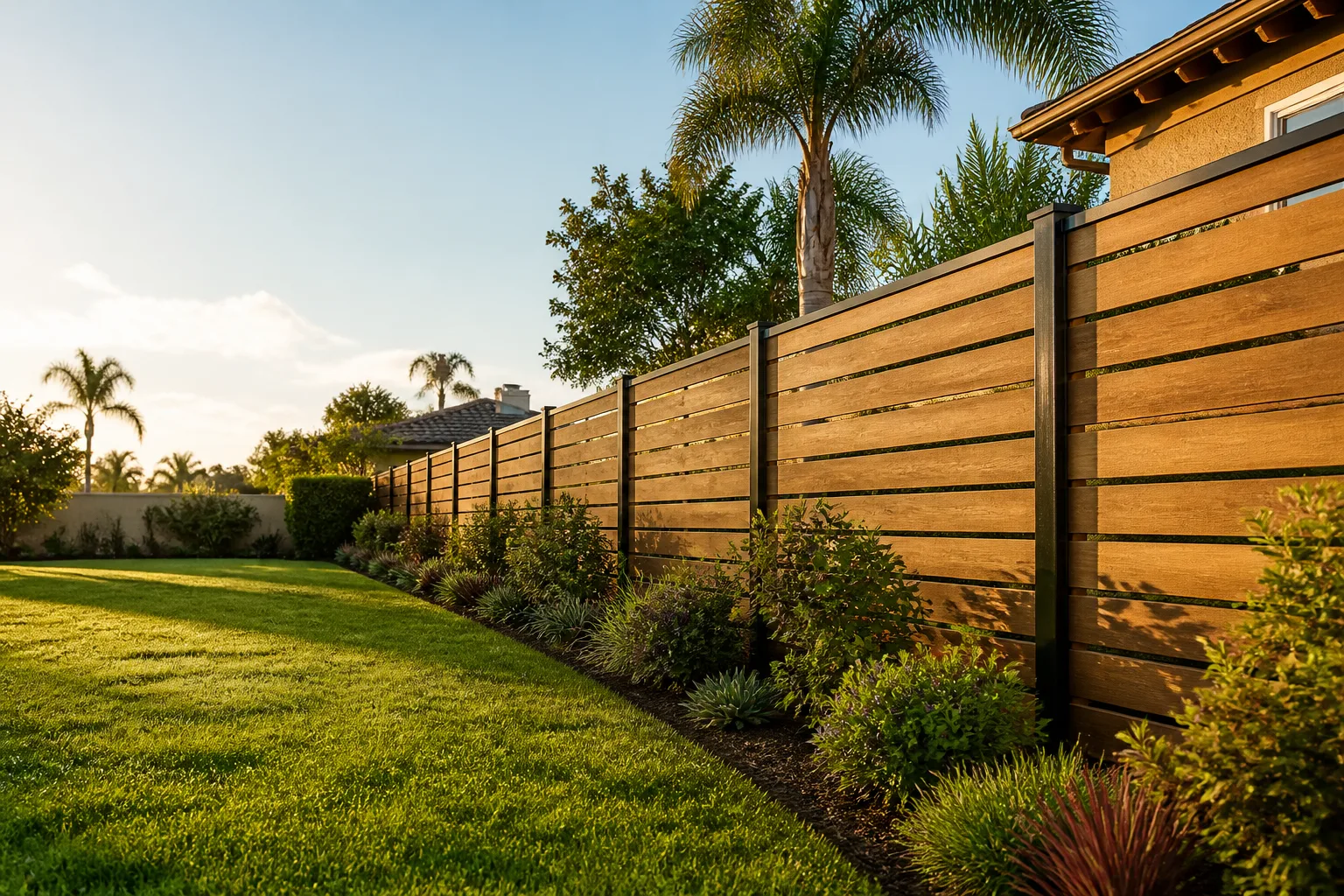
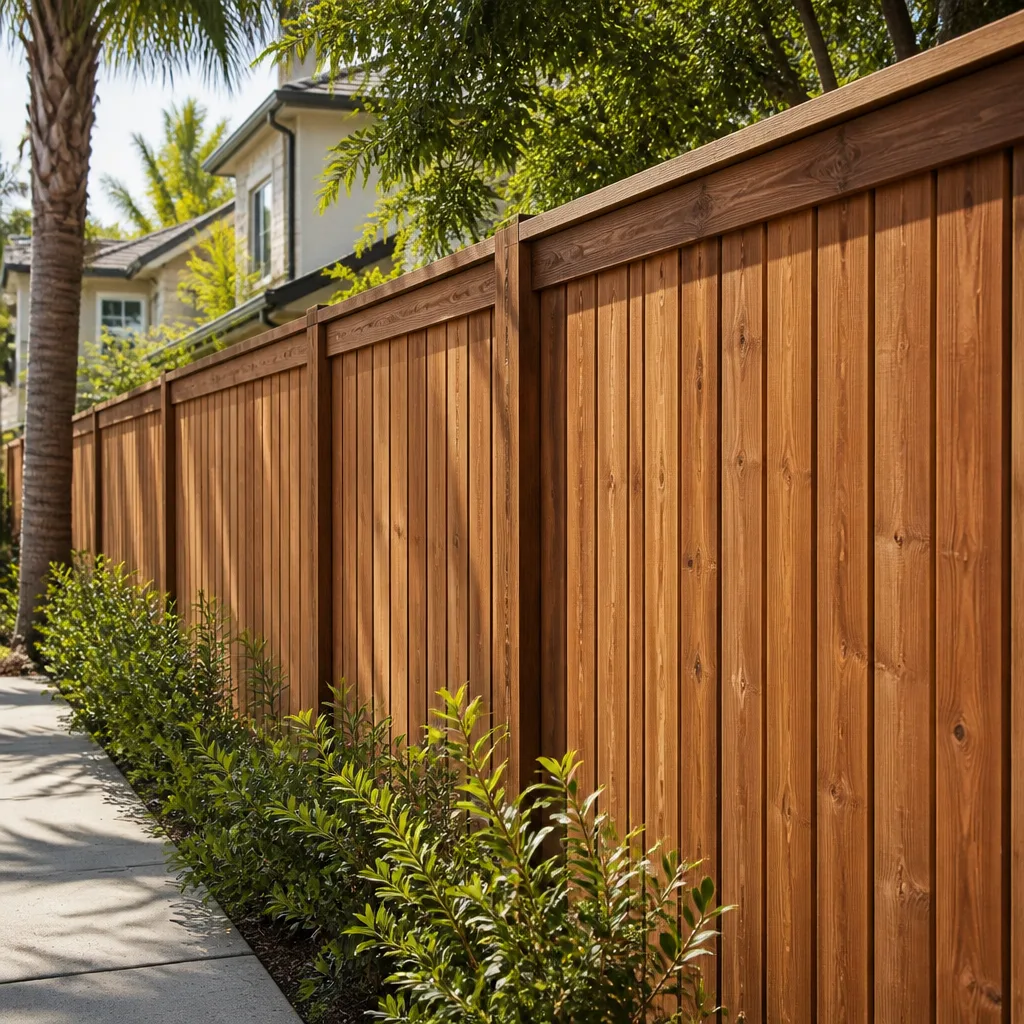
- Wood (redwood and cedar): Still the default in San Jose for good reason. In the Bay Area, clear-heart or all-heart redwood and western red cedar both hold up well. Redwood handles moisture swings better and resists rot naturally; cedar is lighter and tends to check less. Moisture near the fog line speeds up rot at the post base, so post footings matter as much as the wood. We see premium redwood and cedar species used across the valley, and properly set posts outlast cheap pine by a decade or more.
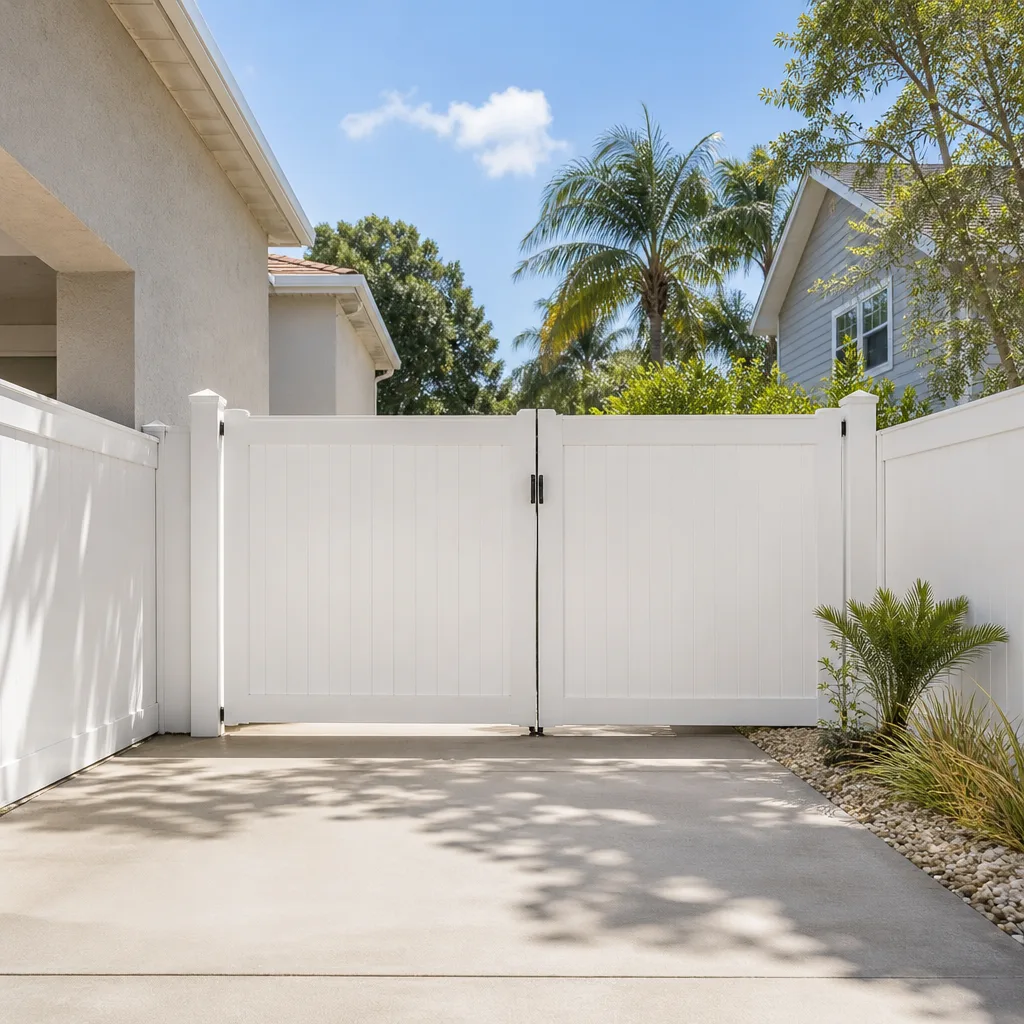
- Vinyl: No painting, no rot, and easy to clean. In the hot valley floor it’s stable, but cheaper grades can get brittle over time in direct summer sun. Buy from a known manufacturer rather than an unbranded product, and check the UV rating.
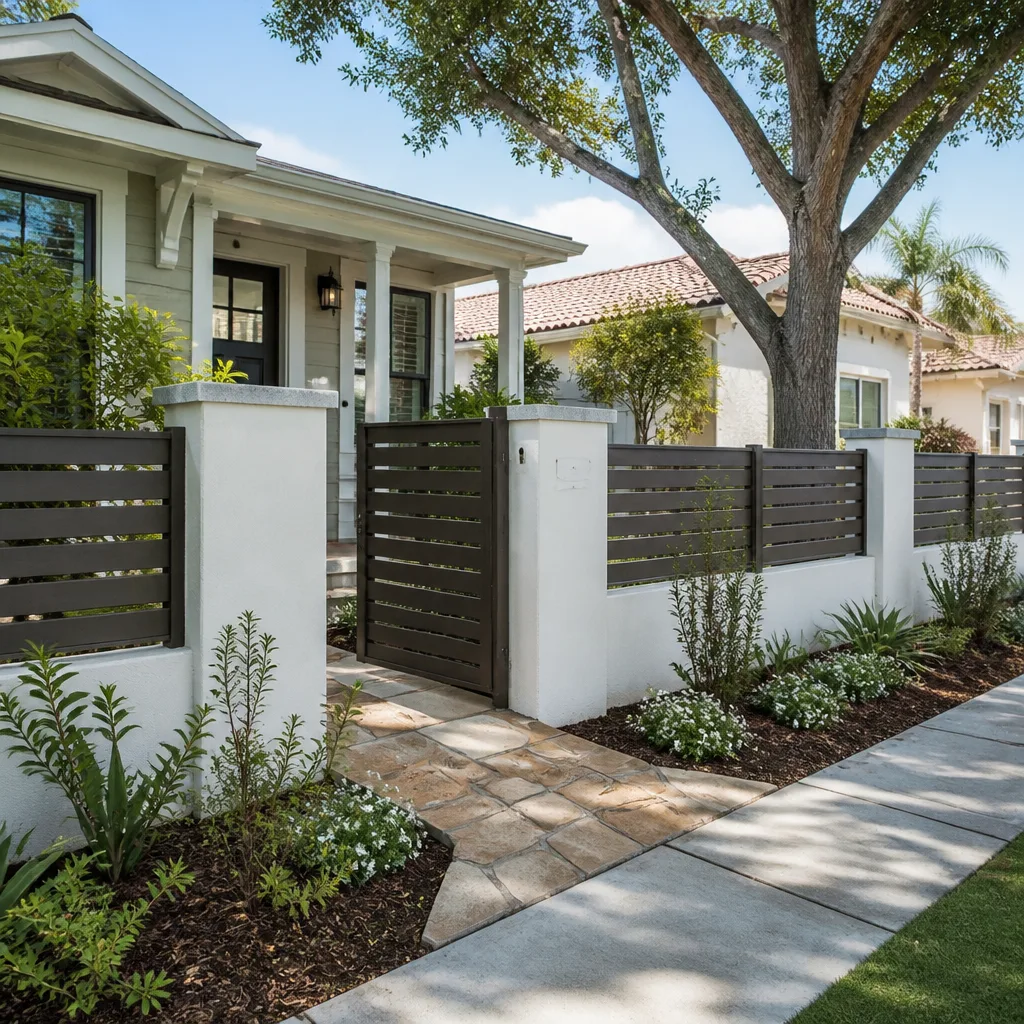
- Aluminum: The best fit for view corridors and front yards where you want something low and open. It doesn’t rust through like steel, it’s light, and it suits the 3-foot front-yard limits. Good ornamental aluminum brands hold their finish well in coastal moisture.
- Composite: Long lifespan, no annual staining, and a wood look. More expensive up front, and worth it only if you plan to stay in the home long enough to skip refinishing cycles. Ask which brand and grade you’re getting in writing, not just “composite.”
One thing we always flag: fastener and post quality matter as much as panel material. Stainless or coated fasteners and properly sized, concrete-set posts are what keep a Bay Area fence standing through winter rain and dry summers. When we quote, the material brands and grades are named in the scope so you can look them up yourself.
What a Legitimate Fence Contractor Provides in Writing
Before any crew breaks ground in San Jose, you should have four things on paper. If a contractor won’t put them in writing, that’s your answer about how the job will go. The whole point of a written scope is that nothing lives in someone’s memory.
- Property line verification. How the line was established – recorded plat, corner pins, or a licensed survey – and what happens if it turns out to be off. A good contractor asks about this before quoting, not after the first post.
- Permit documentation. Whether a permit is required for your fence height and location, and who is pulling it. If your contractor says permits are optional, ask them to put that in writing, because they won’t. Every eligible job we take includes permits pulled and inspections signed.
- Material specifications. Species or brand, grade, post size and spacing, footing depth, fastener type, stain or finish color, and how many linear feet in each section. “Standard wood fence” on a contract is not a specification.
- Change-order procedure. What happens if the crew hits rock, a buried line, or a fence section that needs replacement. The rule is simple: any price change arrives as a written change order before work happens. An allowance that isn’t on paper is a surprise waiting for a date.
The 90-Day Done Right Promise is the same idea in reverse. When Barrett & Sons does a fence, it’s written on the contract: if something’s not right, one call brings us back to fix it. We’d rather the promise exist than hide it in a footnote. That’s the difference between a name on the truck and a name on a phone that nobody answers.
Common Mistakes to Avoid
- Building to the neighbor’s fence line instead of the legal one. Just because the old fence sat there doesn’t mean it was on the line. Verify the boundary before the first post, especially in older San Jose neighborhoods where lines quietly drifted over the years.
- Ordering six-foot panels for a front yard. Front-yard fences in San Jose are generally capped near 3 feet. A neighbor’s complaint can force a rebuild, and the city doesn’t grant retroactive permission because you already paid for the wood.
- Skipping the HOA architectural review. Verbal board approval isn’t approval. Get the specific design and color in writing with a committee name and date before ordering materials.
- Fencing over an easement without checking. A utility or drainage easement can force you to remove a fence when the city needs access. Check your recorded documents before you build.
- Ignoring the sight triangle on a corner lot. The 3-foot limit inside the corner sight line catches corner-lot owners off guard every spring. Measure it, don’t guess.
- Buying cheap pine to save a few hundred dollars. In Bay Area moisture and sun, the post base is where a cheap fence fails first. The money you save on the wood often goes into replacing posts within a decade.
- Accepting a verbal quote with no written specifications. “Standard wood fence, 6 feet” could mean at least three different post spacings and two species. Get the material and labor itemized in writing.
When to Call a Professional
A short fence on flat ground with clear lines is a reasonable DIY project. The moment any of these apply to your San Jose property, get a professional involved: the lot is on a slope or in the foothills, the fence sits on a retaining wall, the property line is unclear or disputed, you’re in an HOA, or the fence is over six feet in a rear yard. Same story for any fence where utilities may run underneath – hitting a gas or sewer line is a real hazard, and a trained crew with a utility locate knows what to do. A licensed surveyor handles line disputes and a licensed contractor handles the build; don’t let one substitute for the other. If you’re tackling a bigger outdoor project at the same time, our Driveway & Pavers in San Jose page covers how we sequence hardscape alongside fencing so the whole yard comes together.
Barrett & Sons Construction San Jose offers free estimates in San Jose – call (844) 320-5918. Every eligible job includes permits pulled and inspections signed, written change orders before work moves, and the written 90-Day Done Right Promise.
See the difference
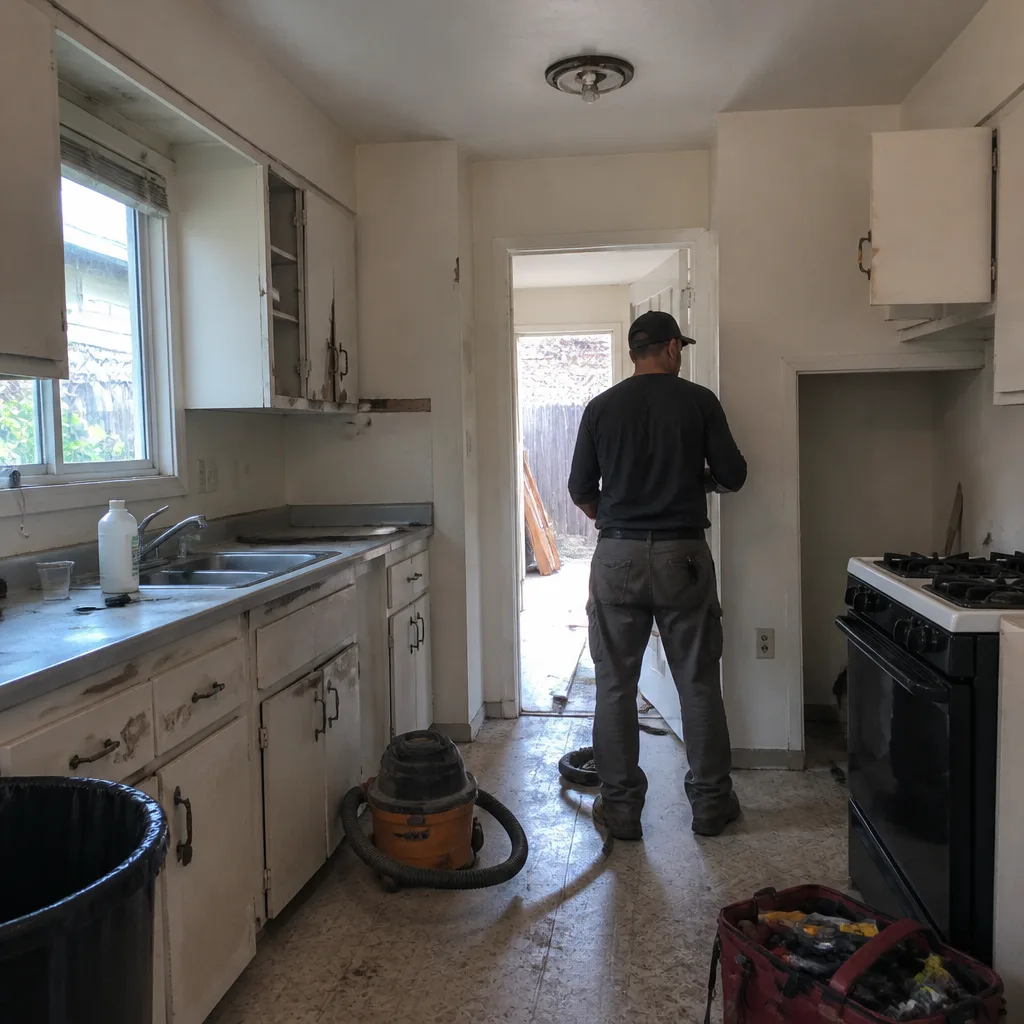 Before
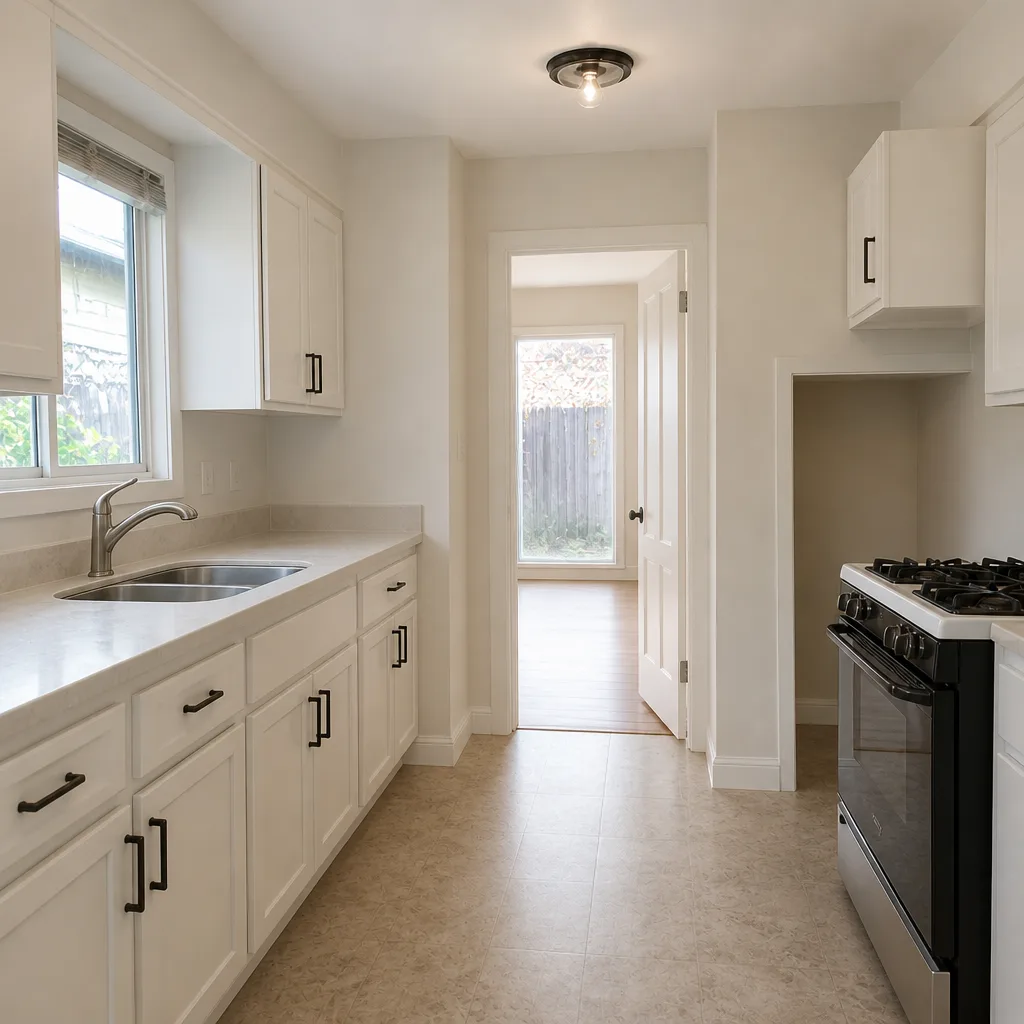 After
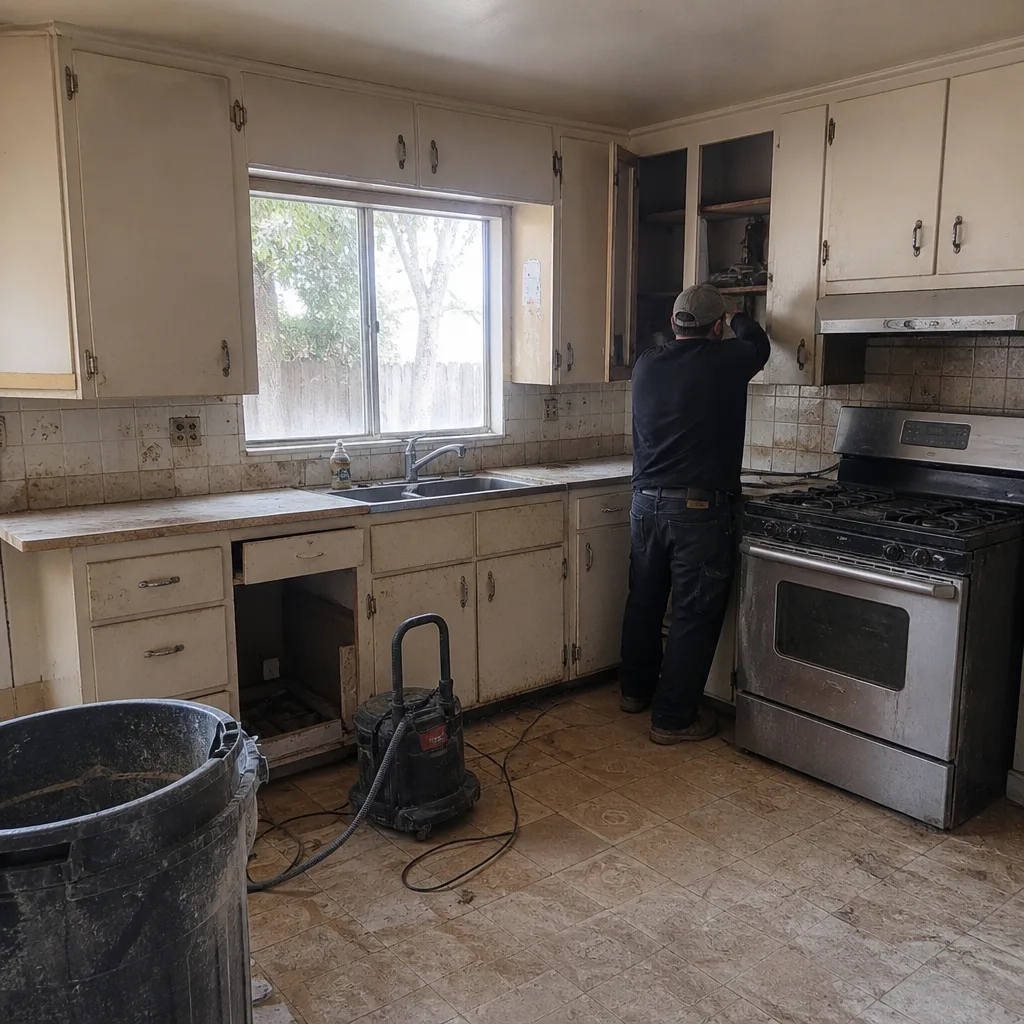 Before
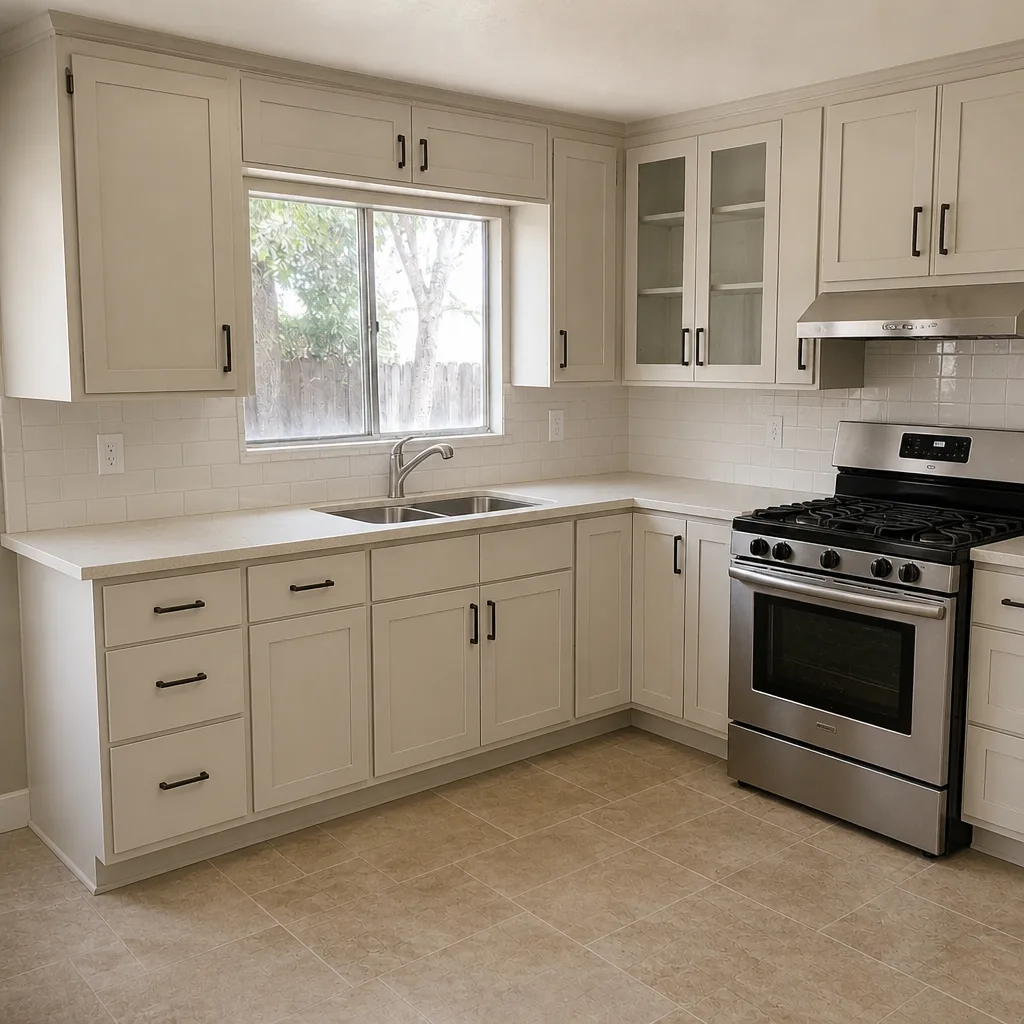 After
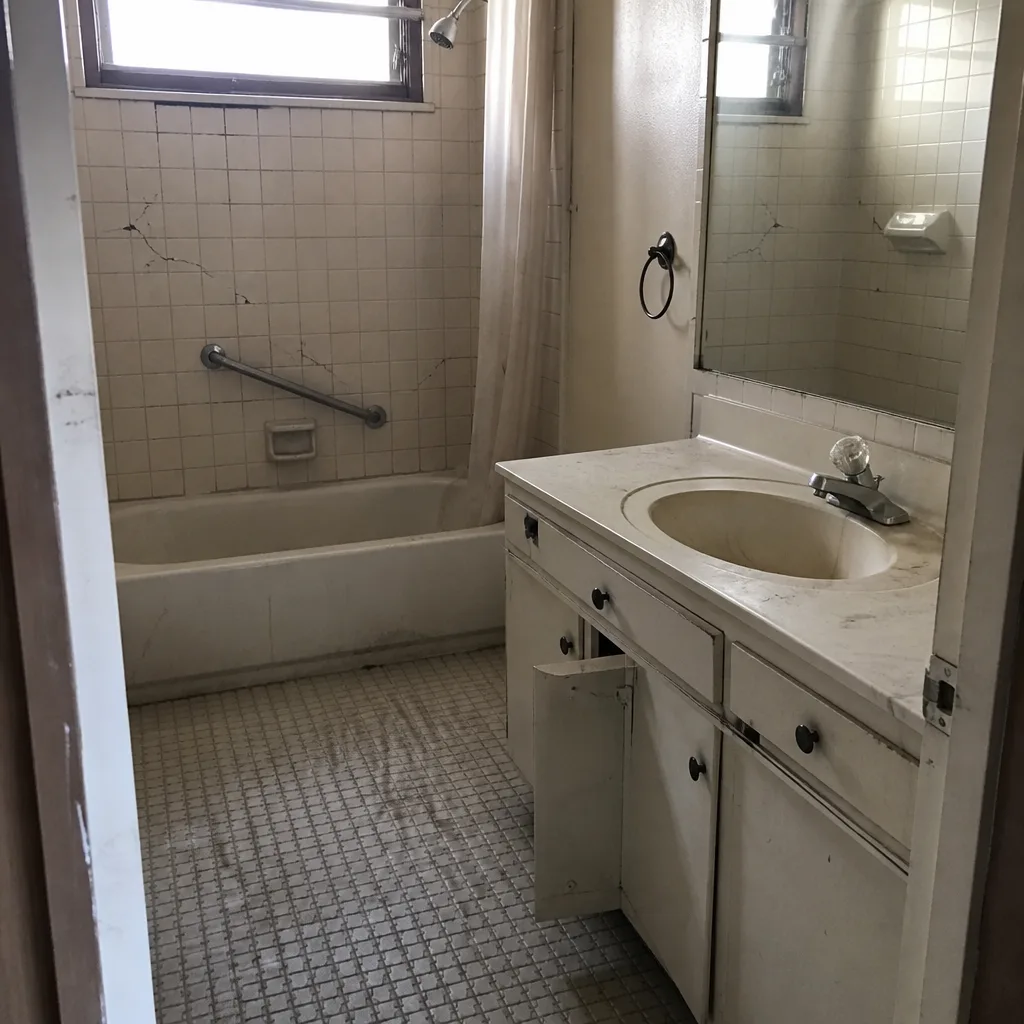 Before
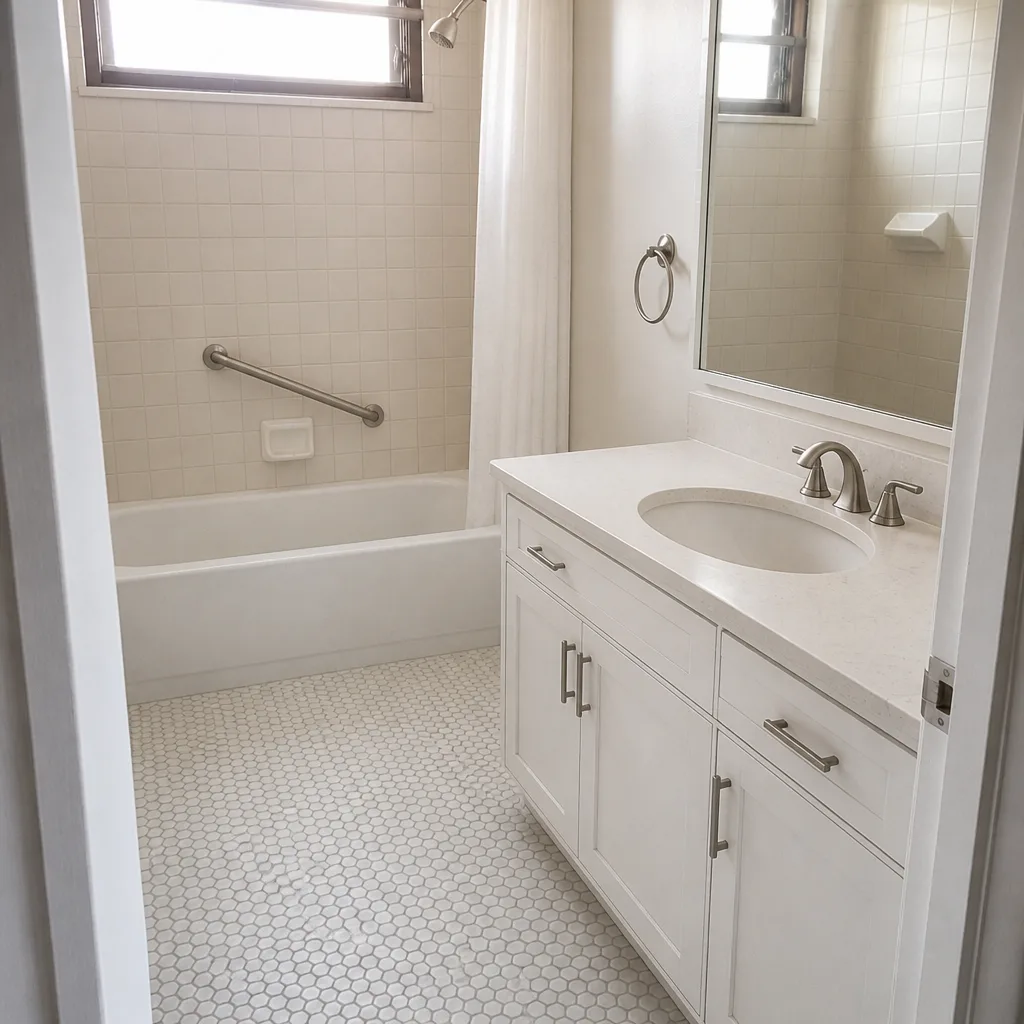 After
Frequently Asked Questions
Residential fence installation in San Jose typically runs about $35 to $75 per linear foot for wood, $55 to $95 for vinyl, $45 to $85 for aluminum, and $75 to $130 for composite, with total project costs driven mostly by length, height, and site conditions. Sloped lots and retaining walls push the number higher. Call (844) 320-5918 for a free, line-item estimate for your property – the quote is free and there’s no obligation.
Often you do, especially for fences over 6 feet in a rear yard or for any fence that requires grading. A low front-yard fence within the setback may not need a building permit, but it still has to meet the height limit, and many properties also require HOA approval. We confirm what your specific height and zone require and pull the permit where it applies.
Start with your recorded subdivision plat or parcel map and look for corner pins, then get a licensed land surveyor when pins are missing, the line is disputed, or the fence will stand for decades. The record and the ground don’t always match in older San Jose neighborhoods, so a survey is the only way to be certain before you build.
Not without your written approval. What changes a fence price is what crews can’t see until they dig – rock, buried utilities, or a section needing replacement – and when that happens, you get a written change order before any additional work proceeds. Allowances and scope are in writing up front so there are no surprise invoices at the end.
For most San Jose homes, clear-heart redwood or western red cedar performs best – both resist rot naturally and handle the moisture swings in the west hills and the heat on the valley floor. Vinyl and composite are strong low-maintenance options if you’d rather skip refinishing. The material grade and brand should be named in your written scope.
A typical residential fence in San Jose takes about two to four days on site once the permit and HOA approvals are in hand, depending on linear footage and site access. The permit review and HOA architectural approval usually add the most time to the schedule, so start those first. Call (844) 320-5918 to talk through timing for your project.
The Bottom Line
Installing a fence in San Jose is not complicated if you work through the rules in order: verify your property line, confirm the height limit for your zone and corner-lot sight lines, get your HOA approval in writing, and demand a written scope with materials and change-order terms before the first post is set. Most of the money lost on fence projects in San Jose comes from doing it in the wrong order. Get the paperwork right and the fence almost builds itself. If you’d like a second set of eyes on your plan or a line-item estimate, we’re glad to help – and our free second opinion on any written estimate is yours for the asking. Our Barrett & Sons Construction San Jose home page shows the rest of what we build, and if a fence is part of a bigger outdoor plan, our Home Additions & ADU in San Jose page covers the major projects we take on.
Call (844) 320-5918 to schedule your free estimate. Ask anyone on your street – or look up the license number yourself. We’d rather earn your trust before the first nail than defend our work after.
Written by the team at Barrett & Sons Construction San Jose.