Last updated November 18, 2026

Free written scope consultation - allowances, timeline, and change-order rules on paper before a single trade is scheduled
Home Additions & ADU Maintenance Schedule: What to Do and When
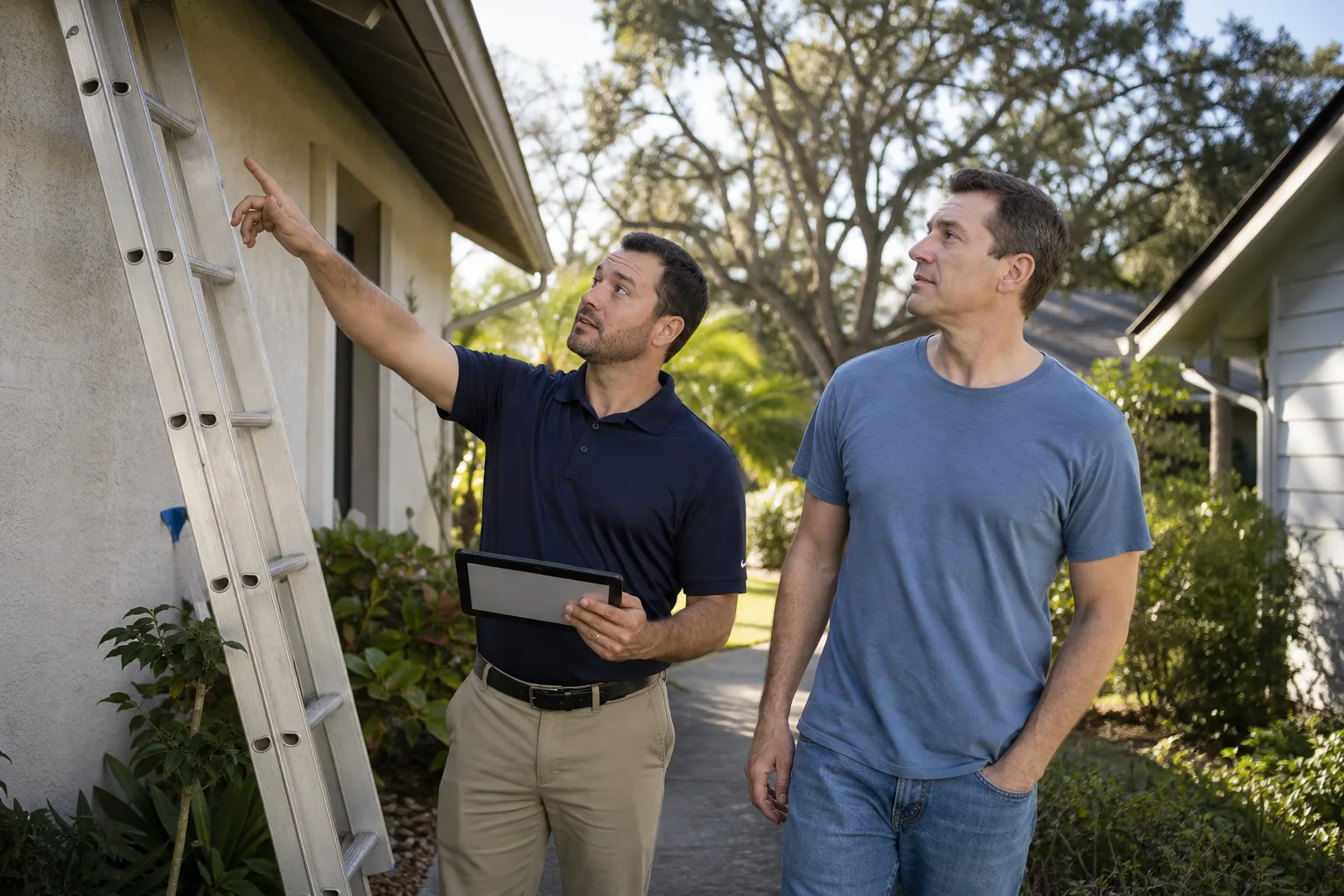
The flashing where a new addition roof meets the original house wall is the single most likely place water will enter your home in the first ten years. Not the shingles. Not the windows. That L-shaped seam where new construction kisses old. It needs eyes on it every fall, not the day you notice a brown ring spreading across the ceiling. We’ve walked through enough San Jose additions to know the pattern: the homeowner who checks that joint twice a year spends almost nothing on repairs, and the one who waits spends thousands. This guide lays out a month-by-month maintenance schedule built specifically around additions and ADUs, including the California rules that apply when you rent one out.
Quick Answer
Inspect the roof tie-in, foundation joint, and caulk lines every fall and spring, test the ADU sub-panel breakers and GFCIs once a year, descale the tankless water heater every 12 months, and clean mini-split filters every 30 to 90 days depending on use. Between tenants, check water, smoke and carbon monoxide detectors, and the exterior disconnect before someone moves in. Most of this takes a Saturday, not a crew.
Styles & brands we work with
- Kitchen remodeling
- Bathroom remodeling
- Home additions & ADU
- Roofing
- Windows & doors
- Driveway & pavers
- Fence
Table of Contents
- Why an Addition or ADU Needs Its Own Schedule
- The Month-by-Month Maintenance Calendar
- The Four Connection Points to Watch
- The Detached ADU Sub-Panel and Electrical Schedule
- Landlord Maintenance Timing in California
- San Jose’s Climate Cycle and Weatherproofing
- Replacement Timelines for the Underestimated Components
- Common Mistakes to Avoid
Why an Addition or ADU Needs Its Own Schedule
A standard house moves as one piece. An addition doesn’t. The new wing sits on its own foundation footing, framed against the original wall, and covered by a roof that wasn’t engineered with the rest of the house. Every place new meets old is a joint, and every joint is a place where things can separate. If you’ve been remodeling or adding on, you already know this at some level. This schedule makes it concrete.
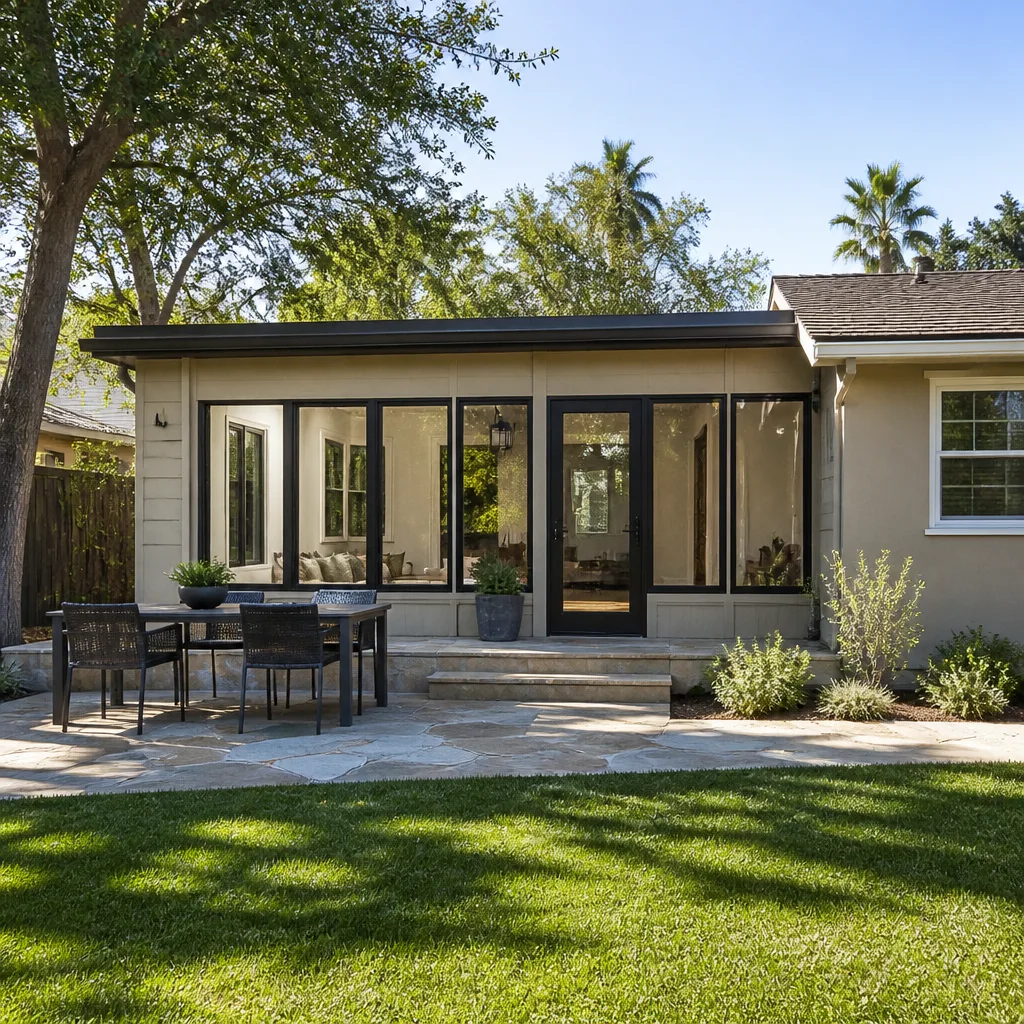
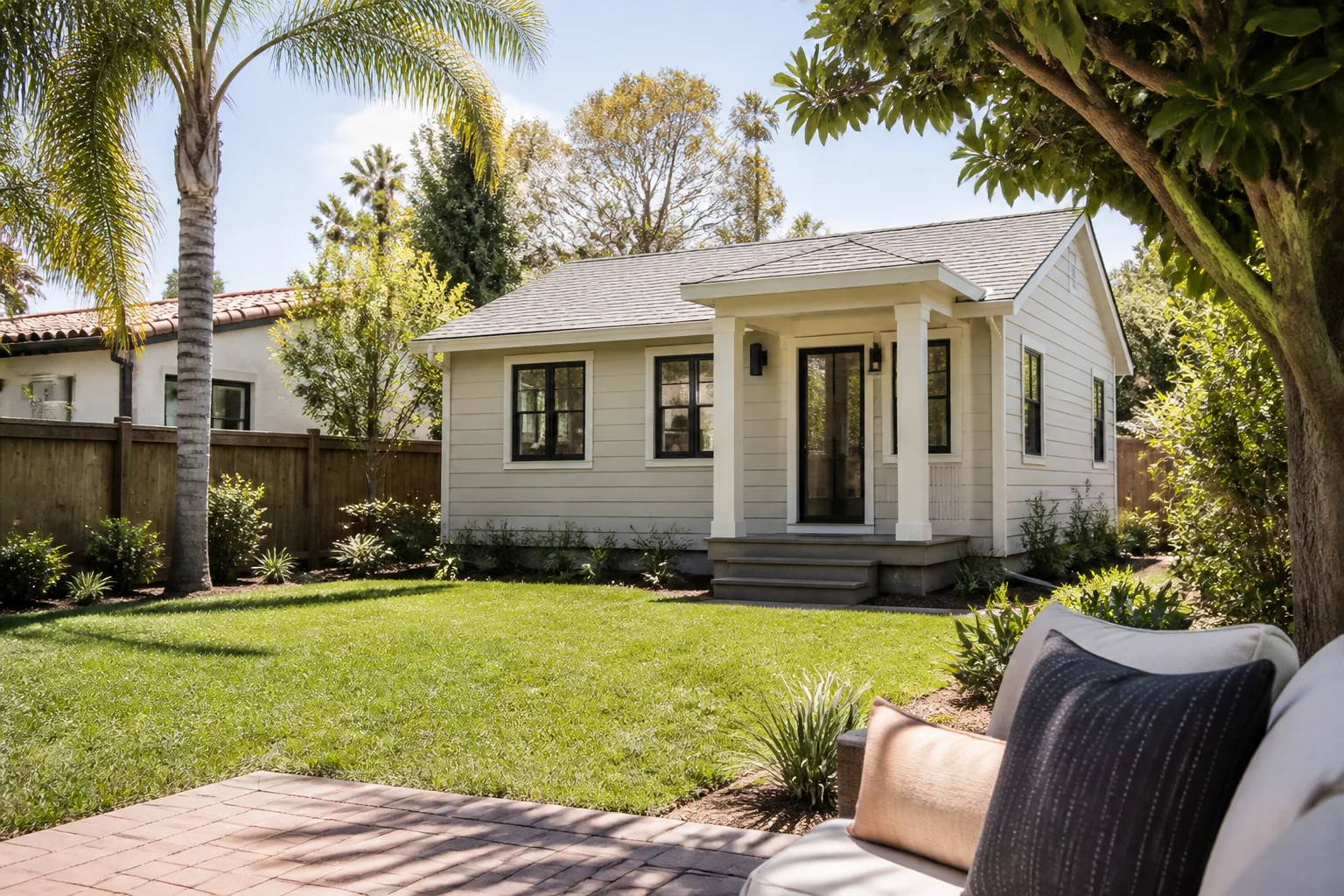
An ADU is harder still because it’s usually a rental. It has its own electrical sub-panel, a separate water heater, a mini-split system, and tenants who won’t tell you about a slow leak until there’s a stain on their side of the wall. The maintenance is the same kind of work you’d do on a house, but the stakes change because a tenant’s quiet problems can run for months before you hear about them. If you’re still planning your build, our overview of Home Additions & ADU in San Jose covers what goes into the design and permit stages. This page is about what happens after you get the keys.
One thing worth saying up front: whether the addition is attached or detached, the schedule below is the closest thing we have to a universal guide. Some of it applies to a converted garage. Some only applies to a standalone two-story ADU. Use what fits.
The Month-by-Month Maintenance Calendar
San Jose doesn’t have four seasons the way people from colder states think of them. We have a dry season from roughly May through October and a wet season from November through April. The maintenance calendar works off that rhythm, with a heavier outdoor list in fall (before rain) and a heavier indoor list in spring (after rain).
January through March. Peak wet season. Check gutters and downspouts after any major storm, especially on the addition’s roof section. Look at the ceiling and walls near the tie-in for new water stains. Test smoke and carbon monoxide detectors in the ADU. Wipe down window tracks where water collects. If you have a crawlspace under the addition, look in after a heavy rain for standing water or dark soil.
April through June. The dry season starts, and this is when you do the spring caulk pass. Walk the exterior with a tube of exterior-rated sealant and a scraper. Anything that’s cracked, lifted, or blistered gets redone. Clean the mini-split filters. Test GFCIs. Schedule tankless water heater descaling if it wasn’t done in fall.
July through September. Hottest stretch. Sun exposure becomes the story. Check the paint on the sunny side of the ADU for chalking or cracks, especially on the south and west faces. Look at the expansion gaps at door thresholds and window frames. This is when wood swells from heat and shrinks overnight, which is the cycle that opens the smallest gaps first.
October through December. Fall inspection season. Re-check every joint and connection point before rain. Clean gutters, clear downspouts, trim vegetation back from siding and roof edges. Touch up paint where summer sun worked on it. Inspect the electrical disconnect for weatherproofing. Confirm caulk lines are intact before the wet season starts.
Two outdoor checkpoints a year and two indoor checkpoints a year covers most of it. Any month-by-month calendar is a guide, not a mandate. If you’re doing a heavier spring caulk pass in April, you can skip the October re-caulk and just inspect. The job is the joint, not the date.
The Four Connection Points to Watch
Every addition has four places where the new structure meets something else. Each of these moves differently from the material on either side, which means each one opens up a little every year. Watching them is the whole point of the schedule.
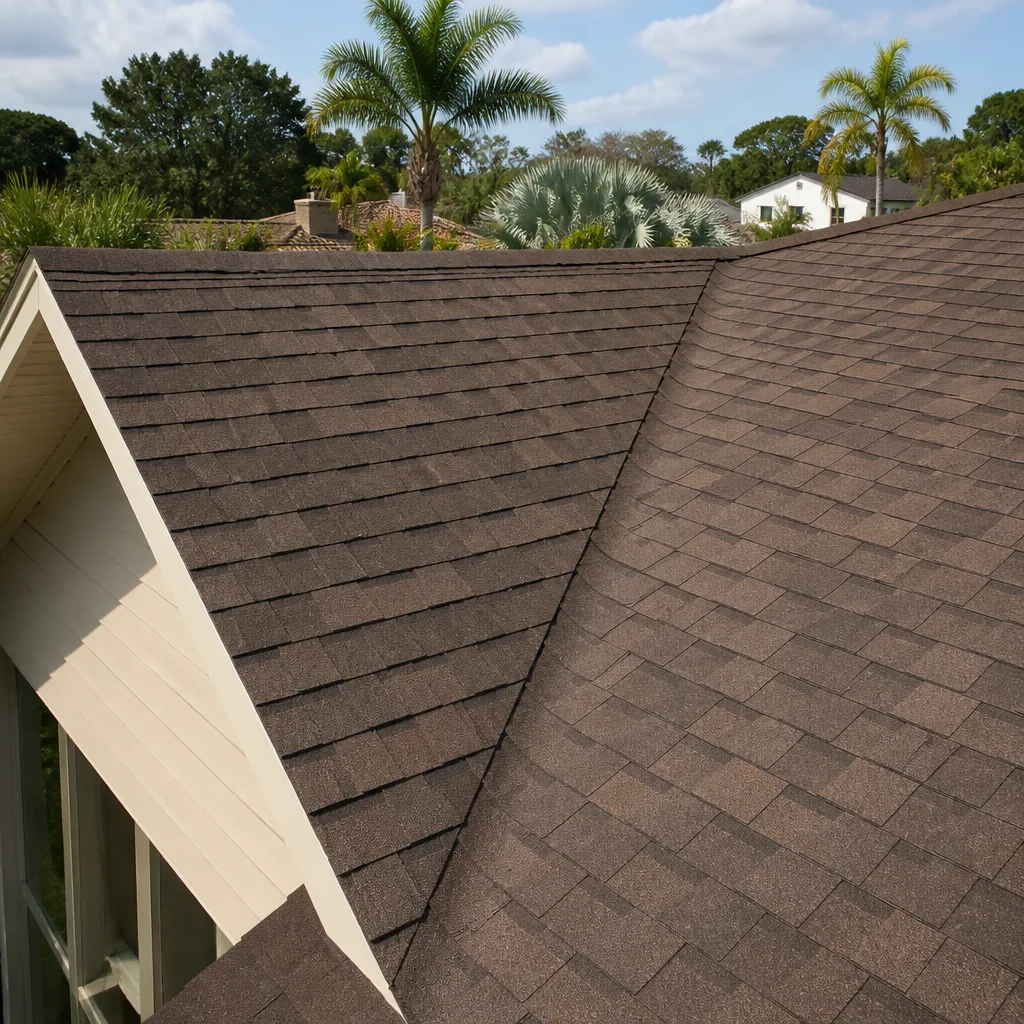
- Roof tie-in. Where the addition’s roof meets the original wall. This is the flashing line. Look for lifting metal, cracked sealant, and any dark stain on the siding below. Water here almost always shows up at the ceiling first, then the wall.
- Foundation joint. Where the new slab or stem wall meets the old. Small cracks are normal as the two settle at different rates. What you don’t want is a crack that’s wider than a hairline, an offset where one side sits lower, or visible water intrusion. If you see any of those, call someone.
- Shared wall framing. The wall the addition shares with the original house. Check for cracks along the interior drywall seam at the ceiling and floor. Vertical drywall cracks in an interior wall of an addition often mean the framing has shifted or the joint between old and new framing is working loose.
- Expansion gaps. Gaps at door thresholds, window frames, and where the addition’s siding meets original stucco or siding. These are supposed to exist. The sealant that fills them is what fails. When the sealant cracks, water gets in and the gap grows.
Walk all four once in May and once in October. Take a photo each time. Comparing spring to fall tells you more than any single inspection, because you can see whether a gap is opening or stable. This is one of those habits we’ve seen save homeowners five figures over the life of an addition, and it costs a phone camera and fifteen minutes.
The Detached ADU Sub-Panel and Electrical Schedule
An ADU with its own sub-panel has a set of electrical maintenance tasks a main house doesn’t. That panel feeds everything from the mini-split to the hot water to the outlets, and it has to be inspected whether the unit is occupied or not. If the ADU sits vacant between tenants, the schedule gets more important, not less, because nothing gets noticed while no one’s living there.
Annual breaker inspection. Once a year, cycle each breaker in the sub-panel off and back on to keep the mechanism from seizing. Look for scorch marks, discolored plastic, or a breaker that feels loose when you switch it. This is a job for a licensed electrician, not for anyone reaching into a live panel. Electrical work is one of those areas where the wrong move is genuinely dangerous; a trained professional is the right call.
GFCI testing. GFCI outlets should be tested monthly in a unit that’s occupied and again after any vacancy. Press the test button, confirm the power cuts, then reset. Do the same for any GFCI breaker in the sub-panel. In an ADU, the GFCIs are protecting outlets near water sources, exterior outlets, and any kitchen areas, and a failed GFCI is a hazard you can’t see.
Exterior disconnect weatherproofing. If the ADU has an exterior disconnect for the mini-split or another circuit, inspect it once a year for cracked seals, water inside the box, or corrosion on the terminals. San Jose’s wet season is long enough to work on a bad seal. Reseal or replace the cover before October.
Vacancy checklist. When the ADU sits empty for more than a couple of weeks, walk it once a month. Check that no breaker has tripped, run a tap to keep the P-trap wet, and make sure the mini-split is either running on low or off with the filter clean. Vacant units are the ones where the slow leak becomes a mold job.
Landlord Maintenance Timing in California
If you rent out an ADU, some of the maintenance isn’t just good practice. It’s the law. California’s habitability rules (Civil Code 1941.1) put certain repair obligations on the landlord, and the timing matters. The rule of thumb: the landlord has to maintain the property in a livable condition at all times, and 30 days is the standard window for most non-emergency repairs after written notice. Anything that affects health or safety, like a broken water heater, failed heat in winter, or a serious structural issue, moves faster.
Between tenants, run this checklist:
- Test and replace smoke and carbon monoxide detectors per California requirements, including the newer sealed-battery rules for units
- Run every faucet, flush every toilet, and check under all sinks for leaks
- Test every GFCI and note any that fail
- Check the mini-split filter and clean or replace it
- Look at the ceiling and walls in the ADU for stains from the wet season
- Confirm the exterior disconnect and outdoor outlets are sealed and working
- Verify the water heater is operating and check the tankless descale date
- Walk the roof tie-in from a ladder or ground level and confirm the flashing is intact
Keep a written record of the inspection and the date. If a tenant later claims something was broken before move-in, your record is the difference between a quick resolution and a dispute. Some landlords also provide a written maintenance contact method. That’s not required by statute, but it’s how you find out about a leak before it becomes a habitability complaint.
San Jose’s Climate Cycle and Weatherproofing
San Jose’s weather pattern is the whole reason this schedule has two caulk checkpoints instead of one. Our summers are dry enough to pull moisture out of wood, stucco, and sealant, and our winters are wet enough to push it back in. Every material expands in the summer heat and contracts in the winter wet. Caulk joints that were tight in May have a hairline crack by November. Door thresholds that fit flush in July swell and rub in January.
The cycle stresses the connection points faster here than in a place with steady humidity, where the material stays close to one size year-round. It’s the swing that does the damage. That’s why the fall pass matters more than the spring pass: you’re sealing before the material moves, not after.
Some specific weatherproofing items worth checking each fall:
- Caulk at window and door frames on the addition, especially the south and west faces
- The threshold at the ADU entry door and any exterior door on the addition
- Flashing at the roof tie-in, including the sealant along the top edge
- Siding and stucco cracks at expansion joints, particularly where new meets original
- Exterior outlets, the electrical disconnect, and the mini-split line set entry point
- Downspout connections and the grade at the foundation joint
Use exterior-rated sealant, not interior caulk, on anything that faces weather. The label matters. A $6 tube of the wrong stuff costs the same as a $9 tube of the right one and fails in one season. If you’re doing a driveway or hardscape around the addition, our page on Driveway & Pavers in San Jose covers materials that hold up to the same wet-dry cycle, and a brand like Belgard or Unilock is worth asking about by name because their surface finishes hold their color better through the seasonal movement.
Replacement Timelines for the Underestimated Components
These are the three things people put off, and all three have a schedule that’s generous enough to make putting them off easy. That’s exactly why they cost money.
Mini-split filters. Clean every 30 days in heavy use, every 90 days in light use. Replace the filter every 12 months, or sooner if you’ve been running the heat more than usual. A dirty filter makes the system work harder, and in a small ADU that shows up on the electric bill before it shows up in the air quality. If the ADU has a mini-split that’s more than five years old, have the coils cleaned professionally once a year too.
Tankless water heater descaling. Every 12 months in San Jose’s water, which runs hard enough to matter. Skipping the descale doesn’t kill the heater immediately. It just makes it slower, noisier, and eventually less able to keep up with a tenant’s shower. A descaled unit lasts years longer than one that isn’t, and the descale itself takes an hour.
Exterior paint on the ADU. Repaint every 7 to 10 years, with spot touch-ups every 3 to 5 years. An ADU has more exterior wall per square foot of floor area than a house, and often more sun exposure on the sides that aren’t shaded by the main house. Expect to repaint sooner than you’d repaint the original house, especially if the ADU’s south and west faces are in full afternoon sun. When the paint starts chalking, it’s already late.
Common Mistakes to Avoid
- Waiting for a stain to investigate the roof tie-in. By the time water shows on the ceiling, it’s been entering for at least one wet season. Check the flashing every fall, before the rain.
- Caulking with interior sealant. San Jose’s seasonal movement will crack it within a year. Use exterior-rated sealant on anything that faces weather, every time.
- Forgetting the ADU electrical when the unit is vacant. A tripped breaker or failed GFCI in an empty unit is invisible until a tenant moves in and the heat doesn’t work. Walk the unit monthly.
- Skipping the descale because the water “seems fine.” Tankless heaters fail slowly and quietly. The descale schedule is what keeps it from failing at all.
- Assuming the mini-split filter can wait until it looks dirty. A filter looks fine long after it’s restricting airflow. Clean it on a schedule, not on appearance.
- Missing the between-tenants inspection record. Without a dated written record, a habitability dispute gets ugly fast. Write it down every time.
- Repainting the ADU on the main house’s timeline. The ADU sees more sun per square foot and needs paint sooner. Don’t assume they’re on the same clock.
See the difference
 Before
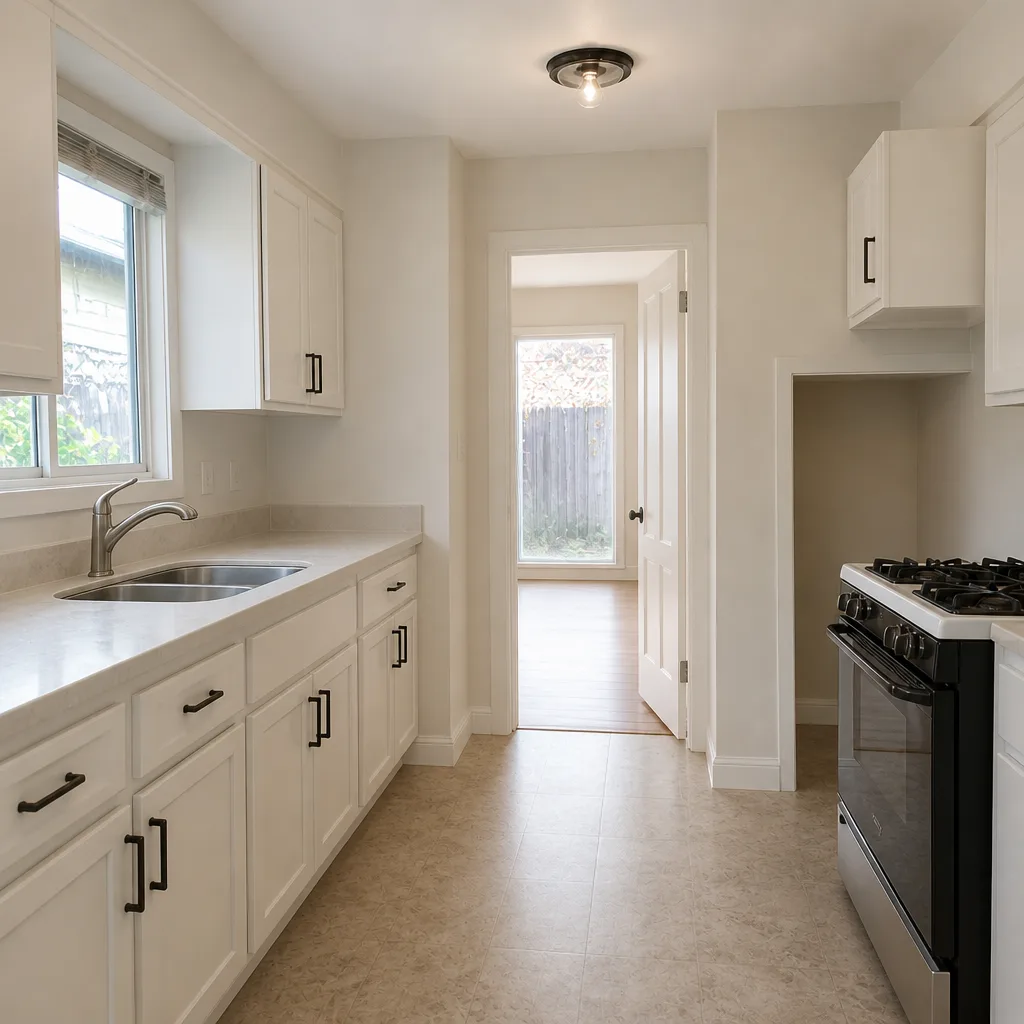 After
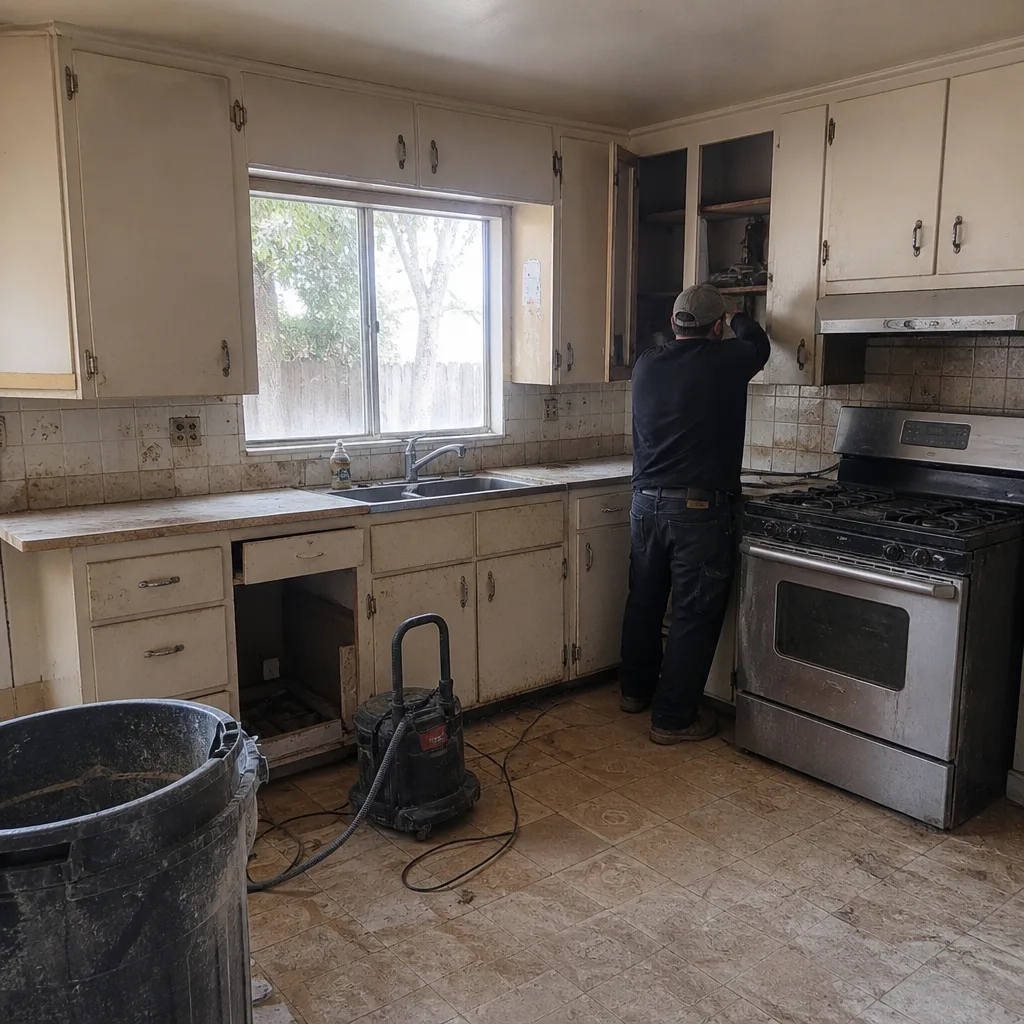 Before
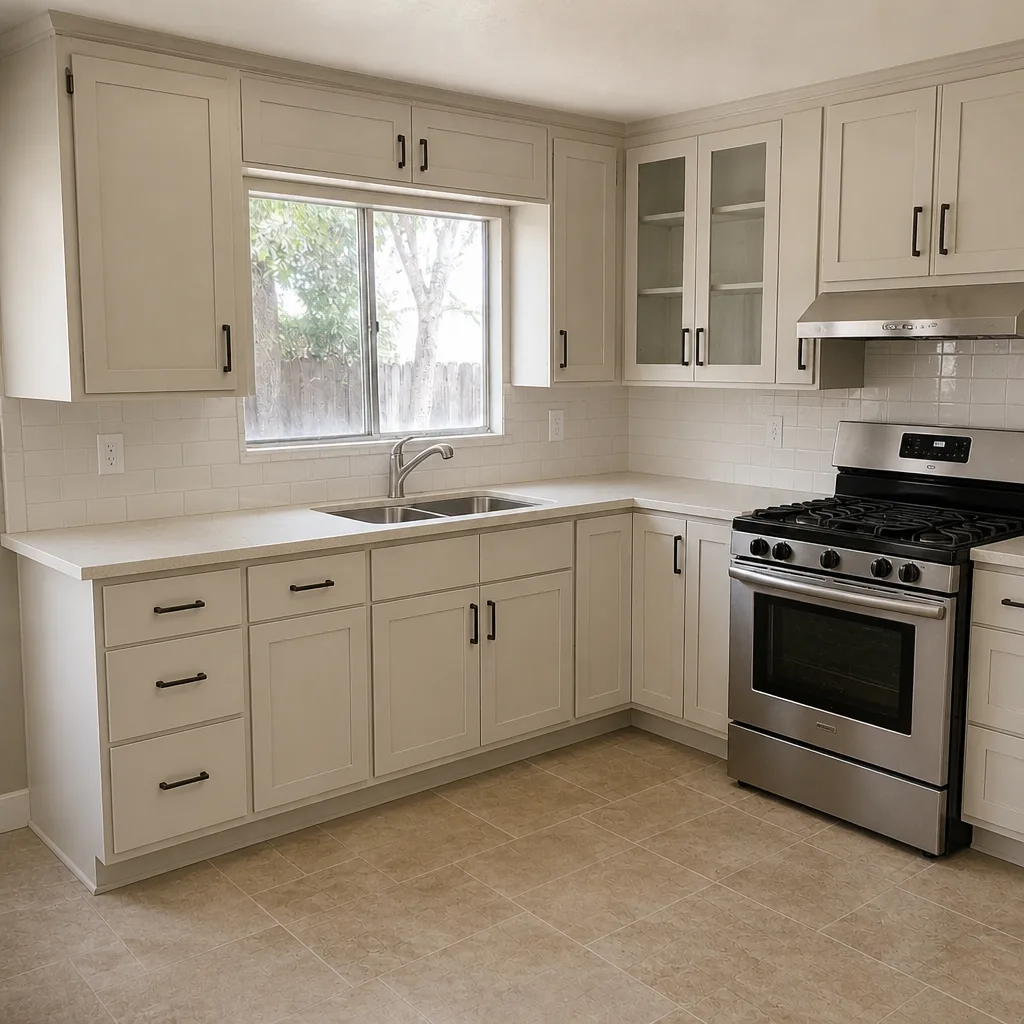 After
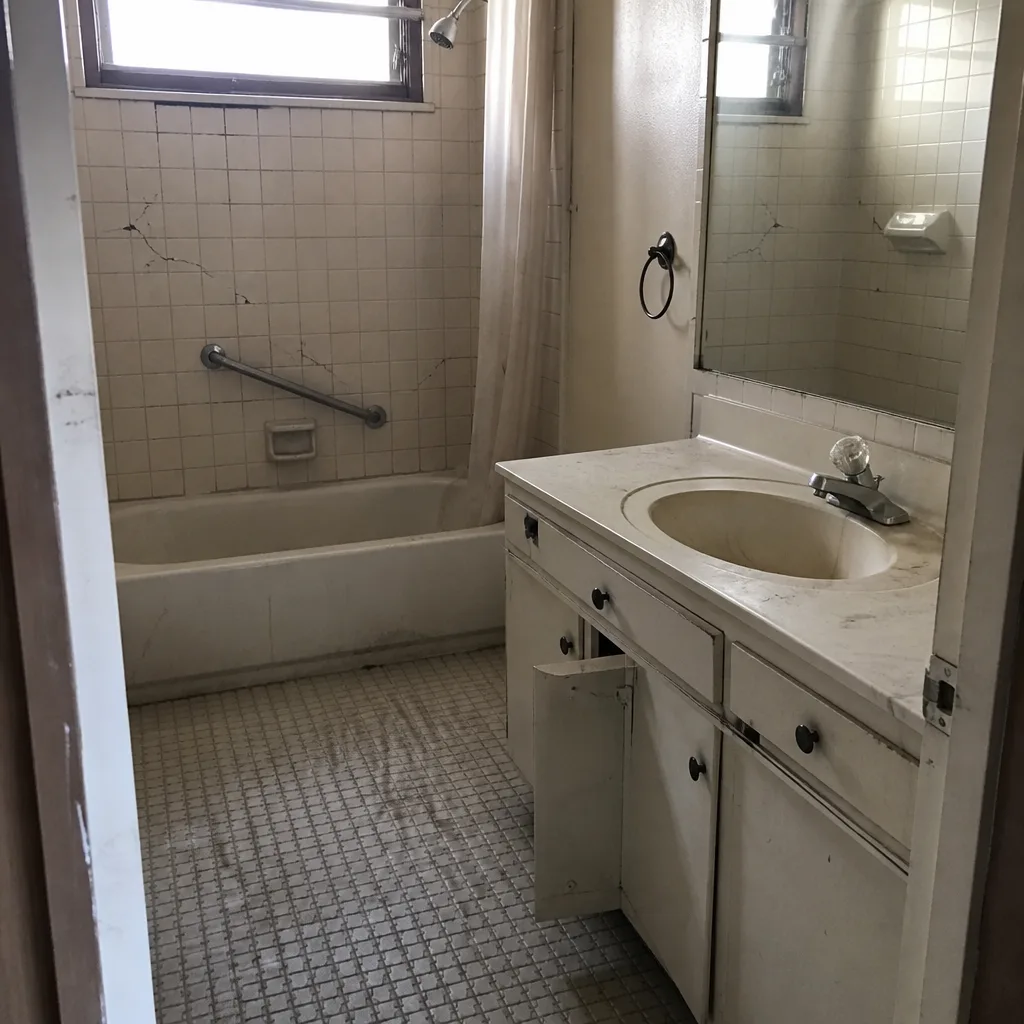 Before
 After
When to Call a Professional
Some of this schedule is homeowner work: filters, caulk, walk-throughs, and record-keeping. Some of it genuinely shouldn’t be. Call a licensed electrician for anything that has you opening the sub-panel; a live panel is not a place for trial and error. Call a roofer or general contractor if you see lifting flashing, an active drip at the roof tie-in, or daylight showing through where it shouldn’t. Call us if the foundation joint has opened past a hairline or the interior drywall shows a new crack that’s growing between inspections. Barrett & Sons Construction San Jose offers free estimates in San Jose for the work that falls outside the homeowner list, and we’ll tell you plainly if what you’re seeing is normal settling or something worth fixing now. Call (844) 320-5918.
Frequently Asked Questions
Every fall before the wet season and once again in spring. That’s two inspections a year, and each one takes about 15 minutes from a ladder or the ground. San Jose’s dry-to-wet cycle makes the fall check the more important of the two, because you’re sealing the joint before the material moves.
Yes. A vacant unit hides electrical failures completely, so test GFCIs monthly whether the ADU is occupied or not. If something fails while it’s empty, you’ll catch it on the walk-through instead of discovering it the day a tenant turns on the heat.
Every 12 months. San Jose’s water is hard enough that skipping it costs you efficiency in year two and repairs in year four. Some homes on the harder end of the range do it every 9 months; ask whoever services the unit what the water in your neighborhood suggests.
California Civil Code 1941.1 requires the ADU to be livable at all times, which means working plumbing, heat, water heater, and smoke and carbon monoxide detectors that meet current requirements. Non-emergency repairs generally get a 30-day window from written notice, and health or safety items move faster. Document your between-tenants inspection in writing and keep it.
Usually yes. The tie-in flashing and the addition’s own roof section see the same weather as the main roof, but they have more joints and edges where water can enter. A thorough roof inspection once a year, plus a look after any major storm, is the right cadence for both.
You can paint it yourself if you’re comfortable on a ladder and know the prep work. The reason most people hire it out is the prep: scraping, priming bare wood, and masking the trim on a structure with more wall per square foot than the main house. An ADU repaint runs on a 7-to-10-year schedule with touch-ups every 3 to 5 years, so it’s worth doing right.
The Bottom Line
An addition and an ADU reward a small amount of attention on a regular schedule. Watch the roof tie-in, foundation joint, shared wall, and expansion gaps twice a year. Test the sub-panel breakers and GFCIs annually, descale the tankless every 12 months, clean the mini-split filters on the 30-to-90-day cycle, and inspect between tenants with a written record. San Jose’s wet-dry swing stresses the caulk joints and door thresholds faster than most climates, so put the fall caulk pass on the calendar and keep it there. None of this is hard. All of it is cheaper than the repair you’d otherwise be doing.
For the work that falls outside the homeowner list, or for a second opinion on a written estimate before you commit, give us a call. Barrett & Sons Construction San Jose offers free estimates in San Jose and the surrounding area – call (844) 320-5918. Whether it’s a roof tie-in you’re not sure about, a foundation joint that’s changed since last fall, or a bigger project like new fencing around the ADU from ActiveYards or another brand, we’ll look at it with you and tell you straight.
Related pages worth reading: Barrett & Sons Construction San Jose home, Fence Installation in San Jose, and Driveway & Pavers in San Jose.
Written by the team at Barrett & Sons Construction San Jose.