Last updated November 18, 2026
Free written scope consultation - allowances, timeline, and change-order rules on paper before a single trade is scheduled
DIY vs Professional Home Additions & ADU: What’s Safe to Do Yourself
Pulling an owner-builder permit on a house you rent out within five years creates a legal presumption in California that you built it as a contractor. That single rule trips up more do-it-yourselfers than any framing mistake ever will. It can void a homeowner’s insurance claim and slow a future sale to a crawl. The real question with additions and ADUs isn’t how handy you are. It’s which parts of the job the permit office, your lender, and California law will actually let you touch. This guide draws the line clearly, from demolition to the final inspection, with the San Jose reality built in.
Quick Answer
Demolition, painting, finish carpentry, and landscaping around a new structure are genuinely safe to do yourself. Anything that touches electrical, plumbing, gas, HVAC, or the structural frame of a permitted addition or ADU should go to a licensed professional. In California, holding the owner-builder permit doesn’t let you legally install your own electrical or plumbing on a rental property, and doing it yourself can cost far more later than hiring it out now.
Styles & brands we work with
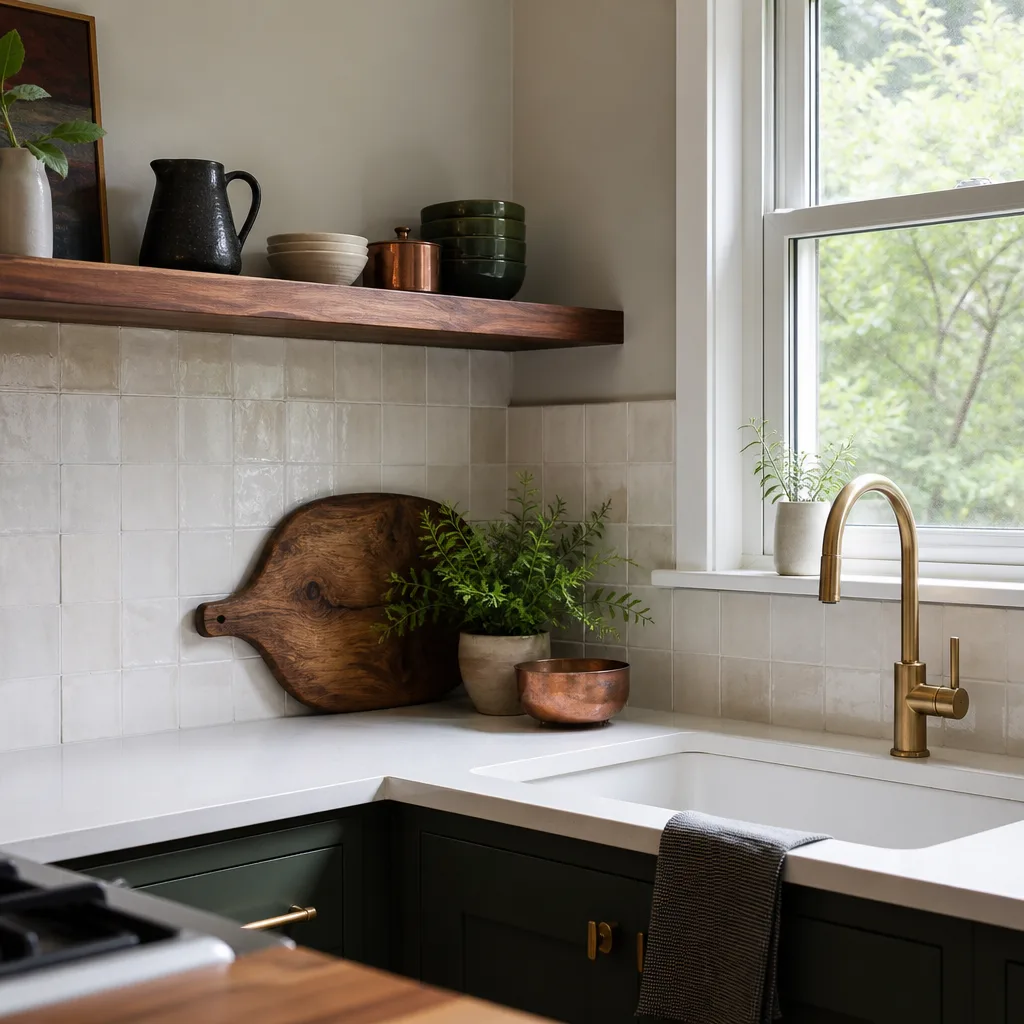
- Kitchen remodeling
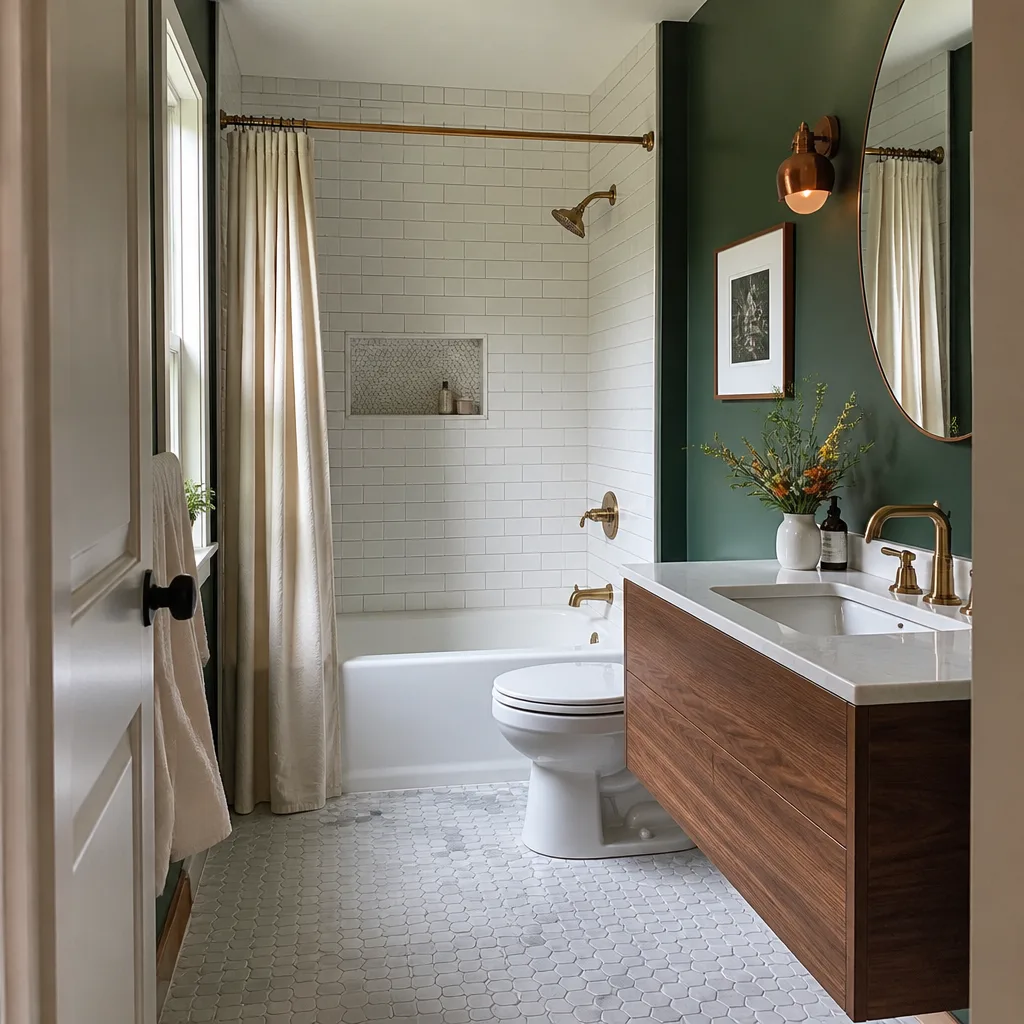
- Bathroom remodeling
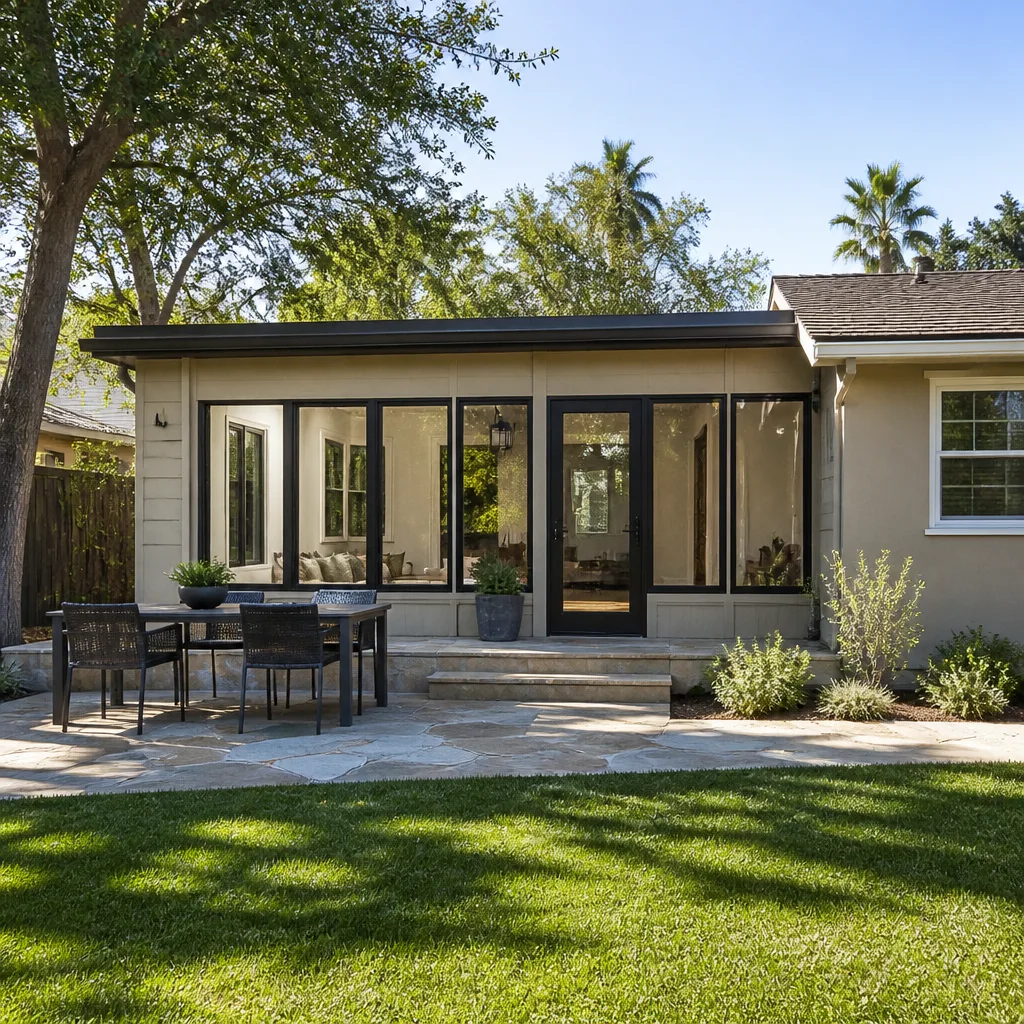
- Home additions & ADU
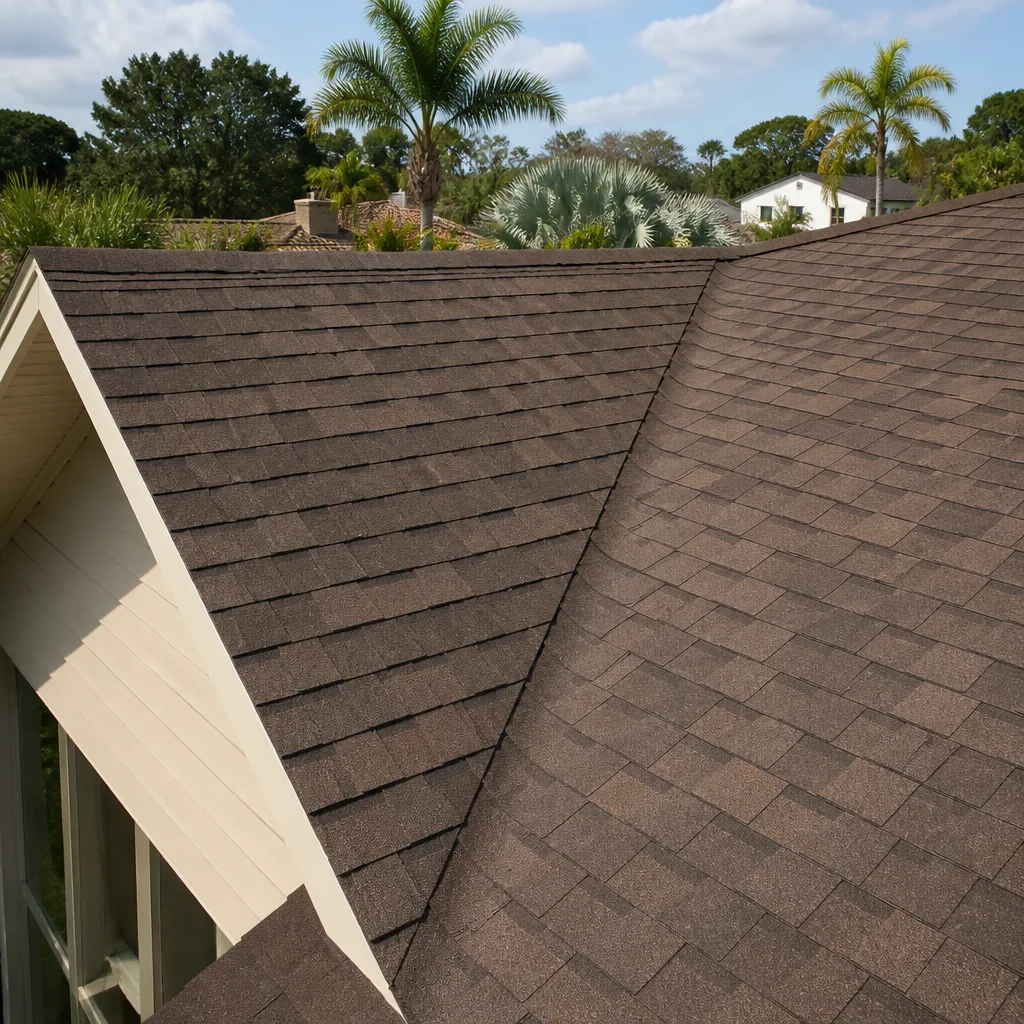
- Roofing
- Windows & doors
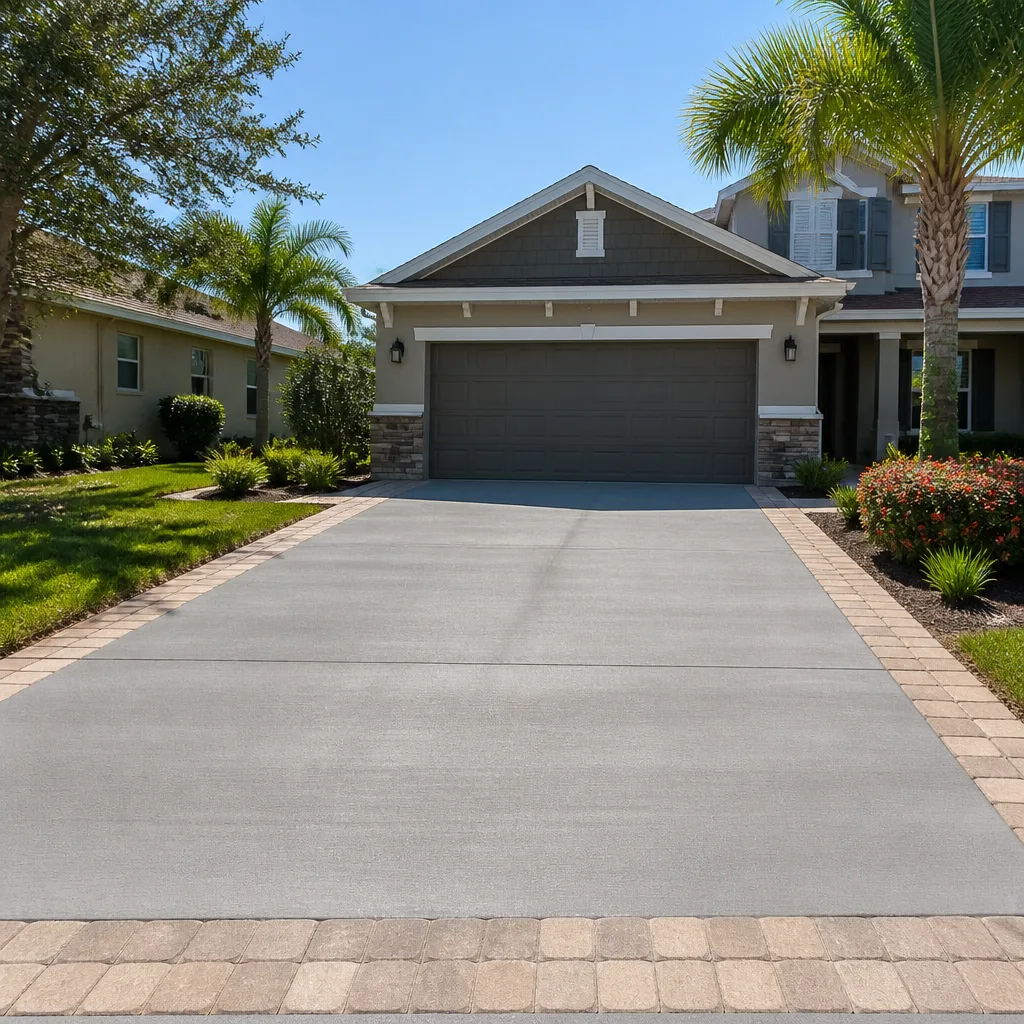
- Driveway & pavers
- Fence
Table of Contents
- What “owner-builder” actually means in California
- The five-year resale rule most DIY guides skip
- The genuinely DIY-safe tasks on an addition
- Which trades need a C-licensed contractor, permit or not
- The insurance gap during construction
- The honest cost comparison: DIY versus professional
- Why inspections fail and what corrections cost
- San Jose specifics: climate, code, and neighborhood realities
What “owner-builder” actually means in California
An owner-builder permit lets you act as the general contractor on your own property. You pull the permit, you hire the subs, you schedule the inspections, and your name is on the line. That’s the whole of it. It does not make you a licensed contractor, and it does not let you perform work that California reserves for C-licensed trades.
We’ve watched homeowners in San Jose assume the owner-builder permit is a blanket permission slip. It isn’t. Here’s what the arrangement really involves:
- You sign a disclosure stating you understand you’re responsible for worker safety, permits, and code compliance.
- You must show the property is your principal residence, not a rental you’re improving for income.
- You must disclose whether the structure will be sold or rented within five years.
- You take on the liability that a licensed general contractor would normally carry, including workers’ compensation exposure if you hire help.
The disclosure isn’t paperwork theater. It’s the document a future buyer’s lender or a claims adjuster will pull when something goes wrong. If your addition or ADU is meant to earn rent in San Jose, where ADU rental demand is strong, the owner-builder route starts working against you almost immediately. For the full permitting picture on additions and ADUs, see our Home Additions & ADU in San Jose page.
The five-year resale rule most DIY guides skip
California law presumes that an owner-builder who sells or rents a structure within five years of completion built it for a business purpose, meaning as a contractor. That presumption matters because it changes how your insurance treats a loss and how a buyer’s lender treats the property.
What that looks like in practice:
- Insurance: If you rent the ADU within five years of the final inspection and later file a claim, the insurer may argue the structure was commercial and outside your homeowner’s policy.
- Resale: A buyer’s appraiser and underwriter will ask who built the addition. If the answer is “the owner, unlicensed,” expect a retrofitting certification requirement or a loan denial before closing.
- Documentation: An owner-built structure without a licensed contractor’s name and license number on the permits is harder to verify. That usually means extra money at sale time to prove the work was done correctly.
We’ve seen this play out in San Jose’s Willow Glen and Cambrian neighborhoods, where additions often get converted into rental or multigenerational units shortly after completion. The five-year clock starts at final inspection. If you plan to rent sooner than that, the owner-builder path is the wrong one.
The genuinely DIY-safe tasks on an addition
Plenty of an addition can be done by a careful homeowner. The safe zone is anything that doesn’t involve structural load, gas, electrical, plumbing, or weatherproofing. These phases exist on the safe side of the line because they’re reversible, low-risk, and not inspected.
Here’s what stays safely in your hands:
- Demolition: Removing old patios, sheds, fencing, flooring, and interior finishes. Not walls that might be load-bearing.
- Painting and prep: Drywall sanding, priming, interior and exterior paint, trim work. Cosmetic and low-risk.
- Finish carpentry: Baseboard, crown molding, shelving, closet build-outs, cabinet pulls.
- Landscaping around the new structure: Lawn, mulch, plant borders, and simple hardscape away from the foundation.
- Flooring installation: LVP, tile over a completed subfloor, or carpet. Not subfloor framing.
- Minor cleanup and staging: Hauling debris, cleaning up, and moving furniture back in after final inspection.
For a homeowner adding a patio or paver walkway alongside an addition, that work often blurs into a separate project. We cover that in Driveway & Pavers in San Jose. Fencing around a new ADU follows the same logic, and there’s more on that in Fence Installation in San Jose.
Which trades need a C-licensed contractor, permit or not
This is where most owner-builder plans fall apart. In California, electrical, plumbing, and HVAC work on a permitted structure must be done by a C-licensed contractor, even when you hold the owner-builder permit. The permit is in your name. The trades are not.
The three trades that always require a licensed contractor:
- Electrical (C-10): Panel upgrades, new circuits, outlet and lighting runs, EV chargers.
- Plumbing (C-36): Water and drain lines, gas piping, water heater installation, sewer connections.
- HVAC (C-20): Ductwork, mini-split installation, furnace and heat pump hookups.
An unlicensed friend-of-a-friend doing your electrical can trigger this sequence: failed inspection, correction order, re-inspection fee, and a chain of fixes that ends up costing more than doing it right the first time. Beyond that, any fire or flood traced to unlicensed work can be denied by your insurer. That’s not a risk most homeowners want sitting under their ADU.
We’ve seen this exact problem in San Jose’s North San Jose and Berryessa neighborhoods, where homeowners tack on electrical self-installs to speed up an ADU. It rarely ends well.
The insurance gap during construction
Your standard homeowner’s policy covers the house as it stands, not as it’s being rebuilt. During active construction on an addition or ADU, most policies won’t cover a mid-construction loss the way you’d expect. If a fire destroys unfinished framing or a storm damages lumber staged in the driveway, you might be surprised by the claim decision.
Three gaps we see repeatedly:
- Mid-construction damage: Standard policies often exclude or limit coverage of an addition that isn’t occupied or completed. You typically need a builder’s risk endorsement or a separate policy for the build.
- Unlicensed work: If the electrical or plumbing was installed by an unpermitted or unlicensed party and later causes a fire or water loss, expect the claim to be challenged or denied.
- Rental conversion: Renting the ADU triggers a shift toward landlord coverage that the original homeowner policy doesn’t include.
This is exactly why we pull permits and schedule inspections on every eligible job at Barrett & Sons. The paperwork trail is your protection, not ours. When an inspector signs off, the record shows a licensed professional did the work, which keeps your policy clean.
The honest cost comparison: DIY versus professional
DIY looks cheaper on the front end. It rarely is on the back end. Here’s the real comparison, not just labor versus free labor:
- Contractor labor: The straightforward number on the bid.
- Your time valued at your own wage: A weekend crew of two framing walls at 40 hours each over a month is a real cost, even if no invoice changes hands.
- Failed inspection corrections: Rework, re-inspection fees, and schedule delays when a DIY phase doesn’t pass.
- Permit re-inspection fees: Each failed inspection typically adds a fee and a scheduling delay in San Jose.
- Material waste: Oversized orders, damaged stock, and returns on specialty items.
- Retrofitting certification at sale: A future buyer’s lender may require a costly catch-up review if the owner-built history isn’t clean.
We’ve seen homeowner-built ADU projects in San Jose that topped out well over $35,000 beyond a professional bid by the time corrections, re-inspections, and a sale-time certification were added in. That comparison almost never shows up in DIY guides, and it should.
Why inspections fail and what corrections cost
Inspections fail for predictable reasons. Knowing the pattern is the fastest way to plan around it:
- Framing without a signed structural plan: Inspectors check against the approved drawing. If the plan wasn’t stamped and submitted, expect a fail.
- Electrical rough-in with unlicensed work: Panel work, circuit runs, and grounding done without a C-10 contractor are visible at inspection.
- Setback violations: San Jose lots are tight. A late change to the ADU footprint can push you over a setback line.
- Improper waterproofing: Showers and exterior walls need specific membranes and flashing. Rushed installs fail here often.
- Missing fire separation: An attached ADU or garage conversion needs the right wall assembly for fire rating.
Each fail typically means a re-inspection fee, a schedule slip of several days or more, and rework. On a project with three trades lined up in sequence, one fail can push out the whole schedule by two weeks. That’s real money.
San Jose specifics: climate, code, and neighborhood realities
San Jose makes the DIY-versus-pro question sharper than a lot of the country, for a few local reasons:
- Climate: Long dry summers and cool wet winters mean waterproofing, flashing, and roof tie-ins matter more than in drier climates. A missed detail on an ADU roof tie-in can mean a leak in the first winter.
- Lot lines: Narrow lots in downtown San Jose, Japantown, and Rose Garden often push setback compliance to the edge. A two-foot footprint change can mean a redesign.
- ADU demand: Rental demand for ADUs in San Jose is strong, which raises the stakes on the five-year resale rule. An owner-built ADU rented out quickly is the exact scenario that triggers the presumption.
- Foundation work: San Jose sits on expansive clay in some areas, which means foundation design isn’t a place for guesses.
We’ve handled additions and ADUs across these pockets, including Campbell and Santa Clara, where the same pressure points show up. For more on what Barrett & Sons does across trades, see our Barrett & Sons Construction San Jose home page.
One honest note: some prefab ADU makers like Cover and Mighty Buildings deliver turnkey units that reduce site-built framing risk, but they still need site work, foundation, utility hookups, and inspections. The trades on the site side are still licensed work. A prefab shell doesn’t skip the C-10 or C-36 line.
Common Mistakes to Avoid
- Assuming owner-builder covers everything. It doesn’t. The permit is yours; the electrical and plumbing aren’t. In San Jose, that gap gets caught at inspection.
- Renting the ADU within five years. The resale presumption is triggered by the timeline, not your intent. Talk to an insurance agent before you list the unit.
- Skipping permits to save time. The last contractor most homeowners used told them permits were optional. That decision comes back at inspection or sale.
- Hiring an unlicensed friend for electrical or plumbing. It can void an insurance claim, and a fire traced to unlicensed work is a claim denial waiting to happen.
- Not buying a builder’s risk endorsement during construction. Standard homeowner coverage doesn’t handle an active build the way most people assume.
- Not getting corrections in writing. Verbal agreements to “fix it later” don’t survive a change of mind. Get corrections and change orders documented in writing.
- Choosing the cheapest bid without a scope. A short quote without line items is the one most likely to grow. The item that isn’t on paper is a surprise waiting for a date.
See the difference
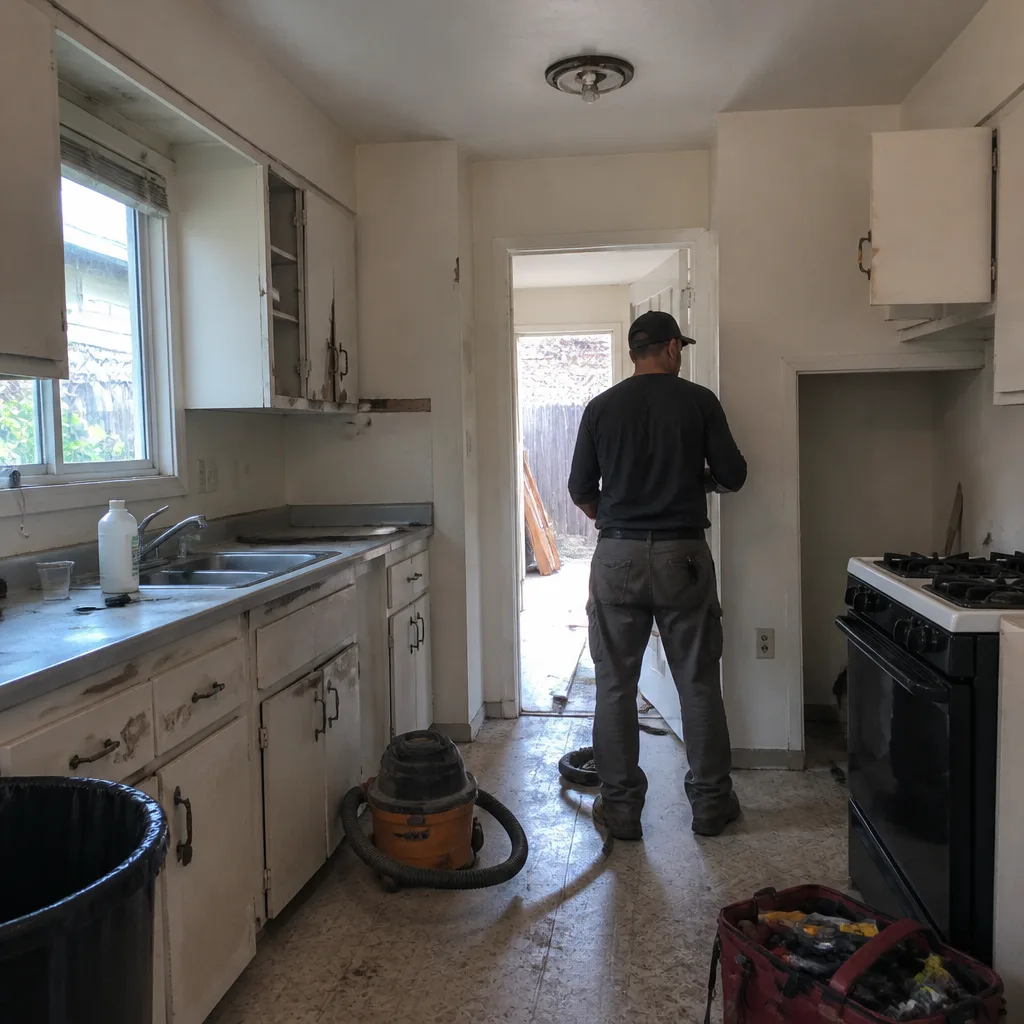 Before
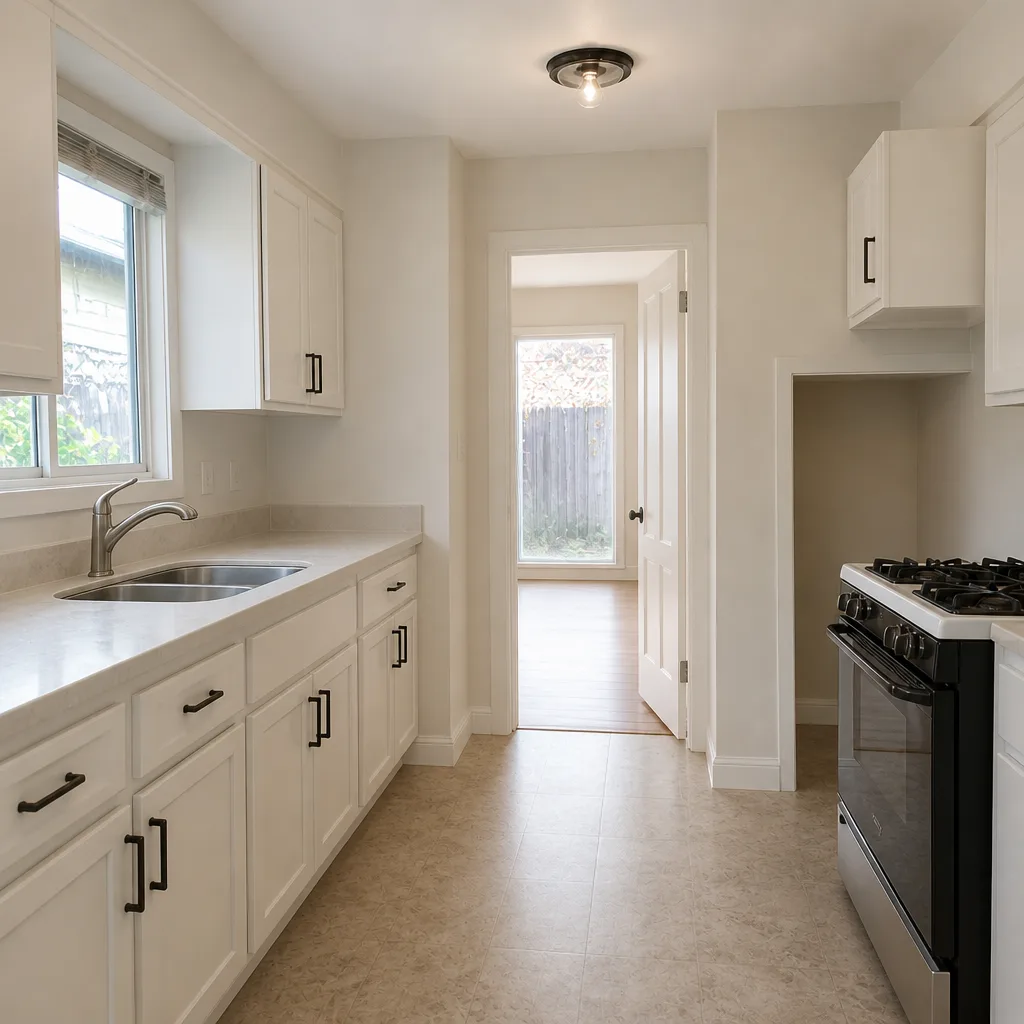 After
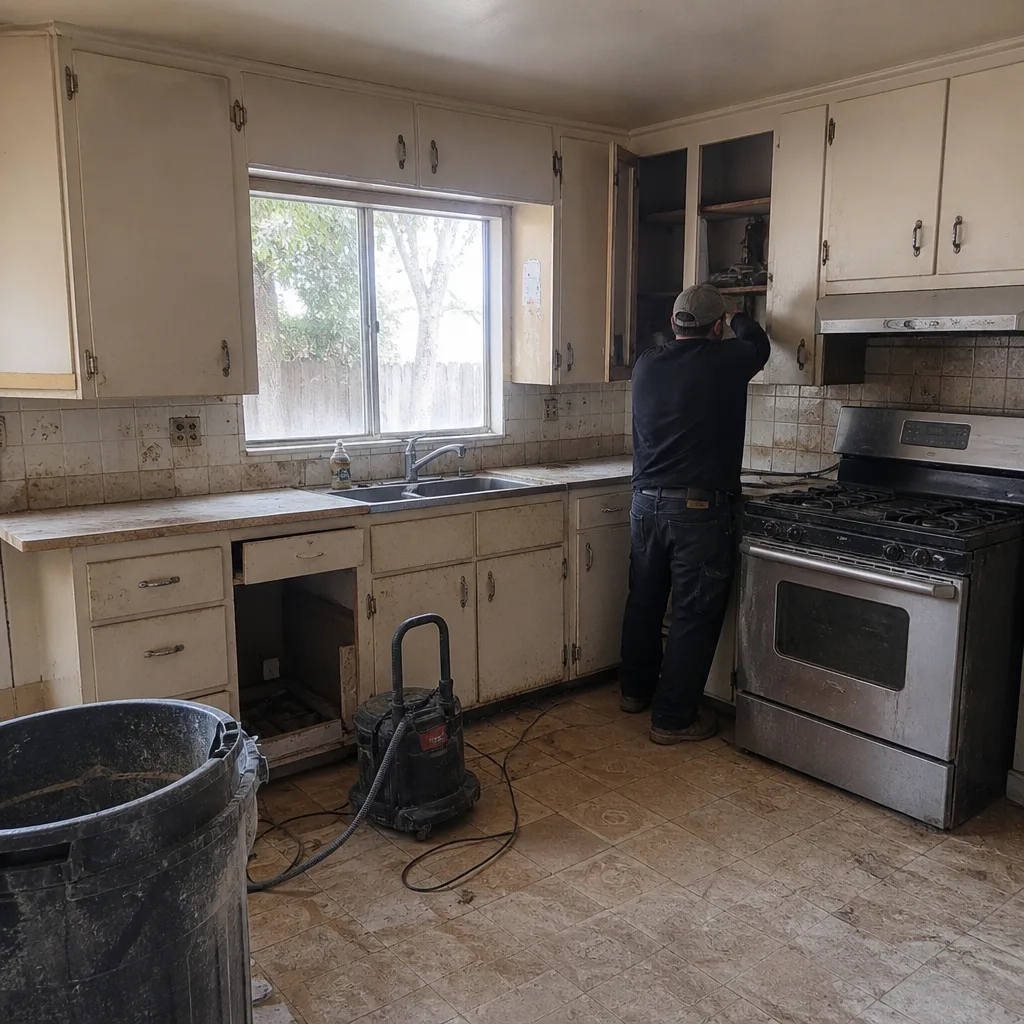 Before
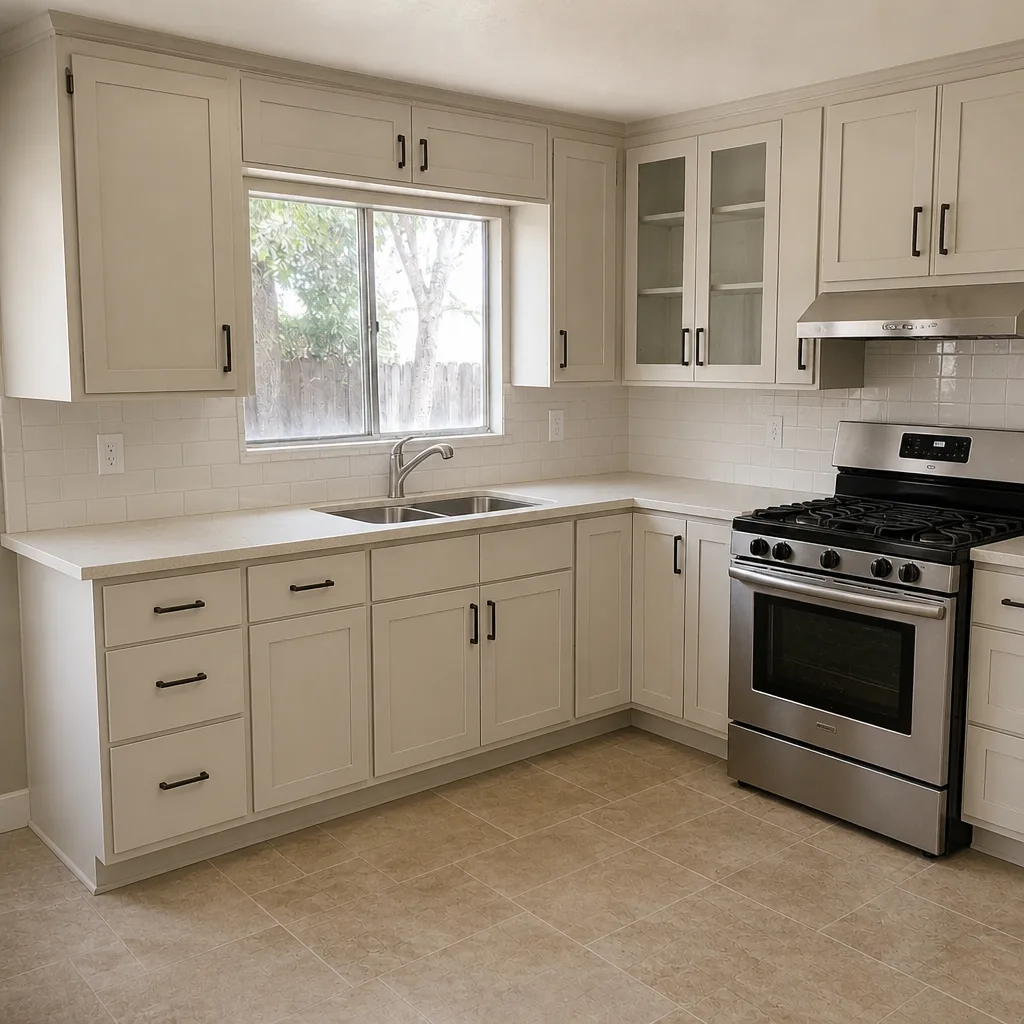 After
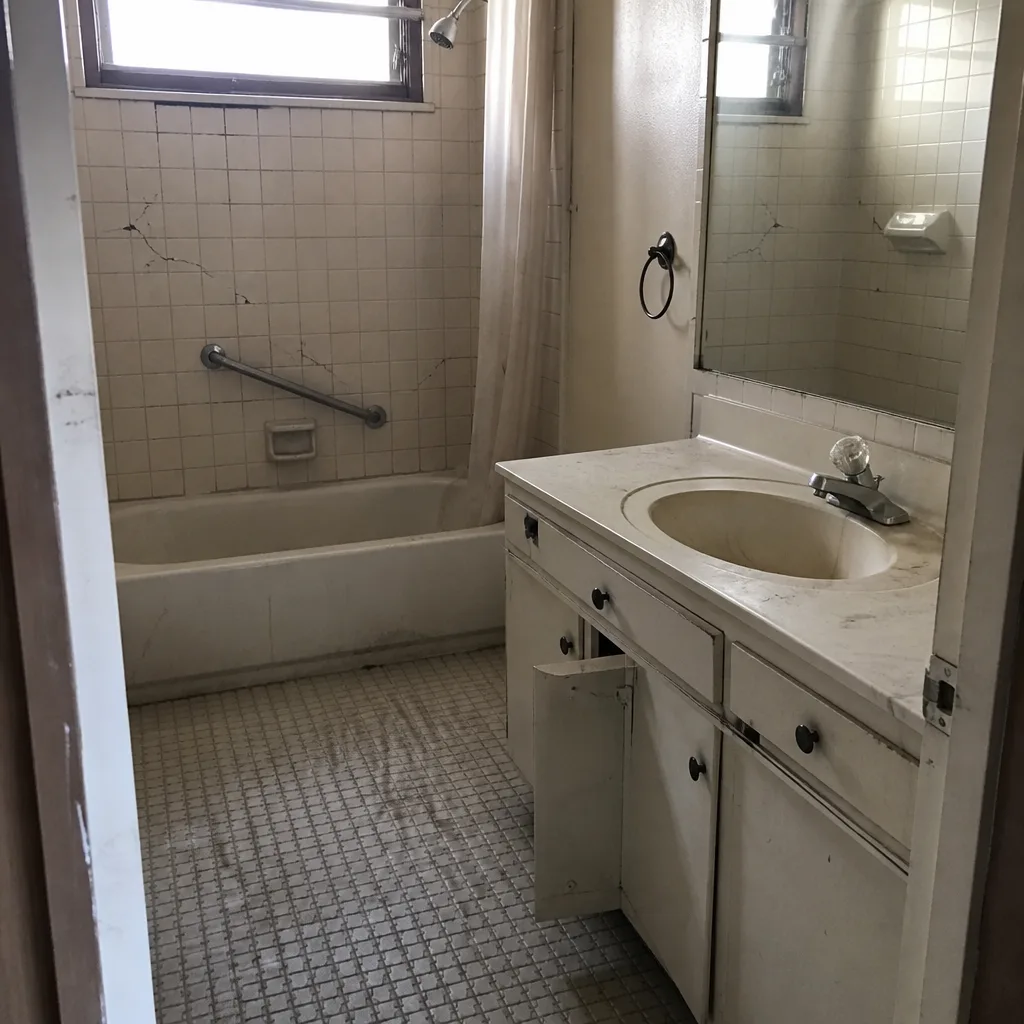 Before
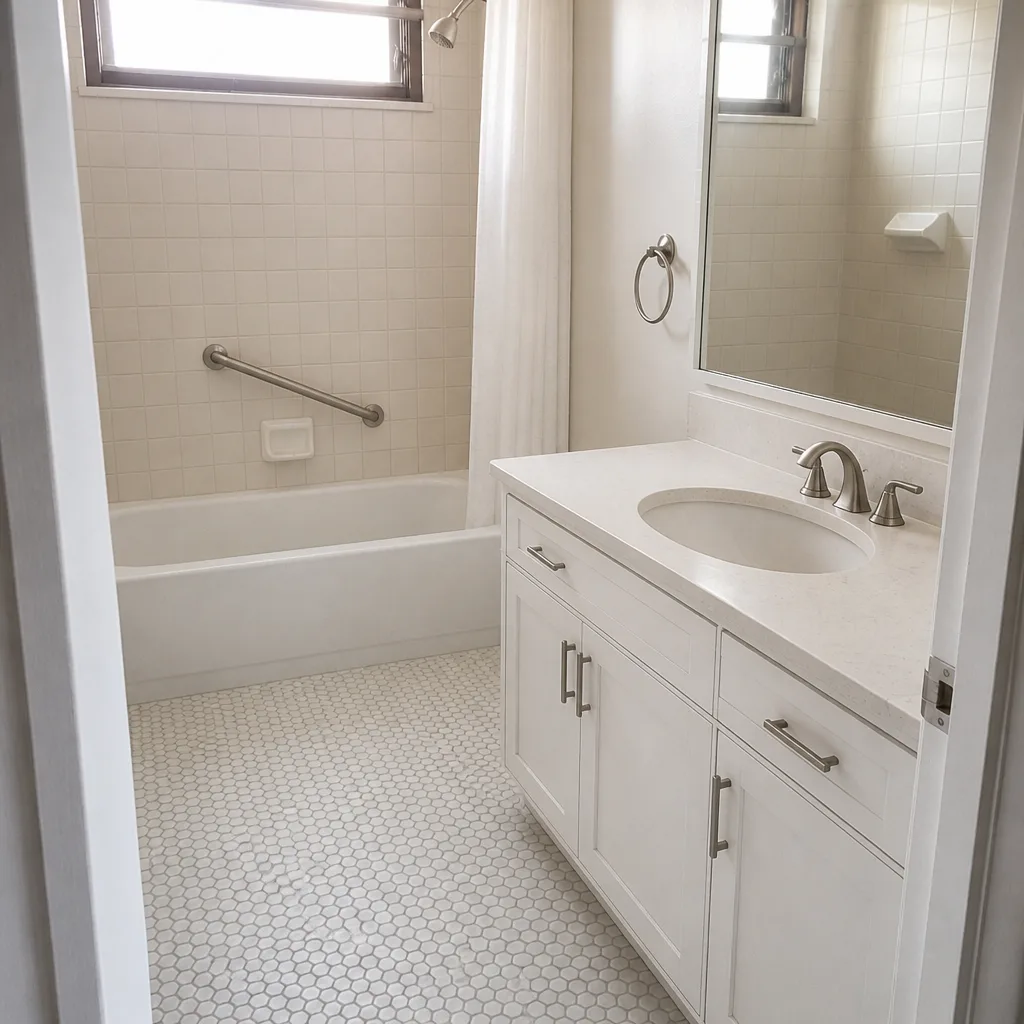 After
When to Call a Professional
Call in a professional when the job involves any of these: electrical, plumbing, gas, HVAC, structural framing, foundation work, or an ADU that will be rented within five years of completion. Also call when the addition touches a roof tie-in, since waterproofing on San Jose’s rainy winters isn’t a do-over opportunity. If your lender requires an inspector’s sign-off or your insurer wants documentation, a licensed contractor’s name and license number on the permits makes the whole file cleaner. Barrett & Sons Construction San Jose offers free estimates in San Jose. Call (844) 320-5918. Our technicians have up to 28 years of experience, and every eligible job includes permits pulled and inspections signed. Every price change arrives as a written change order before work moves, and the finished job is backed by our written 90-Day Done Right Promise.
Frequently Asked Questions
No. California requires a C-10 licensed electrical contractor for electrical work on a permitted structure, even when you hold the owner-builder permit. Unlicensed electrical work voids your insurance coverage on any related claim and fails inspection. Call (844) 320-5918 for an exact quote on the electrical scope; estimates are free.
California presumes an owner-builder who sells or rents the structure within five years built it as a contractor. That can void your homeowner’s policy on a rental conversion and complicate a future sale. If you plan to rent your San Jose ADU sooner, the owner-builder route is the wrong one.
Usually not fully. Standard homeowner’s policies often exclude or limit coverage on an active, unoccupied addition. Most homeowners need a builder’s risk endorsement or a separate policy during construction. Check with your agent before framing starts.
Demolition, painting, finish carpentry, flooring over a completed subfloor, and landscaping around the new structure. Those phases are reversible, low-risk, and don’t require licensed trades. Everything involving structural load, gas, electrical, plumbing, HVAC, or weatherproofing should go to a licensed professional.
It varies by project, but we’ve seen homeowner-built ADU projects in San Jose cost over $35,000 beyond a professional bid after corrections, re-inspections, and sale-time certifications were added in. The up-front savings often disappear once the total is tallied. Call (844) 320-5918 for a free written estimate; it’s the most honest number you’ll get before work starts.
You’ll get a re-inspection fee, a scheduling delay, and rework on the failed phase. On a project with three trades queued in sequence, one fail can push the whole schedule out by two weeks or more. That’s real cost and real time lost.
The Bottom Line
The DIY question for additions and ADUs is a legal one first and a skills question second. California’s owner-builder permit gives you the role of general contractor, not the license to touch electrical, plumbing, gas, or HVAC. The five-year resale rule can void your insurance and complicate a sale if you rent too soon. The safe DIY zones are demolition, painting, finish carpentry, and landscaping. The trades are licensed work for a reason. Know where the line is before you pick up a hammer. San Jose’s inspections and narrow lots make that line sharper than most places. Get the estimate first, then decide what you’re doing yourself.
If you’re planning an addition or ADU in San Jose and want a straight, itemized number before you commit, call Barrett & Sons Construction San Jose at (844) 320-5918 for a free estimate. We’ll walk the site, put the scope in writing, and answer every question you’ve got before a single nail moves. Ask about our Free Second Opinion on Any Written Estimate, our $40 Off Any Repair Over $200, No Trip Charge Inside the County, and our permanent Senior & Veteran 10% discount.
Written by the team at Barrett & Sons Construction San Jose.