Last updated November 18, 2026


Free written scope consultation - allowances, timeline, and change-order rules on paper before a single trade is scheduled
How Long Does Fence Installation Take? Timelines and What to Expect
Here’s what surprises most homeowners: the fence itself goes up fast. A 150-foot cedar fence takes a good crew one to two days to install. But the full project, start to finish, routinely runs three to six weeks in San Jose once permits, 811 utility marking holds, and concrete cure time are on the calendar. Most timeline guides count only the day the crew shows up, which is why so many people end up frustrated and behind schedule. The real clock starts the moment you decide you want a fence. This guide breaks the project into five phases so you can see exactly where the days go.
Quick Answer
Fence installation in San Jose usually takes one to three days of actual on-site labor for a typical residential lot, but the entire project runs about three to six weeks from first call to final walkthrough. That gap comes from permit review (two to four weeks for fences over six feet), 811 utility marking holds, material lead times, and concrete cure before you can hang panels. Plan for the full calendar, not just the install days.
Styles & brands we work with
- Kitchen remodeling
- Bathroom remodeling
- Home additions & ADU
- Roofing
- Windows & doors
- Driveway & pavers
- Fence
Table of Contents
- The Five Phases of a Fence Project
- Permits: The Hidden Weeks Most Guides Skip
- Soil, Post Depth, and the Cure Window
- Weather Windows and the Rainy Season Trap
- Material Lead Times: Wood vs. Vinyl vs. Chain-Link
- What Actually Happens on Install Day
- How to Build a Realistic Schedule
The Five Phases of a Fence Project
If you want to know where your calendar goes, break the job into five phases. Each one has its own clock, and none of them overlap the way you’d hope.
- Design and quote (2 to 7 days). You decide on material, height, style, and gate placement. A written quote with a line-item scope takes a few days to put together properly. If you’re comparing bids, add a week.
- Permit application (0 to 4 weeks). A fence six feet or under usually needs no permit in San Jose. Anything taller, or a fence on a corner lot with sight-line rules, triggers a review that can take two to four weeks.
- 811 utility marking (2 to 3 business days minimum). Before anyone digs a post hole, underground utilities get marked. In older San Jose neighborhoods with unrecorded lines, this can stretch longer.
- Material lead time (2 days to 3 weeks). Standard cedar boards are quick. Custom vinyl colors, ornamental metal, and certain composite panels may be special order.
- Install and cure (2 to 4 days on site, plus 24 to 48 hours of concrete cure). Posts get set in concrete, then panels go up after the concrete sets.
Add those up and you see why a job that “only takes two days” actually runs weeks. Once you understand the phases, you can plan around your life instead of being caught off guard. For a fuller picture of what we build in San Jose, see our Fence Installation in San Jose page.
Permits: The Hidden Weeks Most Guides Skip
Santa Clara County and the City of San Jose set a fence height limit that matters: fences over six feet generally require a building permit. That single requirement is the number one source of timeline surprises we see. A homeowner calls expecting a two-week turnaround, then learns the permit alone takes two to four weeks.
Here’s how the permit phase typically plays out:
- Fences at or under six feet: often no permit, but check your specific zoning and any HOA rules. Corner lots have separate sight-distance rules.
- Fences over six feet: permit required. Expect two to four weeks for plan review and issuance.
- Front-yard and corner-lot fences: may face additional setback and visibility rules that add review time.
- Retaining walls combined with fencing: a wall over a certain height triggers its own structural review, which runs on a separate clock.
The contractors who tell you permits are optional are creating a future problem you’ll inherit. An unpermitted fence can complicate a home sale and sometimes has to come down. The permit inspector works for you, not for us. That’s why every eligible job we take on includes permits pulled and inspections signed. If you want to see how that discipline carries across other projects, look at our Driveway & Pavers in San Jose work too.
Soil, Post Depth, and the Cure Window
Soil type affects your timeline as much as anything on this list, and San Jose’s lots make it a real factor. Much of the valley floor sits on clay-heavy soil that holds water and expands when wet. That changes two things: how deep posts go and how long you wait before hanging panels.
In clay soil, post holes need to go deeper and wider than in sandy ground so the concrete has a stable base and proper drainage. A post that’s too shallow in clay will heave and lean after a wet winter. We’ve seen fences along older San Jose neighborhoods develop a distinct lean within a couple of seasons because someone skimped the hole depth to save a day.
Then comes the cure window. Concrete needs to set before panels are hung and weight is loaded onto the posts. A good crew waits 24 to 48 hours, sometimes longer depending on mix and weather. That’s not dawdling. It’s the difference between a fence that’s plumb in year ten and one that’s leaning by year two.
- Clay-heavy lots: deeper holes, extra concrete, and a firm cure window.
- Sandy or gravelly ground: faster drainage but potentially wider hole shoulders for stability.
- Sloped lots (common in the hills): stepped panels, more posts, more time.
This is one place where experience earns its keep. Our technicians have up to 28 years of experience, and the ones who’ve set posts in San Jose clay know exactly how to spec the hole for our ground.
Weather Windows and the Rainy Season Trap
Timing your install around the seasons saves you weeks of grief. San Jose has a dry season roughly from May through October and a wet season from November through April. Scheduling an install right before the rains can trap posts in saturated ground. Once a clay lot soaks through, it stays wet for days, and concrete poured into standing water won’t cure properly.
What a good contractor does instead of pushing ahead:
- Checks the extended forecast before committing to a pour day.
- Avoids setting posts when the ground is saturated or a storm is due within 48 hours.
- Pumps or waits out standing water in post holes rather than backfilling wet.
- Builds cure and weather contingency into the schedule so a single storm doesn’t derail the whole job.
If your fence can’t wait and the rains are coming, a temporary solution like bracing or a partial panel set can hold the line until the ground dries. The point is that a thoughtful crew plans around weather instead of letting the calendar force a bad pour. In our experience, the fall rush to beat the rains is where rushed fence jobs go wrong, so build in a buffer.
Material Lead Times: Wood vs. Vinyl vs. Chain-Link
Material availability alone can shift your schedule by days or a few weeks. Here’s a realistic comparison for San Jose:
- Wood (cedar, redwood, pressure-treated): usually the fastest. Standard boards and posts are commonly stocked locally, so lead time is often a few days. Custom milling or premium grades add a week.
- Vinyl: standard panels come quickly, but specific colors, styles, and heights may be special order. Expect anywhere from a few days to two or three weeks depending on the design.
- Chain-link: fast to source at standard heights. Galvanized and coated options are both quick. Additional height or custom gates add a bit.
- Ornamental metal and aluminum: the longest lead times, often two to three weeks or more if custom sizes are involved.
- Composite: varies widely by brand. Some ship fast, some are built to order.
When we quote a fence, we name the material brand so you can look it up yourself rather than trusting a mystery product off a van. Knowing the lead time up front lets you set a realistic install date instead of waiting on a backordered panel. If your fence ties into a larger project, our Home Additions & ADU in San Jose team coordinates the same way.
What Actually Happens on Install Day
Understanding install day keeps the timing expectations honest. It’s a fast, physical, well-orchestrated sequence, and the pace depends on how much prep happened before the crew arrived.
- Site layout and string lines. The crew marks the fence line and posts so everything lines up with your property line.
- Post hole digging. Holes go to spec depth. In clay soil this is slower and the crew works carefully around the 811 marks.
- Set posts in concrete. Posts go in, get checked for plumb, and the concrete goes in.
- Cure wait. Depending on the schedule, panels go up the next day or within 24 to 48 hours.
- Hang panels and build gates. Rails, boards or panels, and gates go on. Gates get the most attention because they take the most use.
- Cleanup and walkthrough. The crew cleans the site and walks the fence with you so you can check every post and gate before they leave.
A 150-foot fence is often one to two days of install labor across those steps, occasionally three on sloped or complicated lots. If a contractor claims to install a large fence in a single afternoon with no cure wait, ask how they’re handling the concrete. That answer tells you a lot.
How to Build a Realistic Schedule
Let’s put it together into a plan you can actually work with. This is the schedule we’d suggest for a typical San Jose fence project starting today:
- Week 1: Get one to two written quotes. Decide material, height, and gate placement. Ask about permit needs and lead times up front.
- Week 2 to 4: Permit application and review if your fence is over six feet. Simultaneously call 811 for utility marking and place your material order.
- Week 4 to 5: Utility marks down, materials delivered. Pick a pour day that clears the forecast.
- Week 5 to 6: Install: dig, set posts, cure, hang panels, build gates. Walkthrough and cleanup.
That’s the three-to-six-week span. A low fence with no permit and stocked material can land closer to two weeks. A tall, ornamental, corner-lot fence with a combined retaining wall can run six to eight. Every price change on our jobs arrives as a written change order before work starts, so the budget tracks the timeline with no surprises at the end. If you’re assembling several exterior projects, our Barrett & Sons Construction San Jose home page maps out how we coordinate them.
Common Mistakes to Avoid
- Assuming the install days are the whole project. Counting only the on-site days leaves out permit review, 811 marking, and cure time, and you’ll be disappointed when four weeks pass. Budget the full calendar from the start.
- Skipping the permit for a tall fence. In San Jose, a fence over six feet without a permit can complicate a future home sale or force removal. It’s rarely worth the savings.
- Scheduling the pour right before rain. Clay-heavy San Jose lots hold water, and concrete set in saturated ground won’t cure right. Check the forecast and build in weather buffer.
- Not calling 811. Digging before utility marks are down risks hitting a gas or water line. It’s also the fastest way to turn a two-day job into a multi-week repair project.
- Hanging panels before concrete cures. Loading posts too soon leads to leaning and shifting within a season. The cure window is not optional.
- Choosing an understocked custom material at the last minute. A special-order vinyl color or custom metal design can add two to three weeks. Decide materials before you set a date.
- Taking a phone quote as final. A price quoted before anyone sees the lot, soil, or slope is a guess. Get a written, line-item scope so the number you plan around is the number you pay.
See the difference
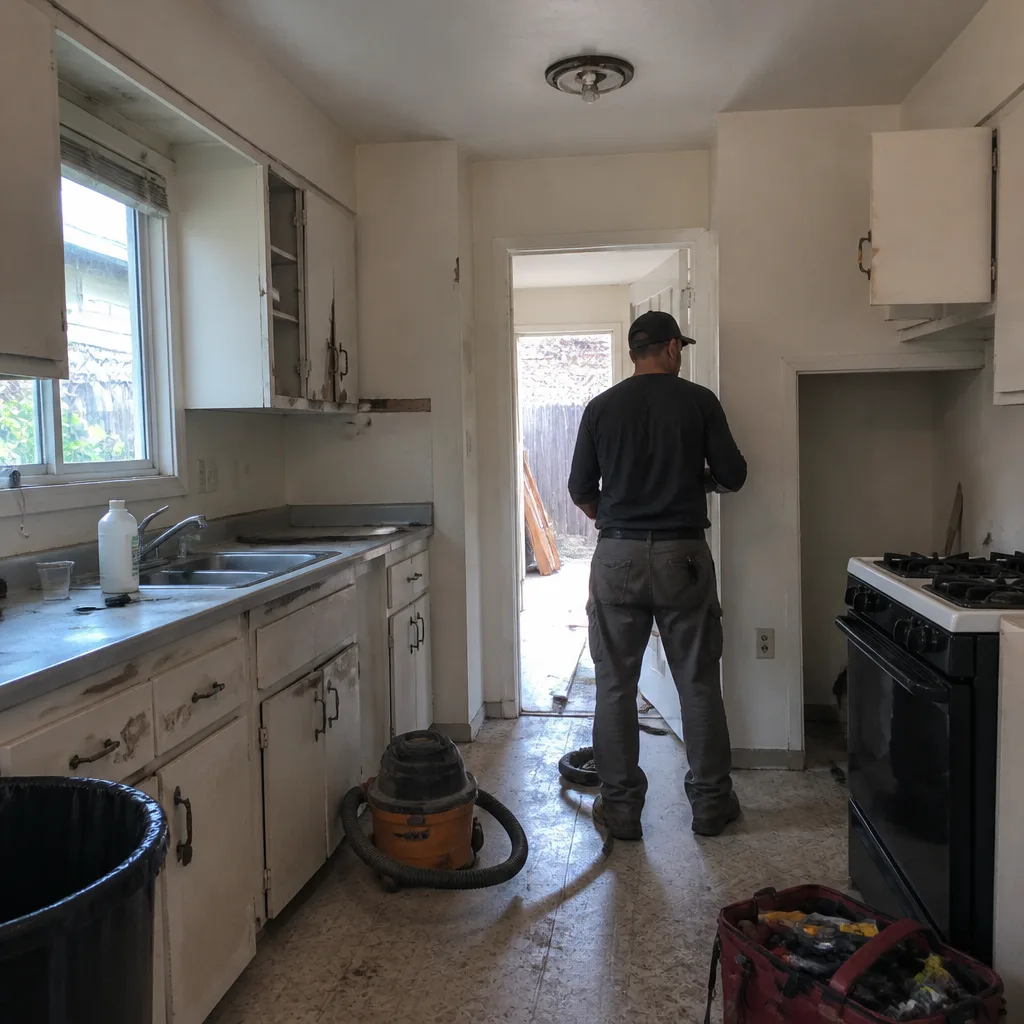 Before
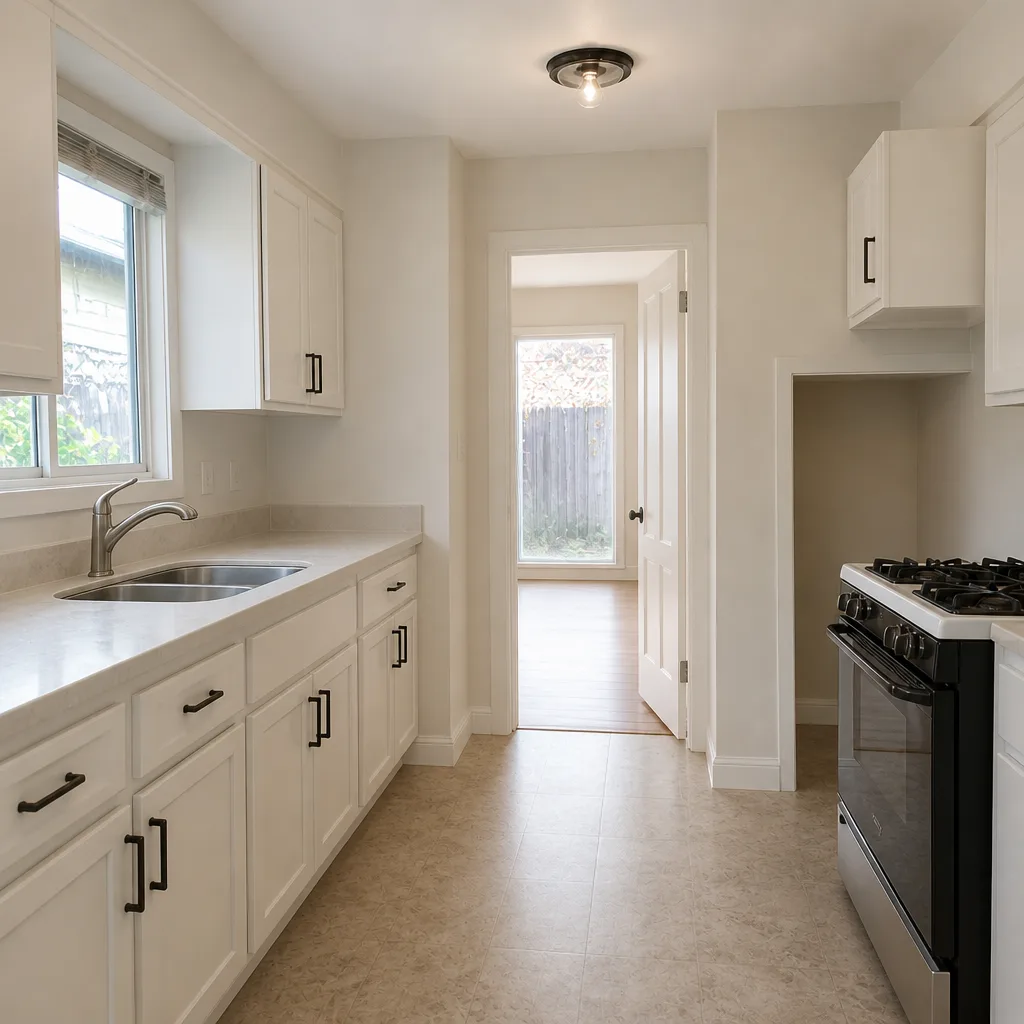 After
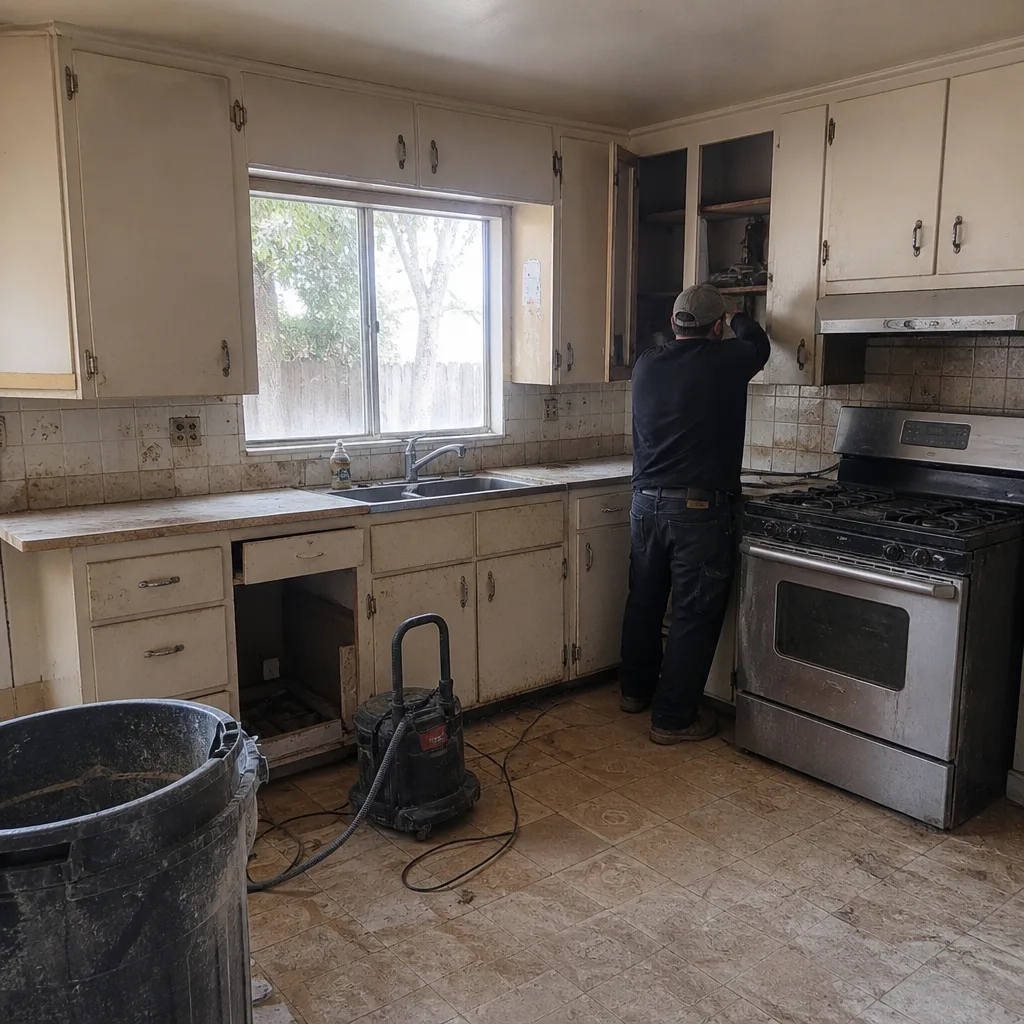 Before
 After
 Before
 After
When to Call a Professional
Some fence projects genuinely need a pro, and it’s worth knowing which ones. If your fence is over six feet, if you’re on a sloped lot, if there’s a retaining wall involved, or if underground utilities run through the line, bring in an experienced crew. Post-hole depth and concrete specs in San Jose clay are easy to get wrong, and a leaning fence a year later is an expensive lesson. The same goes for gates, which take more engineering than most people expect, and for any lot where nobody can tell you where the property line actually sits. Barrett & Sons Construction San Jose offers free estimates in San Jose. Call (844) 320-5918 to schedule yours. Every eligible job includes permits pulled and inspections signed, and every completed job is backed by our written 90-Day Done Right Promise.
Frequently Asked Questions
Installation itself usually takes one to three days on site for a typical residential lot, but the full project runs three to six weeks from first call to final walkthrough. The gap is permit review, 811 utility marking, material lead time, and concrete cure. Call (844) 320-5918 for a quote tailored to your lot.
A fence six feet or under usually doesn’t require a permit, but anything over six feet generally does, and permit review can take two to four weeks. Corner lots and front-yard fences may have additional setback and sight-line rules. We pull permits and pass inspections on every eligible job so you’re covered. Call (844) 320-5918 if you’re unsure about your fence height.
Concrete needs 24 to 48 hours to set before panels and gates load the posts. Skip that window and the posts can lean or shift, especially in San Jose’s clay-heavy soil. The cure wait is what keeps a fence plumb years later. Ask any contractor how they handle curing before you sign.
Standard wood (cedar, redwood, pressure-treated) and basic chain-link are typically fastest because they’re commonly stocked locally, often in a few days. Custom vinyl colors, ornamental metal, and composite can add two to three weeks depending on the design. Deciding material up front is the best way to keep your schedule tight.
You can, but it’s riskier. San Jose’s wet season runs roughly November through April, and setting posts in saturated clay means concrete won’t cure properly. A good crew watches the forecast and avoids pouring when a storm is due within 48 hours. If timing is tight, build in a weather buffer rather than forcing a bad pour.
It shouldn’t, and with us it won’t happen without your signed approval. Every scope, allowance, and price change arrives as a written change order before work proceeds, so the number you plan around is the number you pay. An allowance that isn’t on paper is a surprise waiting for a date. Call (844) 320-5918 for a written, line-item estimate.
The Bottom Line
The fence goes up in a day or two, but the project runs three to six weeks in San Jose once you account for permits, 811 utility marking, material lead times, and concrete cure. The single biggest timeline surprise is the Santa Clara County permit rule for fences over six feet, which alone can add two to four weeks. Clay-heavy lots demand deeper post holes and a proper cure window. Material choice moves days or weeks. Plan the full calendar, schedule around the rains, and get a written scope before you commit. Done right, the fence outlasts the wait.
Written by the team at Barrett & Sons Construction San Jose.