Last updated November 18, 2026
Free written scope consultation - allowances, timeline, and change-order rules on paper before a single trade is scheduled
The Complete Home Additions & ADU Guide for San Jose Homeowners
San Jose did something in the last few years that most California cities still haven’t matched: it waived the majority of ADU impact fees, and for a mid-size unit that waiver can put $20,000 to $50,000 back in your pocket. The catch is that the savings only land if your project is structured to qualify, and the rules that determine whether you qualify have shifted more in five years than in the two decades before them. We’ve watched homeowners walk into Development Services at 200 E. Santa Clara Street with plans that were perfectly fine under last year’s ordinance and walk out with a six-month stall. This guide is built around what actually happens at that counter, in San Jose’s zoning tiers, and in the real labor and material market here.
Quick Answer
In San Jose, a detached ADU up to 1,200 square feet and a JADU up to 500 square feet are allowed on most single-family lots, and a well-structured project can move through the streamlined ministerial approval path in roughly four to six months rather than a full year. Realistic all-in costs for a San Jose ADU run about $300 to $450 per square foot for the unit itself, plus site work and utility connections. The fees you avoid by qualifying under the current waiver matter as much as the build budget, so how you structure the project from day one decides whether it stays affordable.
Styles & brands we work with
- Kitchen remodeling
- Bathroom remodeling
- Home additions & ADU
- Roofing
- Windows & doors
- Driveway & pavers
- Fence
Table of Contents
- The Three ADU Types in San Jose
- The San Jose Permit Pathway, Step by Step
- What an ADU Actually Costs in San Jose
- Utility Connections: Separate Meter or Sub-Panel?
- The Owner-Builder Trap
- Home Additions That Aren’t ADUs
- Common Mistakes to Avoid
- Frequently Asked Questions
The Three ADU Types in San Jose
San Jose recognizes three distinct paths to adding a secondary unit, and each has its own size limits, setback rules, and occupancy requirements. Getting the type wrong at the start is the most expensive mistake we see, because the whole permit pathway downstream depends on it.
Attached ADU
An attached addition shares at least one wall with the primary house. In San Jose, attached ADUs are generally limited to 50% of the existing living area or 1,200 square feet, whichever is less, and they can’t exceed the height of the main structure. Setbacks follow the primary dwelling’s footprint, which is often the reason this route is the least disruptive for lots that are already tight in neighborhoods like Willow Glen or the Rose Garden.
Detached ADU
A detached unit is a standalone structure, capped at 1,200 square feet under current state and local rules. Four-foot side and rear setbacks generally apply, and you’ll need to confirm how much of the lot can be covered once the new structure, the house, and hardscape are all counted. This is also the type most likely to qualify for prefab options, which is where builders like Dvele and Mighty Buildings come into conversations. We’ve had good results with modular shells on flat lots in Evergreen, where the trade-off for panelized delivery is a tighter site plan up front.
JADU
A Junior ADU is a unit carved out of the existing house, capped at 500 square feet, with its own kitchenette and bathroom. The JADU is the cheapest path because you’re using the existing foundation, roof, and utility stubs. The trade-off is that it must be within the walls of the primary dwelling, so it only works if your floor plan has room to give up.
Owner-occupancy requirements have moved. Through the recent window, many San Jose ADUs can be rented without the owner living on site, but that’s one of the specifics that changes with each state and local update. Don’t assume the rule from a two-year-old article still applies.
The San Jose Permit Pathway, Step by Step
Two approval paths exist, and knowing which one your project fits is what separates a predictable timeline from an open-ended one. Streamlined ministerial review is available for projects that meet a fixed checklist of standards; anything that needs a variance, a hillside review, or a property with specific overlays goes to full discretionary review, which adds months. Most well-planned ADUs in San Jose qualify for the streamlined path. Here’s the sequence:
- Pre-application check. Pull your parcel’s zoning and General Plan designation before you spend a dollar on drawings. A lot zoned R-1 typically allows an ADU, but a corner lot, a historic district, or a hillside parcel may not qualify for the streamline.
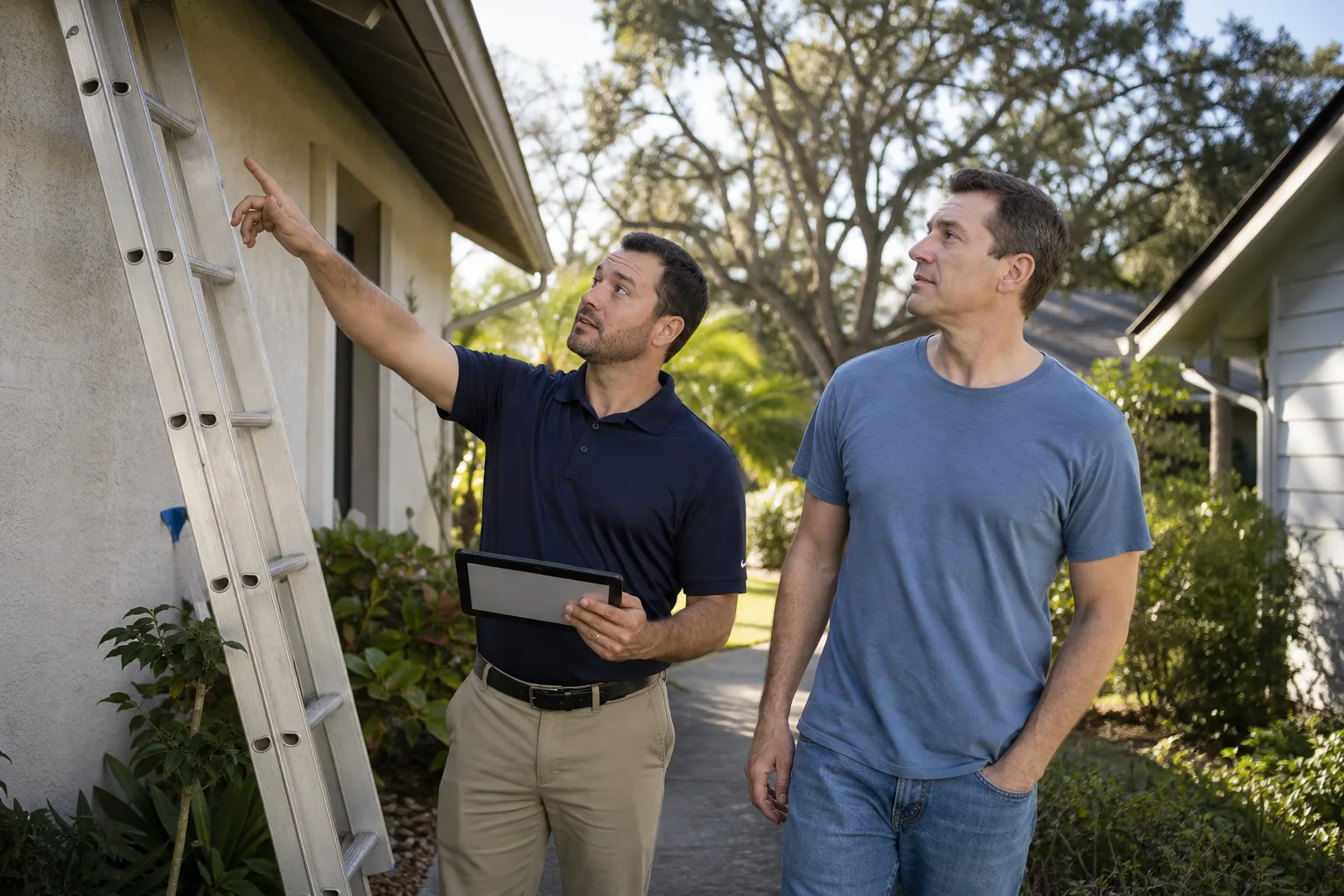
- Site survey. Confirm the location of the main house, easements, utility lines, and existing setbacks. Discrepancies between the county records and what’s actually on the ground are the number one cause of plan-check comments in this city.
- Design to the streamline checklist. Height, setbacks, lot coverage, and parking must all fall within the published standards. If everything fits, you’re on the fast track; if even one item needs relief, you’re not.
- Structural and Title 24 plans. A licensed engineer or architect produces the drawings. California energy code (Title 24) compliance is part of the submittal, and it’s the piece most homeowners underestimate.
- Submittal at Development Services. Plans go in at 200 E. Santa Clara Street. Expect plan-check comments back in a matter of weeks on the streamlined path.
- Building permits and inspections. Once plans are approved, permits issue, and inspection milestones follow throughout construction. The inspector works for you, not for the contractor, so treat every sign-off as a checkpoint you own.
Every permit we pull is part of the written job scope, and the inspection record stays with the property. That paper trail helps at resale. A quick note: the general overview of how we handle additions lives on our Home Additions & ADU in San Jose page, but for the zoning detail, the counter at Development Services is the source of truth.
What an ADU Actually Costs in San Jose
National cost averages are useless here. Santa Clara County labor runs higher than most of the country, and the permit and utility line items are specific to this city. The numbers below reflect what we see on real San Jose jobs. They’re ranges, because lot conditions vary, but they’re grounded in local mobilization and material costs, not a national calculator.
- Foundation and site work: $40 – $70 per square foot. South Bay soils and grading can push this toward the high end on sloped lots.
- Framing and shell: $60 – $90 per square foot, depending on panelized versus stick-built.
- MEP (mechanical, electrical, plumbing): $50 – $80 per square foot. A separate utility connection can add to this.
- Interior finishes: $80 – $140 per square foot. This is where a baseline rental unit and a high-end unit diverge.
- Permits and design fees: $15,000 – $35,000 all in, before any waiver credit.
Stack those up and a 700-square-foot detached ADU in San Jose lands roughly in the $250,000 to $350,000 range all-in. A JADU conversion is far cheaper, often $80,000 to $150,000, because the shell, foundation, and roof already exist. The magic number to verify first is how the fee waiver applies to your specific unit size and lot, because that swings the bottom line by tens of thousands.
A Word on Prefab
Prefab builders like Boxabl and Mighty Buildings market aggressively in California. They’re worth a look, but the base unit price never tells the whole story. Site work, utility connection, permits, and finish upgrades are separate line items. Get the full delivered-and-installed number in writing before comparing it to a stick-built quote.
What Your Broader Property Work Costs
If the ADU project expands to driveway, hardscape, or fencing, the numbers shift again. Our Driveway & Pavers in San Jose page lays out what a new drive or paver apron runs locally, and a new Fence Installation in San Jose job is often pulled into the same site plan to define the property line before the ADU goes in.
Utility Connections: Separate Meter or Sub-Panel?
This is the decision that quietly shapes your rental income for the next twenty years, and it’s usually buried in a sentence in most guides. A separate meter means the tenant gets their own utility bill. A sub-panel means the unit draws from the main service, and you either build the cost into rent or carry it yourself.
- Separate meter pros: Clean tenant billing, easier to rent, simpler to sell the property as a two-meter setup, cleaner long-term accounting.
- Separate meter cons: Higher up-front cost, coordination with PG&E and San Jose Water Company, and more trenching and conduit.
- Sub-panel pros: Lower initial outlay, simpler install, no new service account.
- Sub-panel cons: You’re absorbing the utility cost in the rent, and a tenant who leaves the lights on hits your bill.
San Jose Water Company connection fees are another line item that planners miss. Those fees are separate from the city’s impact fees, and they can run into the thousands depending on meter size and whether a fire line is required. Budget for both the city fee and the water company fee, and confirm what portion of each falls under the current waiver before you sign a contractor’s contract.
The Owner-Builder Trap
Pulling your own permit as an owner-builder is legal, and for a homeowner who genuinely plans to do the work and understands the code, it’s a legitimate path. The trap is pulling the permit as the owner-builder while a contractor does the work. Once that happens, several things can go wrong:
- Insurance exposure: Your homeowner’s policy may not cover construction defects on a job where you are the named permit holder instead of the licensed contractor. If a subcontractor is injured, the liability path gets murky.
- Warranty voids: Some material warranties require installation by a licensed contractor, and the manufacturer can deny a claim if the paperwork shows the owner as the permit holder.
- Title and resale: When you sell, the buyer’s lender and title company look at the permit record. An owner-builder permit on a unit a contractor actually built can complicate the transfer and slow a sale.
- Inspection pushback: Inspectors can and do question an owner-builder permit on a job clearly executed by a crew. That can stall the final sign-off you need to rent the unit.
The fix is simple: make sure the permit is pulled in the name of the licensed contractor who actually performs the work. We pull permits on every eligible job and hand you the signed inspection record at the end. Look up the license number yourself before you sign anything. That’s the whole point of a verifiable name behind a business.
Home Additions That Aren’t ADUs
Not every expansion is an ADU. A bedroom addition, a primary suite bump-out, or a family room extension follows the same permit pathway as an ADU minus the ADU-specific rules, but the cost profile is different because it connects to existing structure.
A 400-square-foot primary suite addition in San Jose typically runs $180,000 to $280,000 depending on finishes and how much of the existing wall has to be opened up for the connection. The engineering is where the number moves, not the finishes. The tie-in to the existing foundation and roofline is the part that requires a real structural design. If you’re planning a kitchen or bath as part of the same build, the local materials market for cabinets and stone runs from KraftMaid and Cambria at the value end into custom cabinetry at the top. Get written allowances for every finish line before you commit, because an allowance that isn’t on paper is a surprise waiting for a date.
Common Mistakes to Avoid
- Designing before checking zoning. We’ve seen beautiful plans for a lot that can’t support the setback. Check parcel zoning and overlays first, then design.
- Assuming the fee waiver applies automatically. It only applies if your project is structured to qualify. Confirm with Development Services before assuming the discount.
- Forgetting the water company fee. San Jose Water Company connection fees are separate from city impact fees. Budget both.
- Pulling the permit as owner-builder while a crew does the work. This can complicate insurance, warranties, and title. Keep the permit with the licensed contractor who does the work.
- Skipping the site survey. Old county records and current ground reality often disagree. Survey early, before design.
- Ignoring Title 24. Energy code compliance is part of the submittal. Leave it out and the plan check kicks back.
- Underestimating the utility trench. The cost to bring power, water, and sewer to a detached unit is often the budget line that goes sideways. Price it before you break ground.
See the difference
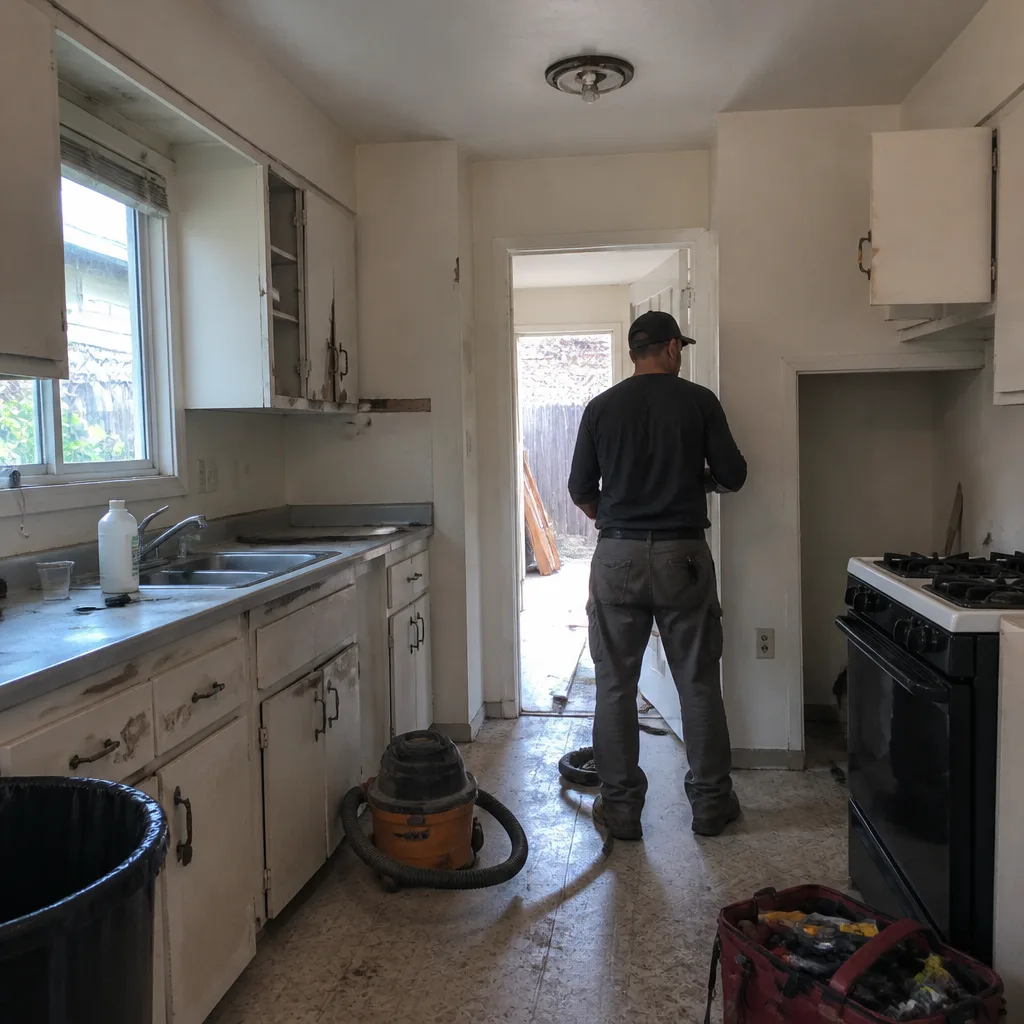 Before
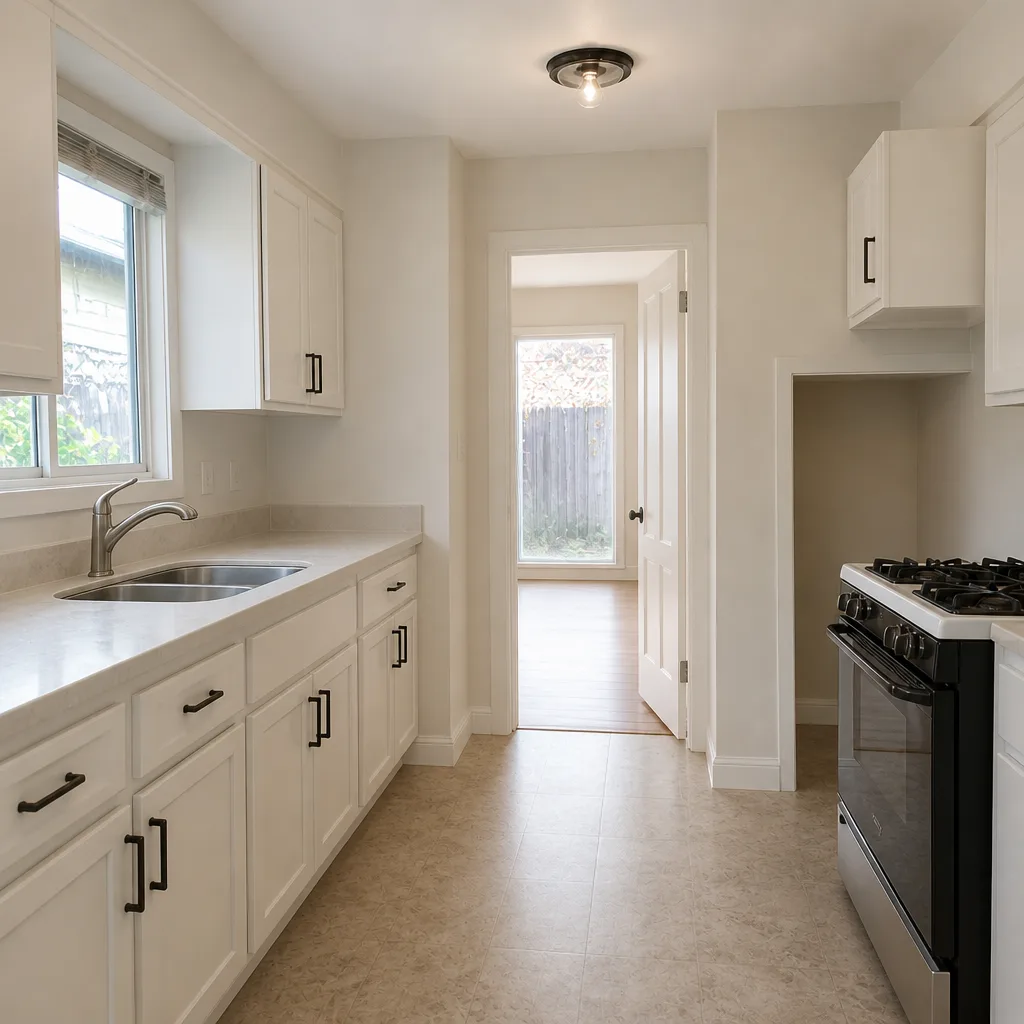 After
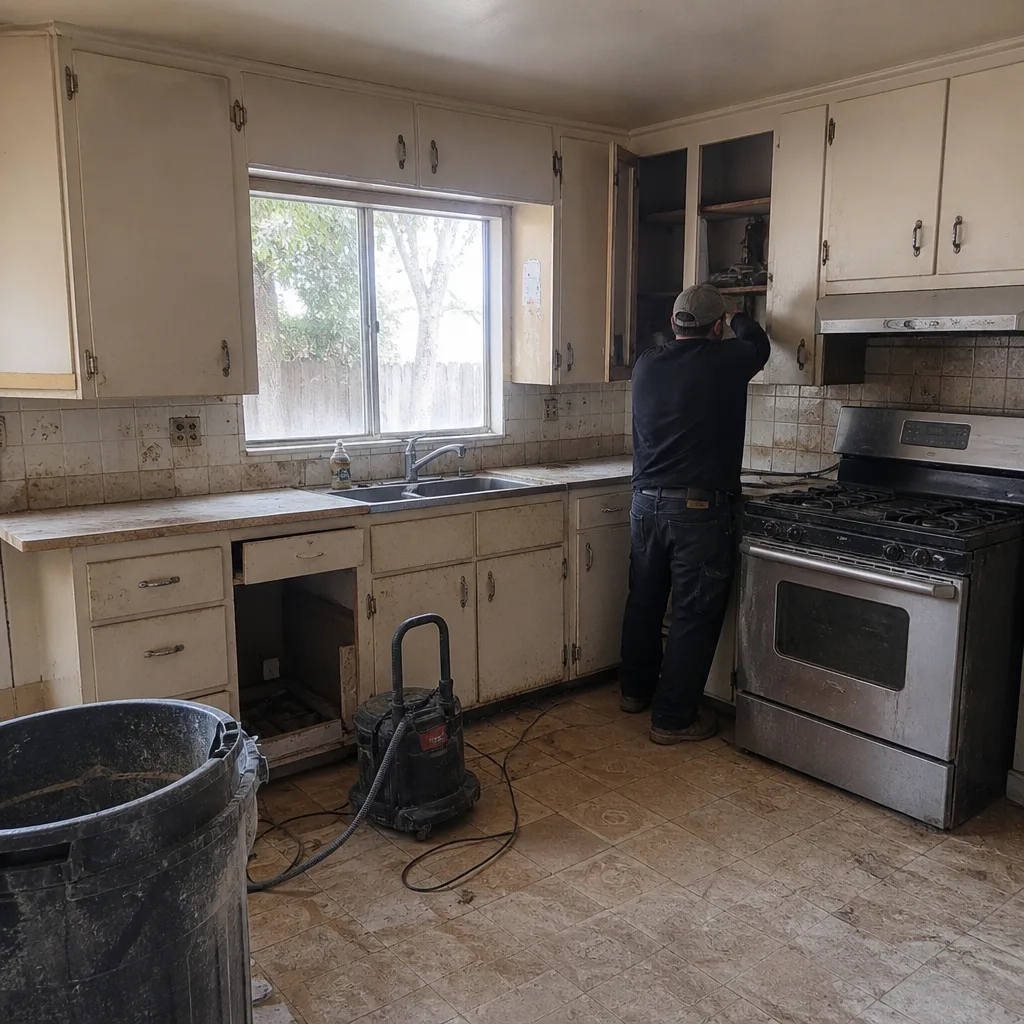 Before
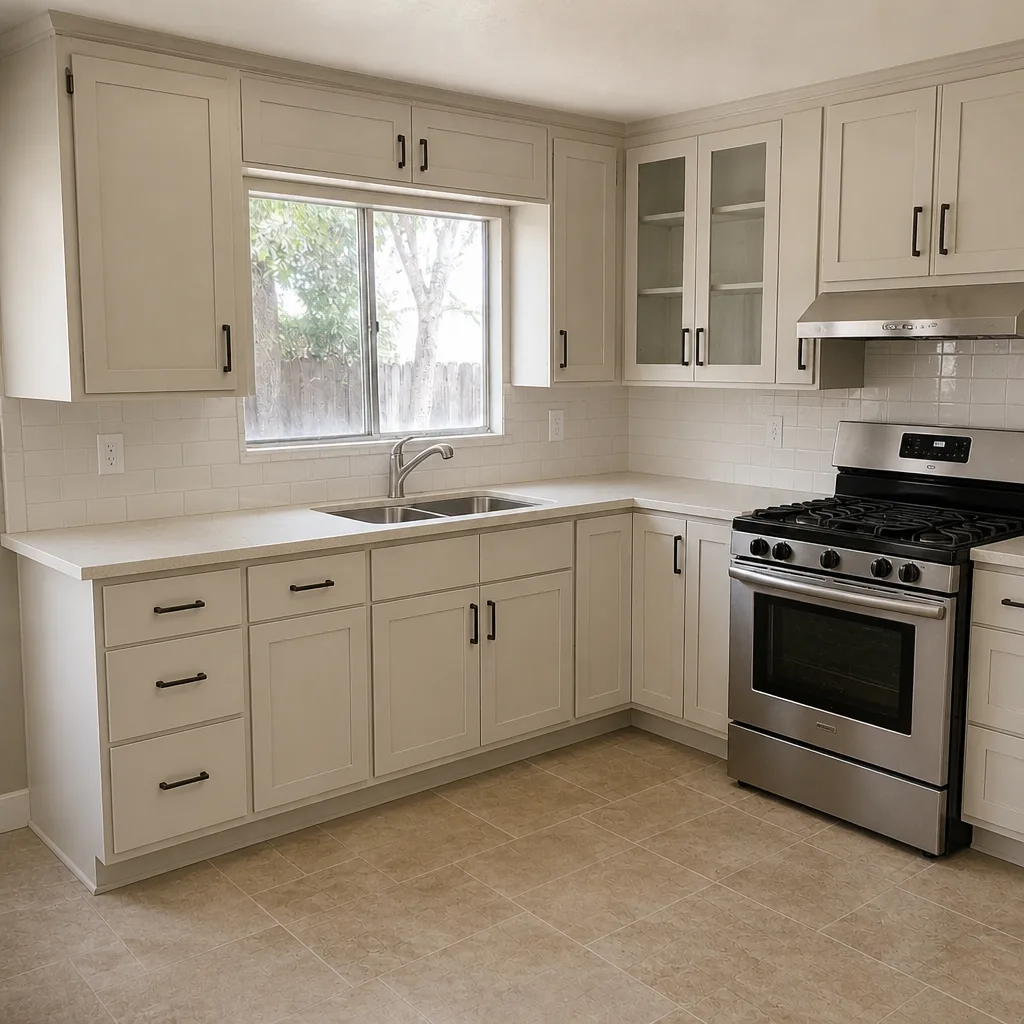 After
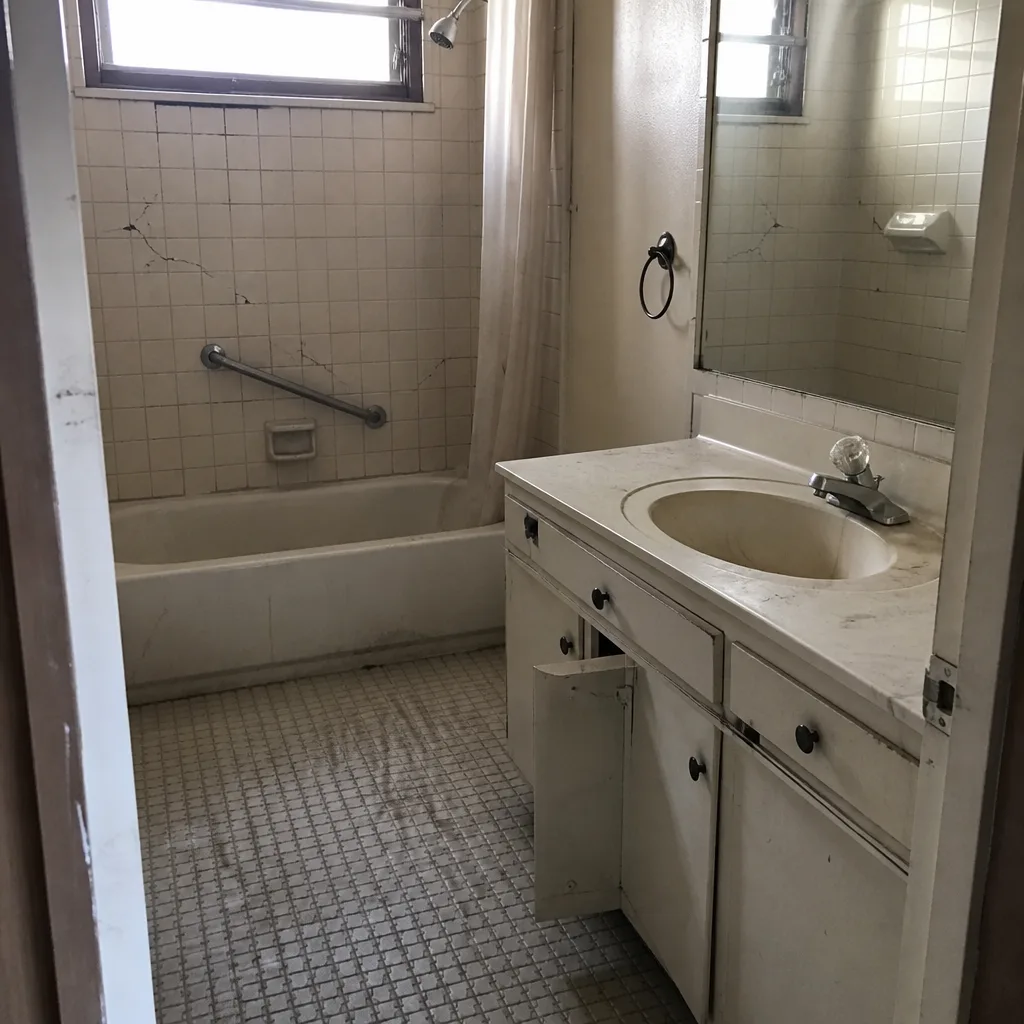 Before
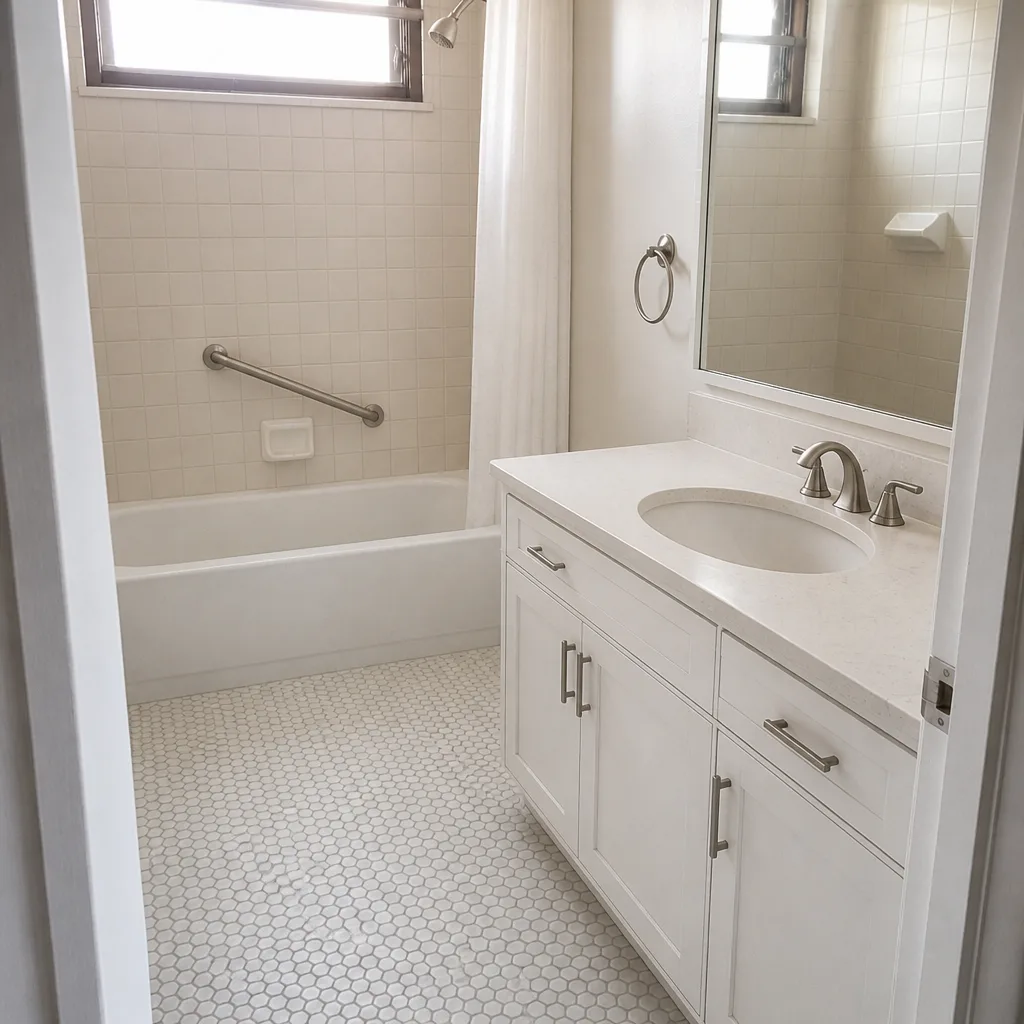 After
When to Call a Professional
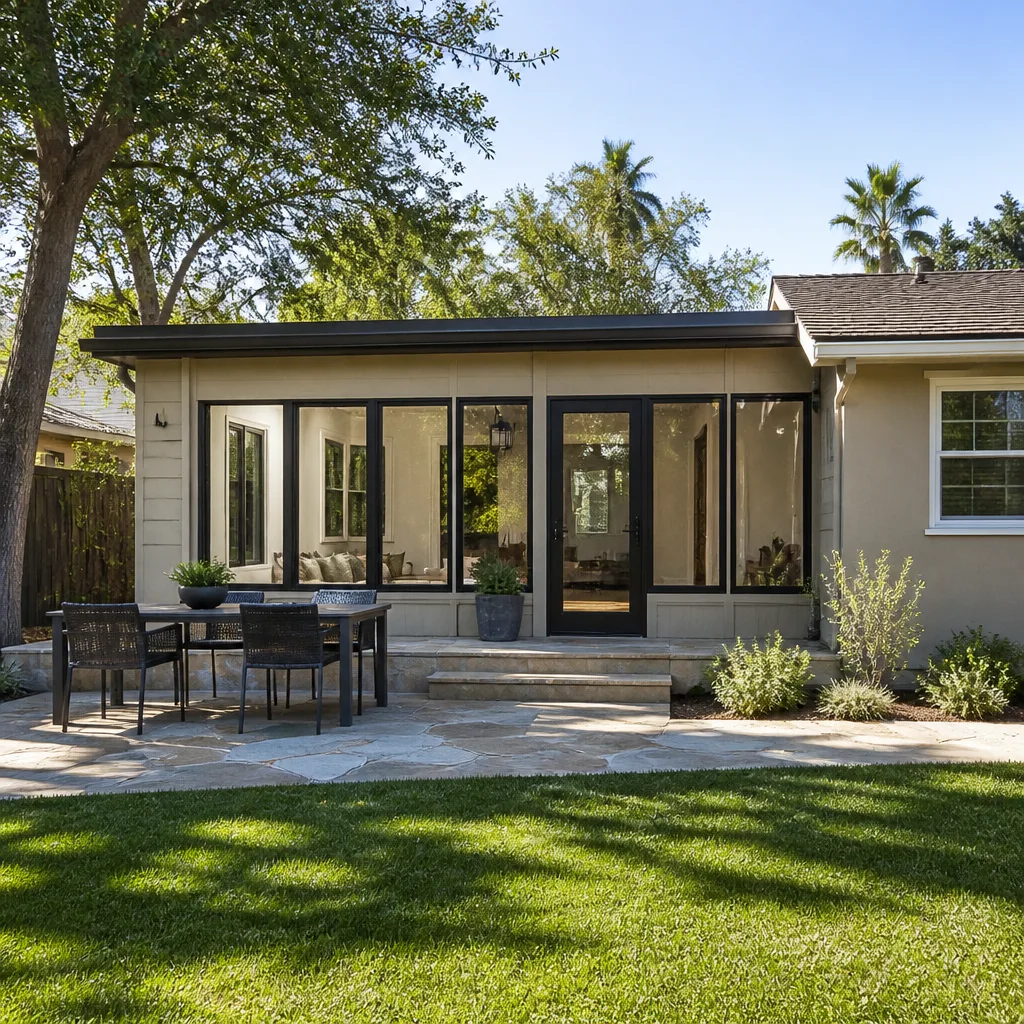
Some projects are straightforward enough that a homeowner with construction experience can handle them. An ADU in San Jose is not one of those. The moment your project touches a new foundation, a structural tie-in, a new electrical service, or a gas line, the risk of doing it yourself or with an unlicensed helper outweighs any savings. The high-voltage work in particular is genuinely dangerous; never open a service panel or run a new feeder yourself. And the permit record follows the property, so mistakes made today show up at resale years down the line.
Barrett & Sons Construction San Jose offers free estimates in San Jose. We pull permits on every eligible job, issue written change orders before any scope shift, and back every completed job with the written 90-Day Done Right Promise. Call (844) 320-5918 to schedule a free estimate, and we’ll walk your lot and tell you plainly what’s realistic.
Frequently Asked Questions
A detached ADU in San Jose typically runs $250,000 to $350,000 all-in, or about $300 to $450 per square foot for the unit plus site work. A JADU conversion is far cheaper, often $80,000 to $150,000, because the shell already exists. The city’s impact fee waiver can save an additional $20,000 to $50,000 if your project qualifies. Call (844) 320-5918 for an exact quote, because estimates are free.
Not always, but separate meters are the cleaner choice for a rental because the tenant carries their own utility bill. A sub-panel is cheaper up front but pushes the utility cost onto you as the landlord. San Jose Water Company connection fees apply either way, so price the utility plan before you commit to a layout.
Not without a written change order, and no legitimate contractor should be able to move a price without one. On our jobs, every scope change, every allowance adjustment, and every price change arrives in writing before a single nail moves. If a builder hands you a surprise invoice at the end, that’s a signal about how the contract was written, not about the market.
Plan to budget about a year from first sketch to move-in for a detached unit, with roughly four to six months of that on the permit side if you qualify for the streamlined ministerial path. Full discretionary review can add months. Construction itself typically runs four to seven months for a detached ADU in San Jose. A JADU is faster on both ends.
Owner-occupancy rules have shifted in recent years, and in the current window many San Jose ADUs can be rented without the owner living on the property. Confirm the current rule with Development Services at 200 E. Santa Clara Street before you design, because this is one of the requirements that updates most often.
Prefab is worth pricing, and builders like Dvele and Cover have real products in this market. Just compare the delivered-and-installed number, not the base unit price, against a stick-built quote. Site work, utilities, and permits are separate line items on the prefab side too. The honest answer is that on a flat lot in San Jose both paths can work; on a sloped lot or a tight lot, site-built usually wins.
The Bottom Line
San Jose’s ADU rules are more generous than most California cities, but the details that determine whether your project stays affordable and on schedule live in the zoning tiers, the fee waiver, and the utility connection plan. Get those right before you draw anything. Check your parcel zoning, confirm the fee waiver applies to your unit type, budget for the water company fee, and keep the permit with the licensed contractor who does the work. Then build the budget around local costs. If you’re ready to walk the lot with someone who will tell you plainly what’s realistic, our Barrett & Sons Construction San Jose home page is the place to start, and (844) 320-5918 gets you a live person any time of day.
Written by the team at Barrett & Sons Construction San Jose.