Last updated November 18, 2026
Free written scope consultation - allowances, timeline, and change-order rules on paper before a single trade is scheduled
Home Additions & ADU Warning Signs Every Homeowner Should Know
If a contractor tells you they can “handle the permits” without explaining exactly which permits, what the review timeline looks like, and what happens if corrections are required, you don’t have a plan, you have a promise. That distinction matters more on an ADU than on any other residential job in San Jose, because an ADU is a second dwelling on your property. It goes on the title. It shows up in appraisal reports. It can be rented. And when it’s built without the right paper trail, every one of those facts turns against you at resale. What follows are the warning signs that reveal a builder’s compliance habits before a dollar changes hands, the things we’ve watched neighbors in San Jose discover too late, and how to check any claim a contractor makes.
Quick Answer
The biggest ADU contractor red flags are a vague “all-in” price that won’t break out design, engineering, permit fees, and utility connections; a refusal to name their electrician and plumber subs; a resistance to written change orders; and any claim about past ADU work you can’t verify through public permit records. On a San Jose ADU, the contractor’s permit habits matter more than their renderings, because an unpermitted or partially signed-off unit can sit on your title, stall a future sale, and expose you to liability if a tenant is hurt.
Styles & brands we work with
- Kitchen remodeling
- Bathroom remodeling
- Home additions & ADU
- Roofing
- Windows & doors
- Driveway & pavers
- Fence
Table of Contents
- Why a Vague “All-In” ADU Quote Is a Red Flag
- How to Verify “We’ve Done Hundreds of These”
- The Subcontractor Disclosure Rule Most Homeowners Don’t Know
- The Change-Order Culture Warning
- The Design-Build Bait: Plans Held Hostage
- What San Jose Permits and Code Require (and What to Ask)
- The Paper Trail to Demand Before You Sign
- A 10-Point ADU Contractor Red Flag Checklist
Why a Vague “All-In” ADU Quote Is a Red Flag
A single number for your entire ADU is a convenience on the phone and a trap at the closing. Real ADU pricing has to separate into distinct buckets, because each bucket runs on its own timeline, its own subcontractors, and its own inspection schedule. When a contractor collapses those into one figure, they either don’t understand the job or they’d rather you not see the seams.
A legitimate ADU estimate for a San Jose property should draw these lines:
- Design and architectural fees: plan drafting, structural engineering, and any surveying you need.
- Permit fees and plan-check: what the city charges, plus the cost of revisions if corrections come back.
- Site work: grading, drainage, and trenching to connect the new unit.
- Construction: framing, roofing, windows, siding, interior finishes, each with named brands and allowances.
- Utility connections: separate electrical, plumbing, and gas runs, often handled by different licensed trades.
When those five appear as line items, you can compare bids honestly and see where the money actually goes. When they don’t, the “all-in” number is doing quiet work: it lets a contractor quote low on the phone and revise upward once framing is open. An allowance that isn’t on paper is a surprise waiting for a date. If the estimate doesn’t show the holes in the walls, you’re the one who pays to find them.
How to Verify “We’ve Done Hundreds of These”
Almost every ADU builder says it. Very few can back it up. The claim either holds up against public records or it doesn’t, and the checking takes an evening, not a lawyer.
- Ask for permit numbers. A contractor with real ADU work can hand you five to ten permit numbers from the last two years in the cities where they build.
- Pull the city’s online permit records. San Jose runs a public permit portal. Type the number in. You’ll see the application date, the review comments, the revisions, and the status.
- Check that finals were signed off, not just permits opened. This is the step homeowners skip. A permit that was opened and never finalized means the work was never inspected to the city’s satisfaction. That open status can be inherited by you.
- Look at the correction history. Two rounds of plan-check corrections is normal. Twelve rounds suggests a designer who doesn’t know the local code.
- Ask for the address of a finished ADU. A confident builder who did the work will point you to a past job you can view from the street, then let that property’s public record confirm it.
A contractor who can’t name a single permit number, but happily promises hundreds of units, is telling you something. Believe the silence, not the pitch.
The Subcontractor Disclosure Rule Most Homeowners Don’t Know
California licensing rules require a licensed contractor to disclose the trades they intend to subcontract, and to identify those subcontractors. That’s not a formality. It’s a paper trail that protects you, and a contractor who dodges it is often a contractor who’d rather not say because some of the labor isn’t licensed.
On an ADU, at least four trades operate at once: electrical, plumbing, mechanical (HVAC), and often gas. Each requires a licensed professional and each gets inspected separately. Ask directly: who is running the electrical panel, who is running the plumbing lines, and are they licensed? Get names in writing. If a builder deflects with “our own crew handles everything,” press on. The electrician has a license you can look up. The plumber has one too. You should be able to.
Unlicensed labor on an ADU is a chain of consequences. The work may not pass inspection. If it does pass and later fails, your homeowner’s insurance can decline the claim. And if an unlicensed worker is hurt on your property, the liability question lands at your feet. Naming the subs is a sign of a builder with nothing to hide. In our experience across San Jose, the crews that welcome that question are the ones we’d want in a client’s daughter’s name too. That’s the standard: the Barrett & Sons crews are background-checked and carry the name, and any owner should expect the same accountability from their subs.
The Change-Order Culture Warning
Some contractors treat change orders as an insult to the relationship. “We’ll square up at the end,” they say. That sounds generous. It isn’t. A contractor who resists putting scope changes in writing isn’t protecting your relationship, they’re protecting their ability to revise the final invoice without a paper trail.
Change orders happen on nearly every ADU. Unexpected soil conditions under the slab. A window spec that needs to change. An electrical panel that can’t support the second dwelling’s load. None of that is a failure; what matters is how it’s handled. The right pattern looks like this:
- Something changes. The contractor documents it the same week.
- You get a written description of the change and the dollar figure.
- You approve or decline before the work happens.
- The signed change order is filed with the contract, so the final invoice matches it line for line.
If a builder waves off the paperwork “because it’s all included,” ask them to put that in writing. If they can’t, that’s your answer. In our experience, the tell is early: a contractor who won’t write down a $200 change won’t write down a $12,000 one either. Scope in writing, allowances in writing, change orders in writing: that’s the only version of this that leaves you protected.
The Design-Build Bait: Plans Held Hostage
There’s a pattern some ADU firms run. They quote an attractively low number to win the design contract. Then, once they’ve drawn the plans, they make the engineered set non-transferable or hard to hand over, so getting competitive construction bids means starting over on design. The design was a lock, not a service.
Before you pay for ADU design, ask three questions and get the answers in writing:
- Whose stamp is on the structural plans?
- If I want to bid construction to other builders, do I receive a complete, transferable plan set?
- If I use another builder, will you release the plans without a gag fee?
A fair design agreement gives you the plans you paid for, owned by you, usable by whoever you choose to build. Holding plans hostage is the action of a firm that doesn’t trust its own construction price to survive a comparison. On a San Jose ADU, where the design and permit stage can take months, the plans are a real asset. Own them.
What San Jose Permits and Code Require (and What to Ask)
San Jose has its own ADU rules, and a contractor who’s genuinely working here knows them. State law grew more permissive in recent years, but every city still has review timelines, zoning quirks, and inspection sequences that vary block to block. The point isn’t for you to memorize the code; it’s to ask questions a serious San Jose builder can answer without flinching.
Ask:
- “Which permits will you pull for my ADU, and who files them?”
- “What does the plan-check timeline usually look like in San Jose right now?”
- “What happens if the city sends corrections back? Who pays for the revisions?”
- “Which inspections happen at each stage, and are you present for them?”
- “How do our soil, slope, and drainage affect the engineering?”
The permit inspector works for you, not for the contractor. That’s why we like that official. Every signature is a second set of eyes on the work you can’t see behind drywall. A contractor who treats permits as red tape is telling you which side of that inspection they’d rather be on. If a San Jose property has an existing unpermitted structure, a good builder tells you the path to legalize it, not just the path around it. For context on how we approach that full scope, see our page on Home Additions & ADU in San Jose.
The Paper Trail to Demand Before You Sign
You can judge a contractor’s compliance habits before the first nail moves. The documents are not hard to request, and any professional expects the ask.
- The license number, printed and verifiable. Look it up on the state board’s site yourself. Don’t take a verbal.
- Proof of general liability insurance and workers’ comp. Request a certificate naming you as certificate holder for the job.
- A written scope with allowances. Every line that can vary is written down with a number attached.
- The change-order process in the contract. One paragraph that says how changes are documented and approved.
- The subcontractor list. Names and licenses for electrical, plumbing, and mechanical.
- A written payment schedule tied to milestones. Not a single large deposit up front.
- The workmanship warranty in writing. Ours is the 90-Day Done Right Promise: if it’s not done right, the company comes back and makes it right on one call.
When you hire a contractor for a full addition or ADU, also look at the perimeter trades that affect a finished unit: the fence around a new driveway or a new unit often comes up mid-project. If you’re planning those, that’s a separate conversation with a Fence Installation in San Jose team, and it pays to plan it before the ADU concrete cures.
A 10-Point ADU Contractor Red Flag Checklist
Print it, keep it on the table, and check it against anyone you talk to. A contractor who passes this list isn’t automatically good, but one who fails it usually isn’t.
- Vague all-in pricing with no design, permit, construction, or utility breakdown.
- No permit numbers offered when you ask for past ADU work.
- Finals not signed off on the permits they claim. You can check in minutes.
- Won’t name the electrician or plumber. A disclosure dodge.
- Hates change orders. “We’ll figure it out later” means the final invoice is the figure-it-out.
- Pressures you to sign before you’ve reviewed plans.
- No written warranty. A verbal promise is worth what it costs.
- Plans are non-transferable or the design firm won’t release them.
- Asks for a large cash deposit before any permit application is filed.
- Can’t give you a finished San Jose ADU address whose public record backs the claim.
Common Mistakes to Avoid
- Choosing the low bid without comparing line items. Two “all-in” ADU prices aren’t comparable when one covers design and one doesn’t. Ask for the five buckets and compare apples to apples.
- Trusting “we’ve done hundreds” without a permit record check. San Jose’s public permit portal is free and takes ten minutes. Use it before you sign.
- Letting a design contract lock you into a construction contract. If the plans aren’t yours to keep and transfer, you don’t own the design you paid for.
- Signing a contract with no written change-order clause. The clause is what keeps the final invoice from becoming the surprise. Get it in writing.
- Assuming permits are optional. They aren’t. An unpermitted ADU in San Jose can stall a future sale, fail a lender’s appraisal, and trigger liability if a tenant is injured.
- Not asking who the subs are. A general contractor who won’t name their electrician and plumber is a contractor who may rely on unlicensed labor somewhere in the chain.
- Skimping on the perimeter plan. Fences, paver driveways, and drainage that a new unit needs should be scoped early, not patched after. See our Driveway & Pavers in San Jose team for paving around a new structure.
See the difference
 Before
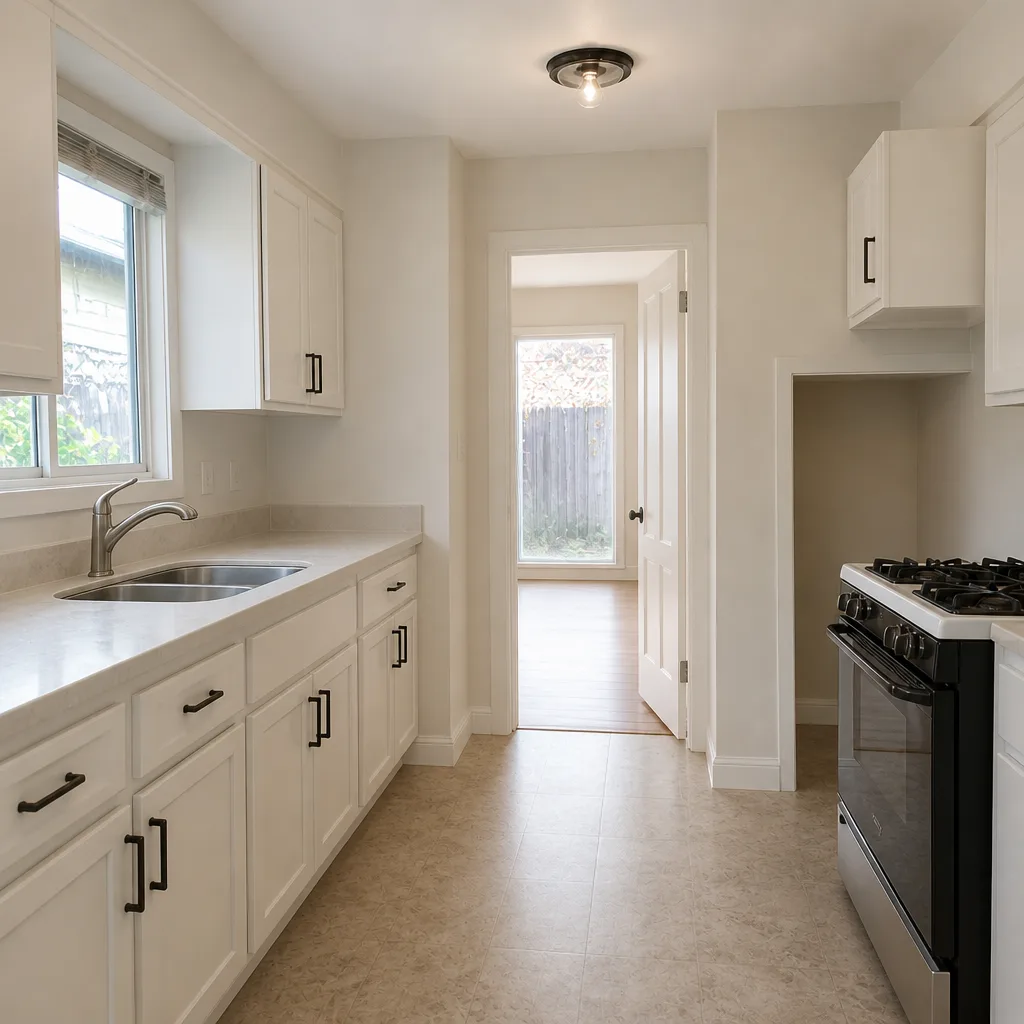 After
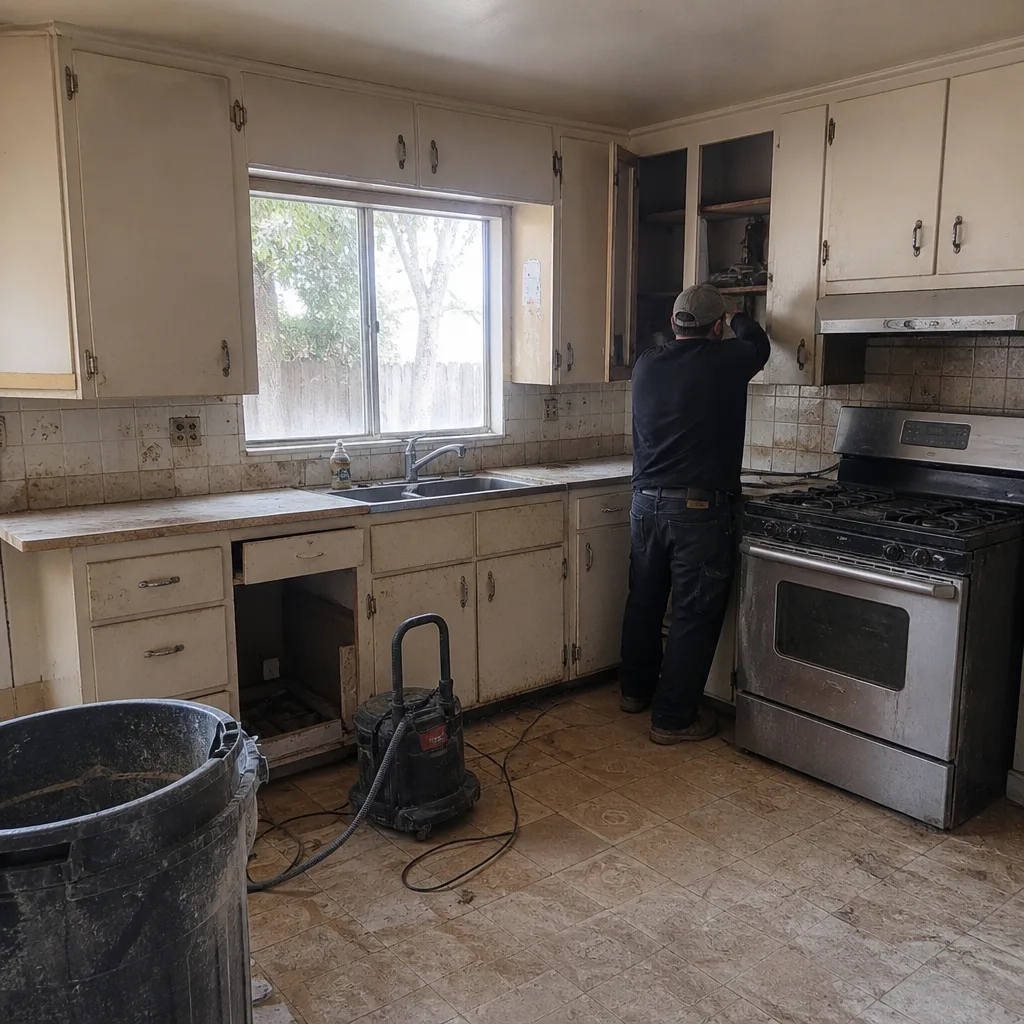 Before
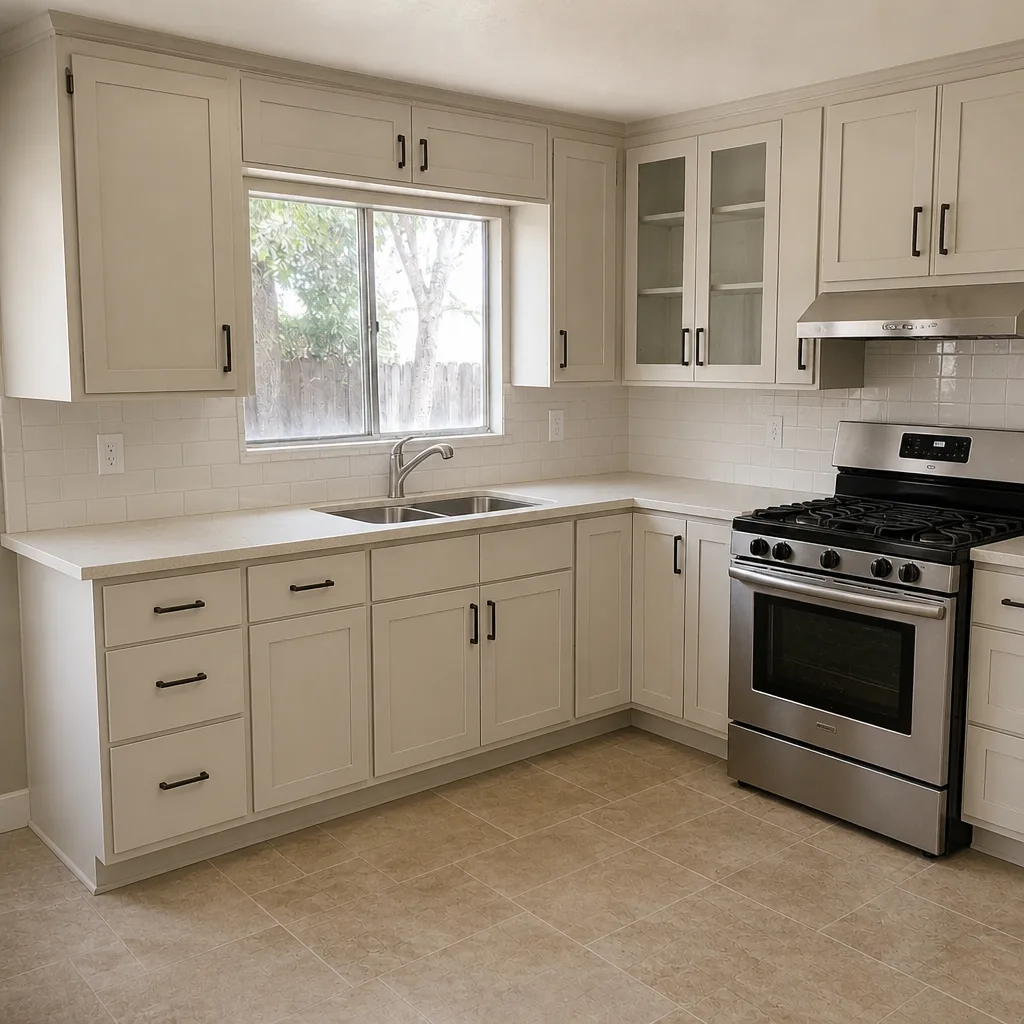 After
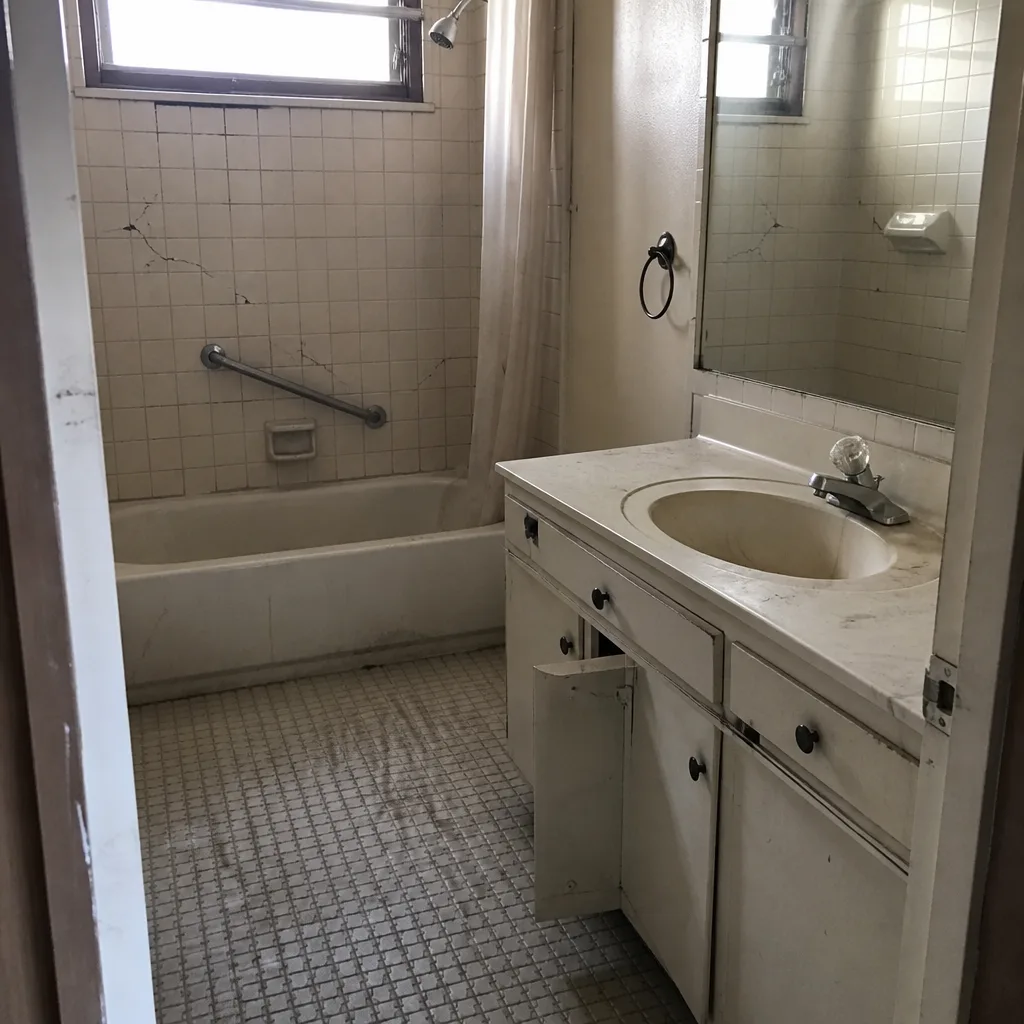 Before
 After
When to Call a Professional
Call a licensed contractor the moment you’re considering an ADU at all, ideally before you’ve picked plans. Duplex and second-dwelling rules in San Jose shift, and a professional who tracks them can save you a redesign. Call sooner if you’ve already been told something vague, if a contractor resists putting scope in writing, or if you want a second read on a written estimate someone handed you. Also call if you’ve inherited an unpermitted structure on a property: legalizing it is a project, and the right contractor should walk you through it honestly. Barrett & Sons Construction San Jose offers free estimates in San Jose. Call (844) 320-5918 for a free estimate with a live person on the line, at any hour.
Frequently Asked Questions
Ask for the permit numbers of their last five to ten ADU jobs, then look each one up in San Jose’s public permit portal and confirm the permits were finalized, not just opened. A real builder with real work can answer this in an email. If they can’t name a single permit number, treat that as a warning sign and stop.
Sometimes it’s unfamiliarity with the actual costs and sometimes it’s a strategy to quote low and revise later. Legitimate ADU pricing separates design, engineering, permit fees, construction, and utility connections, because each involves different subs and timelines. When those five are collapsed into one figure, you can’t compare bids and you can’t see where the surprise will come from. Call (844) 320-5918 for an estimate that shows the line items, and the whole estimate is free.
Yes, and the problem tends to follow the property, not the contractor. An unpermitted or partially signed-off ADU can appear in a title search, stall a resale, raise questions from a lender’s appraiser, and expose you to liability if a tenant is injured in a structure the city never inspected. In San Jose, the public permit record is part of the property’s history permanently. Getting it permitted up front is far cheaper than the eventual fix.
Yes. California licensing rules require a licensed contractor to disclose the trades they intend to subcontract and to identify those subcontractors. Ask who’s running the electrical, plumbing, and mechanical work, and verify each one has a license. A contractor who won’t name their subs may be using unlicensed labor somewhere in the chain, which is a risk you carry, not them.
They can, and some do. The trick is to lock in your rights before you pay. Get in writing that the plans you pay for are yours to keep, transferable, and usable by whatever builder you choose. If the firm insists the engineered set stays non-transferable, that’s a firm protecting its construction margin, not serving your design interests. Walk before you sign.
A real plan names the permits, the review timeline, who pays for revisions, and which inspection happens at each stage. A promise is a sentence. When a contractor says they’ll “handle the permits,” ask which ones, in writing, and what happens if the city sends corrections back. The answer tells you whether the contractor has done this before in San Jose or is improvising.
The Bottom Line
An ADU is a second dwelling on your title, and the contractor you choose writes the public record it carries. The warning signs in this guide cut to compliance: a vague all-in price that hides the seams, a “hundreds of these” claim you can’t verify in the permit portal, a refusal to name electrical and plumbing subs, a culture of avoiding written change orders, and plans held hostage so you can’t get a competitive construction bid. Check the license, pull the permits, demand written scope and change orders. Barrett & Sons Construction San Jose will hand you the license number and open the permit portal with you, so you can verify it. Proudly serving local communities for over 29 years, with a 90-Day Done Right Promise on every eligible job.
Ready to price yours? Call (844) 320-5918 for a free estimate with a live person, day or night, and start with the Barrett & Sons Construction San Jose home page for the full picture of what we do.
Written by the team at Barrett & Sons Construction San Jose.