Last updated November 18, 2026
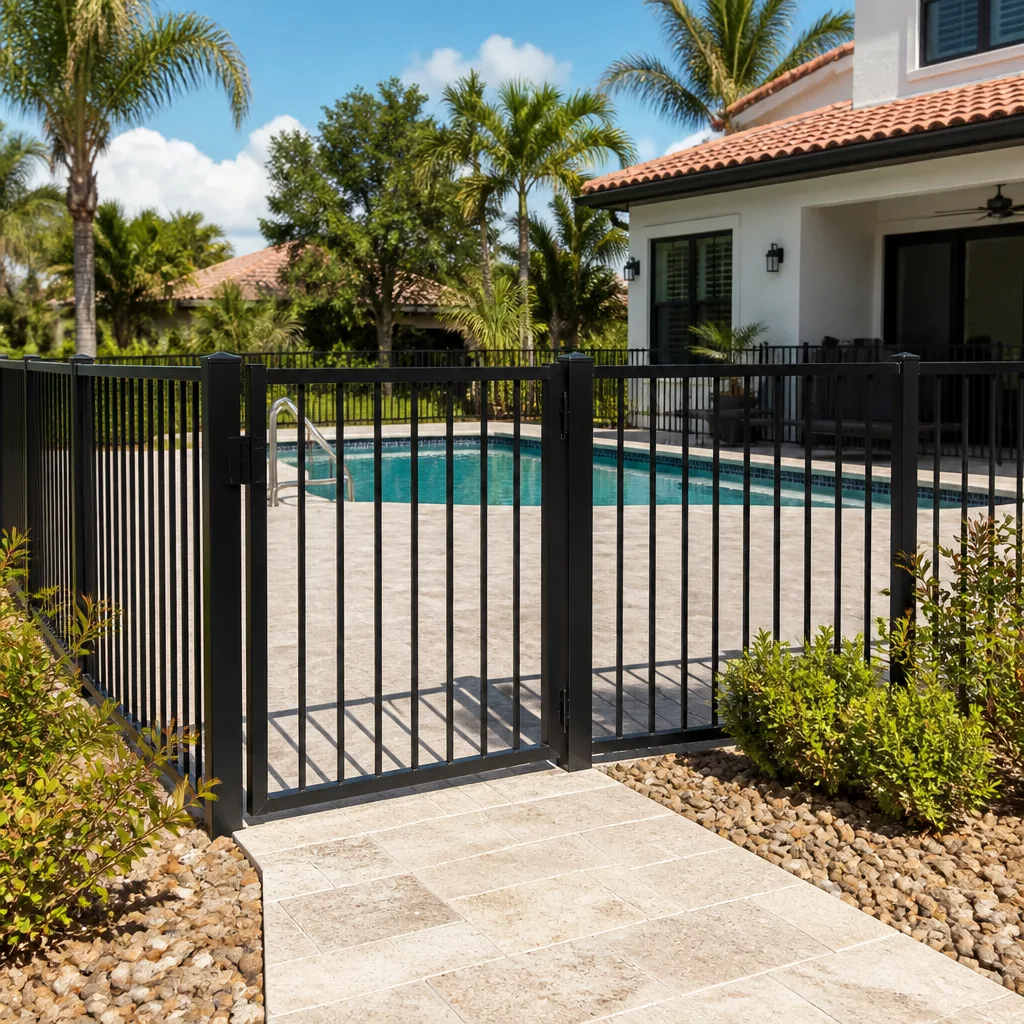



Free written scope consultation - allowances, timeline, and change-order rules on paper before a single trade is scheduled
How Long Does Driveway & Pavers Take? Timelines and What to Expect
A crew can lay pavers across a two-car driveway in a couple of days. That’s the number everyone quotes online, and it’s technically true. What it leaves out is everything around the pavers: the tear-out, the haul-away, the graded base that has to be compacted in lifts, the polymeric sand that needs to cure, and the city inspector’s calendar that decides when you’re actually allowed to park on your new surface. Confusing installation time with project time is how a San Jose homeowner ends up living with a car in the street a week longer than planned. In this guide we’ll break the job into honest phases with day-counts for each, explain which weather actually matters, and give you the questions that separate a realistic timeline from optimistic sales math.
Quick Answer
A typical residential driveway paver project takes 4 to 7 working days from tear-out to final inspection, with the paver installation itself accounting for only 2 to 3 of those days. Add one to three weeks if a permit inspection has to be scheduled during a busy season at the city. The full calendar from contract signing to parking your car usually lands between two and five weeks.
Styles & brands we work with
- Kitchen remodeling
- Bathroom remodeling
- Home additions & ADU
- Roofing
- Windows & doors
- Driveway & pavers
- Fence
Table of Contents
- The Five Phases of a Paver Driveway, With Day-Counts
- How San Jose Permit Scheduling Stretches the Calendar
- What Weather Delays Paver Work and What It Doesn’t
- Why Size, Access, and Drainage Change the Schedule
- Questions That Reveal Whether a Timeline Is Real
- When to Call a Professional
- Frequently Asked Questions
The Five Phases of a Paver Driveway, With Day-Counts
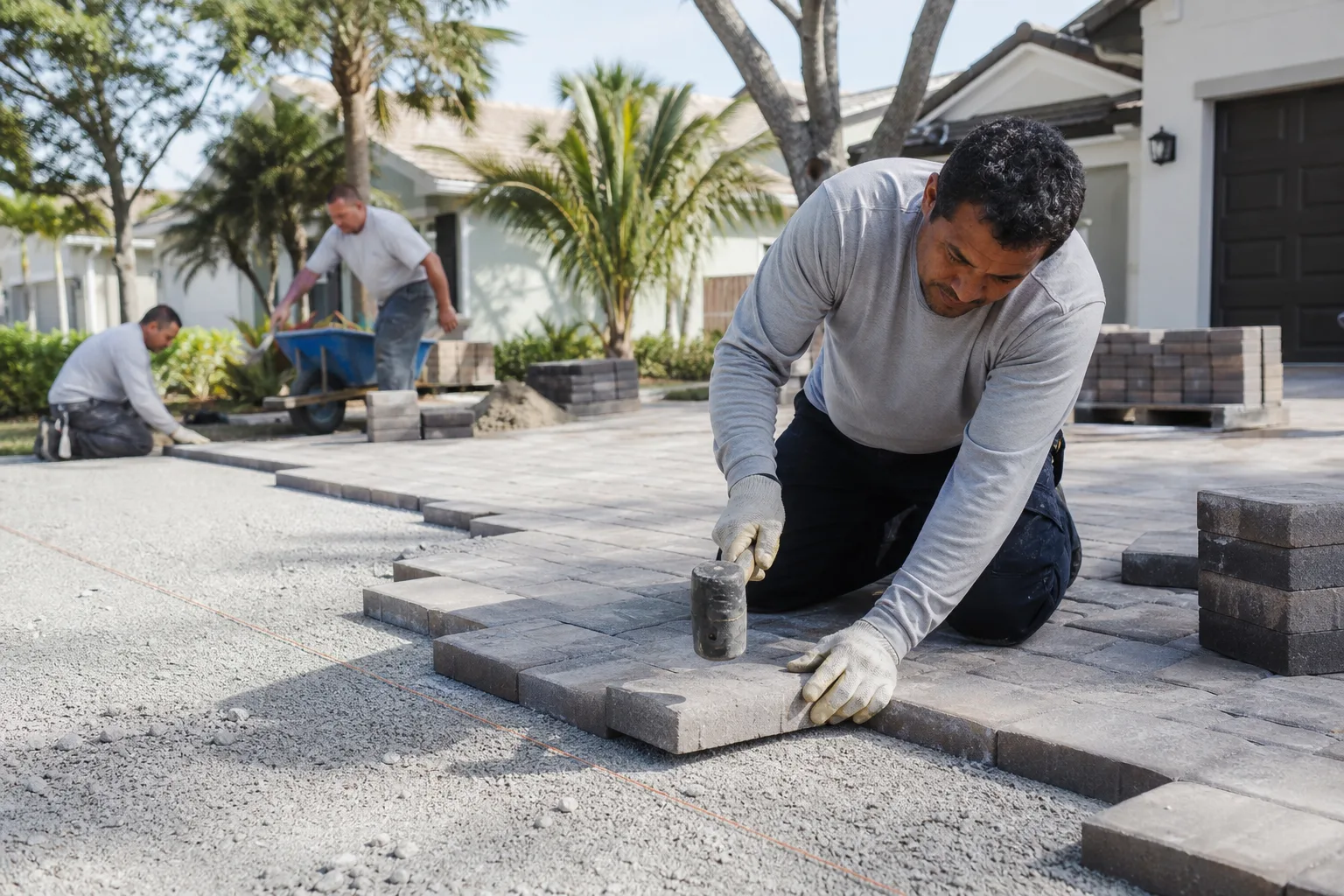
Here’s how a driveway project actually breaks down. The visible part – the pavers going down – is less than half the work. Ask any crew and they’ll tell you the base is the job; the pavers are what you see when it’s done. Here’s the realistic split for a standard two-car driveway in San Jose.
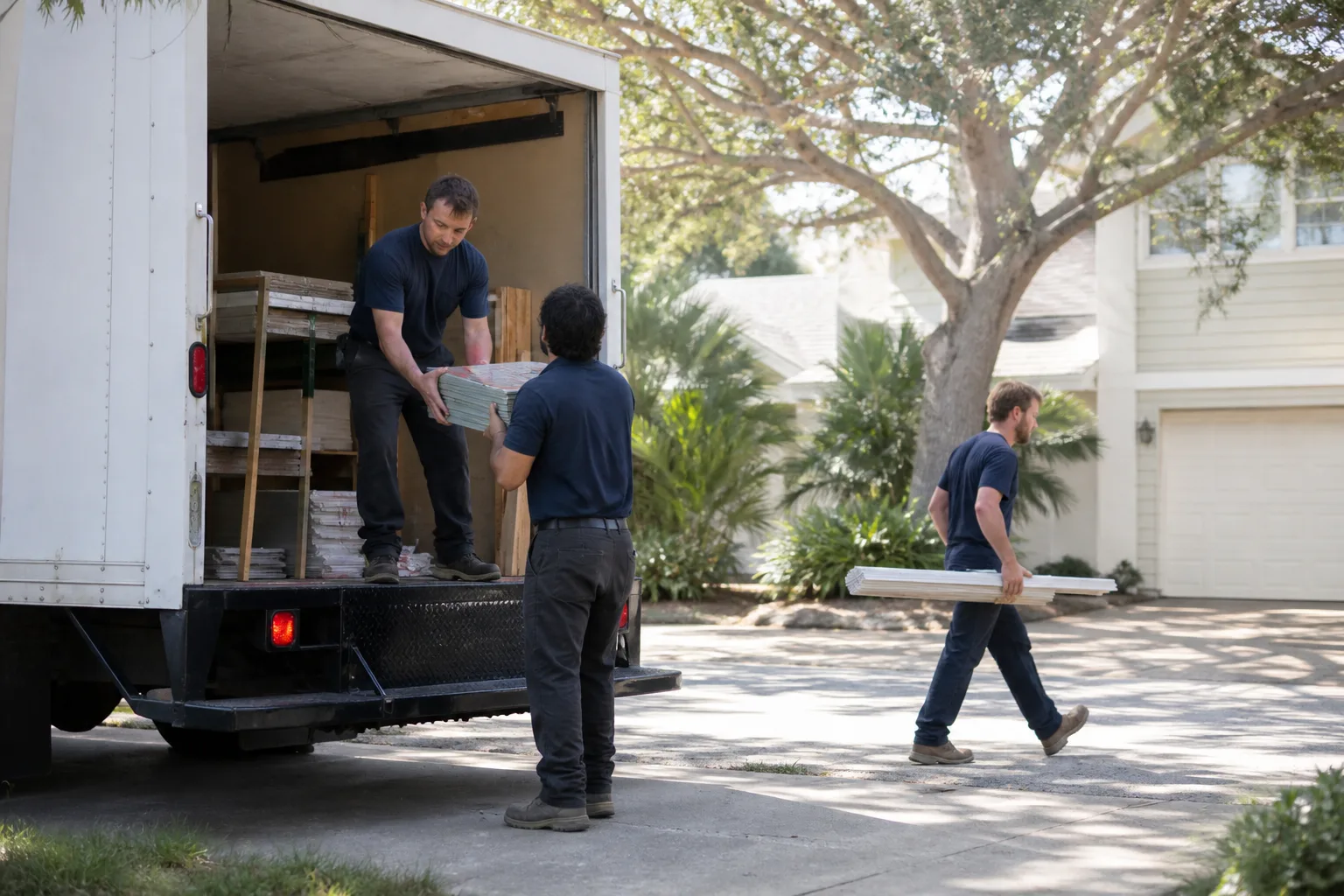
- Demolition and haul-away (1-2 days). Breaking out old concrete or asphalt, loading it into trucks, and hauling it off. A heavily reinforced slab or a driveway with tree root intrusion can push this to the longer end. The debris has to leave the site, not sit in a pile blocking your access.
- Grading and base work (1-2 days). Excavating to depth, bringing in class II base rock, and compacting it in lifts of a few inches at a time. This is where the driveway is actually built. It can’t be rushed – skip a lift and the base settles under a parked car a season later.
- Paver installation (2-3 days for a typical driveway). A good crew sets an edge restraint, lays the field, cuts the borders, and works the pattern. An experienced four-person team can lay several hundred square feet a day. Decorative borders and complex patterns add time.
- Joint sand setting (a few hours plus curing). Polymeric sand is swept into the joints, wetted down, and left to set. It needs to cure – usually 24 hours of dry weather before traffic. This is the step homeowners forget, because the driveway looks finished before the sand has locked in.
- Final inspection (scheduling dependent). If the job required a permit – which it often does in San Jose when drainage or the driveway apron changes – the city inspector signs off before the project is truly closed. Getting on the calendar is where timelines stretch.
Add those up and you’re at 4 to 7 working days of active work for a run-of-the-mill driveway. That’s the honest number. The 2-3 day quotes you see online are really just phase three.
How San Jose Permit Scheduling Stretches the Calendar
Here’s what the online timeline calculators never mention: the inspector’s calendar belongs to the city, not to your contractor. In San Jose, permit review and inspection scheduling can add anywhere from a couple of days to a few weeks depending on the season and how backed up the building department is. Spring and early summer tend to be the busiest – everyone wants their yard ready before the dry season ends.
Whether your project needs a permit depends on what’s changing. Resurfacing an existing driveway in kind usually doesn’t. Changing the footprint, regrading so water flows differently, or touching the driveway apron where it meets the sidewalk often does. We pull permits on every eligible job and get inspections signed, because the last contractor a lot of customers used told them permits were optional – and that’s how you end up with a driveway that has to be torn out when you go to sell the house. The permit inspector works for you, not for us. That’s why we like him.
The practical takeaway: if a contractor hands you a timeline that shows the crew finishing on a Tuesday and you parking the same afternoon, ask when the inspection is scheduled. If there’s no inspection on the schedule at all, ask why not. A written scope of work should say who’s pulling the permit and roughly when the inspection window opens.
What Weather Delays Paver Work and What It Doesn’t
Most contractors won’t make this distinction, so here it is: rain is a problem for the base, not for laying pavers. Laying pavers in a light drizzle doesn’t hurt anything. A saturated, uncompacted base hurts everything, because once the pavers go down over wet subgrade you’ve buried the problem until it settles.
What actually stops work:
- Saturated subgrade. If the base is holding water, compaction can’t be done properly. A crew that keeps going anyway is trading your timeline for your driveway’s lifespan.
- Heavy rain during joint sand setting. Polymeric sand needs to cure dry for about 24 hours. A surprise storm during that window means re-doing the sand.
- Standing water in the excavation. Needs to be drained and the base dried before the next lift goes down.
What generally does not stop work:
- Overcast skies or cool mornings. Fine for base work and for setting pavers.
- Light drizzle during installation. As long as it isn’t during sand curing, most crews keep laying.
- Heat. San Jose summers are mild compared with the Central Valley – heat is rarely the delay here. It’s rain in the wet months that pushes the schedule.
San Jose’s rainy season runs roughly November through March. If your project is scheduled in that window, build a rain day or two into the plan and don’t treat it as a contractor failing. A schedule that assumes perfect weather in January is a schedule that’s selling you something.
Why Size, Access, and Drainage Change the Schedule
Two driveways of identical square footage can take very different amounts of time. Here’s what your phone quote can’t see:
- Site access. A driveway with a narrow gate, a tight turnaround, or a steep pitch means wheelbarrowing base rock instead of dumping it. What takes an afternoon with good access can take a full extra day without it.
- Existing drainage. If the current driveway drains toward the house or pools at the garage door, the grading has to be reworked and possibly a drain added. That’s a different job than a straight resurface.
- Subgrade condition. Soft soil, tree roots, or an old asphalt layer of unknown depth means more excavation. We’ve opened up drives in older San Jose neighborhoods that turned out to have two layers of concrete poured on top of each other – a discovery that adds a day and a written change order.
- Pattern and borders. A running bond with a soldier course is faster than a herringbone field with decorative inlays. Complex patterns are worth the time, but they should be quoted with a realistic schedule.
- Crew size. A larger crew can compress the pavers-laying phase, but it can’t compress the base. A contractor who says they’ll bring twelve guys and knock it out in a day is skipping the compaction.
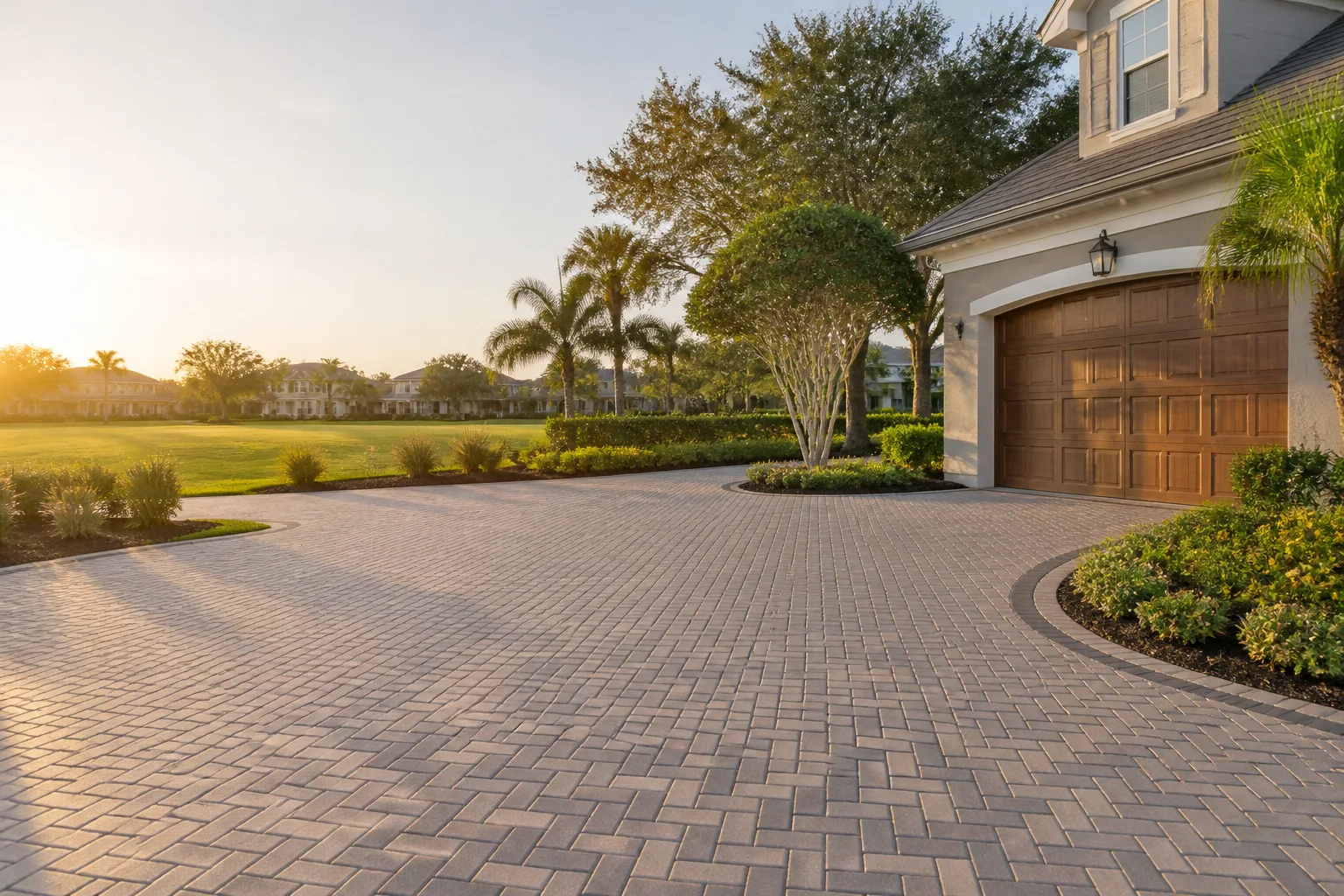
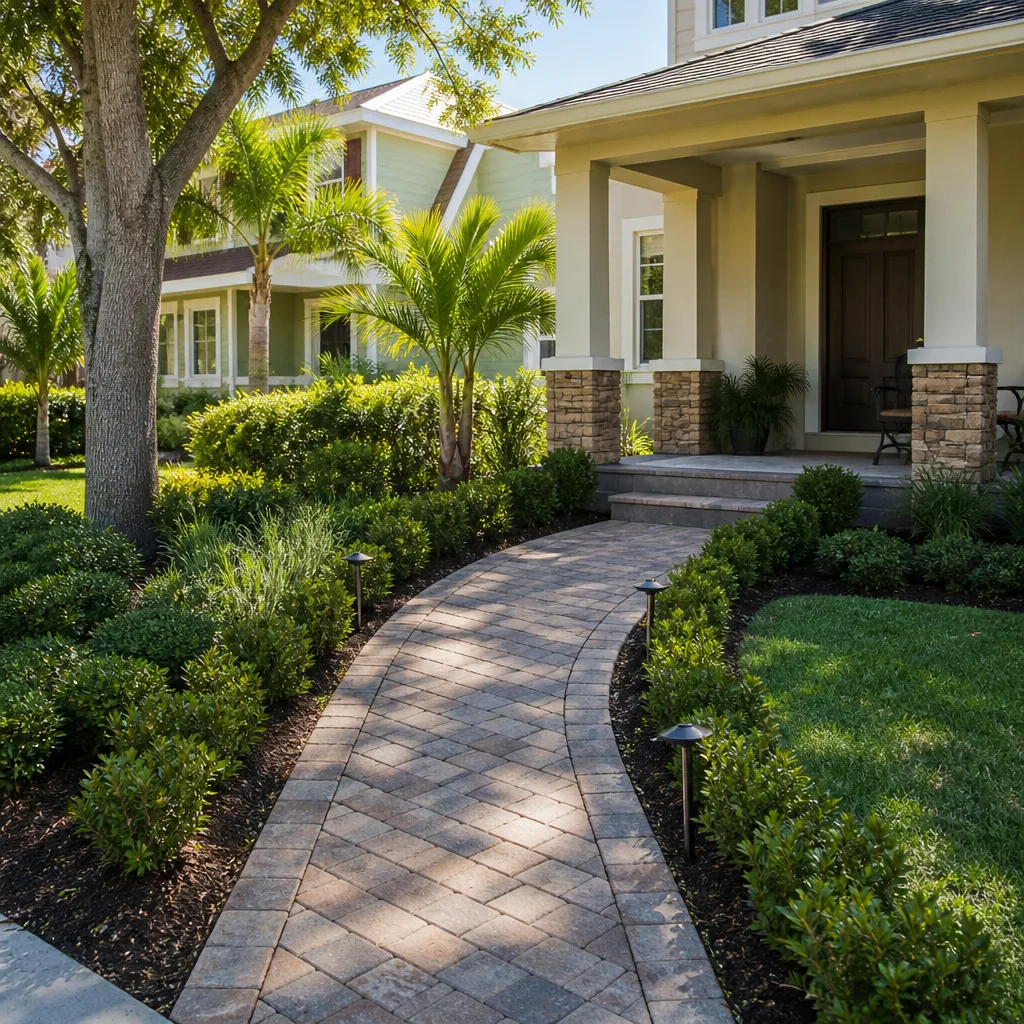
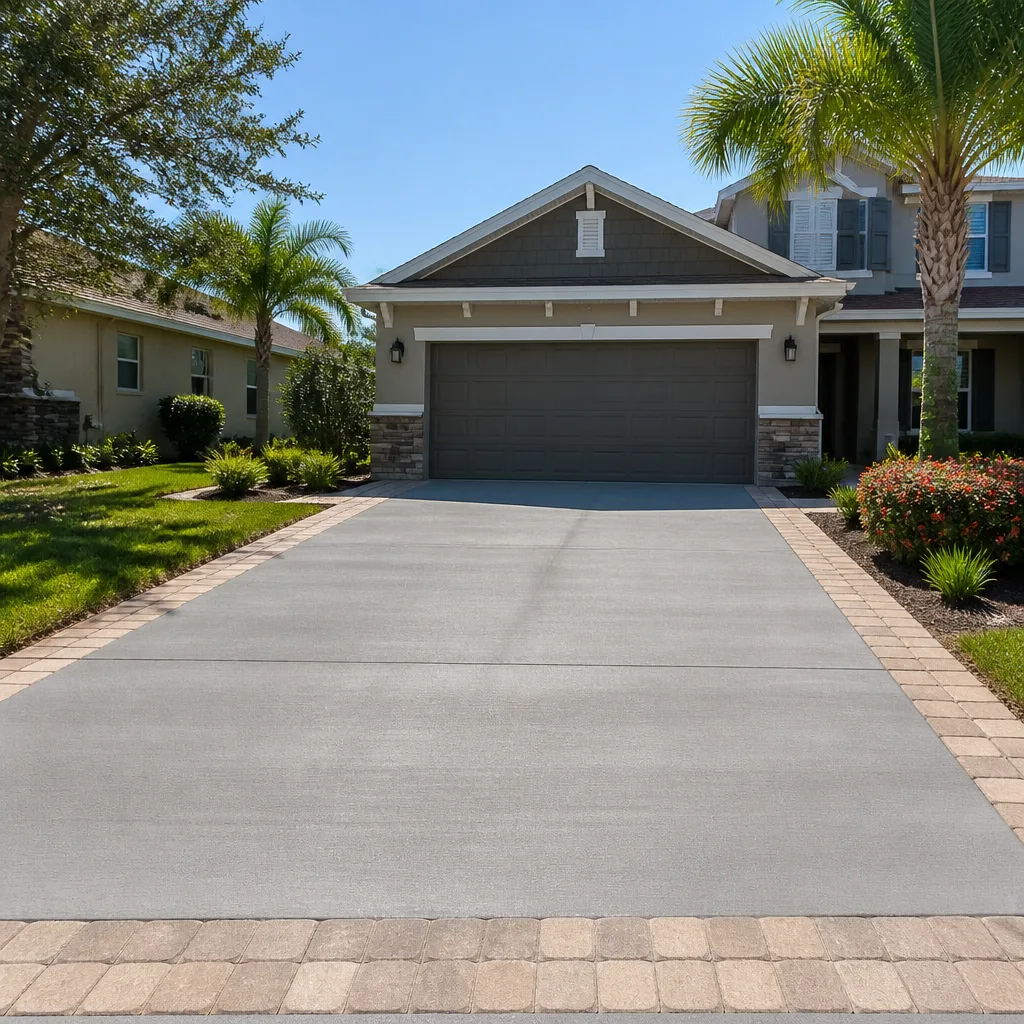
For a baseline on what different paver designs and materials cost, and what the finished result typically looks like in this area, our Driveway & Pavers in San Jose page lays out the ranges and the material options we install – including Belgard and Techo-Bloc pavers, brands you can look up rather than mystery products off a van.
Questions That Reveal Whether a Timeline Is Real
You can tell a lot about a contractor’s schedule by the questions they ask before they quote it. Here are the ones worth asking them:
- “How many lifts of base are you compacting, and with what?” A good answer names inches and equipment. A vague one says “we build it right.”
- “Does this project need a permit, and who’s pulling it?” If they say permits aren’t needed, ask them to put that in writing. Then think carefully.
- “When does the inspection get scheduled, and what’s your current lead time with the city?” This is the question that exposes whether their timeline includes inspection reality or only the install.
- “What’s your rain plan if the base gets saturated?” A pro has an answer. A salesperson changes the subject.
- “How long after the last paver goes down before I can park?” The real answer accounts for sand curing – usually 24 hours, sometimes more. Anyone who says “same day” is guessing.
- “Will the price change once work starts, and how do I hear about it?” The right answer is a written change order before the scope changes, not a surprise invoice at the end.
Every scope, every allowance, every price change should arrive in writing before work happens. The allowance that isn’t on paper is a surprise waiting for a date. When you get estimates, ask for the free second opinion on any written estimate you already have – it’s one of our standing offers, and it costs nothing to compare a real schedule against an optimistic one. If your project grows into something bigger, our Barrett & Sons Construction San Jose home page covers the full range of what we build, and our Fence Installation in San Jose guide is useful when a driveway project makes you think about the whole front yard at once.
See the difference
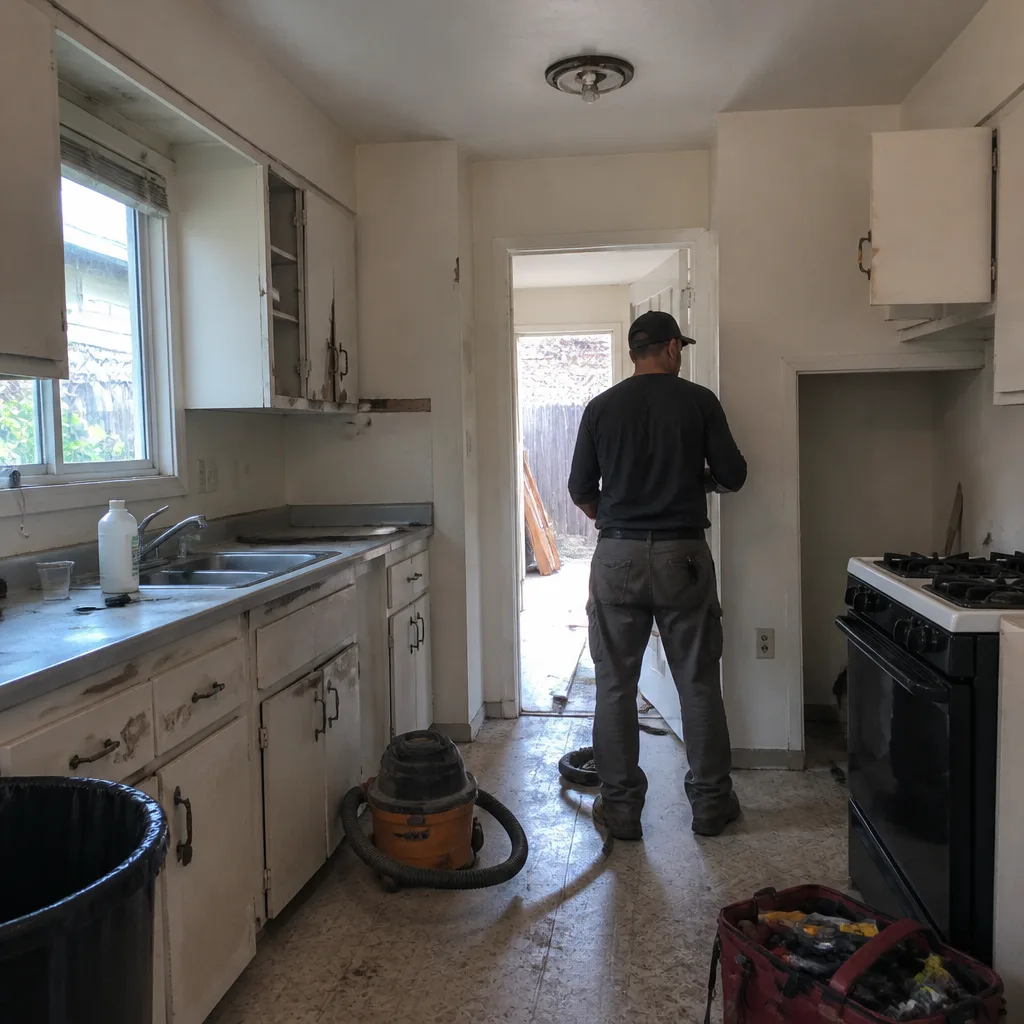 Before
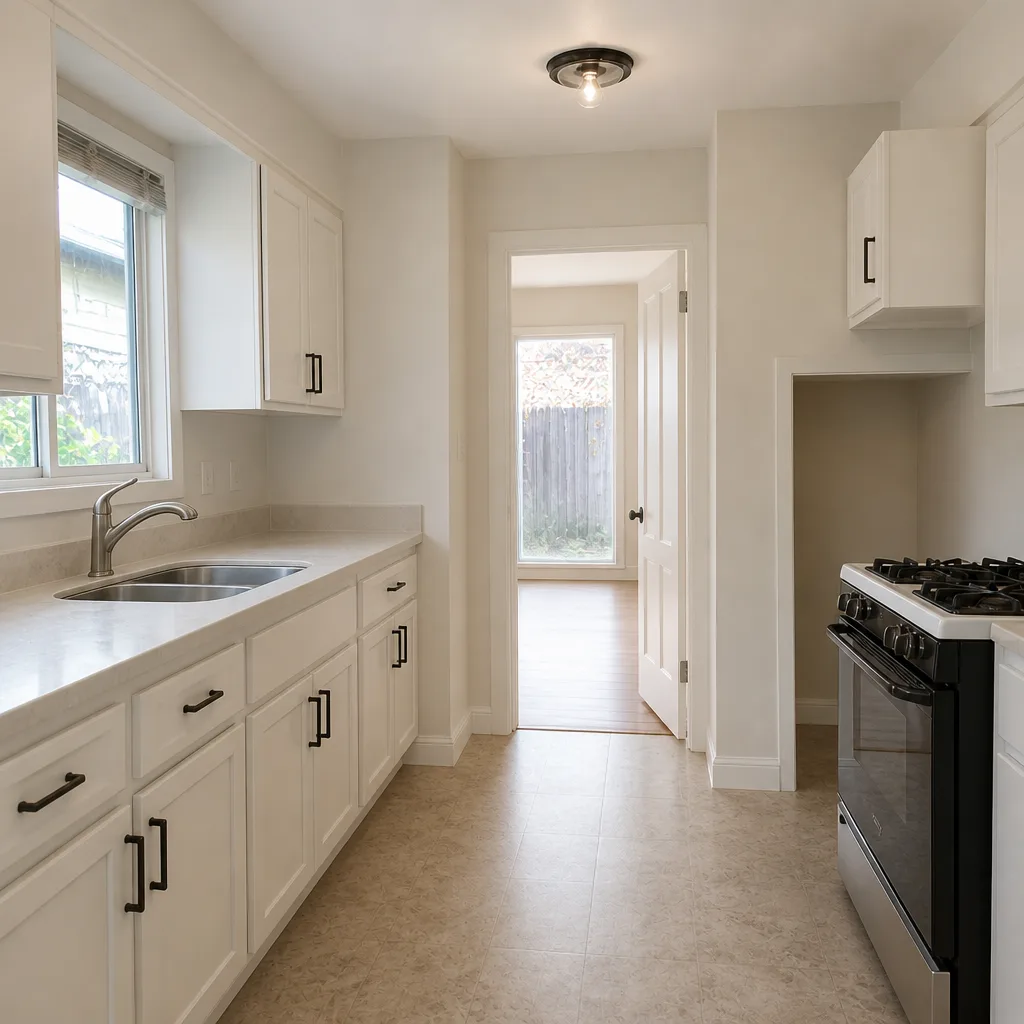 After
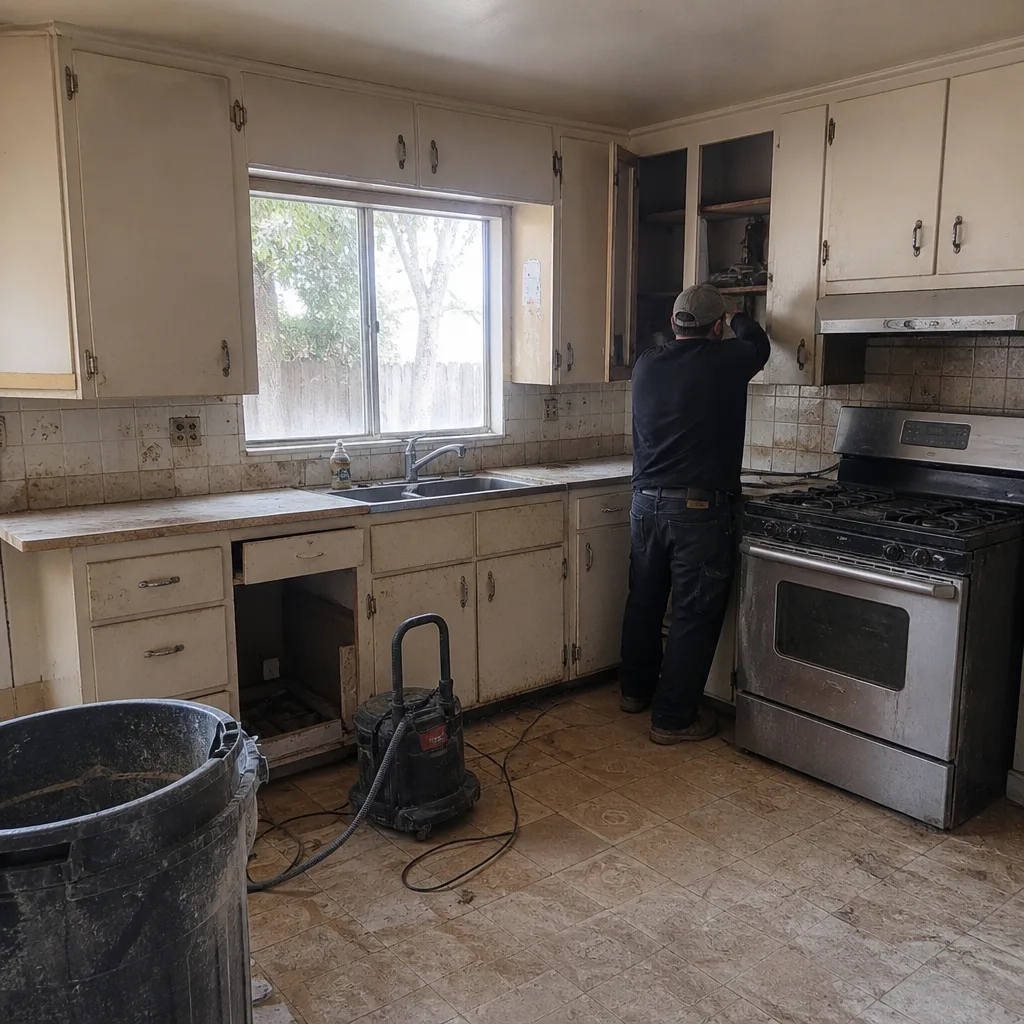 Before
 After
 Before
 After
Common Mistakes to Avoid
- Confusing install time with project time. The 2-3 day quote is the pavers. The full project is the base, the sand, and the inspection. Plan for both.
- Scheduling a winter install with no rain buffer. San Jose’s wet season runs November through March. A schedule that assumes dry weeks in that window is going to slip, and it’s not always the crew’s fault.
- Skipping the permit out of convenience. Changing your driveway’s footprint or drainage without a permit in San Jose can come back to bite you at resale. The inspector works for you.
- Parking on new pavers too soon. Polymeric sand needs to cure for about 24 hours of dry weather. Drive on it early and you’ll be sweeping sand out of your joints for a season.
- Choosing the biggest crew over the right base. More guys laying pavers faster doesn’t fix a thin base. Time saved early is paid back in settlement later.
- Accepting a verbal timeline. If the schedule isn’t in the written scope, it isn’t a commitment. Get the day-counts and the inspection window on paper before you sign.
- Forgetting the driveway apron. Where your driveway meets the San Jose sidewalk is a city detail, and it can add permitting time that a generic quote won’t mention.
When to Call a Professional
If your existing driveway has visible settlement, cracks running through the slab, or water pooling toward the garage door, the problem is usually beneath the surface – and that’s a job for someone who’ll open it up, grade it, and compact a base properly. If you’re thinking about pavers, an integrated driveway that ties into a new walkway or fence, or a project that touches the driveway apron, permits and inspection sequencing matter from day one. Our technicians have up to 28 years of experience, and Barrett & Sons Construction San Jose offers free estimates in San Jose – call (844) 320-5918. We pull permits on every eligible job, issue written change orders before any scope change, and back the work with our 90-Day Done Right Promise: if it isn’t done right, one call brings us back to make it right.
If the driveway project is part of a larger plan – a garage conversion, an ADU, or a home addition – our Home Additions & ADU in San Jose guide explains how the timelines interact, since driveway, grading, and utility work often run alongside the early phases of a bigger build.
Frequently Asked Questions
The paver installation itself usually takes 2 to 3 working days for a typical two-car driveway. The full project – including demolition, base work, joint sand curing, and final inspection – usually runs 4 to 7 working days of active work, with total calendar time between two and five weeks once permit scheduling is added. Call (844) 320-5918 for an exact timeline on your driveway – estimates are free.
Sometimes. Resurfacing in place often doesn’t require a permit, but changing the footprint, regrading for drainage, or working on the driveway apron where it meets the city sidewalk usually does. We pull permits on every eligible job and get inspections signed, because skipping them is how a homeowner inherits a problem at resale. Call (844) 320-5918 and we’ll tell you what your specific project needs.
No – the polymeric sand in the joints needs about 24 hours of dry weather to cure before foot or vehicle traffic. If rain is forecast during that window, the sand has to be redone, which adds time. Anyone who tells you to drive on it the same afternoon is skipping a step. Call (844) 320-5918 for a written schedule that includes the curing window.
Rain that saturates the base delays work, because compaction can’t be done over wet subgrade. Light drizzle during installation is usually fine, and cool or overcast days don’t stop a crew. The one exception is heavy rain during joint sand curing, which forces a re-do. In San Jose, the rainy season from November through March is the window that needs a buffer in the schedule. Call (844) 320-5918 to talk about scheduling around the weather.
Not without a written change order signed before the scope changes. Every scope, every allowance, and every price change is documented in advance. If we open the driveway and find a second layer of concrete underneath, you get a written change order explaining the extra work and cost – not a surprise invoice at the end. Call (844) 320-5918 for a written line-item quote.
Ask how many lifts of base they compact, who pulls the permit, when the inspection gets scheduled, and how long after the last paver goes down before you can park. If any of those answers is vague, the timeline is optimistic sales math rather than a real schedule. Call (844) 320-5918 for a free second opinion on any written estimate you’re comparing.
The Bottom Line
Paver installation itself is fast. The project around it is what determines when you can park on your driveway. If you want a realistic answer, break the job into its five phases – demolition, base work, installation, sand curing, inspection – and add a week or two for San Jose’s permit calendar. Rain delays base work, not paver laying. Site access and subgrade condition change the schedule in ways a phone quote can’t see. And the questions you ask before signing tell you whether the timeline you’re handed is built on real sequencing or just the optimistic install number. Call (844) 320-5918 for a free estimate in San Jose and a written schedule you can hold us to.
Written by the team at Barrett & Sons Construction San Jose.