Last updated November 18, 2026

Free written scope consultation - allowances, timeline, and change-order rules on paper before a single trade is scheduled
DIY vs Professional Bathroom Remodeling: What’s Safe to Do Yourself
Painting your new vanity? Go for it. Moving the drain six inches to center that freestanding tub? In California, that’s not a DIY call. It’s a licensed plumber call, and your insurance adjuster already knows the difference. Most homeowners in San Jose assume the line between do-it-yourself and hire-a-pro is about skill. It isn’t. It’s about what the California Business and Professions Code actually allows you to touch, what triggers a permit, and what a failed inspection costs you in real money. This guide walks that line for you, task by task, so you can save on the work that’s genuinely yours and leave the rough trades to people who carry the license and the liability.
Quick Answer
In San Jose, you can legally and safely do demolition, painting, hardware swaps, mirror hanging, and finish work yourself with zero permit risk. You cannot legally self-perform plumbing, electrical, or gas work if you’re hiring it out as a business, and any work that moves a drain, adds a circuit, or shifts a waterproofing boundary needs a permit and a licensed trade. Tile setting is a gray zone: laying tile is fine, but moving the shower pan or membrane line can void moisture claims if something leaks later.
Styles & brands we work with
- Kitchen remodeling
- Bathroom remodeling
- Home additions & ADU
- Roofing
- Windows & doors
- Driveway & pavers
- Fence
Table of Contents
- What California Law Actually Lets You Do Yourself
- The Tasks Where DIY Saves Real Money
- Why Tile Work Sits in a Gray Zone
- The Hidden Cost of a Failed Inspection
- How to Structure a Hybrid Project That Works
- The Right Order of Operations
- San Jose Permits, Climate, and What Trips People Up
- Common Mistakes to Avoid
- When to Call a Professional
What California Law Actually Lets You Do Yourself
Here’s the part nobody explains at the permit counter. California Business and Professions Code §7048 exempts homeowners from contractor licensing requirements when they perform work on their own residence, with their own hands, for their own use. That means you’re not breaking the law by tiling your own shower or hanging your own toilet. The exemption applies to owner-builders doing the physical labor. What it does not do is exempt you from permit requirements, code compliance, or the consequences of a bad install.
The moment you hire someone to do the work for you, that person needs to hold a state contractor license for the trade involved. A handyman cannot legally move a drain line or pull an electrical permit in San Jose, no matter how many years he’s done it informally. The California Contractors State License Board enforces this, and the fines land on the unlicensed worker, but the headache lands on you: unpermitted work is a disclosure problem when you sell.
We’ve watched more than one sale fall apart in San Jose because a bathroom the seller “did themselves” had unpermitted electrical behind the vanity. The buyer’s inspector flagged it. The remediation cost more than hiring the electrician would have in the first place.
Here’s the practical split:
- Legal for a homeowner to do: demolition, drywall patching, painting, trim, caulking, hardware and fixture swaps that don’t require moving supply or drain lines, hanging mirrors and shelving, installing a pre-hung vanity on existing plumbing stubs.
- Requires a permit and a licensed trade: moving or adding drain lines, relocating a toilet or sink, any electrical circuit work or new outlets, replacing a water heater, gas line work for a new fixture, any change to the shower pan or waterproof membrane boundary.
The Tasks Where DIY Saves Real Money
Not every task is a licensed-trade trap. These are the jobs where homeowners genuinely save money doing the labor themselves in San Jose, with no permit risk and no insurance exposure. We’re not going to pretend these are free – your time is worth something – but they’re real savings.
Rough demo is the biggest one. Pulling out an old vanity, tearing out the old tile, removing the old toilet and hauling it to the curb: this is grunt work, and paying a licensed crew to do it is paying skilled labor rates for unskilled labor. If you can use a pry bar and a wheelbarrow, you can demo a bathroom. Just make sure you know which wall is load-bearing before you swing a sledgehammer, and shut off water and power first.
Painting is next. A coat of paint on a bathroom is a $60 can of bathroom-rated paint and a Saturday. Hiring a painter for the same job runs a few hundred dollars minimum. The trick in San Jose bathrooms is the moisture – use a kitchen-and-bath paint rated for humidity, give it the full cure time before the shower gets used, and don’t skip the primer over patched drywall.
Hardware swaps and finish work are where the money really adds up:
- Replacing a faucet on an existing valve (shut off the supply first, and if the valve is more than a few decades old, have a plumber nearby in case the shutoff doesn’t hold).
- Swapping a light fixture or vanity lighting that uses an existing switched circuit.
- Hanging a mirror, towel bars, and shelving.
- Installing a new toilet on an existing flange.
- Caulking the tub and shower surrounds.
- Installing a new showerhead and handheld sprayer.
- Adding a new vanity top or swapping cabinet doors.
None of these require opening walls, moving plumbing, or pulling electrical. That’s the dividing line.
Why Tile Work Sits in a Gray Zone
Setting tile yourself is legal. The confusion starts when the tile job gets described as “just laying tile,” because tile sits on top of a waterproofing system, and the waterproofing system is where the real money gets made and lost. In a California bathroom, the shower pan and the waterproof membrane behind the tile are what keep the structure from rotting. Move the boundary of that membrane – reroute a shower drain, change the curb, expand the shower footprint – and you’ve crossed from finish work into a plumbing and waterproofing project that needs a permit and a licensed trade.
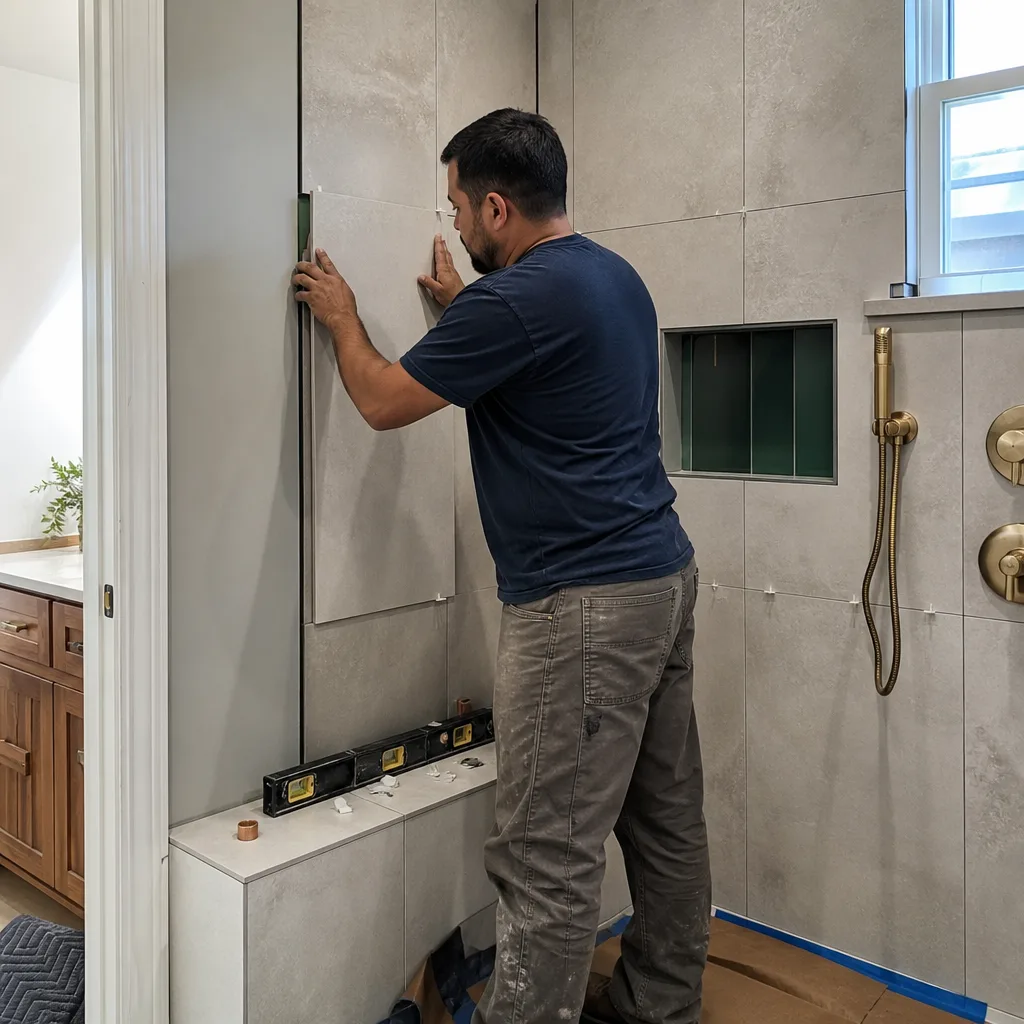
Here’s how we think about it. If you’re setting tile on an existing, intact, properly waterproofed substrate, you can absolutely do that yourself. Watch the layout, use a proper tile leveling system, and don’t skimp on thinset. If you’re changing the shower footprint, building a new curb, or moving the drain, that work has to be done by someone whose work is covered – and inspected behind a permit – because that’s where moisture damage claims come from.
San Jose’s climate is milder than most of the country, but it’s not the desert people assume. Bathrooms here still see daily moisture load, and a failed shower pan behind a homeowner-set tile job can mean tens of thousands in water damage and a denied insurance claim. We’ve opened walls in San Jose bathrooms that looked fine from the inside and found dry rot behind tile a homeowner set six years earlier. The tile itself held. The membrane underneath had failed.
If you’re tiling your own shower floor, do it on a system that’s already been inspected and approved, and don’t touch the drain.
The Hidden Cost of a Failed Inspection
This is the number that rarely gets discussed in DIY forums. A failed rough-in inspection doesn’t just cost you re-inspection fees. It stops the entire job until it’s fixed, and every trade waiting on that inspection is waiting with you. In San Jose’s current construction market, a two-week delay on a bathroom remodel is two weeks of paying for storage on your fixtures, two weeks of scheduling chaos, and – on a hybrid project – two weeks of paying the subs you’ve already booked to sit on their hands.
Re-inspection fees themselves are modest, usually under $200. The real cost is the delay. Here’s what we’ve seen add up on a rough-in failure:
- Re-inspection fee: typically $100 – $200 in San Jose depending on jurisdiction.
- Delay cost: 1 – 3 weeks of schedule slip, easily $500 – $2,000 in real cost if you’ve already booked tile, countertop, and finish trades.
- Redo cost: fixing whatever failed inspection, then re-doing the finish work that was installed over it. A moved drain that fails inspection gets opened up again – and the tile over it isn’t reusable.
- Insurance exposure: if a permitted job gets signed off on a rough-in that was actually self-performed against code, the failure surfaces later as an unpermitted change. That can void a moisture claim.
A licensed plumber in San Jose charges a fraction of that to run a drain correctly the first time, with the permit and the inspection baked in. That’s the math most homeowners get wrong when they’re pricing DIY against pro.
How to Structure a Hybrid Project That Works
The smartest bathroom remodels in San Jose aren’t fully DIY or fully hired out. They’re hybrids: a licensed contractor pulls the permits and handles the rough trades (plumbing, electrical, waterproofing), and the homeowner does the finish work (demo, paint, hardware, tile on an approved substrate). Done right, this saves real money and keeps you fully covered. Done sloppily, it creates finger-pointing when something goes wrong.
The key is getting the scope, allowances, and division of labor in writing before any work begins. That’s not a Barrett & Sons sales pitch – it’s just how a hybrid has to work. Without a written scope, the moment a spec changes, the contractor and the homeowner each assume the other is covering it, and somebody gets stuck with the bill. On a hybrid project, the written scope is the only thing keeping the project honest.
Here’s the shape we’d recommend:
- Design and permits: hire a licensed contractor or designer to write the plan and pull the permits. This locks the scope and gets you an inspection trail.
- Demo: homeowner does it. Saves real money, zero permit risk.
- Rough trades: licensed plumber and electrician do all work behind the walls. Permitted and inspected.
- Waterproofing and shower pan: licensed tile setter handles the membrane and pan, and it gets inspected before tile goes in.
- Tile setting (on approved substrate): homeowner does it if they’ve got the skills and the patience for layout.
- Vanity, fixtures, lighting: homeowner installs, with the licensed trades already having roughed in properly.
- Paint, trim, and finish: homeowner.
- Final inspection: contractor signs off and the inspection closes the permit.
That structure keeps you in control of cost without stepping into the licensed trades.
The Right Order of Operations
Sequencing a hybrid bathroom remodel in San Jose lives or dies on one rule: rough trades before finishes, always. If demo happens first, then plumbing and electrical rough-in, then waterproofing, then inspection, then tile and finish – the job flows. If any step gets out of order, the finish has to come back out to allow inspection access. That’s the single most expensive mistake in hybrid remodels.
The full order we recommend:
- Design and permits pulled (licensed contractor).
- Demo (homeowner or contractor).
- Plumbing rough-in (licensed plumber).
- Electrical rough-in (licensed electrician).
- Rough-in inspection passed.
- Waterproofing and shower pan installed (licensed).
- Tile set on approved substrate (homeowner or contractor).
- Fixtures and hardware installed (homeowner).
- Paint, trim, and finish (homeowner).
- Final inspection and sign-off.
One caveat: some San Jose jurisdictions have specific requirements about when the waterproofing inspection happens relative to the rough-in inspection. Get the exact sequence from your permit office before you schedule tile. If you’re using a contractor to pull the permits, that contractor will know.
San Jose Permits, Climate, and What Trips People Up
San Jose’s permit process for bathroom remodels is fairly straightforward for straightforward work, and gets complicated fast when the work crosses trade lines. Cosmetic work – paint, tile on existing substrate, fixture swaps – often doesn’t need a permit. Anything that moves a drain, adds a circuit, or changes the shower pan does. The city’s building department will tell you exactly what triggers a permit if you call, and it’s worth the phone call before you buy anything.
We’ve worked bathrooms all over San Jose – in Willow Glen bungalows, in Cambrian split-levels, in the newer infill in Berryessa, in the older homes down in Almaden Valley. Each of those has quirks. Willow Glen’s older homes often have cast-iron drains that don’t take kindly to a new tile job with a relocated fixture. Cambrian homes built in the 1970s sometimes have galvanized supply lines behind the vanity that are due to fail. Berryessa’s infill has tighter framing and shorter ceiling heights that constrain tile layout. Almaden’s older bathrooms can have original venting that doesn’t meet current code for a relocated drain.
These aren’t reasons to avoid DIY. They’re reasons to know what you’re looking at before you start cutting.
When we take on a Barrett & Sons Construction San Jose home bathroom project, the first thing we do is walk the space with the homeowner and identify what’s behind the walls before anything moves. That includes opening existing tiles for a good look, pulling a permit if the scope requires it, and putting every allowance and every price change in a written change order before work proceeds. Our crew members are background-checked and carry the Barrett & Sons name, and our techs bring up to 28 years of experience to the work. Every job we take on is backed by our 90-Day Done Right Promise – if something isn’t right after we finish, one call brings us back. And every eligible job includes permits pulled and inspections signed, because the permit inspector is the one person on the job who works for the homeowner, not for the contractor.
If you’re considering a hybrid project with us, the pattern looks like: we handle permits, rough trades, waterproofing, and final inspection; you handle demo, tile on approved substrate, paint, and finish. We can also quote a fully done-for-you bathroom or convert one of our Home Additions & ADU in San Jose projects into a bathroom remodel when the scope is small. Live person answers the phone, 24/7 – not a voicemail box. Free second opinion on any written estimate if you’ve already got one from another contractor.
Common Mistakes to Avoid
- Moving a drain without a permit. It’s the single most common DIY line-crossing in San Jose bathrooms, and it’s the one most likely to void an insurance claim when something leaks. Get the permit and the plumber.
- Setting tile over a shower pan that’s already been compromised. If the old tile is coming up because the pan failed, new tile hides the problem for a few years. It doesn’t fix it. In Willow Glen and Almaden’s older homes, we’ve seen this hide dry rot for years before it surfaced.
- Reusing old supply lines behind a new vanity. Galvanized and older copper lines under a Cambrian or Berryessa bathroom often fail within a year of a remodel. If they’re visible during demo, replace them.
- Skipping the rough-in inspection to save a week. That week saved comes back as a much longer delay when the inspection catches it later. And on a hybrid project, the finish trade you already scheduled sits idle.
- Not getting a written scope and allowance in writing before starting. An allowance that isn’t on paper is a surprise waiting for a date. On a hybrid project, the split between contractor and homeowner has to be on paper.
- Hanging a mirror or shelving into a wall you didn’t check for plumbing. San Jose homes have plenty of drain lines running through interior walls at exactly the height you’d want to hang a medicine cabinet. Stud-finder, then a probe if unsure.
- Assuming the insurance adjuster won’t notice. They will. Unpermitted work surfaces at claim time, and the claim doesn’t get paid.
When to Call a Professional
Call a licensed contractor in San Jose when the work crosses any of these lines: moving plumbing or a drain, adding an electrical circuit or outlet, changing the shower pan or waterproofing boundary, replacing a water heater, any gas line work, or anything that requires a permit. Also call when demo uncovers something unexpected – cast-iron pipes, old galvanized supply lines, or a shower pan that’s already failing. Those are the moments when DIY turns into a liability. If you’re unsure where the line is on your particular bathroom, that’s the moment to call. Barrett & Sons Construction San Jose offers free estimates in San Jose – call (844) 320-5918 to schedule one, and we’ll tell you honestly which parts of your project you can safely do yourself and which parts need a licensed trade. Standing offers include a free second opinion on any written estimate, no trip charge inside the county, and a permanent 10% Senior & Veteran discount.
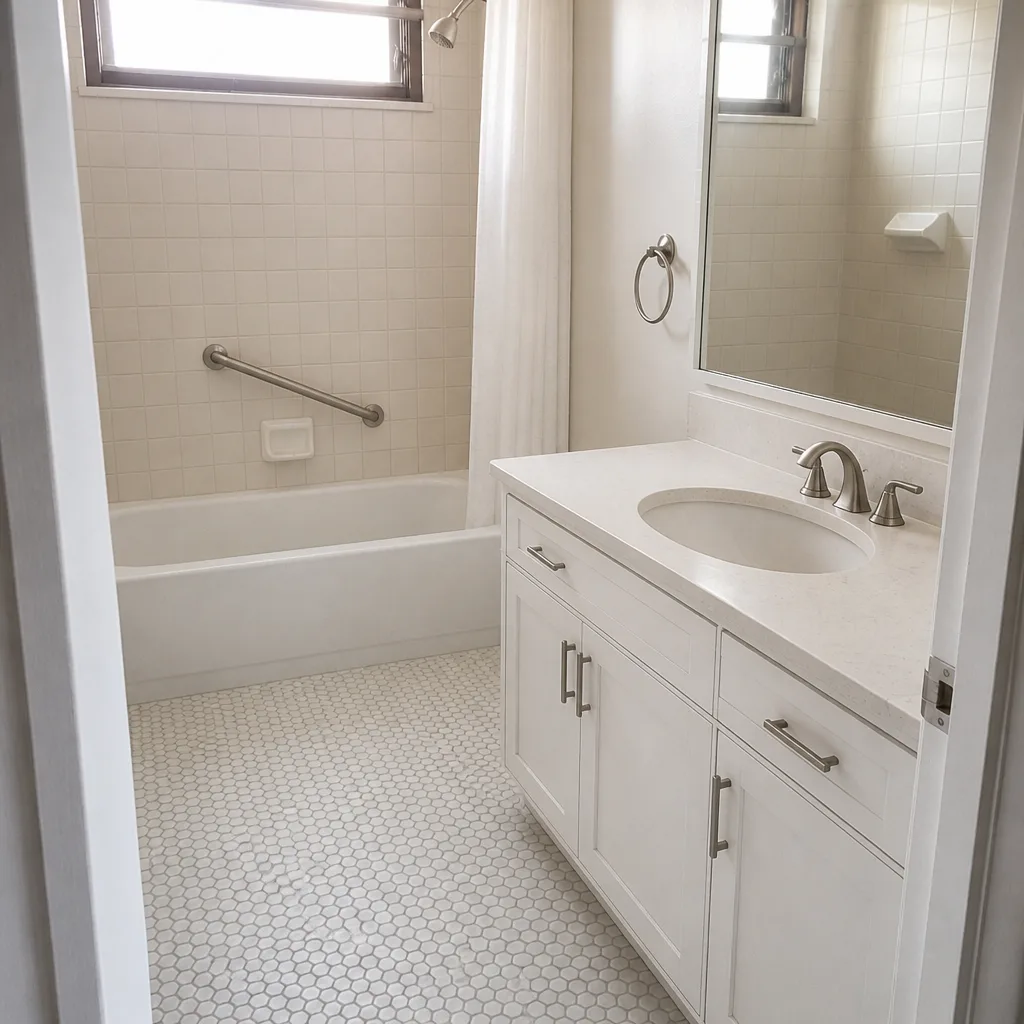
See the difference
 Before
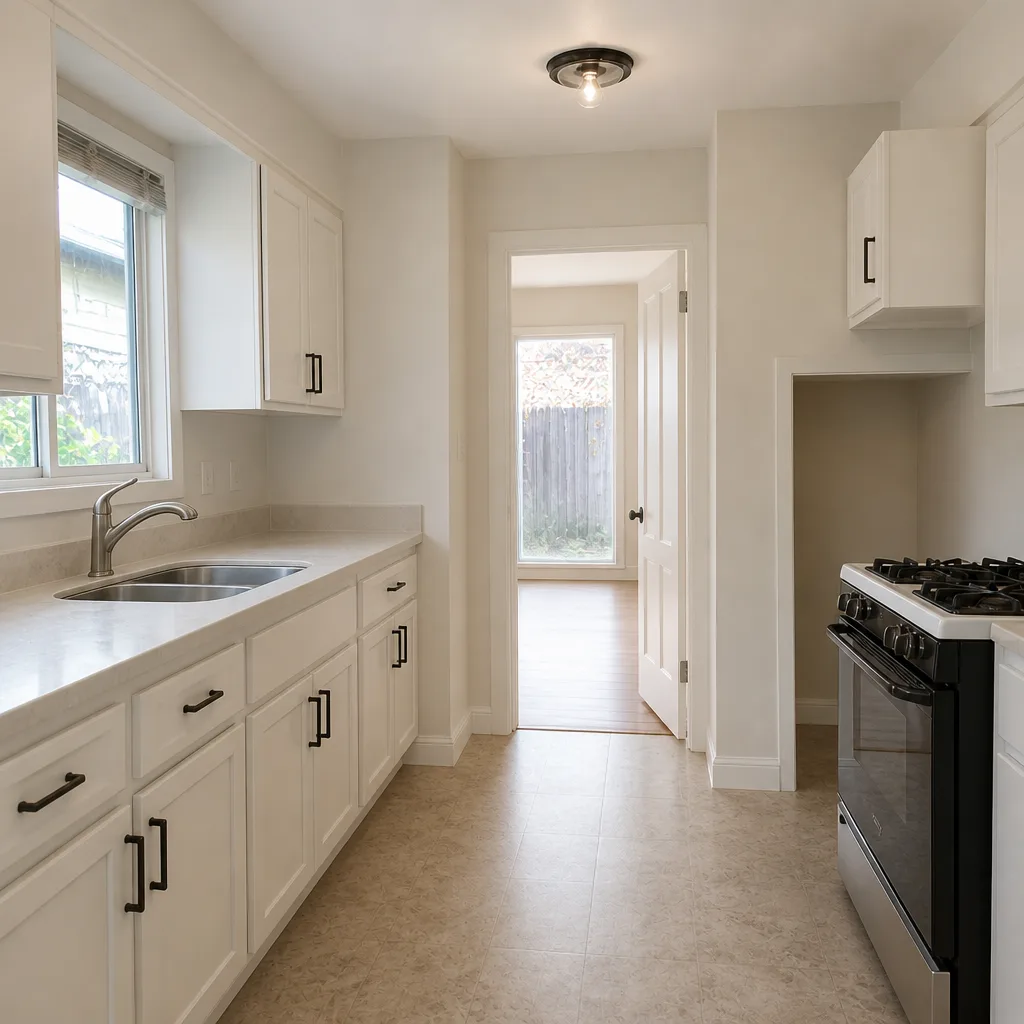 After
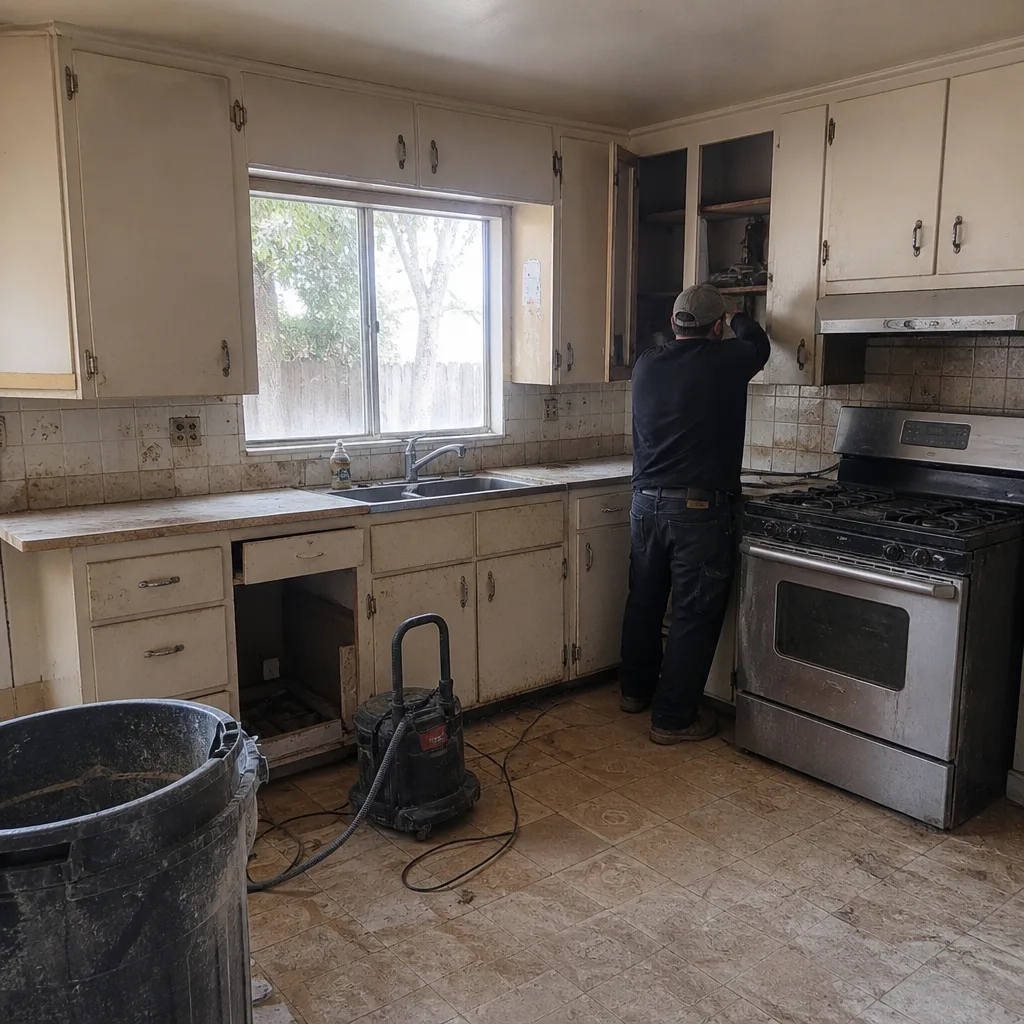 Before
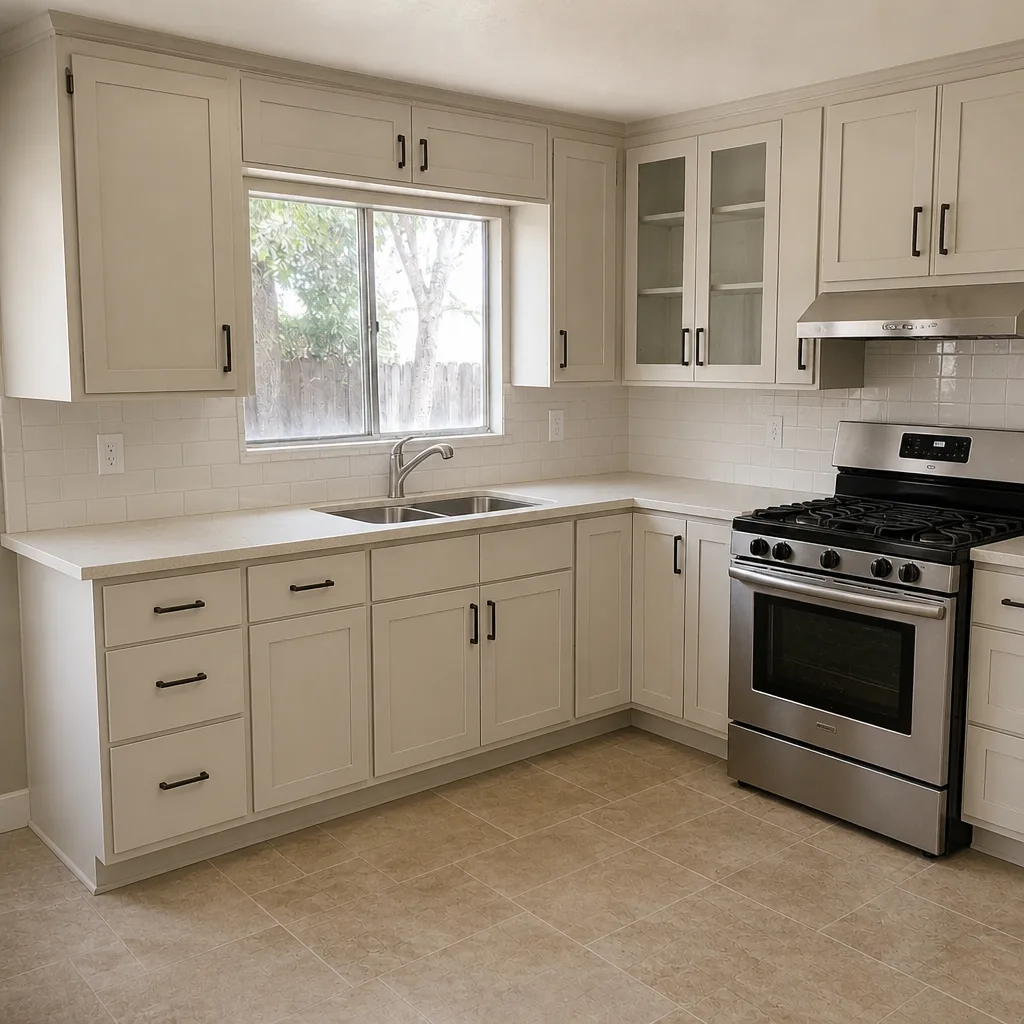 After
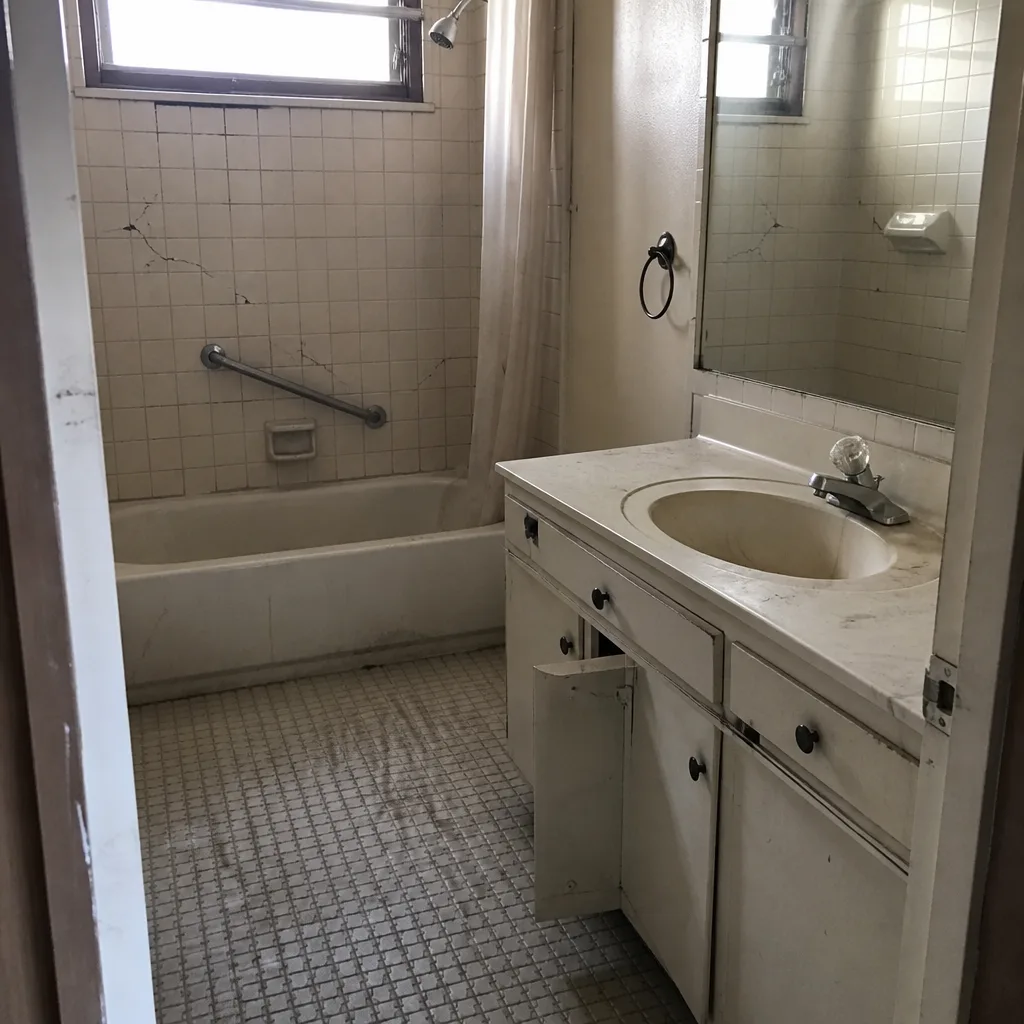 Before
 After
Frequently Asked Questions
Yes, if you’re doing it in your own home, with your own hands, for your own use – California’s owner-builder exemption under B&P Code §7048 allows it. But you still need a permit for anything that moves a drain or changes the plumbing layout, and the work still has to pass inspection. Doing it yourself and doing it legally are two separate questions, and both matter when you sell the house.
Not always. Cosmetic work – painting, tile on existing substrate, fixture swaps on existing rough-ins – typically doesn’t need a permit. Anything that moves a drain, adds an electrical circuit, relocates a fixture, or changes the shower pan does. Call San Jose’s permit office with your specific scope, or call us at (844) 320-5918 and we’ll walk you through it. A free second opinion on any written estimate you’ve already received is also available.
Yes, with one condition: on an existing, intact, properly waterproofed substrate, setting tile is legal and reasonable for a skilled homeowner. Moving the shower pan, changing the curb, or expanding the shower footprint is where the licensed trade and the permit kick in. The membrane behind the tile is where claims happen if it’s compromised.
You pay a re-inspection fee (usually $100 – $200 in San Jose), you’re delayed 1 – 3 weeks, and you redo the work that failed – which sometimes means pulling the finish that was installed over it. The delay itself is the biggest cost on a hybrid project, because scheduled trades sit idle. Call (844) 320-5918 for a free second opinion on any written estimate if you’re weighing whether to DIY or hire out.
It can, if the unpermitted work caused the damage being claimed. Moisture damage behind an unpermitted shower pan is the classic example. The claim gets denied because the work wasn’t permitted or inspected, and the homeowner eats the repair cost. That’s why a $200 permit and a licensed trade fee for the rough work is cheap insurance against a much bigger loss later.
Yes, and it’s often the smartest approach. A licensed contractor handles permits, rough trades, waterproofing, and inspection; you handle demo, tile on approved substrate, paint, hardware swaps, and finish. The key is getting the scope, allowances, and division of labor in writing before work starts. That’s the only thing keeping a hybrid project honest. Call (844) 320-5918 to talk through what a hybrid looks like for your bathroom.
The Bottom Line
In San Jose, the DIY-versus-pro question isn’t about your skill level. It’s about the California licensing exemption, the permit requirements, and where the insurance adjuster draws the line. Demo, paint, hardware swaps, and finish work are safely yours. Moving a drain, adding a circuit, and shifting the waterproofing boundary are licensed-trade work even when it feels like something you could figure out. The hybrid approach – licensed contractor on the rough trades, homeowner on the finish – gives you most of the cost savings without the liability, as long as the scope and allowances are on paper before work begins. When in doubt, call a licensed contractor and ask. It’s a free question and it might save you a very expensive surprise.
Related Guides
- Driveway & Pavers in San Jose – exterior projects that often pair well with a whole-home refresh
- Fence Installation in San Jose – another area where the DIY line is clearer than you might think
For a consultation on your San Jose bathroom remodel – hybrid or fully done-for-you – call Barrett & Sons Construction San Jose at (844) 320-5918. Free estimates, written change orders before any scope change, permits pulled and inspections signed, and a written 90-Day Done Right Promise backing every job.
Written by the team at Barrett & Sons Construction San Jose.