Last updated November 18, 2026



Free written scope consultation - allowances, timeline, and change-order rules on paper before a single trade is scheduled
DIY vs Professional Construction: The San Jose Homeowner’s Decision Guide
Resetting a single sunken paver is a Saturday afternoon job. Resetting a sunken paver without fixing why it sank is a job you’ll do again in 18 months, and the third time, you’ll be calling a contractor anyway. The same pattern shows up on fences, roofs, bathrooms, and additions all over San Jose. The real question isn’t whether you can swing a hammer. It’s what the mistake costs if you get it wrong. This guide maps common construction tasks to that risk calculation, so your decision is practical instead of ego-driven.
Quick Answer
In San Jose, the dividing line between DIY and professional is almost always the permit. Any project that requires a San Jose building permit is functionally off the DIY table unless you’re a licensed contractor, because unlicensed work won’t pass inspection and can’t be legally signed off. Finish work, minor repairs, and cosmetic upgrades are genuinely doable yourself. Structural work, grading, retaining walls, electrical, and anything touching a permit belong to a licensed crew.
Styles & brands we work with
- Kitchen remodeling
- Bathroom remodeling
- Home additions & ADU
- Roofing
- Windows & doors
- Driveway & pavers
- Fence
Table of Contents
- The Permit Trigger Test
- Honest Skill Assessment by Task
- The True Cost Comparison Nobody Runs
- Why San Jose HOAs Ask for Contractor Paperwork
- The Middle Path: Split the Work
- San Jose Climate and What It Does to DIY Jobs
- Common Mistakes to Avoid
- When to Call a Professional
The Permit Trigger Test
Before you buy a single 2×4, answer one question: does this project require a San Jose building permit? That answer does more to settle the DIY question than any skill self-assessment. The city’s permit rules are written for safety, and the moment a permit is triggered, the job needs a licensed contractor to pull it, do the work, and pass inspection.
Here’s the practical test we walk homeowners through. If the answer to any of these is yes, the project is professional territory:
- The work changes the footprint, roofline, or structural framing of the home
- You’re adding or moving a bathroom, kitchen, or any plumbing fixture
- You’re building a fence over a certain height, or any retaining wall above roughly knee-high
- You’re touching the electrical panel, adding circuits, or running new gas lines
- You’re adding a deck, an ADU, or a room that didn’t previously exist
- You’re re-roofing or replacing windows in a way that changes the opening
Resetting a paver, refilling joint sand, painting a fence, swapping a light fixture on an existing circuit, or replacing a toilet in kind: those usually don’t trigger a permit. The line is drawn at structural change and life-safety systems. Everything past that line needs a licensed contractor and an inspection, and that includes the homes in Almaden Valley, Evergreen, and Willow Glen where we’re on jobs every week. If you’re unsure whether your project crosses the line, start with our Barrett & Sons Construction San Jose home page and ask before you swing a hammer.
Honest Skill Assessment by Task
Most homeowners overestimate what they can do on the structural side and underestimate what they can do on the finish side. Here’s the honest split, based on what we see on San Jose job sites.
Genuinely DIY-friendly
- Refilling joint sand on a paver driveway or path
- Re-setting a single paver that’s popped loose while the base underneath is still sound
- Patching small drywall holes, painting, and trim work
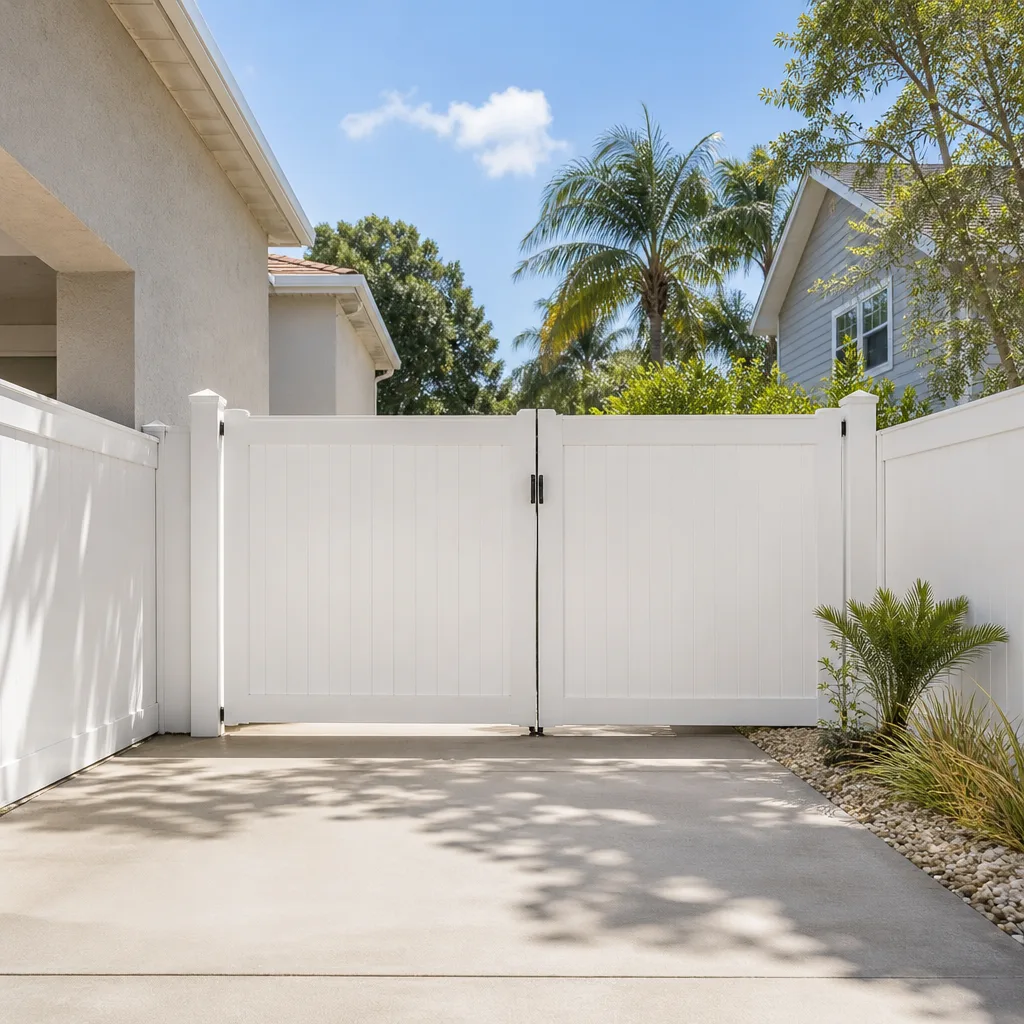
- Replacing a fence board or gate hardware
- Sealing a deck or staining a fence
- Swapping a faucet, showerhead, or toilet in kind (no plumbing moved)
Borderline, dependent on experience
- Hanging a new interior door in an existing opening
- Installing a pre-hung window into the same rough opening
- Laying a small paver patio on a properly compacted base
- Building a low garden wall under the permit threshold
Not a DIY job
- Any base repair, grading, or drainage correction on a driveway or patio
- Any retaining wall designed to hold back soil against a slope
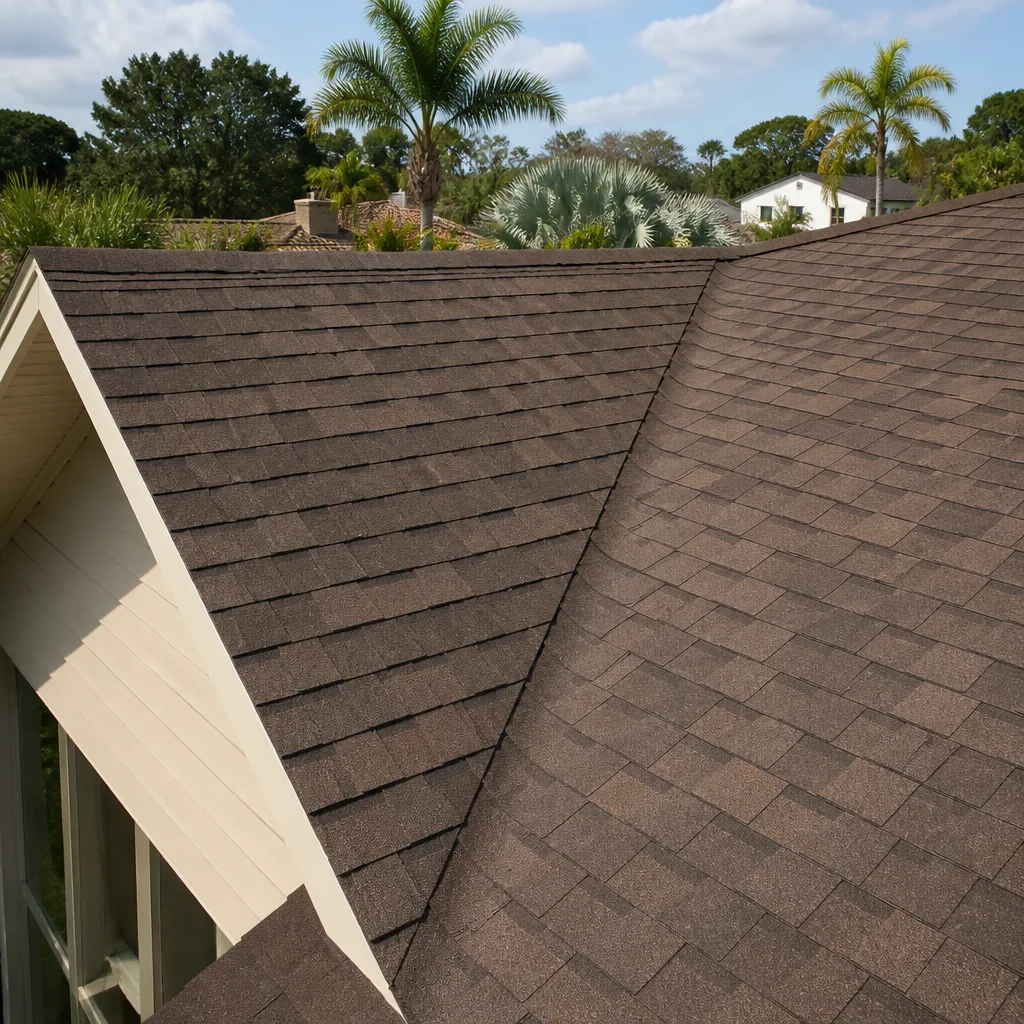
- Roof replacement, roof repair over a certain size, or any work at height on a steep pitch
- Electrical panel work, adding circuits, or anything touching the service entrance
- Gas line work of any kind
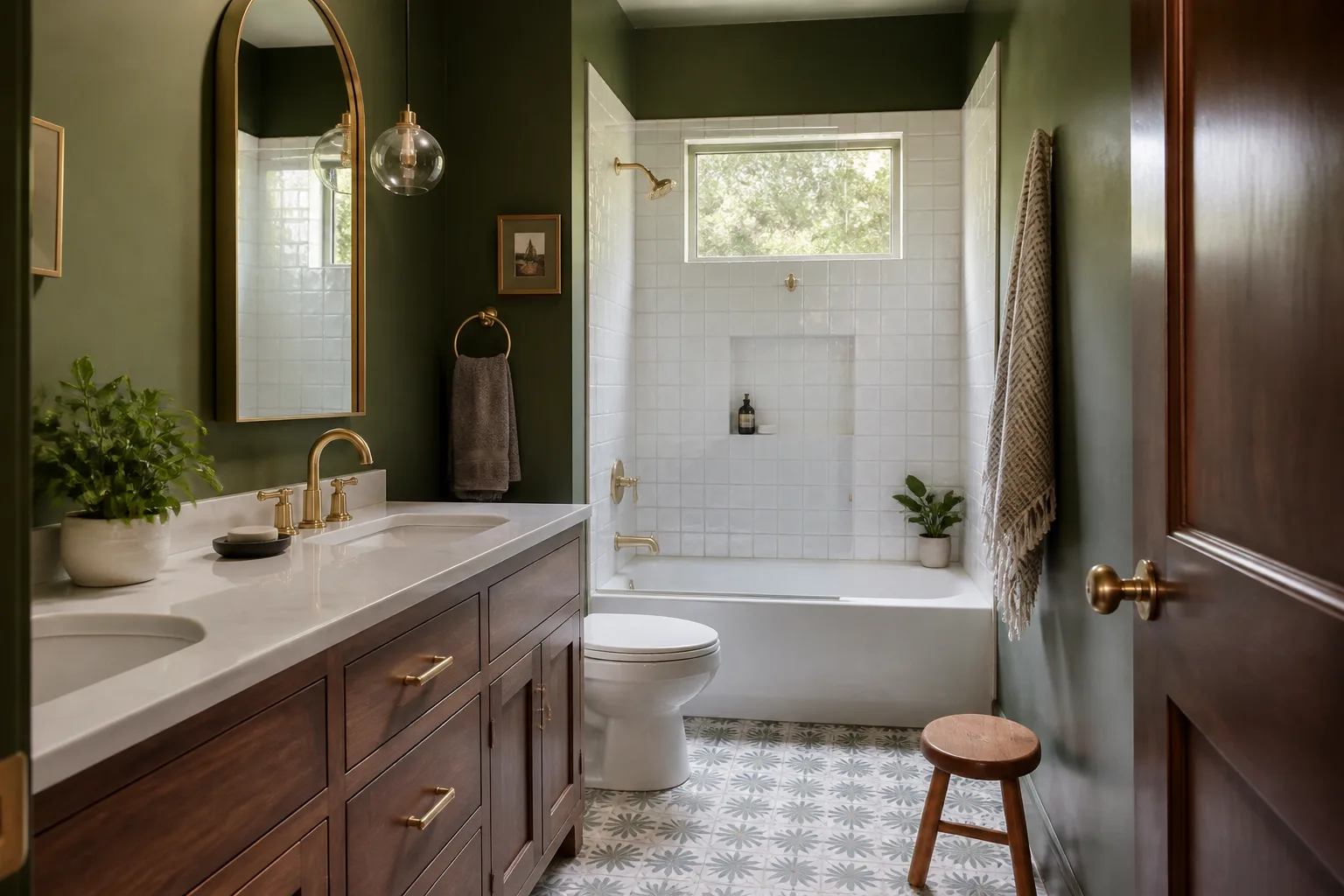
- Bathroom and kitchen remodels involving plumbing moves or structural changes
- Home additions, ADUs, and anything that changes square footage
The pattern is simple: base work, structural work, life-safety systems, and anything at height are professional territory. We’ve seen homeowners successfully handle a paver reset and then get hurt trying to fix a slope. Those are not the same job, even when they look like it from the driveway.
The True Cost Comparison Nobody Runs
The comparison you need isn’t “contractor quote vs. materials cost.” That math is wrong, and it’s why so many homeowners start a project and end up finishing it with a pro after spending more than the quote in the first place. The honest comparison looks like this:
- Materials: you’ll often pay retail; contractors buy at trade pricing on premium brands like CertainTeed, Owens Corning, and IKO roofing, and can pass along real material advantage
- Tool rental: a plate compactor, a wet saw, a tile saw, a dumpster, and a mixer add up to hundreds of dollars on a “small” project
- Your time: weekends, evenings, and the vacation days you burn at 2 pm waiting for a delivery truck
- The cost of one correction: if the base wasn’t compacted, if the slope was wrong, if the flashing wasn’t done right, a pro has to undo your work and redo it. That’s the line item that erases the “savings” every time.
- Home value at resale: permitted, inspected work holds value and shows up in the disclosure. Unpermitted work shows up too, and buyers negotiate it down.
In our experience on San Jose jobs, a driveway paver project that a homeowner starts themselves, discovers a failing base, and then hands to a pro often costs 20 to 30 percent more than if we’d been called first. The base is the expensive part. It’s also the part that isn’t visible from the surface, which is exactly why it gets skipped. Our Driveway & Pavers in San Jose page lays out how base prep is quoted so you can see the difference before you commit.
Why San Jose HOAs Ask for Contractor Paperwork
Here’s a wrinkle many San Jose homeowners only discover halfway through a DIY project: even work that doesn’t trigger a city permit can trigger an HOA requirement. Many of the associations across Evergreen, Silver Creek, Almaden, and the newer developments in North San Jose require proof of a licensed contractor, current insurance, and a written scope before they’ll approve exterior work like fence replacement, hardscape, paint color, or roof material.
The reason isn’t bureaucratic fussiness. HOAs are liable for the shared appearance and structural integrity of the community, and they know that a fence installed by an unlicensed handyman is a legal exposure for everyone. The permit inspector works for you, not for us. The HOA reviewer is the same deal: they want to know the work is going to be done to a standard, and a licensed contractor with insurance is the paper trail they trust.
If you’re in an HOA, do two things before you decide to DIY. First, pull the CC&Rs and read the architectural review section. Second, call the HOA office and ask specifically what documentation they require for the project you’re planning. It’s a five-minute call that saves a re-do. For fence work specifically, our Fence Installation in San Jose page covers the documentation we provide on every job.
The Middle Path: Split the Work
There’s a third option most homeowners never consider, and it’s often the smartest one. Hire a pro for the structural and base work, and do the finish work yourself. This is genuinely safe, genuinely cost-effective, and it’s how a lot of our San Jose customers handle their projects.
Here’s how the split typically looks:
- Pro does the base, the structure, and anything that requires a permit. For a paver driveway, that’s excavation, grading, compaction, and the base course. For a bathroom, that’s framing, plumbing rough-in, waterproofing, and tile substrate.
- Pro passes the inspection and hands over a signed, permitted job. You get the documentation for resale and for HOA records.
- You handle the finish work. Top-course paver setting, joint sand, painting, trim, fixtures, and landscaping around the finished area.
- You have a pro to call if a joint fails or a detail gets complicated. Because the same crew that did the base is the crew that can fix a small issue without re-excavating.
The split works best on driveways, patios, and bathroom remodels. It works poorly on roofs and additions, where the finish and structure are too intertwined to safely separate. We quote these hybrid jobs regularly. If you want to talk through whether a split makes sense for your project, that’s a free conversation.
San Jose Climate and What It Does to DIY Jobs
San Jose’s climate is kind to homeowners in some ways and unforgiving in others, and it shapes which DIY jobs actually hold up. Our dry summers and wet winters mean expansive clay soils in much of the valley and hillside areas, and that soil movement is the number one reason DIY hardscape fails in San Jose.
What we see on San Jose jobs:
- Winter rain finds every grading mistake. A paver driveway graded a fraction of an inch wrong will pool water and undermine the base within one wet season.
- Clay soil moves. In areas like Almaden and the eastern foothills, soil expansion and contraction cracks un-reinforced retaining walls and shifts poorly compacted pavers.
- Summer sun bakes finish work fast. Paint, stain, and joint sand applied in July heat without the right technique will fail within a season or two. We schedule finish work for early morning on most San Jose jobs for exactly this reason.
- Our wet season is short and concentrated. A winter repair window is narrow, which means the cost of getting a roof or fence wrong in October gets paid in January.
Knowing your soil and your drainage is half the job on any exterior project in San Jose. If you’re on a slope or in an area with a history of settling, that changes the calculation. A pro will walk the site and tell you what the ground is doing before quoting a fix.
Common Mistakes to Avoid
- Skipping the permit because it “seems small.” A permitted job is a job that passes inspection and holds value at resale. Unpermitted work in San Jose shows up in the disclosure, and buyers price it in.
- Re-setting a paver without fixing the base. The paver didn’t sink on its own; the base under it failed. Resetting it without correcting the base is a job you’ll do again, and the third time, it costs more than calling a pro would have.
- Buying retail materials when a pro quote is on the table. On the brands that matter for durability (CertainTeed, Owens Corning, and IKO roofing, for example), the pro’s material pricing often closes the gap between your DIY budget and the pro quote.
- Starting exterior work in the wrong season. San Jose summers dry out fresh concrete and bake finish work. Our wet winters expose every grading mistake. Time the project to the season, not the weekend.
- Skipping the HOA conversation until after the work starts. A fence or hardscape project that isn’t approved by the HOA can be required to come down, which is a cost no homeowner wants to pay twice.
- Assuming “licensed” means the same thing on every bid. Ask for the license number and look it up. We publish ours, and we tell every customer to verify it before signing anything.
- Doing structural work under the assumption that “it’s just a small wall.” Retaining walls fail in ways that damage foundations and neighbors’ property. There’s no small version of a wall holding back soil.
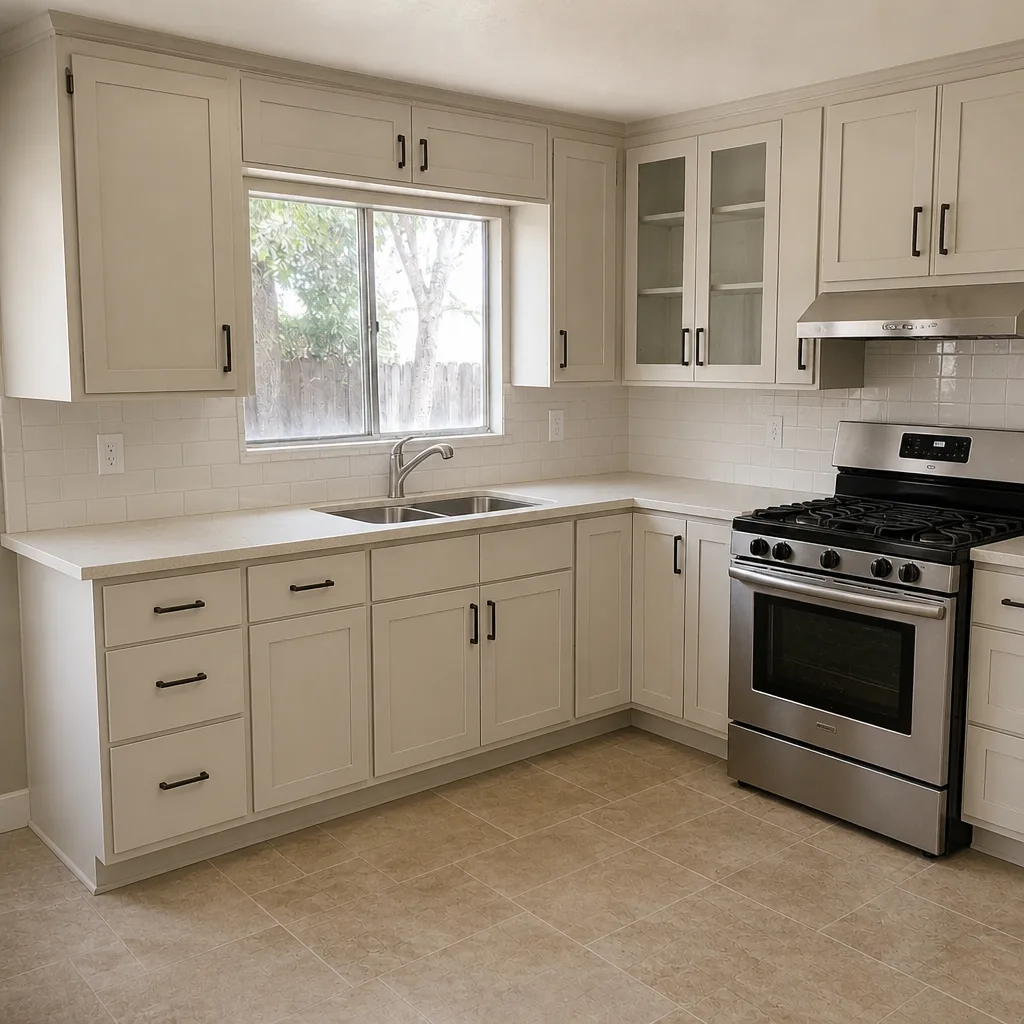
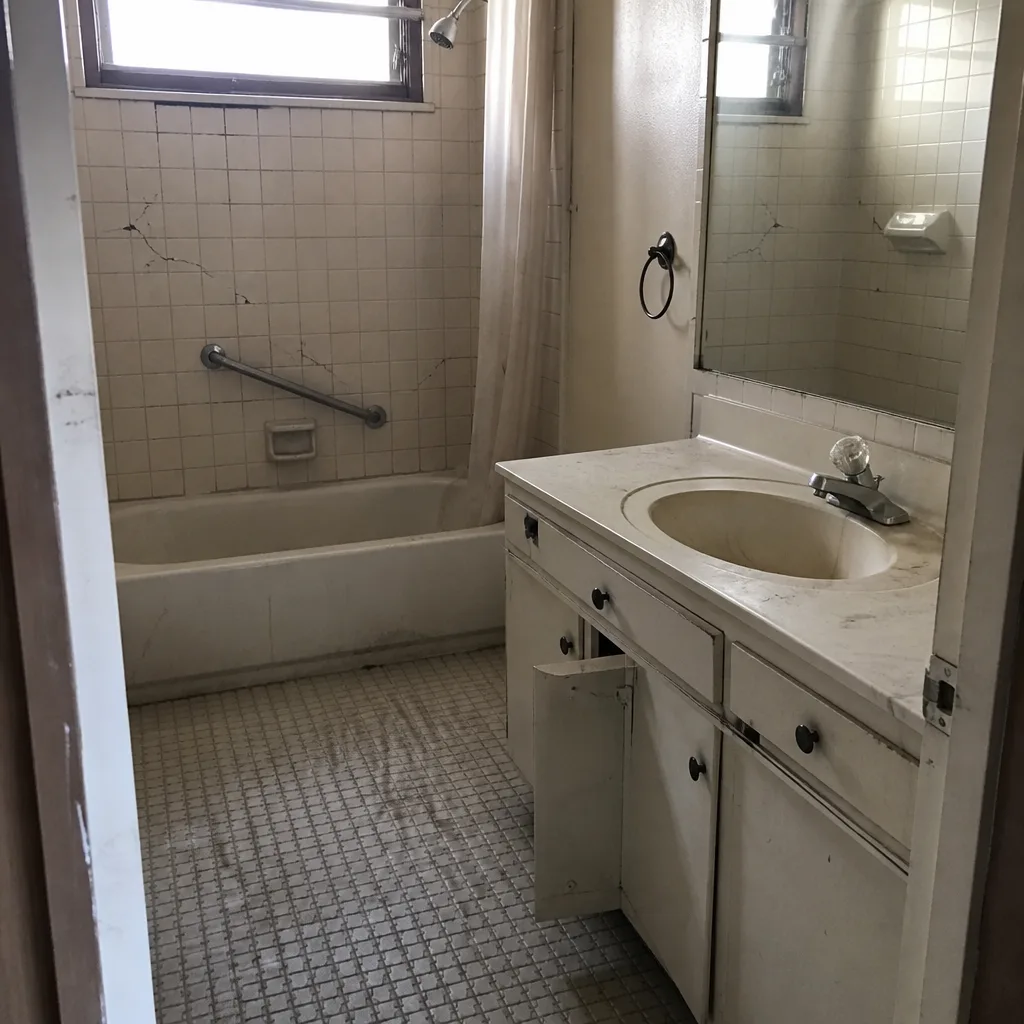
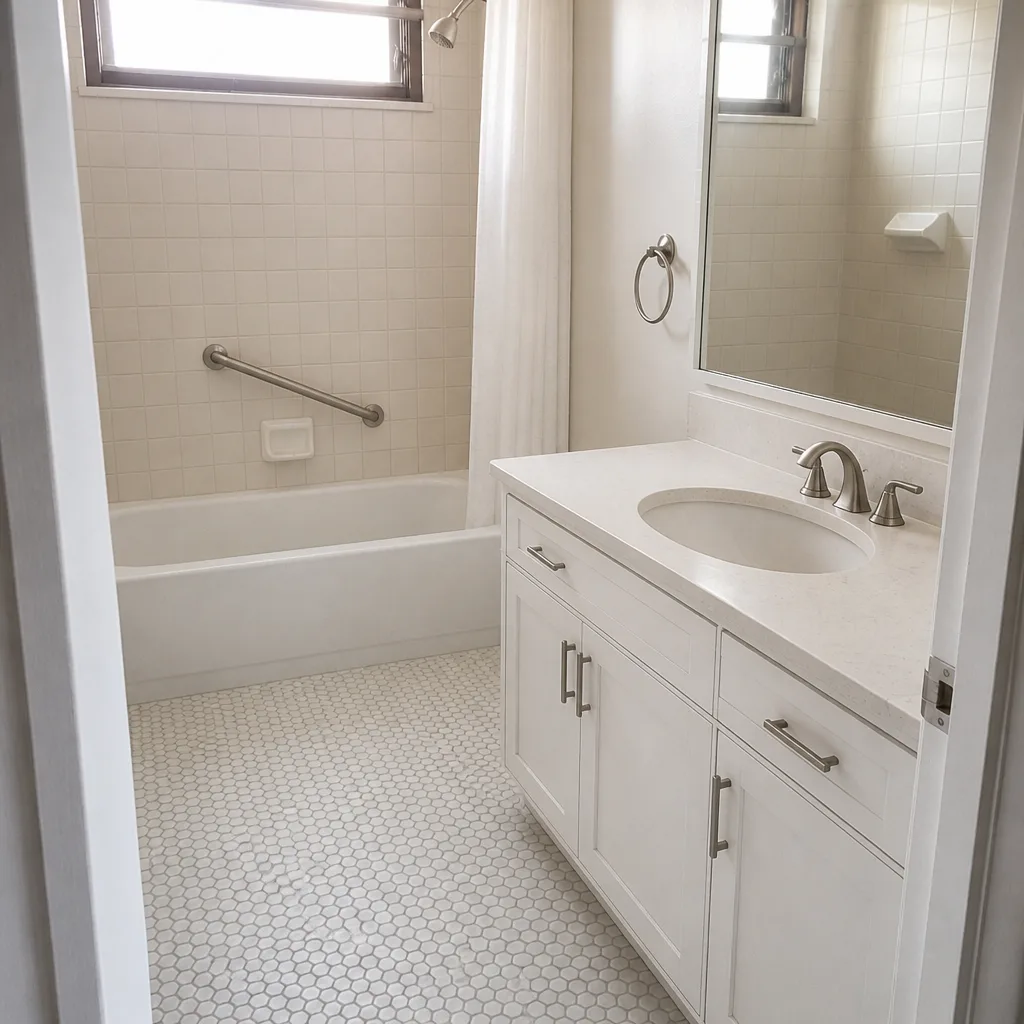
See the difference
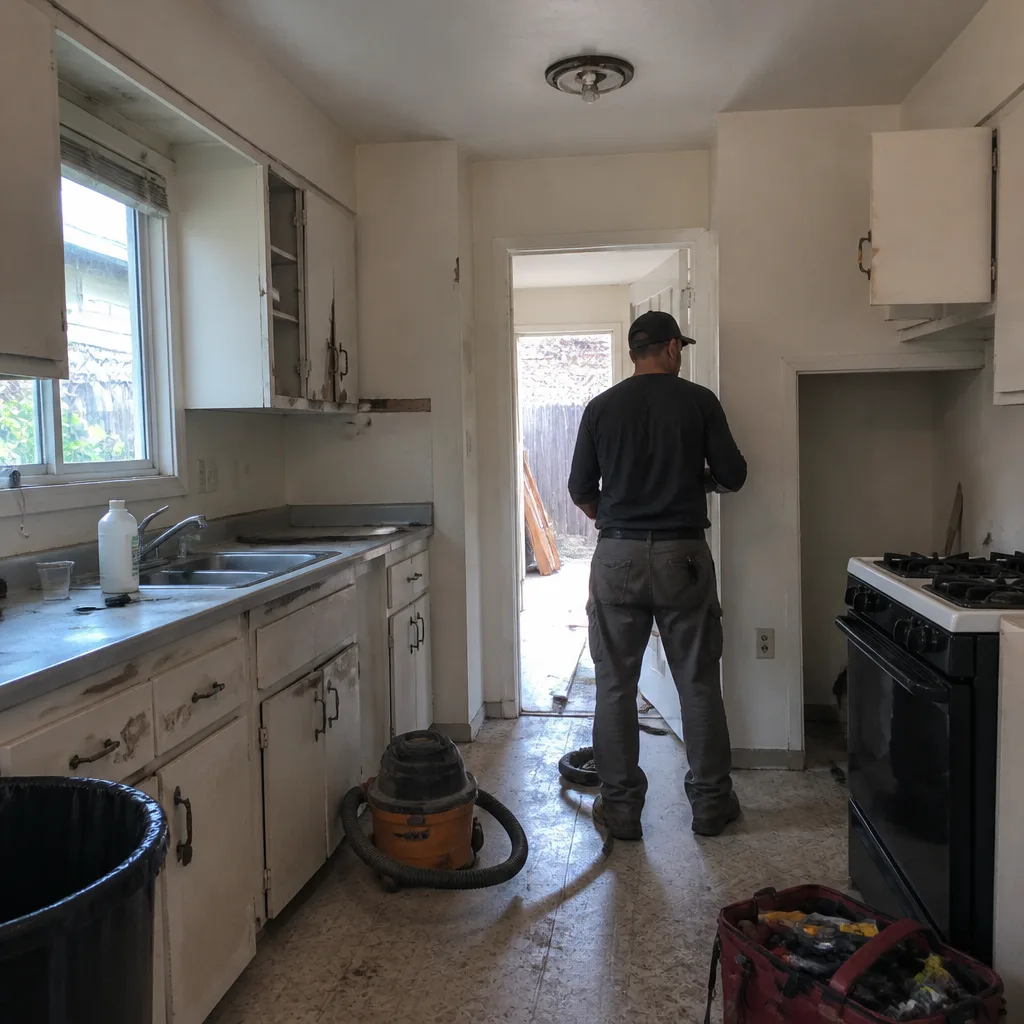 Before
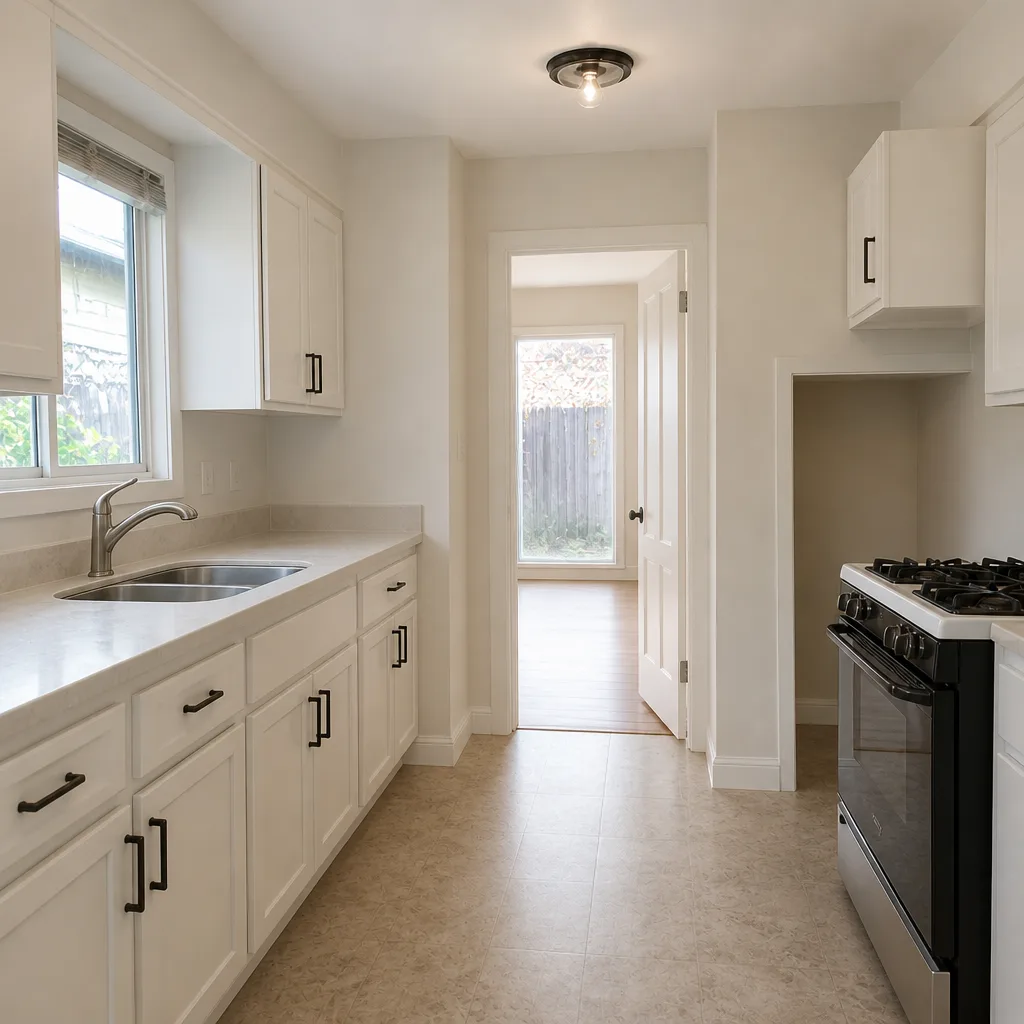 After
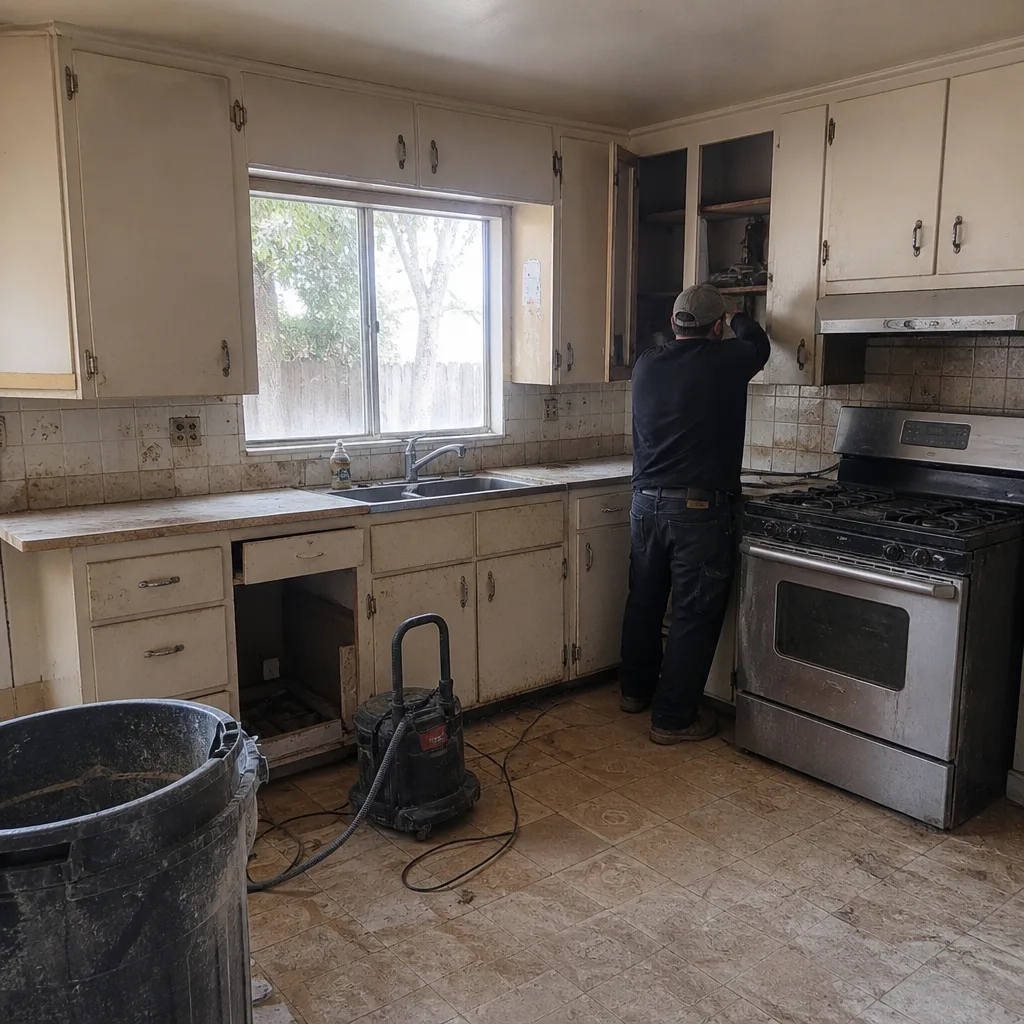 Before
 After
 Before
 After
When to Call a Professional
Call a pro when the work is structural, when it touches electrical or gas, when it requires a permit, when it’s at height on a steep roof, or when the base underneath your visible surface is in question. Call a pro when you’re on a slope, when the HOA requires documentation, and when the project is part of a bigger renovation you’re going to want documentation for at resale. Call a pro when the mistake cost, if you get it wrong, exceeds the cost of the call. That’s most projects, honestly. Barrett & Sons Construction San Jose offers free estimates in San Jose, with every scope, allowance, and price change in writing before work moves. Call (844) 320-5918 to schedule yours.
Frequently Asked Questions
Only if the work doesn’t require a permit. Anything structural, anything touching electrical, gas, or plumbing moves, and anything that changes the footprint or roofline requires a San Jose building permit, which means a licensed contractor. Minor repairs, cosmetic work, and finish work usually don’t. When in doubt, the permit office is the fastest way to get a straight answer. Call (844) 320-5918 for a free estimate if you’re unsure whether your project crosses the line.
DIY paver materials plus tool rental often land in the $4 to $8 per square foot range for a straightforward job, and a professionally installed paver driveway in San Jose typically runs $12 to $22 per square foot depending on base conditions, paver choice, and site access. The gap narrows fast when the base has to be corrected mid-project. Call (844) 320-5918 for an exact quote on your driveway, and the estimate is free.
Many San Jose HOAs will, especially in the Evergreen, Silver Creek, and Almaden communities. They typically ask for a licensed contractor’s proof of insurance and a written scope before approving exterior work. Read your CC&Rs, and call your HOA office before you commit to a DIY plan.
Skipping the base. Homeowners see a paver or a retaining wall face and assume that’s the work. The work is the soil underneath. In our experience, a base correction done after a failed DIY project costs more than doing it right the first time. Call (844) 320-5918 for a free second opinion on any written estimate you’ve already received.
Yes, if it’s holding back soil against a slope. Retaining walls above roughly knee-height typically require a permit and an engineered design in San Jose, and a failed wall can damage your foundation and your neighbor’s property. This is not a project to guess on. Our Home Additions & ADU in San Jose page covers how we handle structural and grade work on larger projects.
Permit review alone usually runs several weeks, and the construction timeline depends on scope. A bathroom remodel is a few weeks; a home addition is a season or more. What you can count on with us is a written scope and a written schedule before the first nail. Call (844) 320-5918 and we’ll walk through the timeline for your specific project.
The Bottom Line
The DIY-or-hire question isn’t about whether you’re handy enough. It’s about what a mistake costs. If a project triggers a San Jose permit, needs a licensed contractor to pass inspection, or involves the base, the structure, or a life-safety system, the answer is a professional. If it’s finish work, cosmetic repair, or a small reset while the base is still sound, the answer is you, and we’ll cheer you on. Everything in between is a conversation about the cost of the mistake, not the cost of the quote. And when the answer is a pro, get it in writing: scope, allowances, and change orders, all before work starts.
Ready to price a project the right way? Call (844) 320-5918 for a free estimate from Barrett & Sons Construction San Jose. We’ll look at the job, walk you through what the base and structure actually need, and put it in writing so you can compare it against the DIY math honestly.
Written by the team at Barrett & Sons Construction San Jose.