Last updated November 18, 2026
Free written scope consultation - allowances, timeline, and change-order rules on paper before a single trade is scheduled
DIY vs Professional Fence Installation: What’s Safe to Do Yourself
A motivated homeowner can build a solid wood fence. What they can’t undo without an attorney is building that fence on their neighbor’s property – and the survey they skipped to save $400 can cost $4,000 to resolve once a fence is set in concrete. That’s the real split in the DIY-versus-pro question. It isn’t about whether you can swing a hammer or mix concrete. It’s about the paperwork that has to happen before the first post goes in the ground.
This guide walks through which fence types are genuinely doable yourself, which ones demand tools and know-how most people don’t have, and the exact property line and permit steps you must finish in San Jose before you dig. You’ll get an honest tool list, the spots where first-timers lose money, and the point where calling a crew mid-project actually makes sense.
Quick Answer
Standard wood panel fences and pre-fabricated vinyl fences are the two types most homeowners can install themselves if they verify the property line and pull the permit first. Concrete block, tall fences on sloped lots, and automated gates need specialized tools or structural engineering and are not good DIY projects. If you skip the property line verification or the permit, the project stops being safe regardless of your skill.
Styles & brands we work with
- Kitchen remodeling
- Bathroom remodeling
- Home additions & ADU
- Roofing
- Windows & doors
- Driveway & pavers
- Fence
Table of Contents
- Why the Property Line Comes Before Any Fence Decision
- The San Jose Permit Check You Can Do Yourself
- Which Fence Types Are Genuinely DIY-Friendly
- Which Fences Need a Trained Crew
- Tools and Skill: An Honest Assessment
- Where First-Time Builders Make Costly Mistakes
- The Neighbor Agreement: California’s Good Neighbor Fence Rules
- Starting DIY and Calling a Pro Mid-Project
Why the Property Line Comes Before Any Fence Decision
Before you think about lumber or post spacing, you need to know exactly where your property ends. In San Jose, lots in older neighborhoods like Willow Glen and Naglee Park frequently have fences that sit a foot or more onto a neighbor’s side – shifts that happened over decades of patchwork repairs. Build a new fence on that same drifted line and you’ve built a permanent encroachment. Fixing it later means survey costs, potential legal fees, and a fence you may have to tear down.
Here’s the order of operations:
- Find your plat map or deed. Your county recorder has the legal description of your lot. It tells you the dimensions but not where the physical markers are.
- Look for existing survey stakes or monuments. Iron pins, concrete monuments, or marked pipes at the corners. If you find them and they match the deed, you may be able to proceed without paying for a new survey.
- Hire a licensed land surveyor if the corners are missing or unclear. A boundary survey in San Jose typically runs a few hundred to a couple thousand dollars depending on lot size and terrain. That cost is small against the cost of rebuilding a fence on the wrong line.
- Talk to your neighbor before the stakes go in. Show them the survey. A five-minute conversation over the back fence saves months of friction.
This step is where we see the most avoidable trouble in San Jose. The survey is the cheapest insurance in the whole project. Skip it and you’re gambling the cost of the fence against the cost of an attorney.
The San Jose Permit Check You Can Do Yourself
In San Jose, most fences up to 6 feet tall don’t require a building permit, but that’s not the same as “no rules.” Height limits, setback requirements at intersections, and restrictions on corner lots all apply. The San Jose Department of Planning, Building, and Code Enforcement publishes the current fence and wall requirements, and you can check them yourself online or by phone before you order materials.
What you need to confirm:
- Height limit. Six feet is the common cap for a rear or side yard fence, but front yard fences often max out at 3 or 4 feet. Corner lots have separate sight-distance rules.
- HOA rules. If you’re in a San Jose neighborhood with a homeowners association, their fence rules often run stricter than the city’s – approved materials, colors, and height.
- Utility easements. Call 811 before you dig, and check your deed for easements. Digging a post hole through a gas or water line is a different kind of expensive.
- Pool and safety barriers. If the fence borders a pool, California’s pool safety requirements apply and may change what you’re allowed to build.
When we pull permits for fence work in San Jose, we do it because the permit inspector works for the homeowner, not for us. That inspection is a free check on the fence line, height, and construction. Do the same check yourself before you build and you get the same protection.
Which Fence Types Are Genuinely DIY-Friendly
Two fence types land squarely in the do-it-yourself column for a reasonably handy homeowner with a helper and a weekend or two.
Standard wood panel fencing
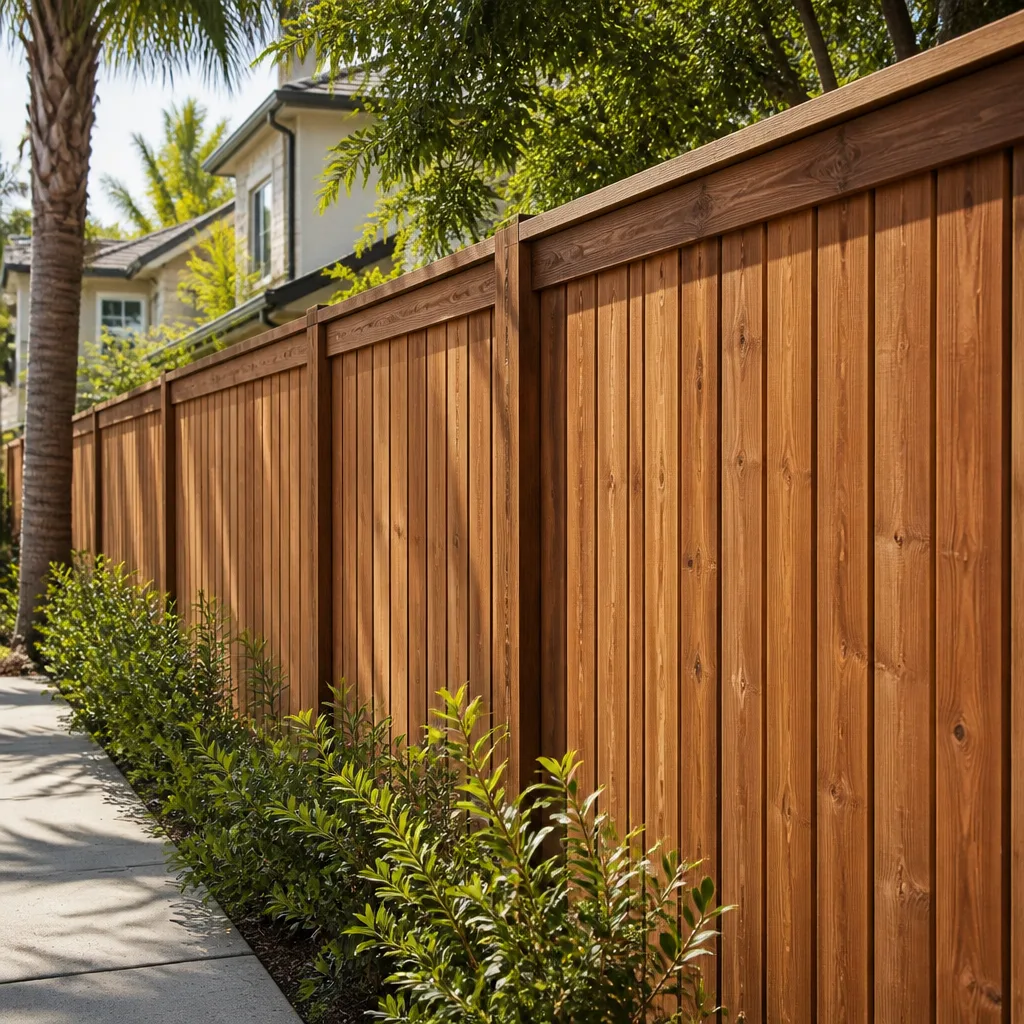
A basic dog-eared or flat-top cedar or pressure-treated pine fence, up to 6 feet tall on flat or gently sloped ground, is the classic DIY project. The materials are widely available at San Jose lumber yards, the tools are straightforward, and the construction method – posts set in concrete, rails attached, pickets nailed or screwed on – hasn’t changed in a hundred years. A 100-foot run of standard wood fence in San Jose typically runs somewhere in the $3,000 to $6,000 range for materials alone depending on wood species and height. Contractors usually quote installation in the $25 to $50 per linear foot range, materials included.
Pre-fabricated vinyl panel fencing
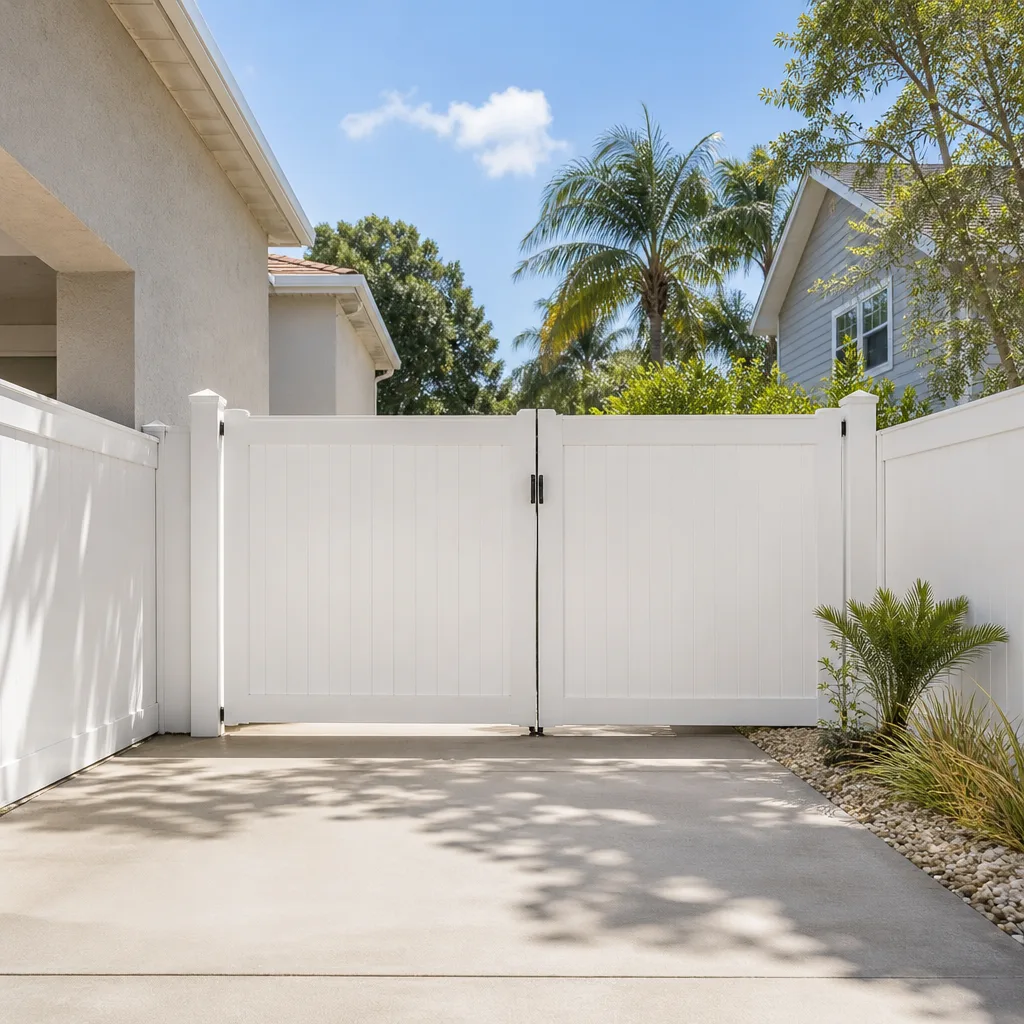
Modern vinyl fence systems snap together with interlocking panels and posts, and many are designed for homeowner installation. They’re clean, low-maintenance, and well-suited to the San Jose climate where sun and dry summers break down wood faster than in wetter regions. The main catch is post hole depth and plumb – vinyl panels are unforgiving if the posts aren’t set straight and at the right depth.
Honest caveat: even the “easy” fences require accurate post spacing, proper hole depth, and correct concrete mixing. Those three skills are where first-timers struggle, and we cover them in the tools and mistakes sections below.
Which Fences Need a Trained Crew
Some fences are not DIY projects no matter how handy you are. These are the ones where bad work becomes unsafe work, or where a small error means a very large bill.
- Concrete block and masonry walls. Structural masonry needs footing design, reinforcement, and often engineering sign-off. A wall that fails can injure someone. Not a homeowner project.
- Tall fences on steep or sloped lots. San Jose has plenty of hillside properties in Almaden Valley, the east foothills, and the Santa Teresa area. Stepped or racked fence lines on grade need real layout skill and heavier post engineering.
- Automated driveway and security gates. Electrical, motor, safety sensor, and code compliance all come into play. Electric gate work requires licensed trades and permits.
- Fences retaining soil. A fence that holds back earth is a retaining wall in disguise and falls under structural rules, not fence rules.
- Overhead or high-wind-exposed installations. Privacy screens and tall slat fences on exposed ridge lots need wind-load calculations a novice can’t safely make.
When our crew members install this kind of fence in San Jose, they’re building to engineering specs and pulling permits so an inspector signs off. That’s not a knock on any homeowner – it’s the reason the rules exist.
Tools and Skill: An Honest Assessment
Here’s the honest tool and skill checklist for a standard wood or vinyl fence. If you’re renting or buying most of this for the first time, you should also budget the rental cost against the project; tool rental for a full fence install often runs $300 to $800 for the weekend.
Tools you’ll need to own or rent:
- Post hole digger or two-person auger (renting an auger is worth it for more than 10 posts)
- Level (4-foot or longer) and a string line
- Circular saw and a miter or chop saw for clean rail and picket cuts
- Impact driver or framing nailer
- Wheelbarrow and hoe for mixing concrete, or a small portable mixer
- Tape measure, marking paint, stakes, and a digging bar for San Jose’s rockier soils
- Safety glasses, gloves, and a respirator if you’re cutting composite or treated material
Skill checkpoints where amateurs struggle most:
- Post hole depth. A common rule of thumb is one-third of the post’s above-ground height below grade, plus 6 inches of gravel at the bottom. Shallow holes cause frost heave in cold climates and shifting in San Jose’s expansive clay soils.
- Level and plumb. A post that’s 1/8 inch off plumb at the base is a visible lean by the top of a 6-foot post. String lines and a long level are non-negotiable.
- Concrete mix ratio. Fast-setting post concrete is forgiving and the right call for most homeowners. Mixing your own from bags and getting the water ratio wrong weakens the set.
- Post spacing. Consistent 6- or 8-foot spacing keeps rails and panels from being cut to odd lengths. Measure from center to center, not edge to edge.
If you’re comfortable with those four checkpoints, you can build a straight, solid fence. If any one of them feels uncertain, that’s your signal to call in help.
Where First-Time Builders Make Costly Mistakes
- Digging before the survey. We’ve seen San Jose homeowners build a beautiful fence a foot onto a neighbor’s lot and pay for it twice – once to build, once to tear down and rebuild on the line.
- Skipping the 811 call. Every utility strike in San Jose we’ve heard of started with “I thought I knew where the lines were.” Call before you dig; it’s free and it’s fast.
- Setting posts too shallow. A fence that leans after two summers can be traced back to 18-inch holes. Go deeper than feels necessary.
- Choosing wood species by price alone. Cheap pine in a San Jose backyard will cup and check within a few years. Cedar or a treated species holds up; a slightly higher material cost saves a rebuild.
- Ignoring HOA rules until the fence is up. A code-compliant fence can still violate an HOA’s material or color requirements, and HOA disputes move faster than city ones.
- No written neighbor agreement. Verbal arrangements about shared cost or maintenance tend to dissolve the moment something goes wrong.
- Skipping the permit on a borderline project. If the fence is 6’1″ and the limit is 6’0″, a neighbor complaint becomes a code enforcement visit. Check the numbers first.
The Neighbor Agreement: California’s Good Neighbor Fence Rules
California’s “good neighbor fence” convention is common in San Jose – the fence is built on or near the property line, both sides are finished, and both neighbors share the visual benefit. But here’s the legal distinction most homeowners miss: a fence placed on the property line is jointly owned under California law, while a fence set back entirely on your own property is your responsibility alone. The difference matters for cost-sharing, maintenance, and what happens if the fence fails or gets damaged.
Before you build a shared fence in San Jose, put the agreement in writing:
- Where the fence line falls relative to the surveyed property line
- Who pays for what – materials, installation, demolition of the old fence
- What height, material, and style both sides accept
- Who’s responsible for future repairs
- The date the agreement takes effect
California also has specific rules about “spite fences” – fences built unreasonably high or maliciously to annoy a neighbor – and about what happens if a neighbor refuses to share cost on a boundary fence. An attorney can walk you through the specifics for your situation, but a simple written agreement between reasonable neighbors covers most cases and costs nothing.
We build plenty of good neighbor fences in San Jose. In our experience, the written agreement matters more than the fence design. Neighbors who put the deal on paper stay neighbors.
Starting DIY and Calling a Pro Mid-Project
Starting yourself and calling a crew to finish is a legitimate strategy – but only if you stop at the right point. Call too late and a contractor inherits a mess that costs more to fix than to start fresh.
What a contractor can take over cleanly:
- A fully surveyed and permitted project where posts are set correctly in concrete and checked for plumb
- Materials already on site – assuming they match the spec the crew will build to
- Finished demolition of an old fence with debris hauled away
- A half-installed wood fence where the line is straight and post spacing is consistent
What creates more work than a fresh start:
- Posts that are out of plumb or set at wrong depths (they have to come out)
- Fence lines that don’t match the surveyed property line
- Wrong concrete mix or fast-set that hasn’t cured correctly
- Mismatched materials that can’t be sourced again to match
- Fences built over utilities or without permits
If you reach a stopping point, call before the problem compounds. A free second opinion on your written scope and layout is a conversation, not a commitment. That call is far cheaper than tearing out a fence line that drifted six inches.
See the difference
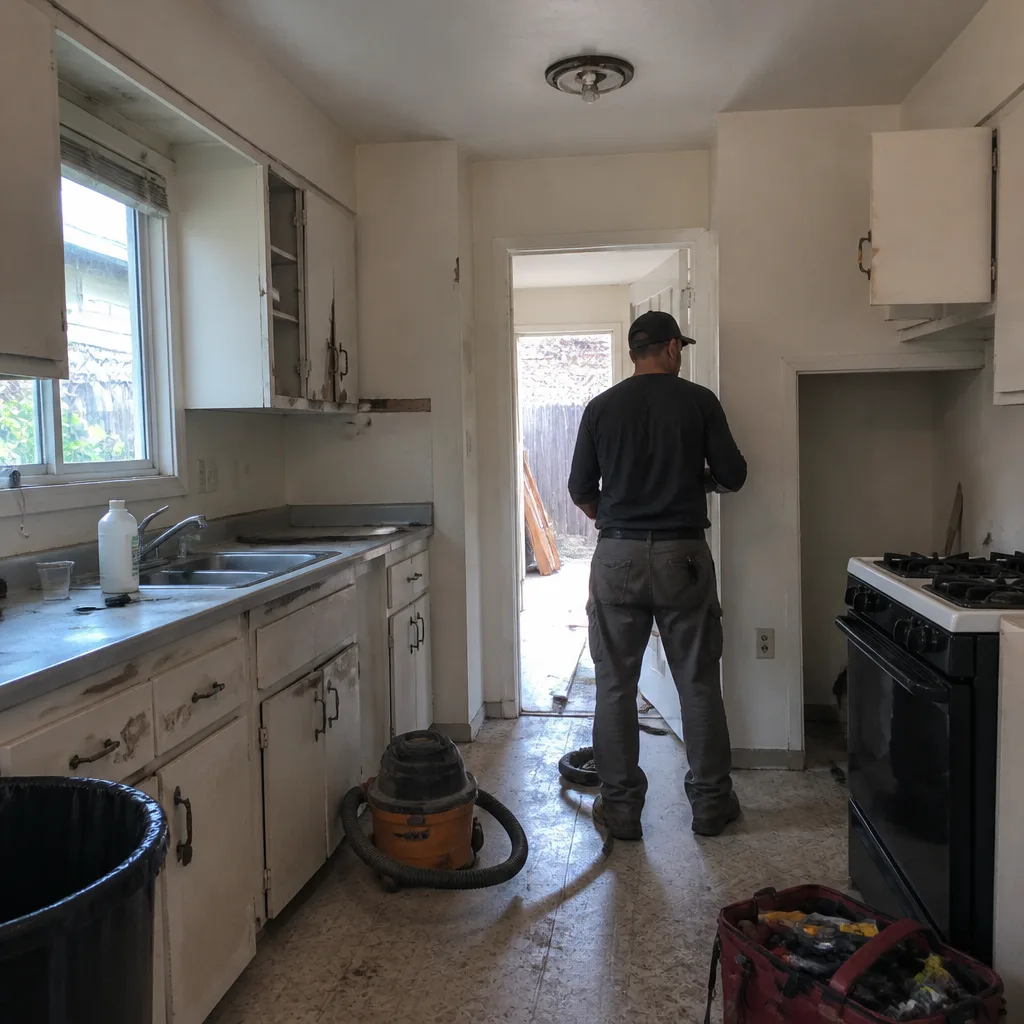 Before
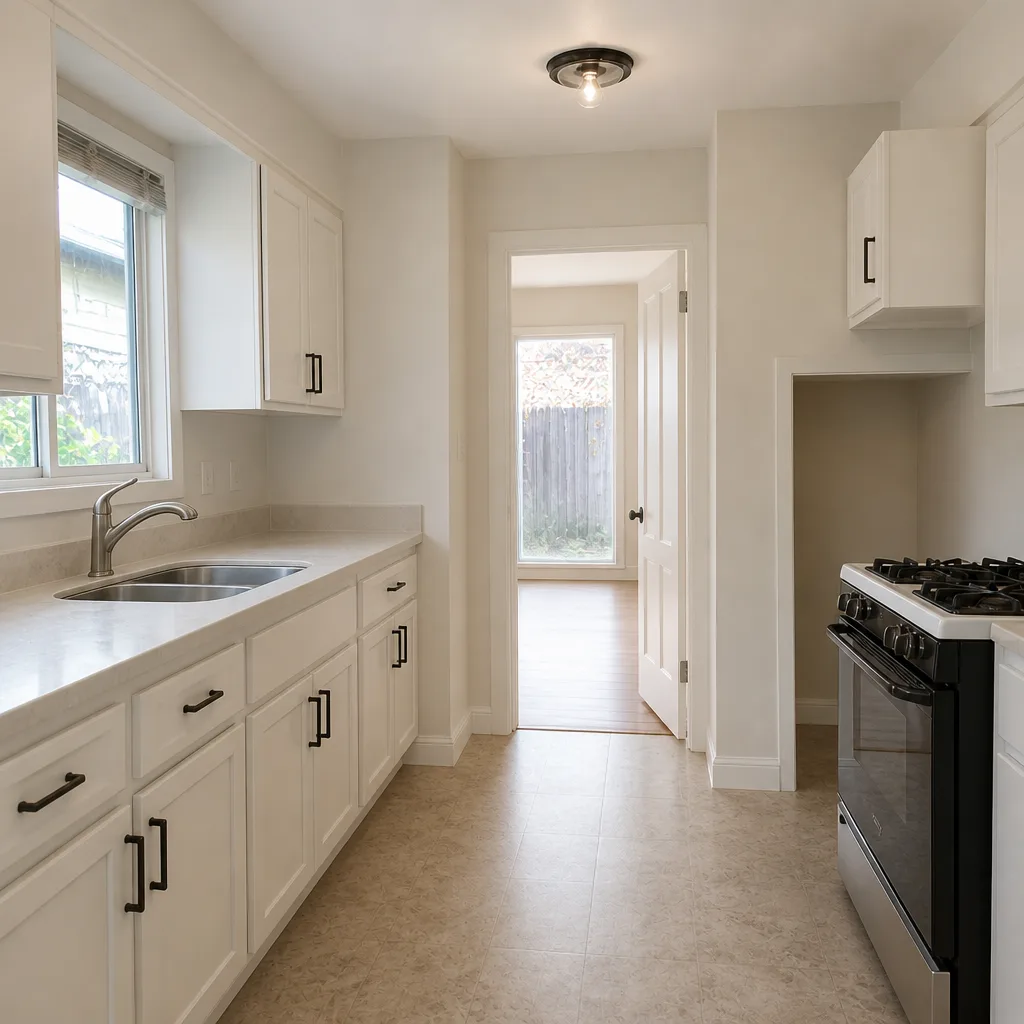 After
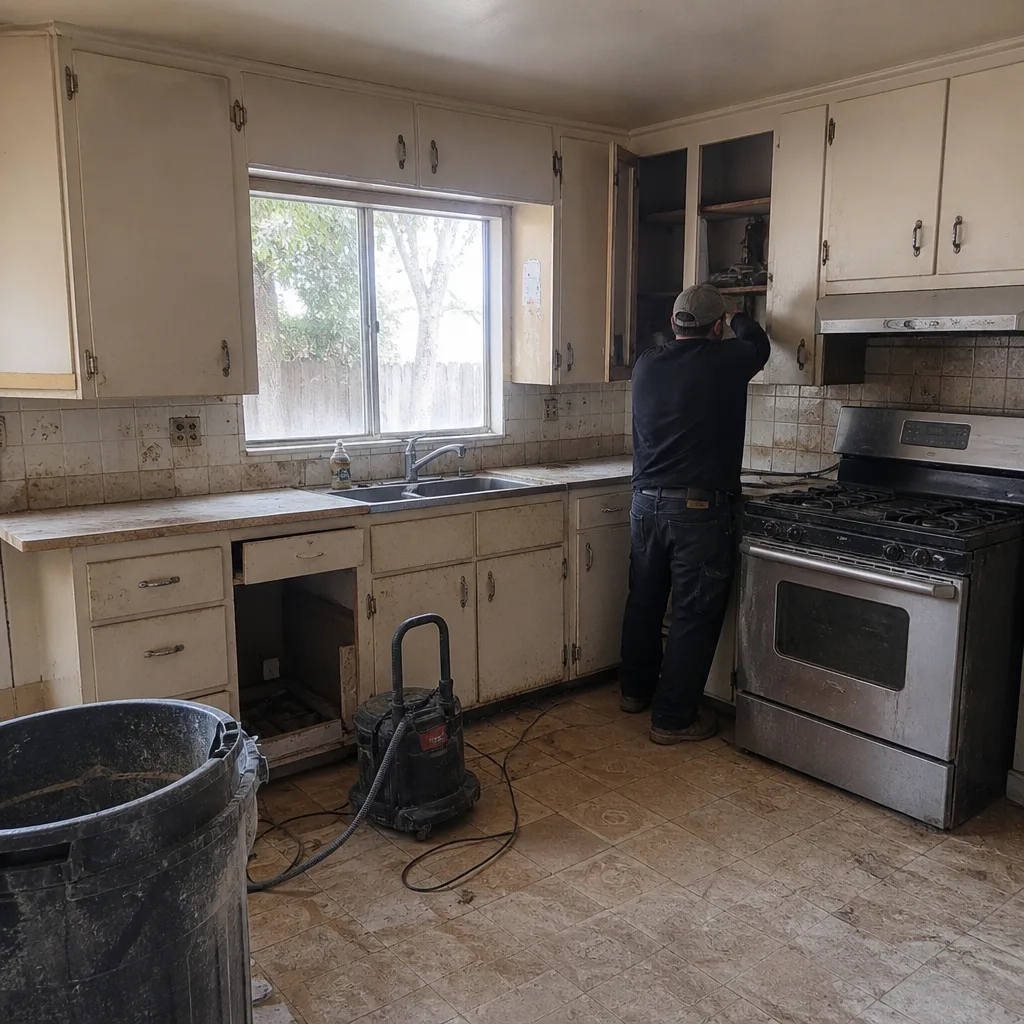 Before
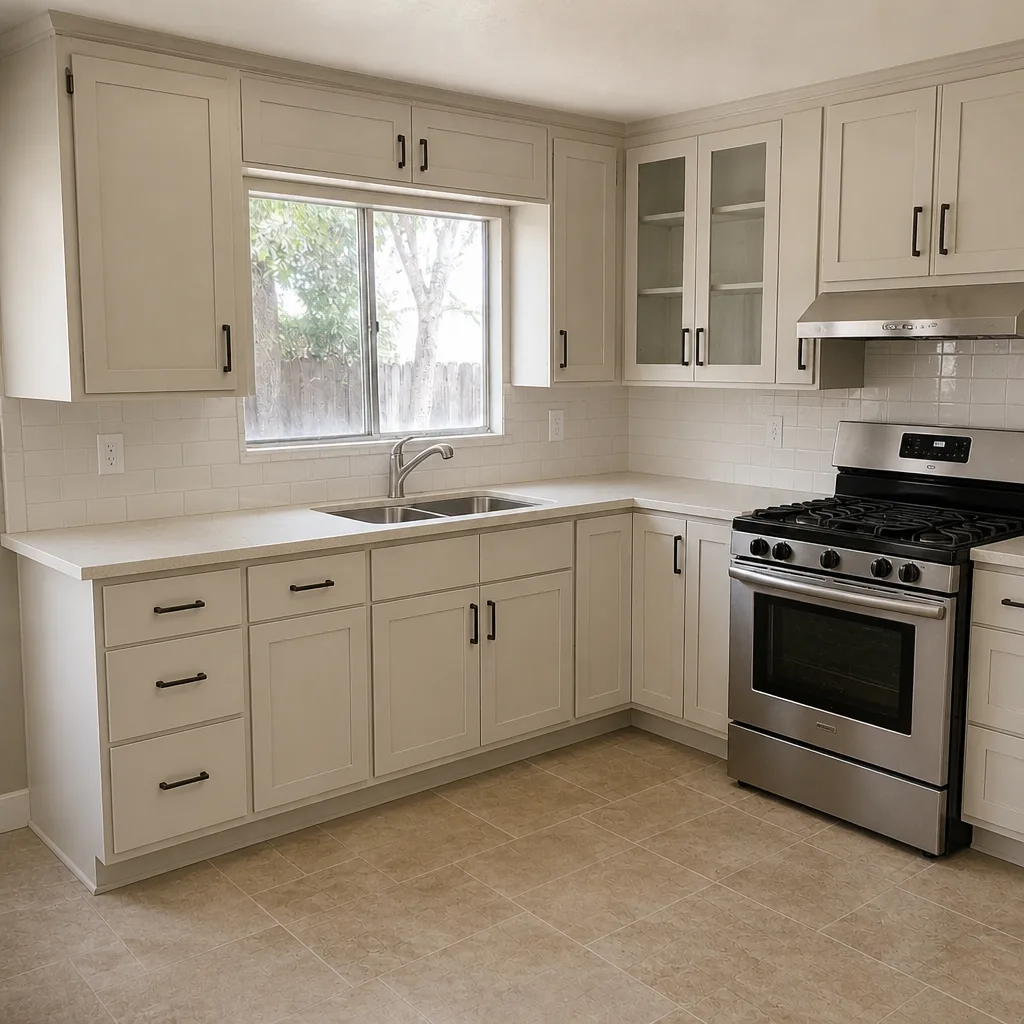 After
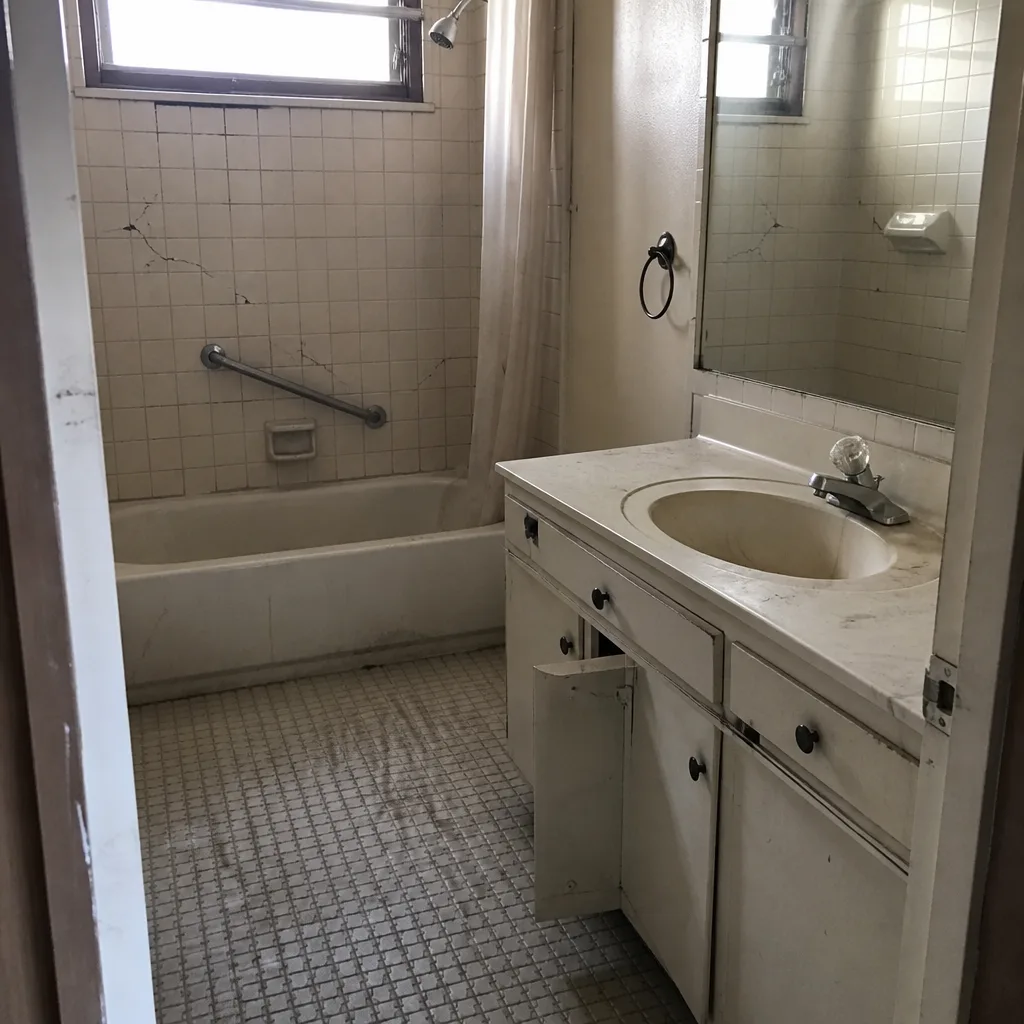 Before
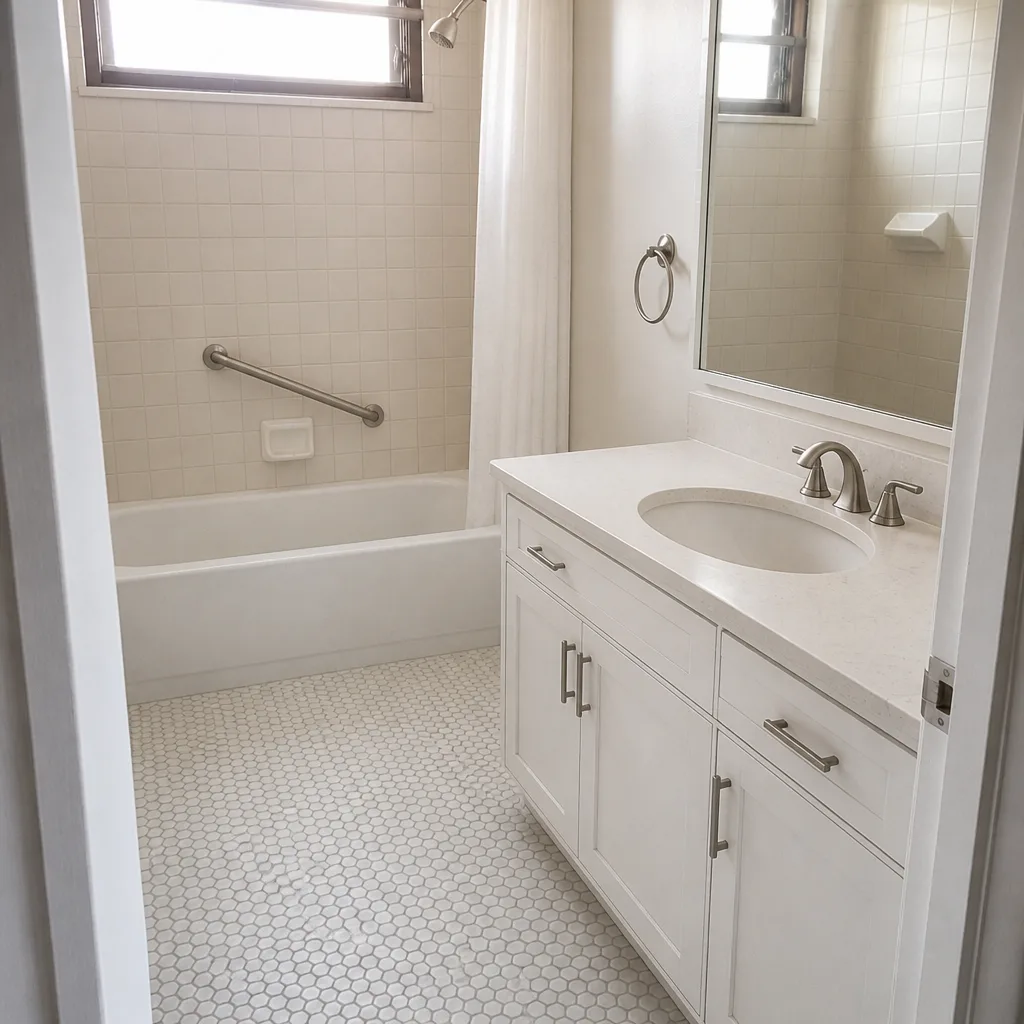 After
When to Call a Professional
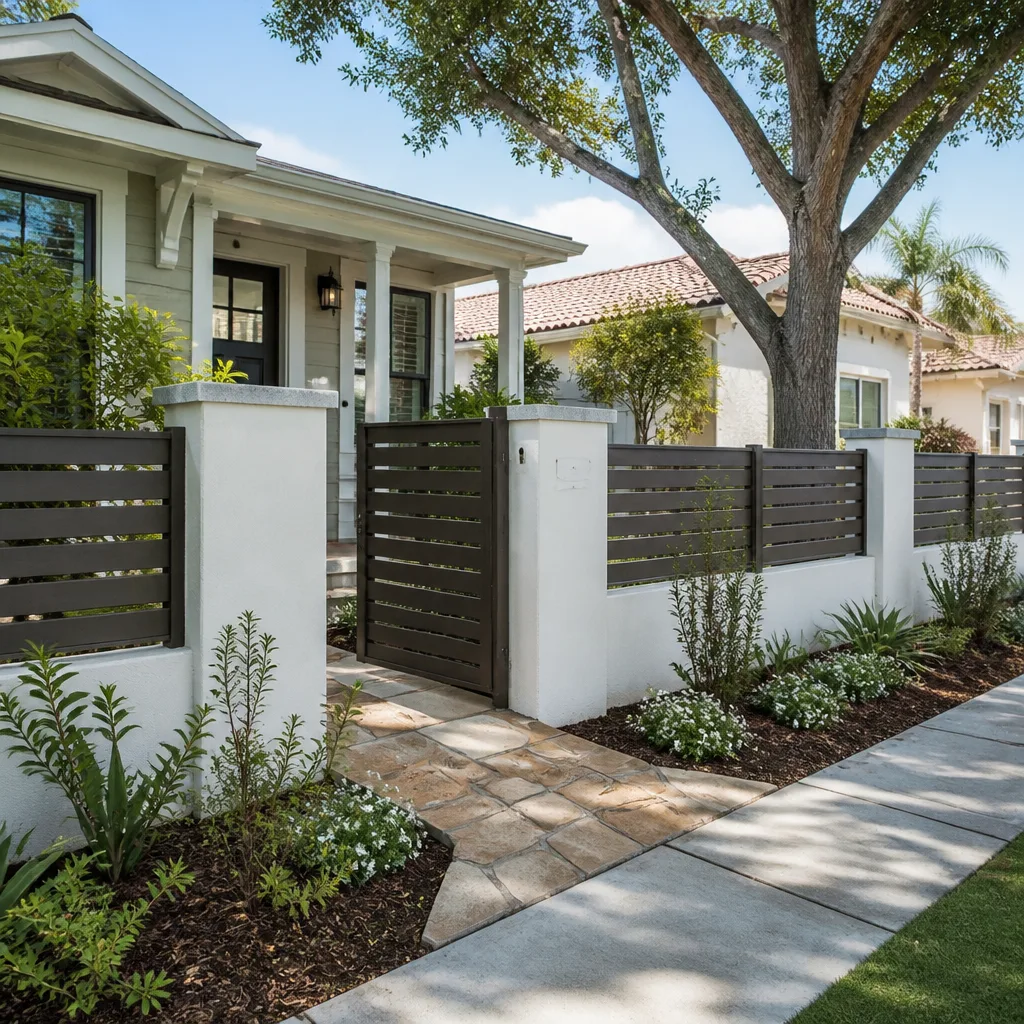
Calling a professional makes sense in clear cases: any concrete block wall, a fence that touches retaining walls or sits on a San Jose hillside lot, automated gates, or any project where the property line isn’t confidently verified. It also makes sense when the fence borders a pool, when HOA rules are tight and you don’t want to navigate them alone, or when the total run is long enough that a rented auger and a weekend aren’t enough.
If you’re in one of those situations, a licensed and insured crew pulls the permit, sets the line to spec, and backs the work in writing. Our fence installation in San Jose includes permits pulled and inspections signed on every eligible job, materials from brands you can look up, and a written 90-Day Done Right Promise on every contract. We offer free estimates in San Jose – call (844) 320-5918 to schedule yours.
Frequently Asked Questions
Yes, for standard wood panel and pre-fabricated vinyl fences up to 6 feet on flat or gently sloped ground. You must verify the property line with a survey or existing monuments, and you should confirm current San Jose fence height and setback requirements before ordering materials. Concrete block, tall sloped-lot fences, and automated gates are not safe DIY projects. Call (844) 320-5918 for a free estimate if you’d like a professional opinion on your specific layout.
Fences under 6 feet generally don’t require a building permit in San Jose, but height limits, corner lot sight-distance rules, and HOA requirements still apply. Confirm the current rules directly with the San Jose Planning, Building, and Code Enforcement department before you build. If your fence is over 6 feet, near an intersection, or on a retaining structure, expect a permit requirement. Call (844) 320-5918 for a free estimate if you want the permit handled for you.
A standard wood fence in San Jose typically runs $25 to $50 per linear foot installed, including materials, and a 100-foot run usually lands somewhere in the $3,000 to $6,000 range for materials alone on a DIY project. Vinyl, decorative metal, and masonry fences run higher. Hillside properties and fences requiring engineering push the number further up. Call (844) 320-5918 for an exact quote – estimates are free.
If the fence sits entirely on your own property, you don’t need legal permission in most cases – but you do need to follow local height and setback rules, and you should talk to them. If the fence sits on the shared property line, California treats it as jointly owned, and a written agreement covering cost-sharing, height, material, and maintenance protects both sides. A short conversation saves a long dispute. Call (844) 320-5918 for a free estimate and we can walk through the property line and neighbor-agreement steps with you.
Often yes, if the posts are set correctly and the property line is verified. Crews can take over cleanly when post spacing is consistent, posts are plumb, and materials are on-spec. If posts are out of plumb or set at wrong depths, the fix usually means removal and a fresh start. Call (844) 320-5918 for a free second opinion on any written estimate or existing layout.
Building before the survey. A fence that crosses a property line becomes a legal problem the moment a neighbor notices, and un-building it costs far more than the survey would have. The second-biggest mistake is skipping the 811 call before digging – utility strikes are expensive, dangerous, and entirely preventable. Both steps are free or cheap, and both come before any material hits the ground. Call (844) 320-5918 for a free estimate on professional installation if you’d rather not take on the risk.
The Bottom Line
Standard wood and pre-fab vinyl fences are among the most DIY-accessible construction projects out there – and that’s why so many homeowners take them on. But the two non-negotiable steps come first: verify the property line with a survey, and check the San Jose permit and HOA requirements before you order materials. Skip either one and the project stops being safe, regardless of how good your fence looks when it’s done. If you’re building on a slope, in concrete block, near a pool, or anywhere the line isn’t certain, that’s a sign to call in a licensed, insured crew. Our technicians have up to 28 years of experience, and we back every install with the written 90-Day Done Right Promise.
Ready to talk through your project? Call (844) 320-5918 for a free estimate. We serve San Jose and the surrounding neighborhoods, and every scope, allowance, and price change comes in writing before any work starts. Proudly serving local communities for over 29 years as the owner-operated, name-on-the-truck alternative. Looking for related projects? See our Driveway & Pavers in San Jose page, our guide to Home Additions & ADU in San Jose, or start at the Barrett & Sons Construction San Jose home page. For the primary service, see Fence Installation in San Jose.
Written by the team at Barrett & Sons Construction San Jose.