Last updated November 18, 2026
Free written scope consultation - allowances, timeline, and change-order rules on paper before a single trade is scheduled
Construction Permits, Codes & Inspections in CA: What You Need to Know
A San Jose homeowner listed a house for $1.4M and watched the sale collapse in escrow. The reason wasn’t the roof or the foundation. The previous owner had converted the garage into living space without a permit, and when the buyer’s lender asked for documentation, there wasn’t any. The city required demolition back to baseline before the sale could proceed. What looked like a finished room became a five-figure teardown. In our experience across San Jose, unpermitted work is the single biggest reason home sales fall apart during escrow. This guide covers what triggers a permit, how to get one, how to check a home’s permit history, and what to do if you already own work someone skipped the paperwork on.
Quick Answer
In California and in San Jose, a permit is required for most work that changes a structure’s footprint, electrical system, plumbing, or energy performance. That includes kitchen and bathroom remodels, additions, panel upgrades, water heater replacements, window swaps, and patio covers over 200 square feet. Skipping the permit doesn’t save money. It typically costs more when you sell, when you refinance, or when an inspector finds the work.
Styles & brands we work with
- Kitchen remodeling
- Bathroom remodeling
- Home additions & ADU
- Roofing
- Windows & doors
- Driveway & pavers
- Fence
Table of Contents
- What Triggers a Permit in San Jose (and What Homeowners Skip)
- How to Check a Home’s Permit History Before You Buy
- Title 24 Energy Compliance: Windows and HVAC, Not Just New Builds
- The Inspection Sequence for a Typical Remodel
- How to Legalize Existing Unpermitted Work
- What Permits and Inspections Actually Cost in San Jose
- Who Pulls the Permit, and Why It Matters
What Triggers a Permit in San Jose (and What Homeowners Skip)
The projects that consistently go unpermitted in San Jose tend to be the ones that feel small. A water heater swap feels like a plumbing repair. A panel upgrade feels like a service call. A patio cover feels like a weekend project. All three usually require a permit, and all three show up in a title search or a lender’s review years later.
Here’s the list of San Jose projects homeowners routinely skip the permit on, and where it catches up with them:
- Water heater replacements. Required for both tank and tankless swaps, including the seismic strapping inspection. Buyers’ home inspectors flag unpermitted water heaters on almost every San Jose report.
- Electrical panel upgrades. Going from 100-amp to 200-amp service is a permit job. It’s also the most common place a home inspector finds an unbonded panel in older Willow Glen and Rose Garden homes.
- Patio covers over 200 square feet. Under 200 square feet may fall under an exemption in some cases, but anything larger is a structural permit. Drawings and setbacks apply.
- Garage conversions and ADUs. San Jose has specific rules for accessory dwelling units and conversion of existing space. These don’t get grandfathered because the prior owner did them.
- Window replacements. Replacement windows fall under Title 24 energy compliance. More on that below.
- Kitchen and bathroom remodels. Moving plumbing, switching a gas range to induction, adding a vent hood – any of these trigger permits. KraftMaid and Cambria give you a beautiful kitchen, but the permit is what makes it yours on paper.
- Fence installation above six feet. Height, setback, and in some cases a neighbor’s property line matter here. If you’re working near a shared line, check before you dig.
If you’re planning a project and want to know whether it’s a permit job, the honest answer comes from the city, not a contractor guessing on the phone. A contractor who tells you permits are optional is telling you something about how they run their business.
How to Check a Home’s Permit History Before You Buy
San Jose’s online permit portal lets you pull permit history on any address in the city. You don’t need to be the owner. You don’t need a realtor’s login. The portal shows permits pulled, inspections signed, open permits, and violations. Checking it takes ten minutes and can save you six figures.
Here’s how to use it:
- Go to the San Jose permit portal and search by property address.
- Look for open permits – these are the ones that never got a final inspection. They’re the most common problem in a resale.
- Compare the permit history to what you can actually see. A finished basement in the records but no permit for a basement addition means someone built it without one.
- Check for permits pulled on electrical, plumbing, and mechanical separately. A kitchen remodel should show a permit for each trade, not just a general building permit.
- If you’re buying, ask the seller for the permit numbers. A seller who can’t produce them is a seller with something to hide.
We’ve seen families in Cambrian and Almaden Valley buy homes that passed the buyer’s inspection clean but had a garage conversion with no paper trail. The inspection looks at what’s there. The permit portal looks at what’s allowed to be there. Those are different questions.
If you’re already a homeowner and you’ve never looked up your own permit history, do it before you list. Better to know now than to find out at the closing table. If you’re planning a home addition or ADU in San Jose, the permit history sets the baseline for what the city will approve.
Title 24 Energy Compliance: Windows and HVAC, Not Just New Builds
Title 24 is California’s energy code, and it applies to far more than new construction. When a San Jose homeowner replaces windows or swaps an HVAC system, the work triggers Title 24 compliance. Nobody tells them this until they’re already in escrow.
For window replacements, Title 24 requires that any window you install meets U-factor and solar heat gain coefficient limits for the climate zone. San Jose sits in a mixed climate zone. The performance specs on a standard builder-grade window from 1995 often don’t pass. Andersen and Marvin publish the performance data on every window they make, which is one reason we lean toward brands with paper you can actually read.
For HVAC, a system replacement triggers a HERS verification and a Title 24 registration with the state. Contractors who skip this step get their clients flagged later. A homeowner selling doesn’t want to discover that the new furnace they installed two years ago has no compliance paperwork on file.
What homeowners should know:
- Title 24 compliance is referenced in the permit application, not bolted on at the end.
- Window swaps need NFRC labels retained for the inspection file.
- HVAC swaps need a separate HERS verification by an independent rater.
- The contractor should hand you a Certificate of Compliance at the end, and it’s worth keeping in your records folder for the life of the home.
Delta and Moen fixtures in a new bathroom don’t have a Title 24 issue. Windows and HVAC do. Know which parts of your project touch the energy code before you start.
The Inspection Sequence for a Typical Remodel
Every San Jose kitchen remodel, bathroom remodel, or addition runs through a predictable sequence of inspections. Knowing the sequence matters because every inspection is a gate – no gate passes without the work in front of it being ready.
- Pre-construction and plan check. Before the first nail moves, the city reviews the plans. This is where most permit applications get returned for missing Title 24 forms or incorrect setbacks.
- Demolition and rough framing. The inspector checks framing, shear wall nailing, and that what’s behind the wall matches the plans.
- Rough electrical. Wire routing, panel connections, box fill, and grounding. This is where a permit pays for itself – bad wiring is invisible on the surface.
- Rough plumbing and mechanical. Pipe sizing, venting, gas line connections, and HVAC duct routing. The inspector wants to see the work before it’s buried.
- Insulation and Title 24 verification. Insulation values are checked against the plans, and a HERS rater confirms compliance where required.
- Drywall. Once drywall goes up, all rough inspections should already be signed. If any are outstanding, they get retested with the walls open – at your cost.
- Final inspection. Fixtures, finishes, outlet placement, smoke and CO detectors, and documentation. The Certificate of Occupancy or final sign-off comes out of this step.
The permit inspector works for you, not for us. That’s why we like him. Every inspection is a second set of eyes confirming what we already know about the work. If a contractor views the inspector as the enemy, ask yourself what that contractor is trying to avoid.
How to Legalize Existing Unpermitted Work
If you own a San Jose home with unpermitted work – a garage conversion, an unpermitted deck, a bathroom added without a permit – you have three options, and the right one depends on what the work is and whether you’re planning to sell.
Option 1: Retroactive permit. The city allows owners to apply for a retroactive permit on existing unpermitted work. The process involves inspections, plans as-built, and remediation of anything that fails current code. It’s expensive but usually far cheaper than demo.
Option 2: Demolition to baseline. If the work can’t be brought up to code (structural issues, egress problems, wrong setbacks), the city may require demolition and reconstruction. This is the outcome for the $1.4M escrow that collapsed.
Option 3: Disclose and sell as-is. Some buyers will pay a reduced price for unpermitted work with full disclosure. Every lender’s rules differ. Some will fund, some won’t. This is the highest-risk path and the one most real estate agents push for reasons that serve the sale, not you.
Which option is worth it:
- If the work is a kitchen, bathroom, or finished basement with functioning plumbing and electrical, retroactive permit is almost always worth doing. It adds value at resale and removes an escrow objection.
- If the work is a structural addition that fails current code, get an engineer’s opinion before you file. Some additions are cheaper to demo and rebuild than to bring into compliance.
- If you’re within two years of selling, do it now. You have less leverage with a buyer’s lender than you’ll have with a permit sign-off.
For larger projects, including legalizing a prior addition or building a compliant one, the Home Additions & ADU in San Jose playbook covers how a new permit runs alongside an existing structure. Related work like a new fence installation in San Jose and driveway and pavers in San Jose also has permit rules worth checking before anyone picks up a shovel.
What Permits and Inspections Actually Cost in San Jose
Permit costs scale with project value, not square footage. San Jose’s fee schedule starts with a base fee plus a percentage of the valuation, and Title 24 fees are added on top where applicable. In our experience, here’s what the ballpark looks like in this market:
- Small permit (water heater, panel upgrade, minor electrical): $150 to $400 combined permit and inspection fees.
- Kitchen or bathroom remodel: $800 to $2,200 depending on scope and trade permits involved.
- Window replacement package: $300 to $900, higher if Title 24 forms require separate rater verification.
- HVAC swap: $200 to $500 permit plus a HERS rater fee in the $150 to $350 range.
- Patio cover over 200 sq ft: $400 to $1,400 depending on structural design.
- Home addition or ADU: $3,000 to $12,000+ depending on square footage, Title 24, and school district fees.
- Retroactive permit on unpermitted work: $1,500 to $8,000+ depending on what’s exposed and what remediation is required.
Those are permit costs, not contractor costs, and they’re the number most homeowners never see broken out in a bid. When we quote a job, permits are a line item you can read. Every scope, allowance, and price change arrives in writing before work happens. An allowance that isn’t on paper is a surprise waiting for a date.
Who Pulls the Permit, and Why It Matters
The permit should be pulled by the contractor doing the work, not by the homeowner. There are exceptions – a homeowner can pull an owner-builder permit for work on their own residence – but the moment you hire someone, the permit should be in their name. This protects you if the work is wrong.
What it should look like:
- The permit is pulled before any demo or framing starts.
- The permit is visible on the job site.
- Every inspection is signed by the same contractor’s team that did the work.
- Any price change comes through a written change order, not a verbal agreement.
- The final inspection paperwork goes to you, not just to the contractor’s file.
We’ve spoken with too many San Jose homeowners who discovered after the fact that their last contractor told them permits were optional. That contractor saved a few hundred dollars in permit fees and handed off a liability that shows up every time the house changes hands. Look up a contractor’s license number before you sign anything. Ask about the permit history of the home. The people who don’t want you asking those questions are the ones who’ve built their business on the answer.
If you’re starting with a larger project and want a full picture of how construction permits, codes, and inspections run alongside a job from a company that answers its own phone, start with the Barrett & Sons Construction San Jose home page. It lays out how we work.
Common Mistakes to Avoid
- Assuming small work doesn’t need a permit. Water heater swaps, panel upgrades, and window replacements are the three most commonly skipped jobs in San Jose. They also show up most often on a buyer’s home inspection report.
- Trusting the previous owner’s paperwork. If the work wasn’t permitted, prior “approval” from a previous owner is worth nothing. Pull the permit history yourself.
- Letting the contractor pull the permit “under the owner’s name” to save a few hundred dollars. That trick leaves you holding the liability when an inspection fails after the crew is gone.
- Skipping Title 24 on window swaps. A new window without an NFRC label fails inspection in San Jose even if the window is beautiful. Andersen and Marvin publish the data. Cheap windows often don’t.
- Filing a retroactive permit without an engineer’s scope walk. Filing for a permit on unpermitted work before you know what the city will require can turn an expensive fix into a demolition order.
- Hiring on a handshake. If the contractor won’t sign a written change order, won’t show a license number, and won’t discuss the permit, they’re telling you how they’ll handle the rest of the job too.
- Discovering the problem during escrow. Look up your own permit history before you list. A pre-listing fix is far cheaper than a post-offer collapse.
See the difference
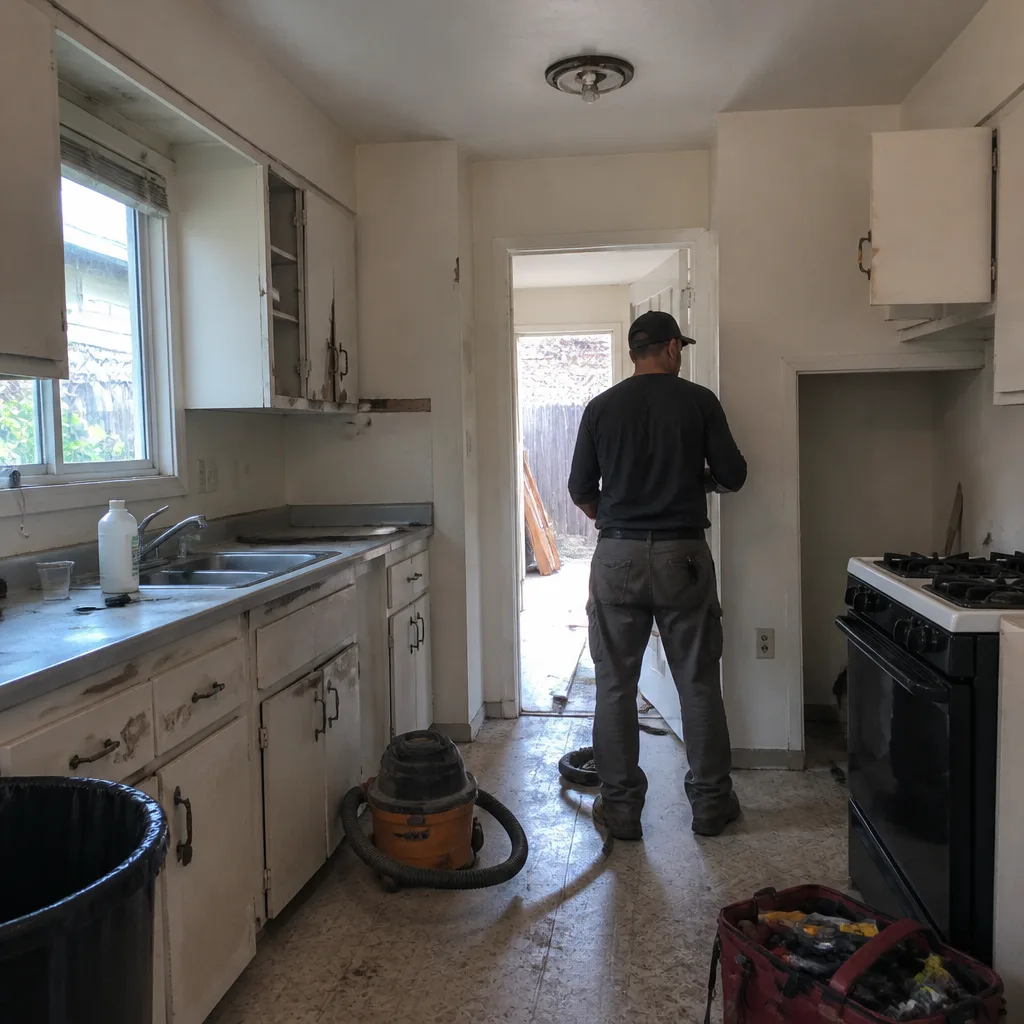 Before
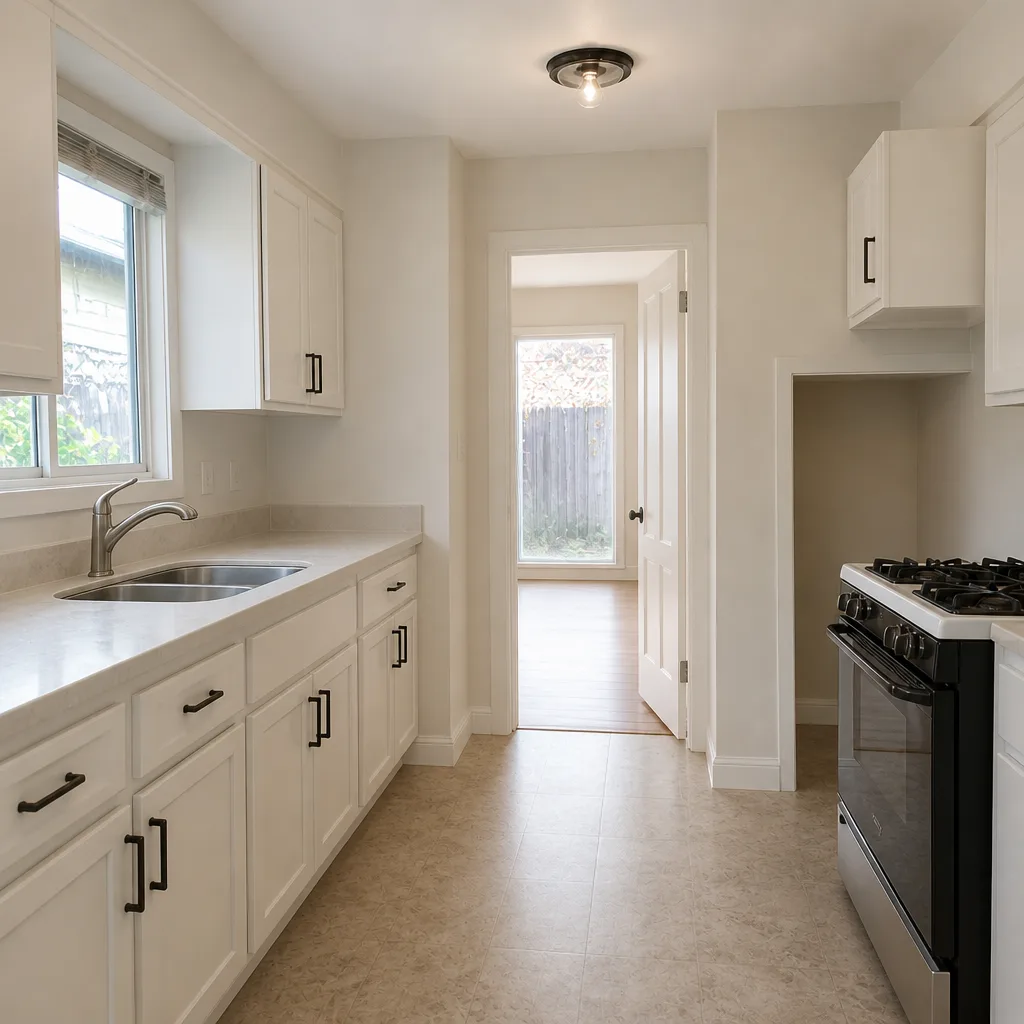 After
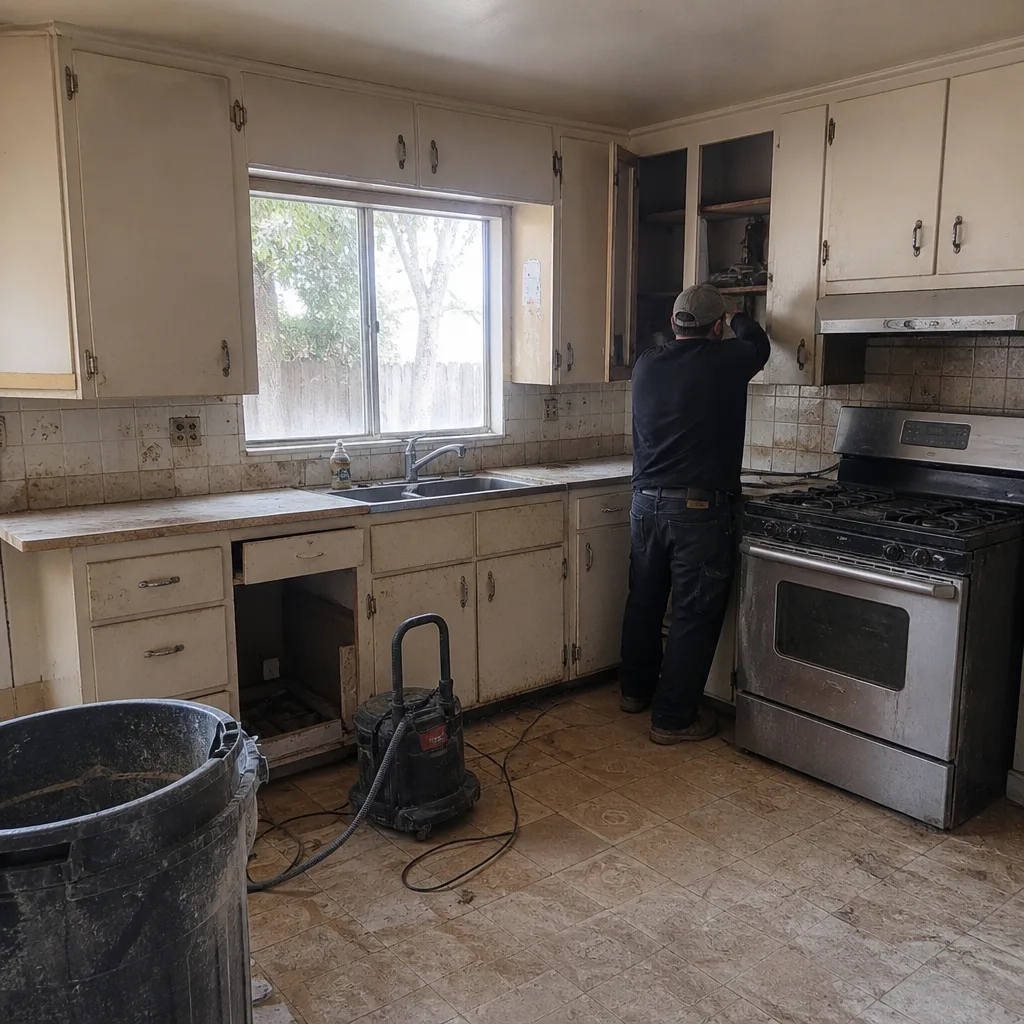 Before
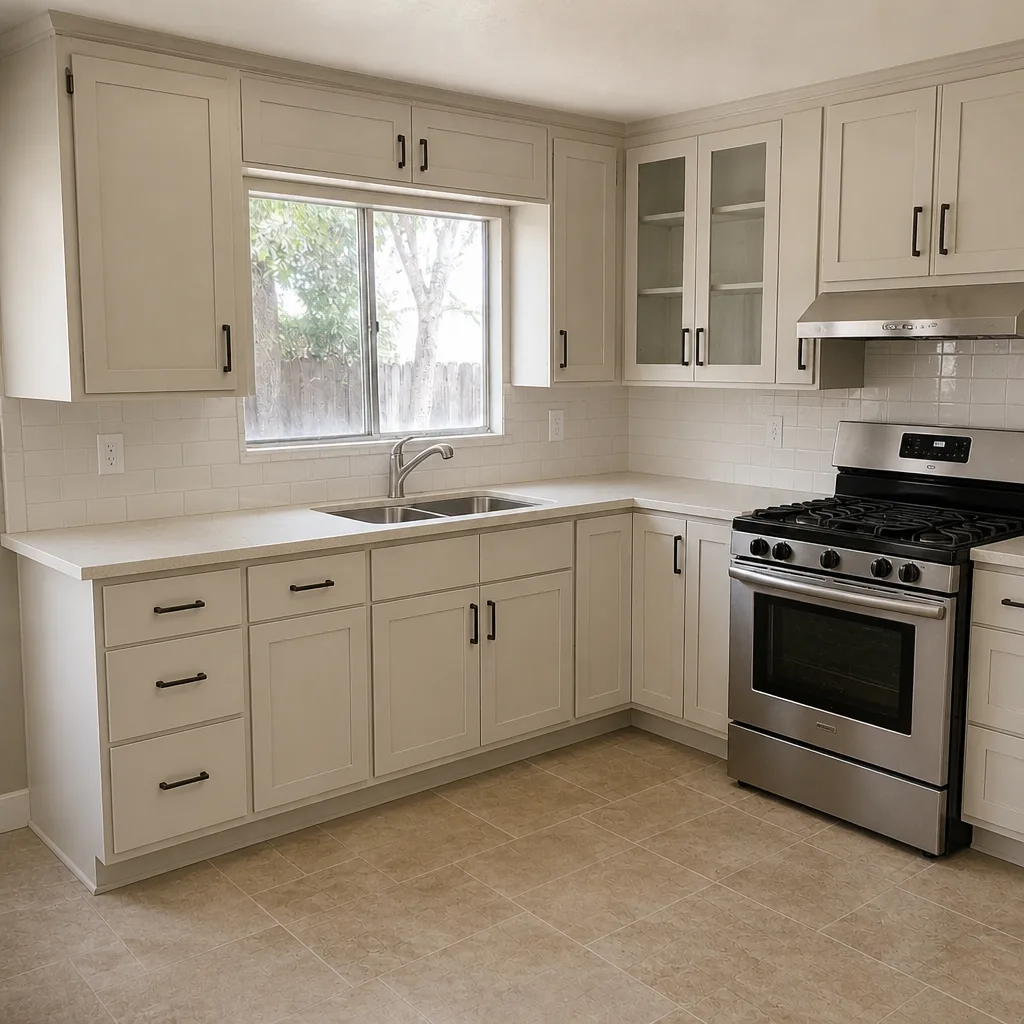 After
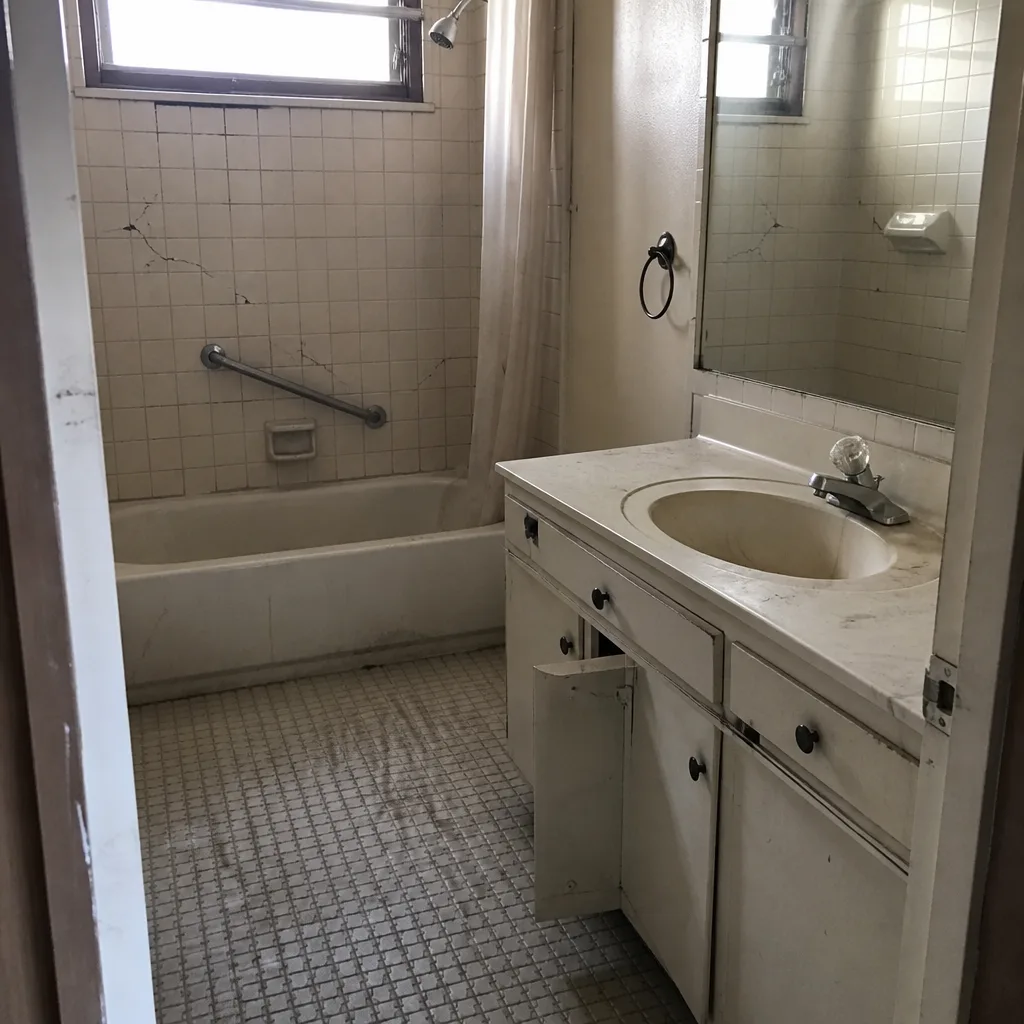 Before
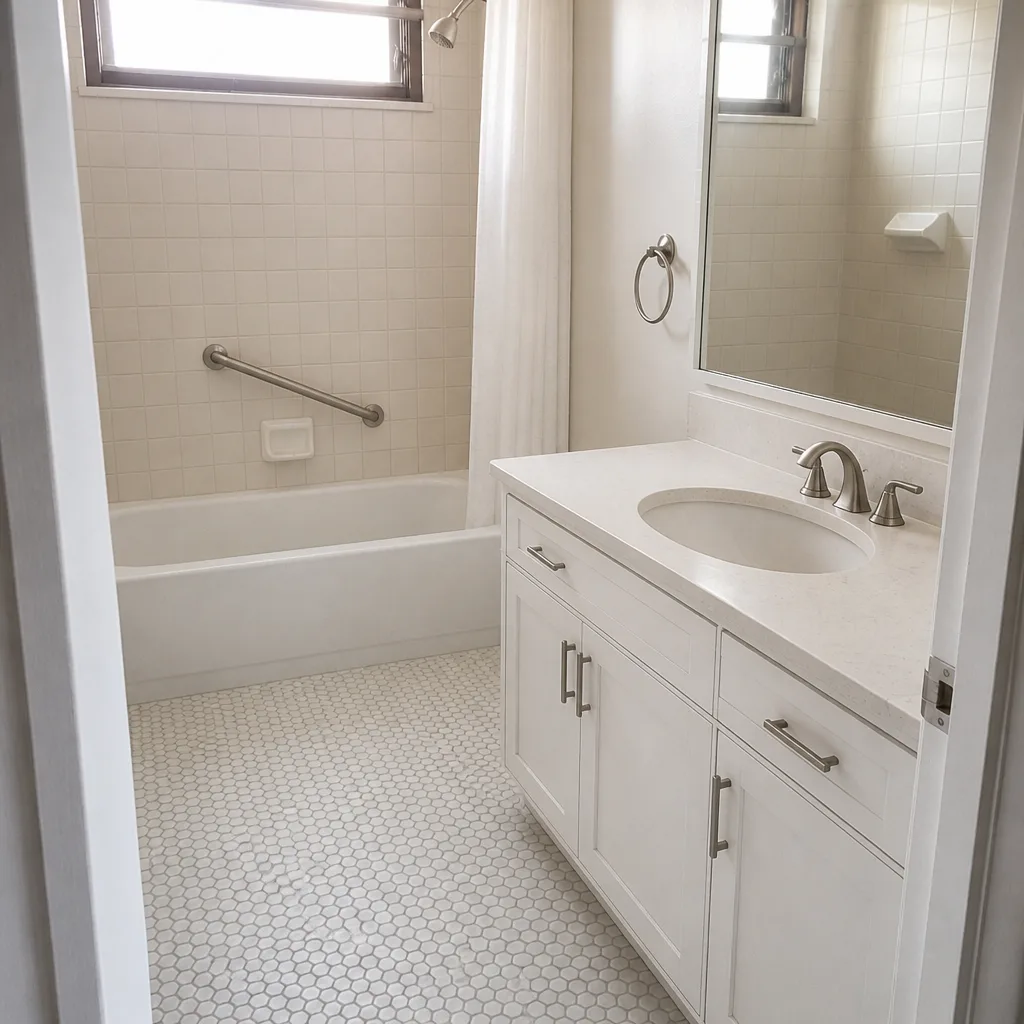 After
When to Call a Professional
Call a professional before you start any project that touches electrical, plumbing, gas, or structural elements. That includes panel upgrades, water heater replacements, garage conversions, additions, and anything that requires Title 24 compliance. Also call a professional if you’re buying a home with a permit history that shows open or missing permits – that’s a negotiation issue, not a repair issue. And call a professional if you already own unpermitted work and want to know whether a retroactive permit is the right move before you sell. San Jose’s code requirements for a Kohler shower valve and a Moen faucet are straightforward; the framing behind the wall and the permit paperwork that documents it are where budgets go sideways.
Barrett & Sons Construction San Jose offers free estimates in San Jose – call (844) 320-5918. Our technicians have up to 28 years of experience, we pull permits and sign inspections on every eligible job, and every completed job is backed by our written 90-Day Done Right Promise.
Frequently Asked Questions
Yes. Water heater replacements, including tankless swaps, require a permit in San Jose and include a seismic strapping inspection. The cost runs roughly $150 to $400 in permit fees. If you replace one without a permit, the missing permit shows up on any buyer’s home inspection report. Call (844) 320-5918 for an exact quote – estimates are free.
Use San Jose’s online permit portal. Search the property address and review open permits, missing final inspections, and any discrepancies between the permit history and what you can see. If the history doesn’t match the structure, ask the seller for documentation before you make an offer. A ten-minute lookup can protect a six-figure purchase.
Not without a written change order. Every scope, allowance, and price change is documented in writing before work proceeds. What you see in the contract is what you’ll see on the final invoice. Allowances that aren’t on paper are surprises waiting for a date.
Yes. Every eligible job we take on includes permits pulled and inspections signed. We pull permits in the company name, keep them visible on the job site, and hand you the final inspection paperwork at the end. Look up the license number before you sign anything.
For a water heater or panel swap, plan one to two weeks. For a kitchen or bathroom remodel, four to eight weeks for plan check and permit issuance, then the inspection sequence runs alongside the build. A home addition or ADU typically takes three to six months from plan submittal to final sign-off. Timeline depends on scope and the city’s current review queue.
Usually yes, if the work involves functional plumbing, electrical, or finished living space. A retroactive permit typically costs $1,500 to $8,000 depending on what the city requires, far less than a demolition to baseline. Every lender’s rules differ on unpermitted work – some will fund with disclosure, many won’t. Get an engineer’s scope walk before you file.
The Bottom Line
California’s permit system isn’t bureaucratic busywork. It’s the paper trail that determines whether your home sells, refinances, or appraises cleanly. In San Jose, the projects homeowners skip most often – water heaters, panel upgrades, window swaps, patio covers – are the same projects that stall an escrow. Pull the permit history on any home you own or plan to buy. Use the San Jose permit portal. Know which work touches Title 24. If you inherit unpermitted work, get it legalized before you list, not after. And hire someone whose license you can look up, whose name is on the truck, and whose permit paperwork is in your folder at the end.
Contact
If you’re planning a remodel, addition, or unpermitted work legalization in San Jose, call (844) 320-5918 for a free estimate. We pull permits and sign inspections on every eligible job, put every scope and price change in writing, and back completed work with our written 90-Day Done Right Promise. A live person answers the phone 24 hours a day, 7 days a week. Ask about our standing offers: $40 Off Any Repair Over $200, a Free Second Opinion on Any Written Estimate, No Trip Charge Inside the County, and a permanent 10% Senior & Veteran discount.
Written by the team at Barrett & Sons Construction San Jose.