Last updated November 18, 2026
Free written scope consultation - allowances, timeline, and change-order rules on paper before a single trade is scheduled
The Complete Windows & Doors Guide for San Jose Homeowners
San Jose averages roughly 300 sunny days a year, which makes windows feel like low-stakes decisions. That’s the trap. West-facing glass with the wrong solar heat gain rating can push your cooling load up by around 20% and bake your hardwood floors by year five. Add a seismically active fault map underneath all that sunshine and you get a city where window and door choices have to solve two problems at once: heat and lateral movement. This guide covers what San Jose homeowners actually need to know – Title 24 ratings, seismic framing details, material choices for South Bay conditions, and how to spend your money without over-improving for resale.
Quick Answer
For a San Jose window or door project to pass permit review and hold up over time, you need glass that meets Title 24 Climate Zone 4 requirements (generally in the neighborhood of U-factor 0.40 or lower and SHGC around 0.25 or lower, which your plans will spell out), rough openings framed and anchored for Bay Area lateral loads rather than inland California’s lighter requirements, and a clear decision up front about whether you’re filing a “replacement” or “new installation” permit. Get those three things right and the rest – material, style, budget – becomes a normal conversation instead of a surprise at inspection.
Styles & brands we work with
- Kitchen remodeling
- Bathroom remodeling
- Home additions & ADU
- Roofing
- Windows & doors
- Driveway & pavers
- Fence
Table of Contents
- Title 24 and Climate Zone 4: What Your Windows Actually Need to Hit
- Seismic Reality: Why San Jose Rough Openings Are Different
- Vinyl, Fiberglass, Aluminum Clad, or Wood: What Works in South Bay Conditions
- Replacement vs. Installation: The Permit Distinction That Changes Your Budget
- Matching Windows and Doors to San Jose Architecture
- Doors in San Jose: Entry, Patio, and Sliding Systems
- The Step-by-Step Process for a San Jose Window or Door Project
- What Windows and Doors Cost in San Jose
Title 24 and Climate Zone 4: What Your Windows Actually Need to Hit
California’s Title 24 energy code isn’t a suggestion, and San Jose sits in Climate Zone 4 – the inland part of the Bay with hot summers and mild winters. Your permit application will require window and door products with tested U-factor and SHGC ratings that match what the code analysis says for your specific project scope. The numbers vary by project type, glazing area, and how much of the home you’re touching, but the practical takeaway is straightforward: not every window on the showroom floor qualifies.
Here’s what we look at with every customer before they pick a frame color or a grid pattern:
- U-factor measures how fast heat passes through the whole window assembly. Lower is better. In Climate Zone 4 you’ll typically see requirements around 0.40 or tighter on replacement glass, and stricter on new construction.
- SHGC (Solar Heat Gain Coefficient) measures how much solar heat the glass lets in. For west- and south-facing windows in San Jose, this is the number that determines whether your living room becomes a greenhouse at 3pm in July. Code often lands around 0.25, sometimes tighter depending on orientation and overhangs.
- Air leakage and condensation resistance matter for the fog belt neighborhoods in the western hills, where morning moisture sits hard against the glass and cheap frame seals fail in a few years.
Every product we install comes with a manufacturer’s label showing the NFRC-certified ratings. The inspector wants to see that label match the permit paperwork. If a bid doesn’t include a clear list of ratings per window, that’s a red flag worth asking about before you sign anything.
Seismic Reality: Why San Jose Rough Openings Are Different
This is the part most window replacement conversations skip entirely. San Jose sits near enough to the Hayward, Calaveras, and San Andreas faults that lateral load requirements for framing aren’t the same as they are in Sacramento or Fresno. In a seismic event, a wall full of new windows and doors is a series of holes – and those holes need anchoring and shear detailing that hold the wall together when the ground shakes sideways.
What that means in practice is that a window swap in San Jose isn’t only about the window. The rough opening, the header, the anchor pattern, and how the framing integrates with the shear wall all fall under review. Old postwar tract homes often have minimal original anchoring, and the code doesn’t let you slide a heavier modern window into an opening that was never detailed for it without addressing the wall it sits in.
Three things we check on every opening before the new unit goes in:
- The existing header and framing are sized correctly for the new unit’s weight and operation, especially on wide sliding doors and multi-panel systems.
- The anchor pattern meets current code for the wall type – stucco, siding, or brick veneer all require different fastening details and weatherproofing.
- Flashing and water-resistive barrier are integrated properly. A perfectly rated window with a bad flashing job is a wall rot problem five years from now.
None of this is exotic. It’s just the detail work that a lot of quick replacement bids leave out, because leaving it out is cheaper. If you’re planning a larger scope, like an addition that needs matching windows and doors, our Home Additions & ADU in San Jose page covers how that process works when seismic detailing is baked in from the start.
Vinyl, Fiberglass, Aluminum Clad, or Wood: What Works in South Bay Conditions
San Jose’s climate has three features that matter to window and door material selection: dry hot summers on the valley floor, cooler and foggier air in the foothills to the west, and temperature swings that regularly run 30 degrees between morning and afternoon. Add the air quality along the 101 corridor and you have a set of conditions that rewards different materials differently.
Vinyl
Vinyl is the value choice, and for good reason: it doesn’t rot, doesn’t need paint, and hits Title 24 ratings easily. The downside in San Jose is thermal expansion – big temperature swings cause wider vinyl frames to flex, and after 15 or 20 years the seals and welds can loosen. On a smaller window it’s fine. On a full-height fixed unit facing west, we usually steer customers toward something more dimensionally stable.
Fiberglass
Fiberglass handles the South Bay’s temperature swings much better than vinyl. It’s stable, holds its shape in a hot west-facing wall, paints well, and can look convincingly like wood from the street. It costs roughly 20-30% more than comparable vinyl. For foothills homes with significant sun exposure, we think it’s worth the step up.
Aluminum Clad
Aluminum clad is the choice for modern and contemporary homes where a thin profile matters. The aluminum exterior shrugs off the fog belt, and the wood or composite interior can be stained to match trim. It’s the pricier option on this list, and thermal performance depends heavily on whether there’s a thermally broken frame, so read the spec sheet.
Wood
Wood is what the Eichlers, the Spanish colonial restorations, and the nicer ranch homes in San Jose were built with. Nothing else looks quite like it. It also needs repainting every 6-8 years on the sun-exposed sides, which is a real maintenance cost most people don’t factor in. We install wood where the architecture calls for it and steer elsewhere where it doesn’t.
We work with Andersen and Marvin because those are brands a homeowner can look up, read the actual NFRC reports on, and compare apples to apples. Not mystery names on a bid sheet.
Replacement vs. Installation: The Permit Distinction That Changes Your Budget
San Jose draws a line between a “window replacement” and a “window installation,” and that line matters to your permit fee, your inspection schedule, and the total cost of the project. Most homeowners don’t know the distinction exists until they get a bid that says “replacement” and a permit office that says something different.
Here’s the rough breakdown:
- Replacement typically means a same-size, same-operation swap where no structural framing, header, or rough opening changes. The wall stays intact. The permit process is faster and less expensive.
- Installation means a new opening, a size or operation change (like a fixed window becoming a slider), or enough structural work that the framing needs review. This pulls in more engineering and a longer inspection schedule.
Why it matters in dollars: the difference between a replacement and installation permit on a whole-house project can add meaningful money to both the fee and the labor, because installation-triggered scope generally requires opening up the wall, reframing, and re-flashing in a way replacement doesn’t. On top of that, if the inspector determines your “replacement” was actually installation work, you’re doing the paperwork twice and paying for the privilege.
The honest answer on any project is to have the scope classified correctly before the bid is signed. Every scope, every allowance, every price change should arrive in writing before work starts. That’s how Barrett & Sons operates on every job. If a contractor won’t put the permit category on paper, that’s your cue to keep looking.
Matching Windows and Doors to San Jose Architecture
San Jose has four dominant residential styles, and each one asks something different of the windows and doors. Getting this wrong is the fastest way to over-improve for the neighborhood and lose money at resale.
Eichler Homes
The Eichlers in San Jose – mainly the postwar tracts built in the 1950s and 60s – are defined by floor-to-ceiling glass and post-and-beam construction. Original window systems used steel or aluminum frames with thin sightlines. When you replace them, the challenge is keeping the profile light without shrinking the glass. Modern aluminum clad with a thermally broken frame gets you close. Vinyl with wide frames will look wrong and shrink your daylight.
Ranch Homes
The classic postwar ranch is the most common house in San Jose. Double-hung windows, wide overhangs, horizontal proportions. Vertical slider replacements look off. Stick with horizontals and keep the trim width consistent with the original so the facade doesn’t look like a patchwork after the job.
Spanish Colonial Revival
Sunroom-facing Spanish colonials in older neighborhoods like Willow Glen and the Rose Garden have arched openings and heavy stucco surround. Matching the arch and keeping stucco reveals clean takes a contractor who’s done it before; a generic replacement crew is going to leave a gap that no amount of caulk fixes. Wood or wood-clad looks right here. Vinyl does not.
Postwar Tract Homes
Newer tract homes in the South Valley and Evergreen are less architecturally fussy. Fiberglass is a strong fit here. You get better thermal performance than the original builder-grade aluminum, no paint maintenance, and a clean appearance that matches the neighborhood without spending Spanish colonial money on a ranch-style house that won’t get it back at resale.
A good rule of thumb we give customers: spend up on windows the street can see, and spend standard on windows only the backyard can see. Resale buyers judge from the curb.
Doors in San Jose: Entry, Patio, and Sliding Systems
Doors get less attention than windows in most guides, which is strange, because a front door is the single most-photographed element of your house. In San Jose, three door types drive the majority of projects.
- Entry doors: The best choice for the climate is fiberglass or steel with a thermal break. Wood entry doors look beautiful and then need refinishing every few years on the sun-exposed elevation, which is a maintenance schedule most homeowners don’t want.
- Patio sliding doors: Wide sliders facing a west or south patio are the biggest cooling load in the house. If you’re replacing one, upgrade the glass ratings and consider a thermally broken frame – a cheaper unit will fail the Title 24 calculation, and the inspector will send you back to the drawing board.
- French and multi-panel systems: Popular on remodeled ranch homes that open to a backyard. These need proper headers and seismic detailing on the opening, since the panel load is much heavier than a standard door.
Door rough openings in San Jose fall under the same seismic and energy rules as windows. An entry door swap that looks simple on paper may pull in header and anchor detailing depending on the wall assembly it sits in. That’s a conversation to have before the unit is ordered, not after it’s in the driveway.
The Step-by-Step Process for a San Jose Window or Door Project
A properly run window or door project in San Jose follows a predictable sequence. Here’s what we walk customers through on every job:
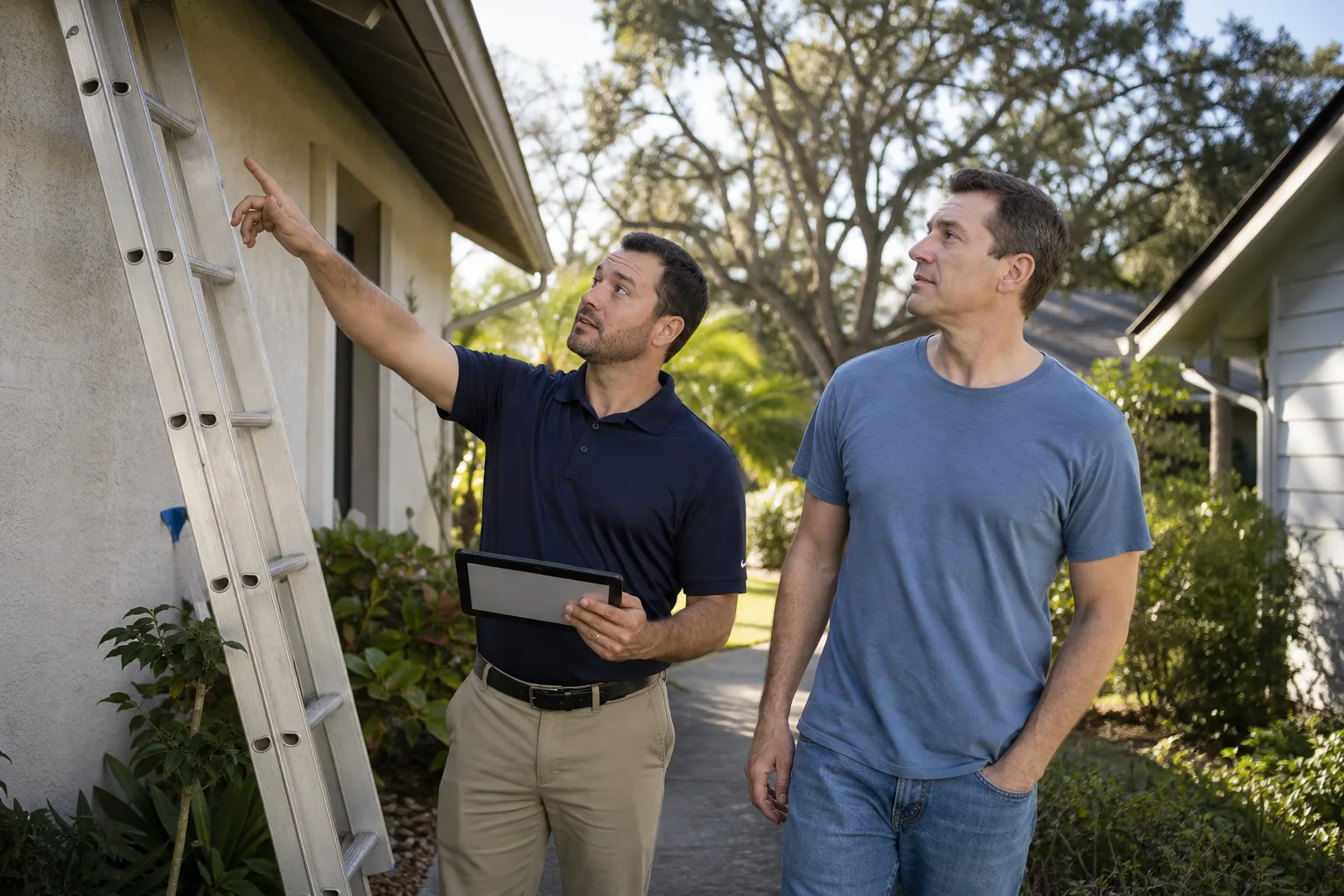
- Free in-home estimate. We measure every opening, note the existing frame and wall type, and identify anything that will push the scope from replacement into installation territory.
- Title 24 review. We pull the specific ratings your project requires so the products we quote actually qualify. No substitutions after the permit is filed.
- Written scope and allowances. Every line item – product, trim, labor, permit, disposal – goes on paper. An allowance that isn’t on paper is a surprise waiting for a date.
- Permit filing. We pull the correct permit as either replacement or installation, based on the actual scope. Inspections get signed.
- Fabrication lead time. Most quality window and door products take 4-8 weeks from order, sometimes longer on custom sizes or Marvin lead times. We build this into the schedule up front so you’re not surprised by the gap.
- Installation. Removal, framing adjustments, flashing, setting, insulation, trim, and finish work over a series of days.
- Inspection and walkthrough. The inspector signs off, we walk you through operation and maintenance, and the written 90-Day Done Right Promise is on the contract – not in a drawer somewhere.
The permit inspector works for you, not for us. That’s why we’re glad to see them on the job. If the framing detail isn’t right, we want to know before we hand you the keys.
What Windows and Doors Cost in San Jose
Exact pricing depends on opening size, product line, material, and whether the scope crosses into installation territory. But here are the ranges we see in the San Jose market for standard-scale projects:
- Single double-hung or casement window, vinyl, replacement: $500 – $1,100 installed, single opening, standard size
- Single double-hung or casement, fiberglass: $700 – $1,500 installed
- Single aluminum clad or wood, custom: $1,100 – $2,400 installed, depending on size and finish
- Whole-house window replacement (10-15 openings), vinyl: $8,000 – $16,000 installed
- Whole-house window replacement (10-15 openings), fiberglass: $11,000 – $22,000 installed
- Entry door, fiberglass or steel, installed: $1,400 – $3,200
- Patio sliding door, thermally broken, installed: $2,200 – $5,000
- Permit fees (replacement, whole house): $350 – $900
- Permit fees (installation, structural): $700 – $2,000+, depending on scope
Custom-sized or historical-sensitive projects on Spanish colonials or Eichlers sit above these ranges, sometimes significantly, because the labor to preserve the opening detail is real. We quote every project with a line-item written estimate, and every price change arrives as a written change order before the work proceeds. No surprise invoice at the end of the job.
We also offer $40 Off Any Repair Over $200, a Free Second Opinion on Any Written Estimate, No Trip Charge Inside the County, and a permanent 10% Senior & Veteran discount. If you’ve already got a bid in hand and something feels off about the scope or the permit category, send it over. We’re happy to look.
Common Mistakes to Avoid
- Choosing windows before the Title 24 analysis. Picking a brand or frame color first and discovering the ratings don’t qualify costs weeks and a restocking fee on custom product. Do the energy calc first.
- Treating a seismic region like a mild one. A replacement crew from Sacramento or Fresno that shows up in San Jose with the same anchoring details will leave you with a wall that hasn’t been detailed for lateral load. Ask how they handle anchor patterns on your wall type.
- Filing the wrong permit category. A “replacement” filing that turns out to be installation work costs you a second permit fee and a stalled schedule. Get the classification right on paper before work starts.
- Over-improving the back elevation. Spending Spanish colonial restoration money on windows facing a backyard fence won’t come back at resale. Save the budget for the front elevation.
- Skipping the flashing detail. A perfectly rated window with sloppy flashing is a water intrusion problem in three to five years. It’s the cheapest thing to do right and the most expensive thing to skip.
- Underestimating lead times. Custom windows and Marvin or Andersen orders can take 6-10 weeks in the current market. Build that into your interior schedule if you’re painting or flooring around the install.
- Not matching the wall assembly to the window weight. A multi-panel door or oversized fixed unit needs a header sized for it, not just a window that fits the hole. We’ve seen this miss on tract homes where the original header was sized for a lighter unit.
See the difference
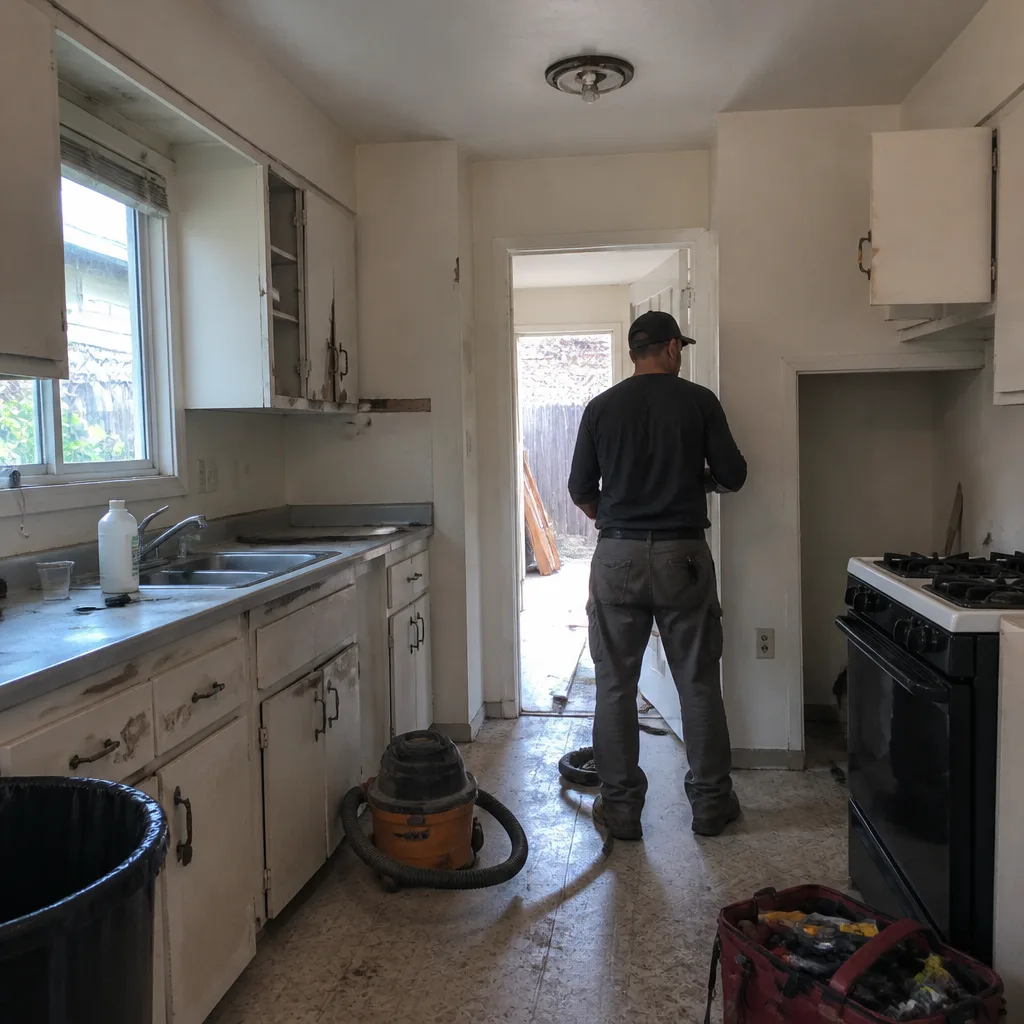 Before
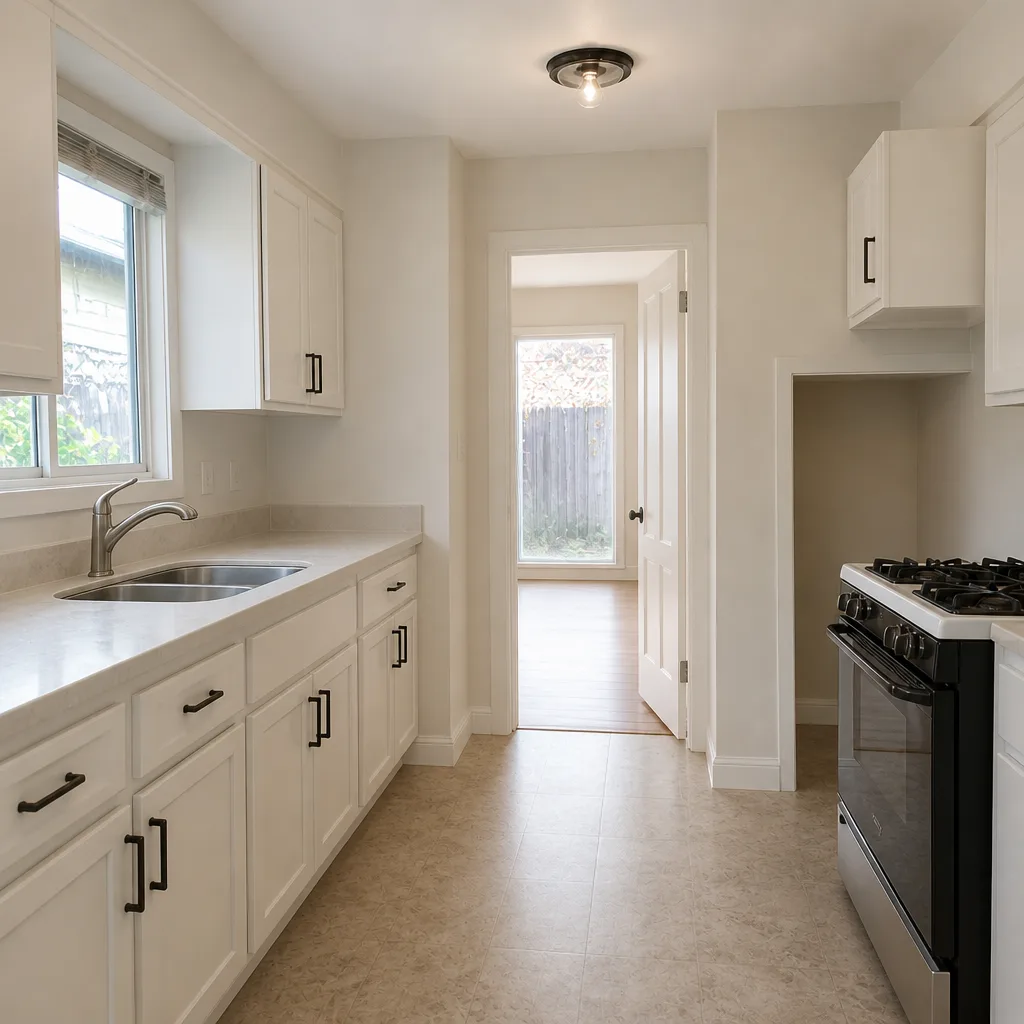 After
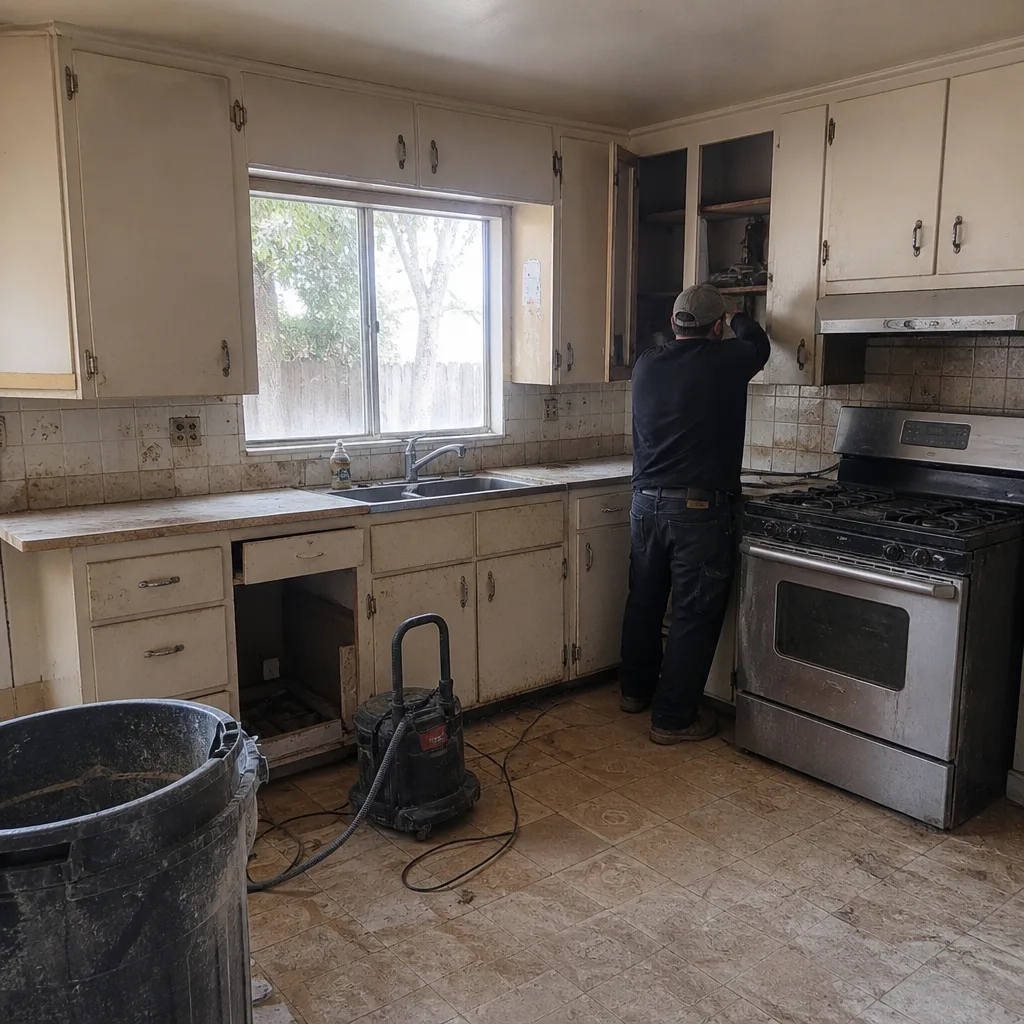 Before
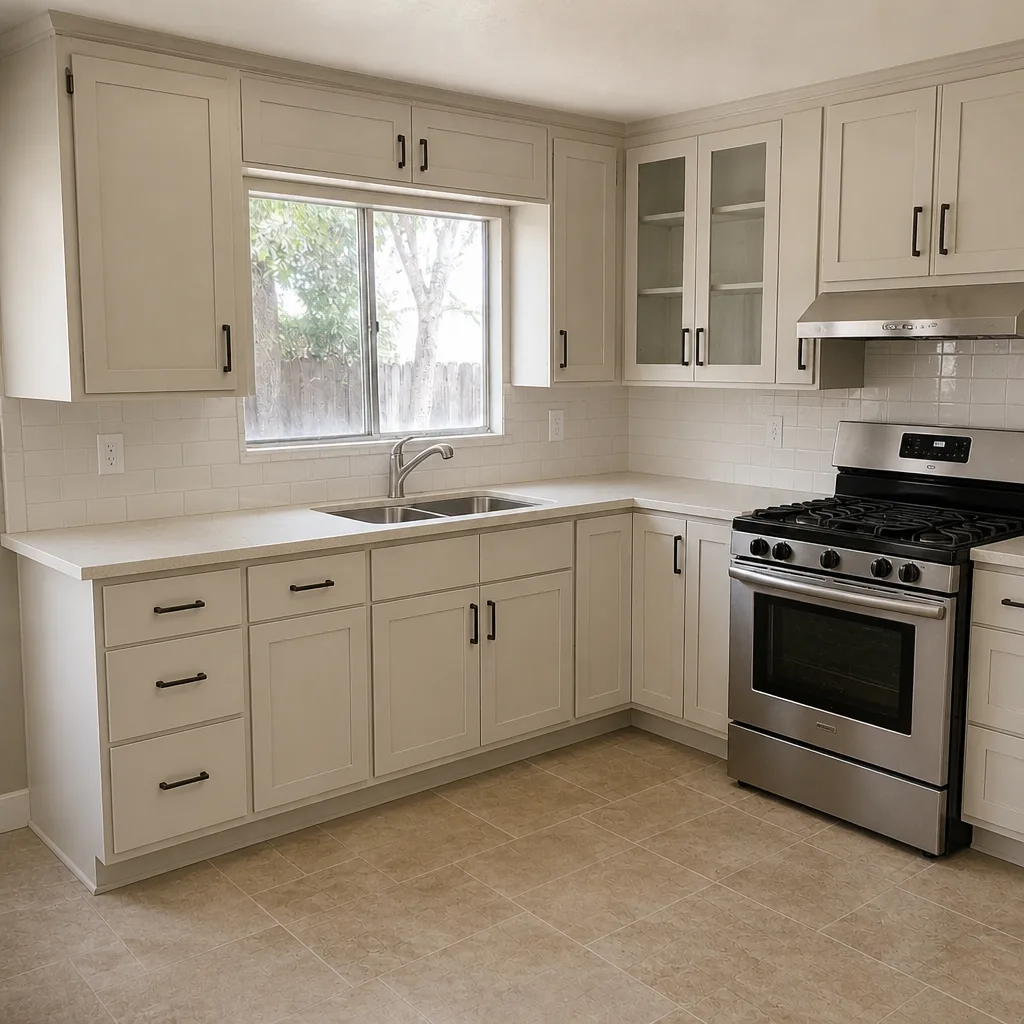 After
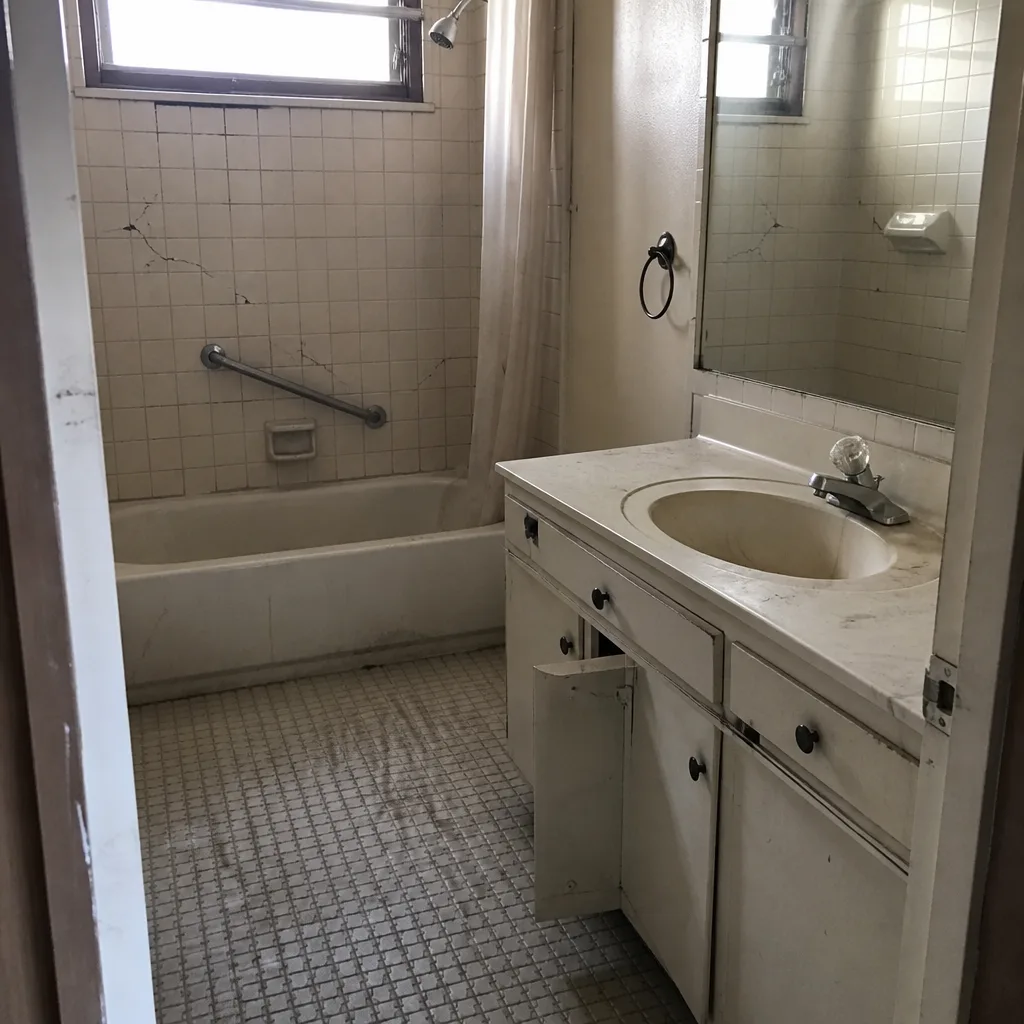 Before
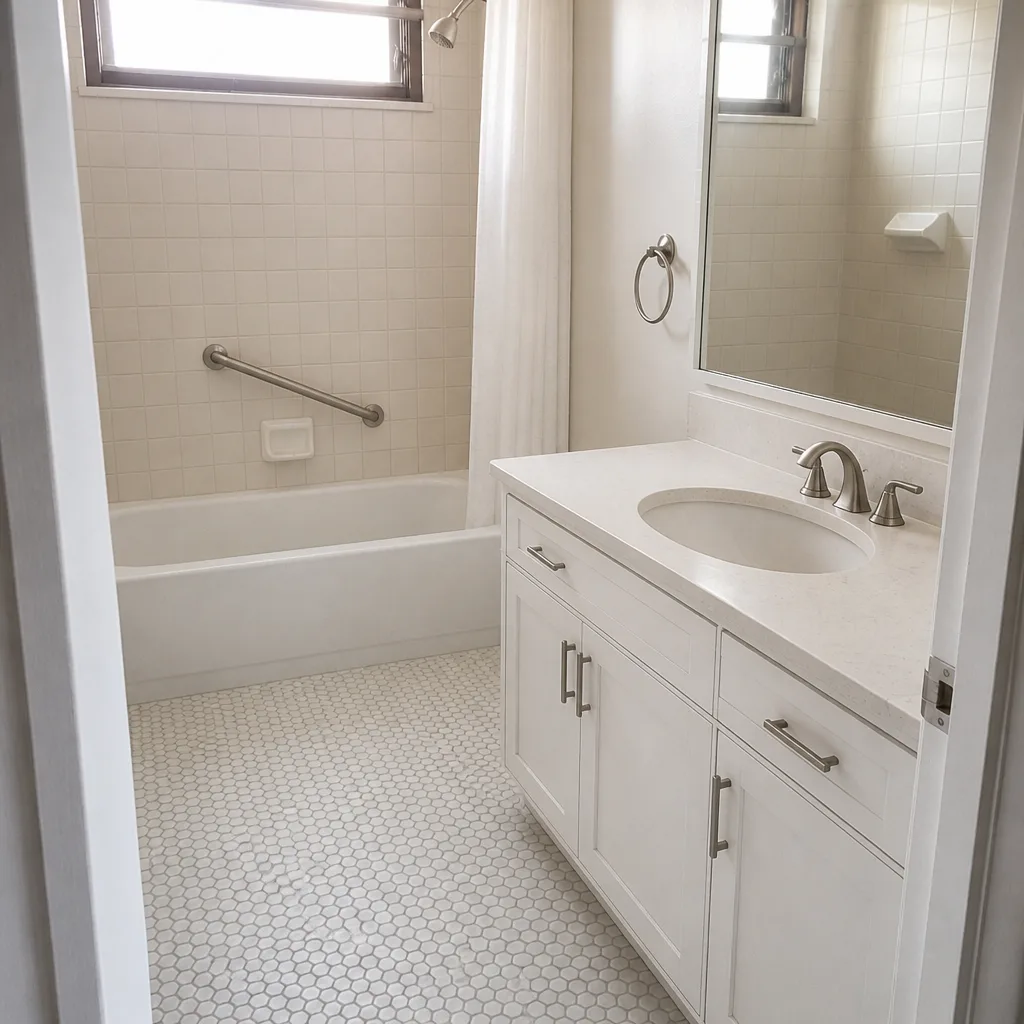 After
When to Call a Professional
Some projects are genuinely a job for a pro and some are genuinely not. Anything that touches the rough opening, changes a window to a door, or adds a new opening is pro territory every time in San Jose – the seismic detailing and Title 24 documentation will trip up anyone who isn’t set up for permit work. Fogged glass, a stuck slider, or a failed seal on a single existing window is sometimes a repair call rather than a replacement, and worth an estimate either way. Anything on a second story, anything involving a lifting glass unit over 100 pounds, and any door that requires new framing is also on the pro list. If your project involves adjacent work like pavers or fencing that goes in after the windows and doors, we can quote the whole scope in one pass – our Driveway & Pavers in San Jose and Fence Installation in San Jose pages cover the rest. Barrett & Sons Construction offers free estimates in San Jose – call (844) 320-5918.
Frequently Asked Questions
Yes, nearly every window replacement in San Jose requires a permit, even a like-for-like swap, because the new products have to be verified against Title 24 energy requirements. The exception is minor repairs to existing windows that don’t change the glass or frame. Call (844) 320-5918 if you’re not sure whether your project needs a permit – we’ll tell you straight.
Most San Jose replacement windows are approved around U-factor 0.40 or lower, and SHGC around 0.25 or lower, though the exact number depends on your project’s Title 24 compliance report, orientation, and glazing area. Your plans spell out the specific target. We list the actual ratings per window on every bid so there’s no ambiguity at inspection. Call (844) 320-5918 for a free review of your project’s requirement.
San Jose sits near the Hayward, Calaveras, and San Andreas faults, which means Bay Area lateral load requirements are stricter than inland California’s. Window and door rough openings need anchor patterns and shear detailing that hold the wall together under sideways ground motion – details that pass in Sacramento often don’t pass here. Ask any contractor how they handle anchoring on your specific wall assembly before you sign.
Typical lead time from signed contract to installation is 5-10 weeks in the San Jose market, most of which is manufacturer fabrication. The installation itself runs one to three days for a standard whole-house project. Custom sizes, Spanish colonial arch openings, and multi-panel door systems add time. Call (844) 320-5918 for a schedule estimate on your specific scope.
Yes, and it’s worth doing carefully. Eichler replacements usually work best with thin-sightline aluminum clad or wood-clad frames that preserve the post-and-beam look. Spanish colonial openings need arch-matching and stucco reveal work that a generic crew will fumble. Spend on the street-facing elevations and stay standard on the back of the house to protect resale value. Call (844) 320-5918 to talk through your specific home.
Not without your signature. Every scope, allowance, and price change with Barrett & Sons comes as a written change order before work happens. The one thing that can shift a bid is discovering hidden rot or framing problems behind a wall after demo – when that happens, the change order documents it and you approve before we touch it. Call (844) 320-5918 for a written line-item estimate you can actually budget against.
The Bottom Line
San Jose windows and doors are a climate question and a seismic question at the same time. Title 24 Climate Zone 4 will drive your U-factor and SHGC targets, the Bay Area’s fault map will drive your framing and anchor details, and the permit category you file under will drive your budget. Pick your products after you know the ratings, match your style to the architecture without overspending on the back of the house, and insist on written scope and written change orders before any work starts. Barrett & Sons has been doing this in San Jose neighborhoods for over 29 years, and every job comes with permits pulled, inspections signed, and our written 90-Day Done Right Promise. Call (844) 320-5918 for a free estimate, and see the Barrett & Sons Construction San Jose home page for the full scope of what we handle.
Written by the team at Barrett & Sons Construction San Jose.